
Navigating Crypto News

CoinFeather
Navigating Crypto News

Quick market read from this story
The arrest of a Darwin Labs co-founder in India's GainBitcoin scam probe highlights ongoing regulatory scrutiny and enforcement actions against fraudulent crypto schemes.
This development underscores the significant financial losses investors can face in complex, long-running fraud cases, impacting trust in the broader crypto market.
The involvement of Darwin Labs in building the technological infrastructure for GainBitcoin suggests a focus on tracing the technical enablers of such scams.
Deep Dive
India’s Central Bureau of Investigation (CBI) has arrested Ayush Varshney, co-founder and chief technology officer of Darwin Labs Private Limited, in connection with the extensive GainBitcoin cryptocurrency fraud investigation. Varshney was detained at Mumbai airport on Monday while attempting to leave the country, following the issuance of a Look Out Circular. He was formally arrested and handed over to the CBI on Tuesday.
The CBI stated that Darwin Labs was instrumental in developing the technological infrastructure for the alleged GainBitcoin scheme. This infrastructure included the investor platform, payment management tools, and cryptocurrency wallets. The agency highlighted Darwin Labs and its co-founders, including Varshney, Sahil Baghla, and Nikunj Jain, for their involvement in designing and deploying the MCAP token and its associated ERC-20 smart contract.
Darwin Labs also reportedly assisted in developing key platform components such as the GBMiners.com mining pool, a Bitcoin payment gateway, the Coin Bank Bitcoin wallet, and the GainBitcoin investor website.
The GainBitcoin scheme, which emerged in the mid-2010s, operated as a cloud-mining investment platform. It allegedly promised investors monthly returns of approximately 10% in Bitcoin (BTC) for up to 18 months, promoted through Variabletech Pte. Ltd. The CBI noted that collected investor funds were subsequently misappropriated.
The scheme is alleged to have employed a multi-level marketing structure, with payouts dependent on recruiting new investors. As new deposits decreased, the platform reportedly began issuing payouts in its own MCAP token, which held significantly less value than Bitcoin.
The operation is believed to have been masterminded by Amit Bhardwaj, an early Bitcoin promoter in India who passed away in 2022 while on bail. The investigation involves an estimated 8,000 investors, with reported losses ranging from approximately 6,606 crore Indian rupees (about $790 million).
The arrest of Ayush Varshney is the latest development in India’s ongoing investigation into the GainBitcoin scheme, considered one of the country's largest alleged cryptocurrency investment frauds. On February 26, 2025, Indian authorities conducted searches at over 60 locations as part of this investigation.
Source, catalyst, and sector overlap from the latest feed.
Bitcoin rebounded above $70,000 as the US CPI data met market expectations, providing a modest tailwind for risk assets. The confirmation of a 400 million barrel oil release has helped cool oil prices, potentially mitigating future inflationary pressures on CPI. Traders remain in a wait-and-see mode, with price action consolidating and focus shifting to potential liquidation levels around the mid-$60,000 zone. While the CPI data offered relief, the market is now looking towards March's inflation figures, which may reflect recent geopolitical and supply chain events.
SlowMist's introduction of a Web3 security framework for AI agents addresses a growing attack surface as autonomous tools increasingly manage digital assets. The framework aims to mitigate risks like prompt injection and unauthorized asset loss without compromising AI efficiency, signaling a proactive approach to emerging threats in the crypto space. As more firms deploy AI trading bots, this security solution highlights the critical need for robust governance and execution-layer controls to prevent exploits and ensure operational integrity.
US Senator Adam Schiff has introduced the DEATH BETS Act, proposing to ban federally regulated prediction markets from listing contracts related to war, assassination, and death. This legislative action stems from recent concerns over insider trading on prediction markets, particularly following events related to the US-Iran confrontation where significant profits were made on war-related outcomes. The bill targets platforms overseen by the CFTC, aiming to prevent the misuse of classified information and protect national security by prohibiting 'death bets'.
The current AI scaling paradigm is hitting physical and economic limits, leading to increased energy consumption and diminishing returns, which could signal a shift in investment focus away from brute-force scaling. AI's unreliability in critical applications like law and finance, due to issues like hallucination and fabricated data, creates a growing verification burden and erodes trust, suggesting a need for more robust reasoning capabilities. The high cost of training and inference for current AI models, coupled with their inherent limitations, points towards the potential for alternative architectures like neurosymbolic or decentralized AI to offer more sustainable and reliable solutions. Decentralized AI development, potentially leveraging blockchain, could reduce concentration risk and align AI deployment with local needs, offering a more community-driven and auditable approach to AI advancement.
Wells Fargo's trademark filing for 'WFUSD' signals potential entry into crypto payments, trading, and staking services, indicating a broader trend of traditional financial institutions exploring digital asset infrastructure. The filing covers a wide range of blockchain services including staking software and NFT management, suggesting a comprehensive approach to digital asset integration beyond simple trading. While trademark filings do not guarantee product launches, this move by a major US bank aligns with recent discussions among large financial institutions about joint stablecoin projects, potentially increasing institutional adoption and market liquidity.
Revolut's acquisition of a full UK banking license signifies a major regulatory milestone, enabling it to offer FSCS-protected deposits and expand into traditional banking services like lending. This regulatory approval positions Revolut to compete more directly with established banks and other challenger banks, potentially attracting a broader customer base seeking deposit security. The transition to a fully licensed bank enhances Revolut's credibility and operational framework, which could influence its future product development and integration strategies within the broader fintech ecosystem.
Wells Fargo's trademark filing for WFUSD signals a strategic move into tokenized deposits or stablecoins, mirroring JPMorgan's prior actions and indicating a broader trend of traditional banks exploring digital asset services. The development suggests a potential increase in institutional adoption of blockchain technology for financial services, which could lead to greater liquidity and integration of digital assets within the traditional financial system. This filing, alongside other major banks exploring stablecoins, points towards a maturing crypto landscape where established financial players are actively seeking to leverage blockchain for payment processing and asset tokenization.
The European Central Bank's unveiling of the Appia roadmap signals a strategic move towards a euro-based tokenized financial ecosystem, aiming to enhance the Euro's international relevance and reduce reliance on foreign infrastructure. This initiative, planned through 2028, focuses on developing DLT infrastructure and standards for tokenized markets, indicating a significant long-term shift in European financial architecture. By prioritizing strategic autonomy, the ECB's plan suggests a potential future where European financial markets are less susceptible to external geopolitical pressures, impacting global financial flows.
Ripple's planned acquisition of an Australian AFSL license signifies a strategic expansion into the APAC region, aiming to enhance its regulated payments services and potentially increase transaction efficiency for institutional clients. The development, coupled with strong APAC growth and existing Australian client relationships, positions Ripple to leverage blockchain for faster, more transparent cross-border payments, supporting its broader business objectives. While Ripple's expansion is positive, XRP's price outlook is tempered by technical indicators suggesting a potential late-stage bearish cycle, implying a cautious approach to immediate upside despite growing institutional interest. The article highlights increasing institutional demand for XRP, evidenced by spot ETF inflows, which could provide a foundation for future price recovery, though the timing remains uncertain given current technical patterns.
Binance's defamation lawsuit against The Wall Street Journal, stemming from allegations of facilitating transactions for Iranian entities, highlights ongoing regulatory scrutiny and legal challenges faced by major exchanges. The legal action by Binance, seeking damages and a jury trial, signals a strong defense against reputational harm and could set a precedent for how crypto platforms respond to critical media reporting on compliance issues. While the lawsuit itself is a direct legal event, its market impact is likely to be indirect, primarily affecting Binance's operational environment and investor confidence rather than causing immediate price action for specific assets.
Nassim Taleb's endorsement of X Money, contrasting it with Bitcoin, signals a potential shift in perception towards private, fiat-linked digital currencies over decentralized alternatives for everyday transactions. The upcoming launch of X Money, backed by Elon Musk's extensive user base and regulatory approvals, presents a significant challenge to Bitcoin's narrative as a primary medium of exchange, focusing instead on utility and stability. Taleb's critique of Bitcoin's volatility and perceived fragility, juxtaposed with X Money's potential integration with banking infrastructure and fiat, suggests a growing divide in the digital currency space between speculative assets and functional payment systems.
Mastercard's new Crypto Partner Program, involving over 85 firms including major players like Binance, Ripple, and PayPal, signals a strategic push to integrate digital assets into traditional payment rails. The initiative aims to bridge on-chain innovation with Mastercard's existing infrastructure, suggesting a focus on practical use cases beyond speculation and potentially driving adoption for participating projects. This collaboration could lead to new product development and enhanced interoperability between crypto and traditional finance, impacting the payments and infrastructure sectors.
Brera Holdings' significant stock price drop follows its strategic pivot towards Solana infrastructure, signaling a potential shift in market perception and investor confidence. The firm's divestment of underperforming soccer assets to fund its Solana focus, coupled with a planned stock split, indicates a restructuring effort aimed at aligning with blockchain industry growth. Ark Invest's recent trimming of its Brera Holdings position, despite maintaining a substantial stake, suggests a cautious outlook from a key institutional investor on the company's transformation.
Live Feed
Loading the broader stream in the same flow as the homepage feed.
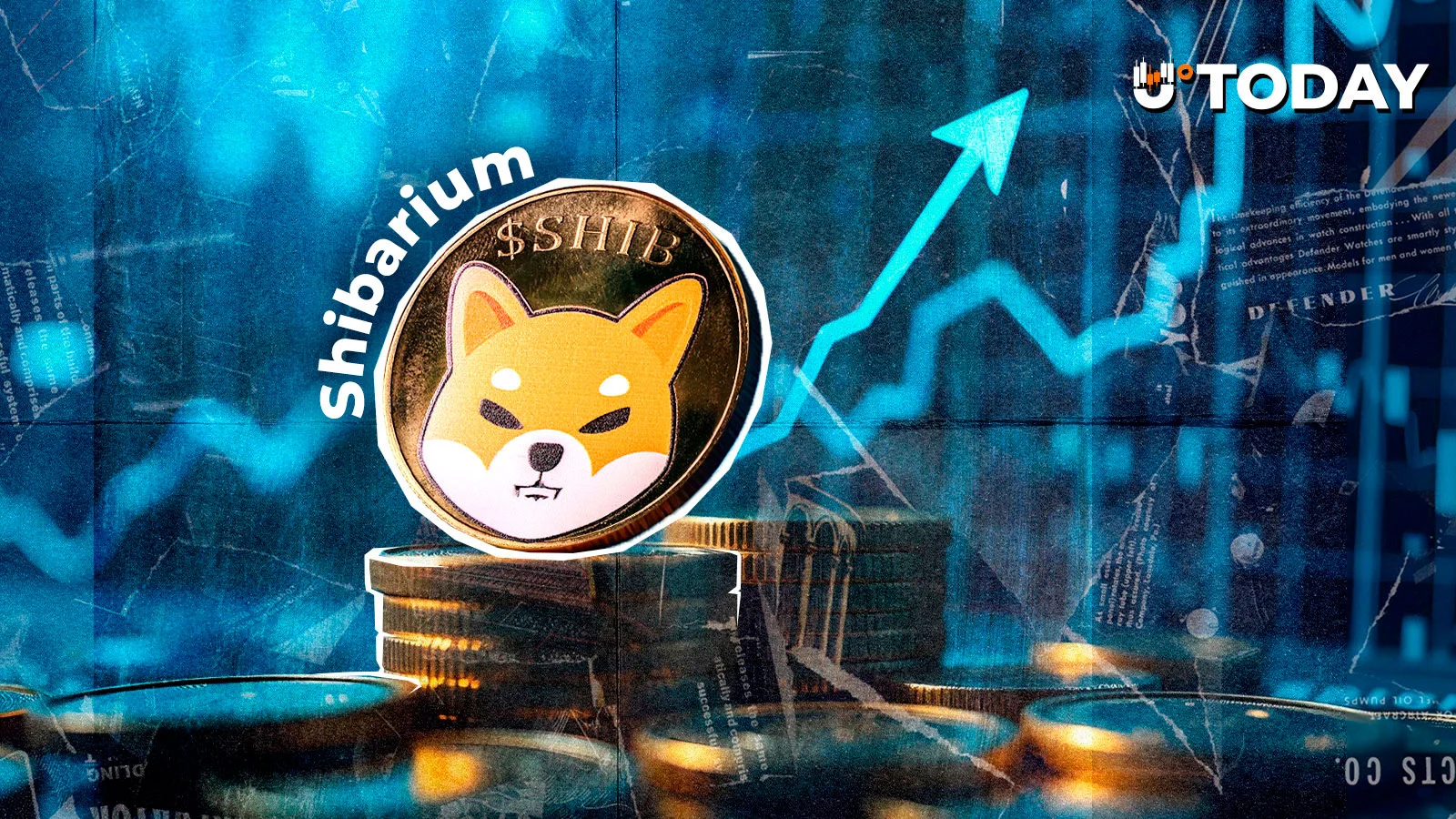
Shibarium's 148% transaction surge indicates increased network activity, potentially signaling growing adoption and a precursor to SHIB price appreciation. Despite a recent price consolidation, the technical indicators for SHIB, including a low RSI and Bollinger Band formation, suggest a potential bottoming out and readiness for a breakout. The correlation with Bitcoin's price action and increased on-chain user activity, coupled with strong open interest, provides a supportive backdrop for a potential SHIB rally.

Despite a significant surge in Dogecoin derivatives volume on BitMEX, the spot price remains under pressure, indicating a disconnect between speculative trading and underlying asset demand. The rejection at the $0.10 level suggests a key resistance zone for DOGE, with the daily RSI below 50 hinting at potential consolidation or a bearish continuation. While derivatives traders are active, the broader market sentiment, reflected in the Fear and Greed index moving into 'fear' territory, suggests caution among investors.
Tesla's stock experienced a notable 4% surge driven by a significant 91% year-over-year increase in China EV sales for February, indicating robust demand and the critical role of its Shanghai factory in global supply. Despite the strong annual growth, a 15.2% month-over-month dip in February sales warrants attention, highlighting potential seasonal factors and intensifying competition within China's EV market. Traders are closely watching Tesla's stock price action against key technical levels around $415 resistance and $375 support, with the strong sales data potentially fueling a breakout attempt. The sustained year-over-year growth in China, coupled with Tesla's historical outperformance against the S&P 500, suggests underlying strength, though the market will weigh this against ongoing competitive pressures and pricing strategies.

The recent oil scare near the Strait of Hormuz demonstrated Bitcoin's immediate reaction as a risk-off asset, with traders selling during the acute phase of inflation fears. Despite initial outflows, U.S. spot Bitcoin ETFs saw inflows rebound as oil prices cooled and de-escalation signals emerged, indicating a swift recovery tied to broader risk appetite. The ETF structure has amplified the speed and clarity of macro transmissions, making Bitcoin's price action more directly observable in response to geopolitical and inflation-driven events. Bitcoin's sensitivity to inflation and interest rate dynamics, similar to high-beta equities, was highlighted by a significant market cap drop during the oil shock, underscoring its current role as a macro-sensitive asset.
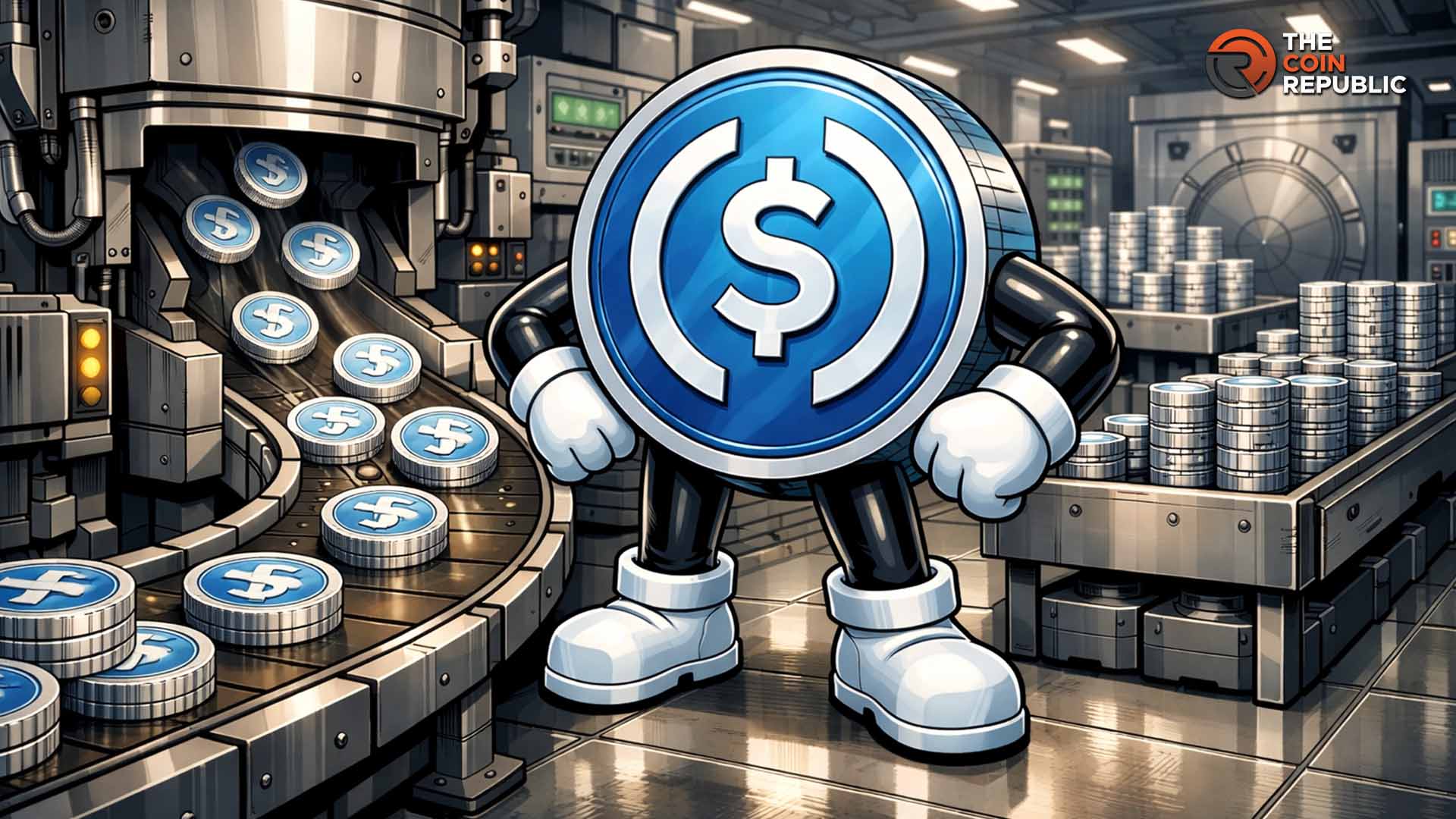
USDC's market cap reaching an all-time high of $78.25 billion, driven by a $600 million mint, signals increasing liquidity which can be a precursor to broader market upside. The distribution of new USDC mints across Ethereum and Solana highlights their continued importance for DeFi and efficient tokenized transactions, respectively. The surge in USDC is partly attributed to the growing demand for tokenized real-world assets (RWAs), positioning Circle as a key player in this expanding market segment. While USDC growth is strong, USDT still holds a dominant market share, indicating that while Circle is gaining traction, surpassing Tether remains a long-term prospect.
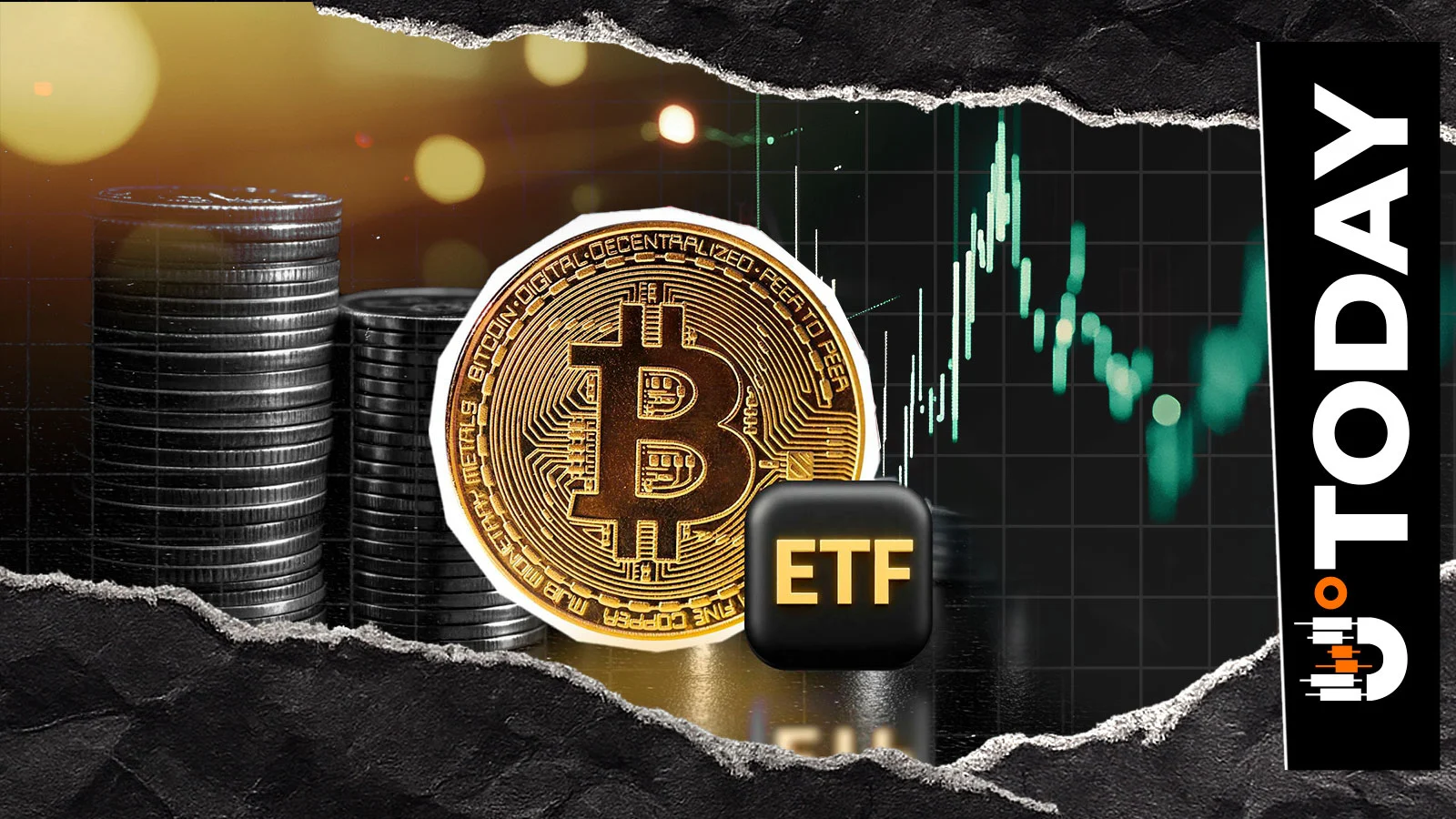
Despite a significant Bitcoin price drawdown, US spot Bitcoin ETFs are showing resilience with substantial inflows, indicating sustained institutional interest that could support price recovery. The collective holdings of US Bitcoin ETFs now exceed 1.28 million BTC, solidifying their position as the largest single holder and highlighting their growing influence on market dynamics. While past outflows occurred, recent strong daily net inflows, particularly into BlackRock's IBIT, suggest a potential shift in market sentiment and a growing demand for regulated Bitcoin exposure.

The Ethereum Foundation's experimentation with 'DVT-lite' aims to simplify validator setup, potentially increasing institutional participation and network decentralization. A $27 million liquidation event on Aave, attributed to a temporary price glitch involving wstETH, highlights the ongoing risks associated with oracle accuracy in DeFi protocols. Pudgy Penguins' new game, 'Pudgy World,' prioritizes a seamless user experience over overt crypto integration, signaling a potential shift in NFT gaming strategy towards mass adoption. Mastercard's new Crypto Partner Program signifies a strategic move to bridge traditional finance infrastructure with blockchain technology, focusing on practical use cases like cross-border payments.

Binance.US appoints a new CEO with a compliance background, signaling a strategic shift towards navigating the complex U.S. regulatory environment. The leadership change at Binance.US occurs amidst intensifying competition and a trend of U.S. crypto exchanges expanding offerings beyond digital assets, potentially impacting market share and product development. With a focus on compliance and building on the Binance brand, the new CEO aims to expand access to DeFi and a broader tokenized value ecosystem, suggesting a strategy to leverage existing strengths for future growth.

Bitcoin has demonstrated resilience and outperformance against traditional assets like gold and stocks since the onset of the Iran conflict, driven partly by significant institutional buying and MicroStrategy's STRC product. Polymarket's partnership with Palantir and TWG AI to enhance its prediction market integrity signals a proactive approach to regulatory concerns and potential growth in the regulated prediction market sector. Hyperliquid's introduction of portfolio margin and prediction markets on testnet signifies a move towards a comprehensive on-chain trading stack, potentially increasing capital efficiency and attracting more sophisticated traders. The upcoming launch of X Money by Elon Musk, despite the absence of confirmed Dogecoin integration, represents a significant development in the mainstream adoption of financial services via social platforms, though its immediate crypto impact is uncertain.

Former OKX legal and product executives have launched Shredpay, a DeFi connectivity platform aiming to simplify access for U.S. retail and institutional users. Shredpay introduces a risk-rating index for DeFi protocols, addressing information asymmetry and making mainstream adoption more feasible by providing standardized risk assessments. The platform's focus on clear risk ratings and ease of use could expand the addressable market for DeFi protocols by attracting users who are currently deterred by complexity and perceived risk.

Mastercard's expanded Crypto Partner Program, integrating over 85 firms including Binance and PayPal, signifies a major push to embed blockchain payments into mainstream commerce via its new Multi-Token Network. The introduction of the Multi-Token Network (MTN) as a private settlement layer for tokenized bank deposits and stablecoins (USDC, PYUSD, USDG, SoFiUSD) aims to provide institutional-grade reliability and reduce cross-border transaction fees by up to 7%. Support for self-custody wallets like MetaMask, allowing direct spending from user-controlled wallets, indicates a significant adaptation to user behavior and a move towards more decentralized payment rails. With monthly crypto transaction volumes projected to hit $1 trillion by December 2026 and growing consumer interest, Mastercard is strategically positioning itself to capture a significant share of the emerging crypto commerce market.
Significant liquidation events, particularly impacting long positions, suggest a potential shift in short-term sentiment for SHIB following a brief rally. The price action indicates that SHIB is currently facing overhead resistance at its 50-day and 100-day EMAs, suggesting a bearish technical outlook until these levels are decisively reclaimed. Broader market liquidations exceeding $248 million highlight a prevailing risk-off sentiment, which could continue to pressure altcoins like SHIB in the near term.
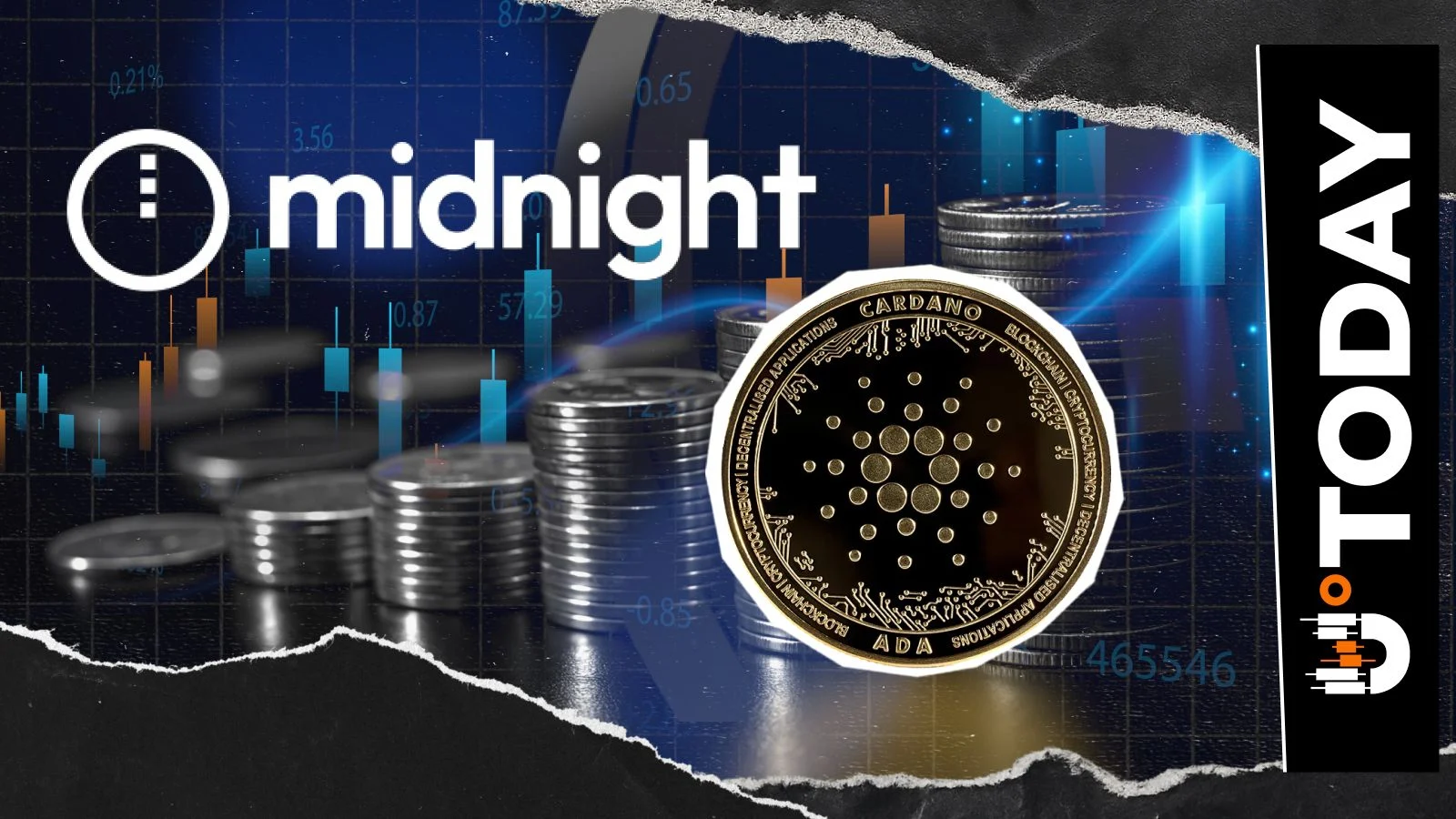
The listing of Midnight (NIGHT) on Binance, the world's largest exchange, provides significant market access and liquidity, potentially driving near-term price discovery. Midnight's focus on privacy using zero-knowledge proofs, coupled with its Cardano ecosystem partnership, positions it within a growing niche that could attract specific investor interest. The initial price surge followed by a sell-off suggests immediate speculative trading activity, characteristic of new Binance listings, with longer-term price action dependent on adoption and utility.
Signal context only. Validate with price action, liquidity, and risk limits before taking a position.
