
Navigating Crypto News

CoinFeather
Navigating Crypto News

Source, catalyst, and sector overlap from the latest feed.
Mastercard's $1.8 billion acquisition of BVNK, a stablecoin settlement infrastructure provider, signals a significant shift towards integrating regulated digital asset rails into traditional payments, driven by the high cost and inefficiency of existing correspondent banking systems. The substantial premium paid for BVNK highlights the value placed on its multi-jurisdictional licensing and regulatory compliance, indicating that for legacy finance, regulatory approval is the primary product in the stablecoin infrastructure space, not just the technology itself. This acquisition is poised to significantly impact cross-border payments, particularly remittances to emerging markets, by potentially reducing fees from 6-8% to 1-2% through the elimination of intermediaries, thereby improving financial access for unbanked populations. The move by Mastercard, alongside potential actions from Visa and Stripe's acquisition of Bridge, suggests a race among major payment networks to establish stablecoin settlement strategies, intensifying competition between regulated infrastructure and faster, but potentially fragile, unregulated alternatives.
Live Feed
Loading the broader stream in the same flow as the homepage feed.
Shiba Inu's price is showing early recovery signs driven by increased whale accumulation and a growing holder base, suggesting a potential shift from its prolonged downtrend. Technical indicators and on-chain data, including rising holder numbers and declining exchange balances, support a bullish outlook, hinting at reduced selling pressure and potential price appreciation. Significant whale accumulation of SHIB tokens, coupled with ongoing token burns and a high percentage of long-term holders, indicates strong conviction and could fuel a near-term price breakout.

David Sacks leaves office with wins for crypto infrastructure, while Bitcoin holders are still waiting David Sacks is out of the formal White House crypto czar role after exhausting the 130-day limit attached to his special government employee status. The change closes the clearest window for a scorecard. The record is substantial, yet it falls […] The post White House crypto czar leaves office after securing crypto wins for banks and institutions instead of Bitcoin appeared first on CryptoSlate.

David Sacks' departure from the crypto czar role creates uncertainty regarding the future of key crypto initiatives like the Clarity Act and Strategic Bitcoin Reserve, potentially causing delays. The transition of David Sacks to a broader tech advisory role at PCAST, alongside prominent tech leaders, signals a potential shift in US technology policy focus away from solely crypto. The absence of a designated crypto czar may lead to a leadership vacuum, impacting the pace and execution of crypto-related policy development within the administration.
Geopolitical tensions and rising oil prices are driving traditional markets to six-month lows, creating a risk-off environment that could spill over into crypto if sustained. The S&P 500 and Nasdaq's prolonged decline, now on track for its fifth consecutive weekly loss, signals a shift from growth focus to risk aversion, impacting investor sentiment across asset classes. Uncertainty surrounding potential escalation in the Middle East and its impact on global energy supply chains is the primary driver of current market volatility, making it difficult to predict a near-term stock market bottom.

Walrus's significant data storage milestone of 450TB, surpassing Arweave, highlights strong adoption and potential for its programmable storage solutions. The platform's strategic focus on AI and on-chain finance, coupled with new product launches like MemWal, positions it to capitalize on emerging market demands for verifiable data and agentic memory. Walrus's growth within the DePIN sector, projected to reach $3.5 trillion by 2028, suggests a substantial market opportunity for decentralized storage infrastructure.

The potential XRP Ledger upgrade, highlighted by Evernorth, introduces a native lending protocol with features like single-asset vaults and confidential transfers, aiming to unlock significant dormant XRP utility. This development, referred to as the 'final piece of the XRPL stack,' could fundamentally increase XRP's utility and on-chain activity by putting over $100 billion in XRP to work. While the upgrade focuses on enhancing XRPL's institutional infrastructure and utility, the current market downturn and XRP's price action suggest a neutral immediate trading outlook despite the positive fundamental development.
Cardano's Foundation approval of the budget framework and Orion Fund signals progress in governance and institutional integration, potentially boosting investor confidence despite ADA's current price weakness. The listing of Midnight's NIGHT token on CoinSpot and its partnership with Monument Bank for tokenizing deposits expands Cardano's ecosystem reach and highlights the growing interest in privacy solutions and RWA integration. ADA is testing a critical support zone between $0.249-$0.259; a failure to hold this level could signal further downside, while a bounce could lead to a test of the $0.547 resistance, indicating a key inflection point for near-term price action.
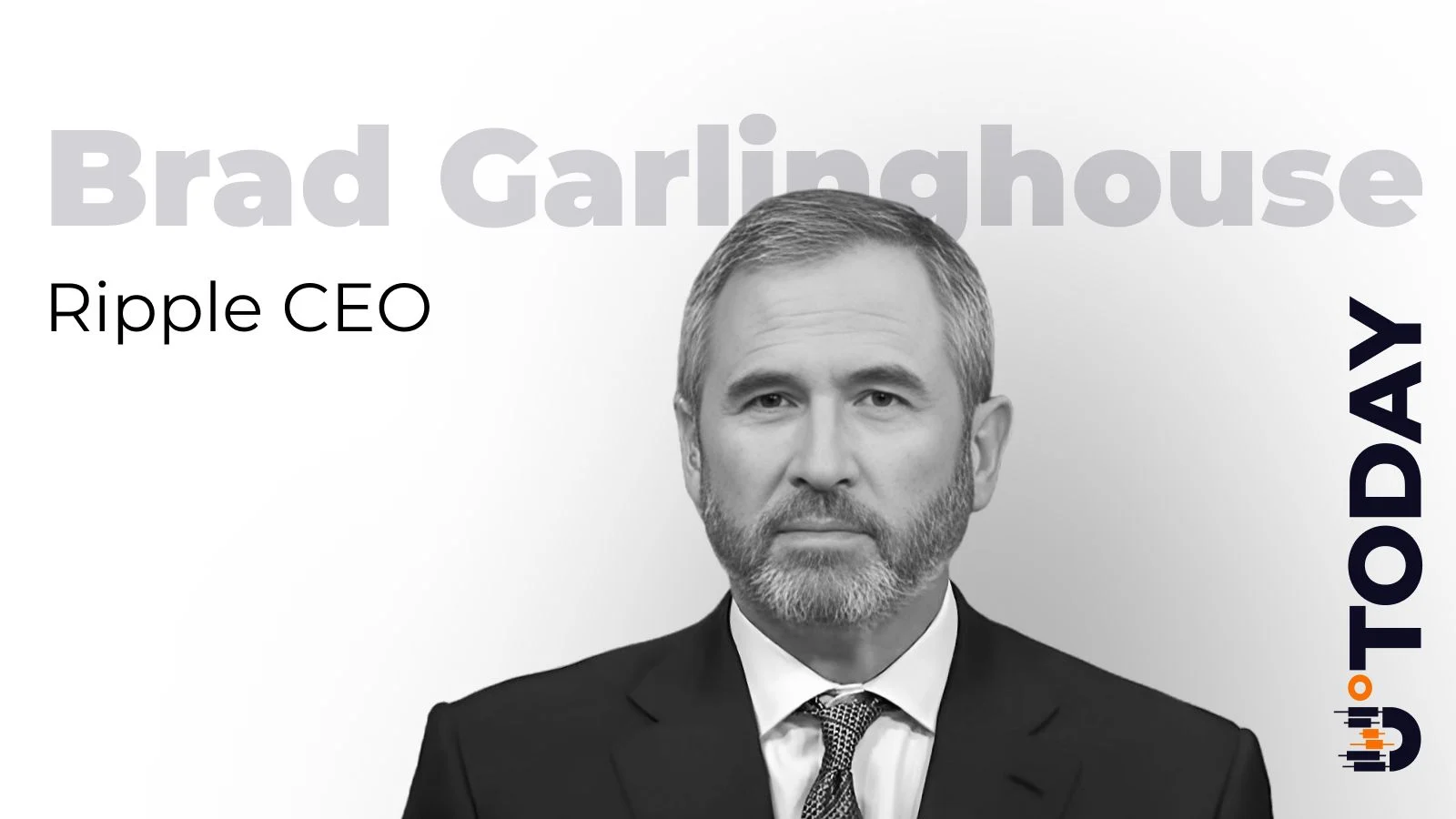
Ripple's strategic acquisitions totaling $2 billion are positioning XRP as a central pillar for global finance, suggesting a strong focus on utility driving ecosystem growth. The company's CEO highlights a "ChatGPT moment" for crypto driven by regulatory clarity, indicating potential for increased institutional capital inflow into assets like XRP and stablecoins. Ripple's business growth is explicitly linked to XRP's utility, with real-world adoption examples like real estate tokenization on the XRP Ledger reinforcing this connection. The anticipation of the Clarity Act and the recognition of digital assets as commodities by the SEC/CFTC signal a more favorable regulatory environment, potentially boosting adoption of Ripple's payment solutions.
Litecoin is currently testing a critical support zone between $50 and $60, a level that has historically shown strong buyer interest and led to significant bounces. The current price action suggests a potential for a rally towards $100 if the $50-$60 support holds, with further upside targets at $150 and $200+ if bullish momentum builds. Failure to maintain support above the $50-$60 range would invalidate the bullish setup and could lead to a deeper correction phase for LTC.

Veteran trader Peter Brandt asserts that Bitcoin adheres to classical charting principles more effectively than many traditional markets, countering skepticism within the crypto community. Brandt's commentary suggests that technical analysis remains a valid tool for Bitcoin, implying that price action can be interpreted through established chart patterns despite the asset's volatility. The article notes Bitcoin's recent price action, trading between $60,000 and $75,000, and mentions significant options expiries, indicating potential near-term volatility influenced by technical levels and derivatives markets.
Metaspins, a crypto casino launched in 2022, offers a broad range of over 5,000 games and a sportsbook, indicating continued growth in the crypto-gambling sector. The platform's focus on a KYC-light experience, fast crypto payouts, and daily rewards like lootboxes suggests a strategy to attract and retain users prioritizing privacy and efficiency in online gaming. While Metaspins supports major cryptocurrencies like BTC and ETH, its lack of direct fiat support and a dedicated mobile app positions it for a niche audience already comfortable with crypto transactions.

Ark Invest's significant divestment from META, NVDA, and its own Bitcoin ETF signals a potential shift in institutional sentiment amidst broader market downturns and geopolitical uncertainty. The sales of Bitcoin ETF shares by a prominent institutional player like Ark Invest, despite previous optimistic forecasts, may indicate a short-term risk-off sentiment impacting crypto assets. The timing of these sales, coinciding with market slides in both tech stocks and Bitcoin, suggests a broader deleveraging strategy by Ark Invest in response to macroeconomic pressures. While Ark Invest reduces its exposure, the underlying reasons for the sales (geopolitical risk, tech stock headwinds) could pressure other institutional holdings and market sentiment.

XRP is demonstrating rare strength against Bitcoin amidst a broader market downturn, potentially driven by anticipation of SEC ETF decisions, suggesting short-term uncorrelated price action is possible. Despite current resilience, XRP faces a significant technical risk of a -63% drawdown against BTC if it fails to hold key support levels, indicating a precarious bullish divergence. The upcoming SEC ETF deadline on March 27 is a key catalyst, with potential liquidity inflows offering temporary support to XRP, but the long-term bearish scenario for the XRP/BTC pair remains intact.
Signal context only. Validate with price action, liquidity, and risk limits before taking a position.
Quick market read from this story
Broader market weakness, driven by macroeconomic concerns and geopolitical uncertainty, is pressuring crypto stocks and Bitcoin, indicating a risk-off sentiment across asset classes.
The Nasdaq entering correction territory and the S&P 500 nearing it suggests a significant shift in investor sentiment, impacting high-risk assets like cryptocurrencies and related equities.
The pattern of early-week gains followed by late-week declines, observed since the Middle East conflict began, highlights persistent geopolitical risk aversion influencing trading behavior.
Despite Bitcoin's recent all-time highs, its significant drawdown alongside traditional assets like gold and silver indicates a correlation with broader market downturns, suggesting a flight to safety.
Deep Dive
Crypto-related stocks experienced significant declines on Friday, mirroring a broader market rout that saw the tech-heavy Nasdaq 100 index enter correction territory. This downturn, which has led to approximately $17 trillion in market capitalization being wiped out from peak levels across major assets, has impacted everything from tech giants to cryptocurrencies like Bitcoin (BTC).
Crypto exchange Coinbase (COIN) and digital asset conglomerate Galaxy (GLXY) each dropped nearly 7%, while Gemini (GEMI) saw a decline of almost 9%. Crypto-friendly broker Robinhood (HOOD) also fell nearly 6%, despite increasing its stock buyback pace. Bitcoin-linked companies such as MicroStrategy (MSTR) and Twenty One Capital (XXI) plunged about 6%. Ethereum-focused entities like Bitmine Immersion (BMNR) and Sharplink Gaming (SBET) were down roughly 5%. Miners, including Riot Platforms (RIOT), CleanSpark (CLSK), IREN (IREN), HIVE Digital (HIVE), and Hut 8 (HUT), posted losses between 5% and 8%. Even MARA (MARA) and Bitdeer (BTDR), which had shown resilience on Thursday, fell 6% and 8% respectively.
The market weakness is occurring against a backdrop of renewed inflation pressures, driven by rising oil prices, and concerns about a deteriorating labor market. Federal Reserve officials have expressed caution, with Richmond Fed President Tom Barkin noting that higher gas costs could impact consumer spending and Philadelphia Fed President Anna Paulson highlighting
A leak detailing Anthropic's advanced 'Claude Mythos' AI model, capable of identifying software vulnerabilities, has triggered a sharp sell-off in tech-software stocks and impacted Bitcoin's price, suggesting a heightened cybersecurity risk perception. The potential for advanced AI to accelerate cyber threats could lead to increased demand for cybersecurity solutions, potentially benefiting related infrastructure and AI development sectors. The market reaction, with the IGV ETF down and BTC falling below $66,000, indicates that even indirect AI developments can have a tangible, near-term impact on broader crypto and tech markets.
