
Navigating Crypto News

CoinFeather
Navigating Crypto News

Quick market read from this story
Intercontinental Exchange's increased investment in Polymarket signals growing institutional confidence in prediction markets as a legitimate asset class, potentially driving further adoption and integration with traditional finance.
The substantial capital infusion into Polymarket, alongside a competitor's significant valuation, highlights a burgeoning sector for event-based trading, suggesting a potential for increased liquidity and sophisticated market participants.
Despite regulatory scrutiny, major financial players like ICE are doubling down on prediction markets, indicating a belief that these platforms can navigate compliance challenges and become a significant component of future financial ecosystems.
Deep Dive
Intercontinental Exchange (ICE), the parent company of the New York Stock Exchange, has significantly increased its investment in the prediction market platform Polymarket. The company announced an additional $600 million investment, bringing its total commitment to nearly $2 billion. This move deepens Polymarket's ties with a major global market operator.
Polymarket operates a marketplace where users trade on the outcomes of real-world events, such as elections and economic data releases. The platform's prices fluctuate in real-time, reflecting collective expectations. This latest funding round follows a previous $1 billion investment by ICE in October, with plans to acquire an additional $40 million in shares from existing holders. ICE stated that this investment will not materially impact its financial results.
The substantial backing from ICE positions Polymarket strongly within a growing prediction market sector. A rival platform, Kalshi, recently secured over $1 billion in funding at a $22 billion valuation and reportedly generates approximately $1.5 billion in annual revenue. However, this surge in investor interest occurs amidst increasing scrutiny from lawmakers and regulators regarding the potential for manipulation and insider activity within prediction markets. These concerns could significantly influence the future regulatory landscape for platforms like Polymarket.
In response to regulatory concerns, Polymarket has taken strategic steps to enhance its operational integrity. The company acquired a licensed exchange and clearinghouse earlier this year and has expanded its political and financial connections. Furthermore, Polymarket recently partnered with Palantir and TWG AI to develop a surveillance system designed to detect suspicious trading and manipulation, particularly within its sports prediction markets.
ICE's continued investment underscores the view held by traditional market operators that prediction markets hold significant potential. Should these markets gain wider regulatory acceptance, they could become established financial instruments, offering traders another avenue to express views on future events, similar to stocks and futures.
Source, catalyst, and sector overlap from the latest feed.
A leak detailing Anthropic's advanced 'Claude Mythos' AI model, capable of identifying software vulnerabilities, has triggered a sharp sell-off in tech-software stocks and impacted Bitcoin's price, suggesting a heightened cybersecurity risk perception. The potential for advanced AI to accelerate cyber threats could lead to increased demand for cybersecurity solutions, potentially benefiting related infrastructure and AI development sectors. The market reaction, with the IGV ETF down and BTC falling below $66,000, indicates that even indirect AI developments can have a tangible, near-term impact on broader crypto and tech markets.
The CoinDesk 20 Index experienced a broad decline, with only Bitcoin Cash (BCH) showing a marginal gain, indicating a general bearish sentiment across major digital assets in the index. With the CoinDesk 20 Index down 2.4%, the market is exhibiting weakness, suggesting a potential short-term downward trend for the broader crypto market represented by this index. The performance of AAVE and APT as notable laggards highlights specific project vulnerabilities or market pressures that could influence investor sentiment towards these assets.
Retail investors are aggressively distributing Bitcoin as prices fall below $67,000, indicating capitulation pressure from smaller holders. Whale wallets (1,000+ BTC) are largely neutral, suggesting a wait-and-see approach rather than active buying or selling, which could prolong price uncertainty. The current on-chain data points to retail capitulation rather than broad institutional distribution, implying potential for a short-term bounce if larger holders begin to accumulate.
Visa's integration as a super validator on Canton Network signals growing institutional adoption of privacy-preserving blockchain solutions. Ondo's price surge, driven by its real-world asset tokenization partnership with Franklin Templeton, highlights the sector's potential despite broader market downturns. Broader market sentiment remains bearish due to geopolitical tensions and rising interest rates, impacting major cryptocurrencies like Bitcoin and Ether. The return of ETF outflows and macro headwinds suggest continued pressure on Bitcoin and Ether, with potential for further downside if key support levels break.
The significant liquidation of $300 million in Bitcoin and Ether longs indicates a crowded bullish sentiment unwinding, suggesting a potential short-term bearish pressure as leveraged positions are forced out. A broader risk-off sentiment, driven by rising oil prices and geopolitical concerns, is dragging down crypto assets alongside equities, implying that macro factors are currently overriding crypto-specific developments. While most altcoins are underperforming, ONDO's gains from tokenizing Franklin Templeton ETFs highlight a specific RWA narrative gaining traction, potentially creating isolated opportunities amidst general market weakness. The continued demand for put options and negative funding rates on certain altcoins like XRP suggest that traders are anticipating further downside, reinforcing a bearish outlook for these specific assets.
ONDO's price action is re-entering a historical accumulation zone, coinciding with increased whale transactions, suggesting potential smart money accumulation amidst widespread holder losses. The partnership between Franklin Templeton and Ondo to tokenize ETFs on-chain represents a significant validation of the RWA narrative and could drive substantial demand for ONDO as a gateway asset. While technicals show accumulation and a strong RWA narrative is emerging, ONDO's price faces immediate resistance at the 200-day EMA, with a clear catalyst needed to confirm a sustained upward trend beyond $0.46. The tokenization of traditional assets like ETFs by a $1.7T manager via Ondo signifies a maturing RWA sector, potentially attracting institutional capital and increasing the utility of ONDO within DeFi.
Stargate (STG) experienced a significant 52% surge driven by LayerZero's acquisition announcement, enabling a 1:1 ZRO swap, indicating strong market reaction to integration news. Ondo Finance's partnership with Franklin Templeton for tokenizing ETFs on its platform signals a move towards RWA integration and potential institutional adoption, despite current price consolidation. Canton (CC) saw a price increase following Visa's announcement as a super validator, highlighting the impact of major traditional finance players joining blockchain infrastructure. Despite a broader market downturn with BTC and ETH declining, specific altcoins like STG, ONDO, and CC demonstrated resilience and upward momentum due to distinct project-specific catalysts.
Fannie Mae's acceptance of crypto collateral for mortgages, facilitated by Coinbase, marks a significant step towards mainstream adoption by integrating digital assets into the traditional US residential mortgage market. The new mortgage product allows borrowers to pledge BTC or USDC as down payment collateral without selling, avoiding immediate taxable events and potential forced liquidation, while offering a novel financing option for asset-rich individuals. While the mortgage product offers flexibility, the higher interest rates (0.5%-1.5%) and requirement for collateral to be held on a US-regulated exchange like Coinbase indicate a controlled, albeit positive, integration into traditional finance. The broader market context of escalating geopolitical tensions and upcoming economic data points suggests continued volatility, overshadowing the positive adoption news for Bitcoin in the short term.
Charles Hoskinson's 'next-gen' designation for Midnight, coupled with its privacy features and sustainable tokenomics, signals a strategic push towards real-world asset tokenization, potentially attracting institutional interest. The partnership with Monument bank to tokenize £250 million in deposits represents a significant real-world adoption milestone for Midnight, validating its capacity for handling regulated financial products on-chain. While Midnight gains traction, investor sentiment towards ADA remains mixed, with some questioning its future relative to NIGHT, though on-chain data shows accumulation by larger wallets, suggesting potential underlying support. Midnight's development is positioned as complementary to Cardano's infrastructure, with security reliance and expected commercial deal integration suggesting a symbiotic relationship rather than direct competition, which could benefit the broader Cardano ecosystem.
Rising U.S. Treasury yields and a strengthening dollar are pressuring risk assets like Bitcoin, as investors seek safer returns amid geopolitical uncertainty. A significant $15.58 billion in Bitcoin and Ethereum options expiring this week is contributing to increased market volatility and potential price adjustments. Accelerated liquidations totaling $451 million and continued outflows from Bitcoin ETFs indicate weakening institutional demand and a shift towards reduced exposure. The crypto market's sharp decline, marked by Bitcoin falling to a two-week low and a shift to 'extreme fear' sentiment, suggests a near-term bearish outlook driven by macro and technical factors.
The convergence of a massive $14.16 billion Bitcoin options expiry and escalating geopolitical tensions in the Middle East has triggered a significant price drop, with potential for further downside if key support levels are breached. The reversal of the recent rotation from gold into Bitcoin, as evidenced by gold's rise and Bitcoin's fall amid renewed Iran threats, suggests a flight to traditional safe-haven assets, potentially pressuring crypto prices in the short term. Technical analysis indicates a bearish pattern forming on Bitcoin, with a daily close below $66,000 potentially leading to a sharp decline towards $46,000, while a hold of the lower $60K range could see buying interest emerge. Recent ETF outflows for both Bitcoin and Ethereum, coupled with the current market pressures, signal a potential shift in institutional sentiment or a temporary pause in inflows, warranting close observation of market dynamics.
The decreasing probability of a presidential pardon for Sam Bankman-Fried, as reflected in prediction markets, suggests a diminishing hope for a swift resolution to his legal situation. The public challenge to the fraud conviction by SBF's parents, while aiming to influence perception, has paradoxically lowered pardon odds, indicating a potential misstep in their strategy. The narrative shift by SBF's parents, attempting to portray him as a victim and align with political figures like Trump, highlights a strategic effort to leverage political connections for clemency.
XRP is exhibiting signs of early accumulation with a significant $315 million surge in buying demand on Binance, notably without a corresponding increase in leverage, suggesting conviction-driven buying rather than speculative hype. The absence of high leverage alongside rising buying pressure reduces the risk of liquidation-driven pullbacks, potentially paving the way for more durable price appreciation if current consolidation around $1.35 is resolved upwards. Traders should monitor the $1.35 level as a critical inflection point; a sustained break above it could validate the accumulation phase and trigger broader momentum, while failure to hold may lead to extended sideways movement or short-term selling.
Live Feed
Loading the broader stream in the same flow as the homepage feed.
Geopolitical tensions surrounding Iran are driving significant market volatility, with rising oil prices directly pressuring stock futures and creating an uncertain trading environment. Despite diplomatic signals, conflicting information from the Middle East and the continued rise in oil prices suggest that market participants should remain cautious due to persistent escalation risks. Major stock indices approaching correction territory indicate a broad shift in investor sentiment, highlighting the potential for further downside if geopolitical risks are not resolved swiftly.

An ECB working paper found DeFi governance remains highly concentrated, complicating efforts to identify who should fall under MiCA oversight.
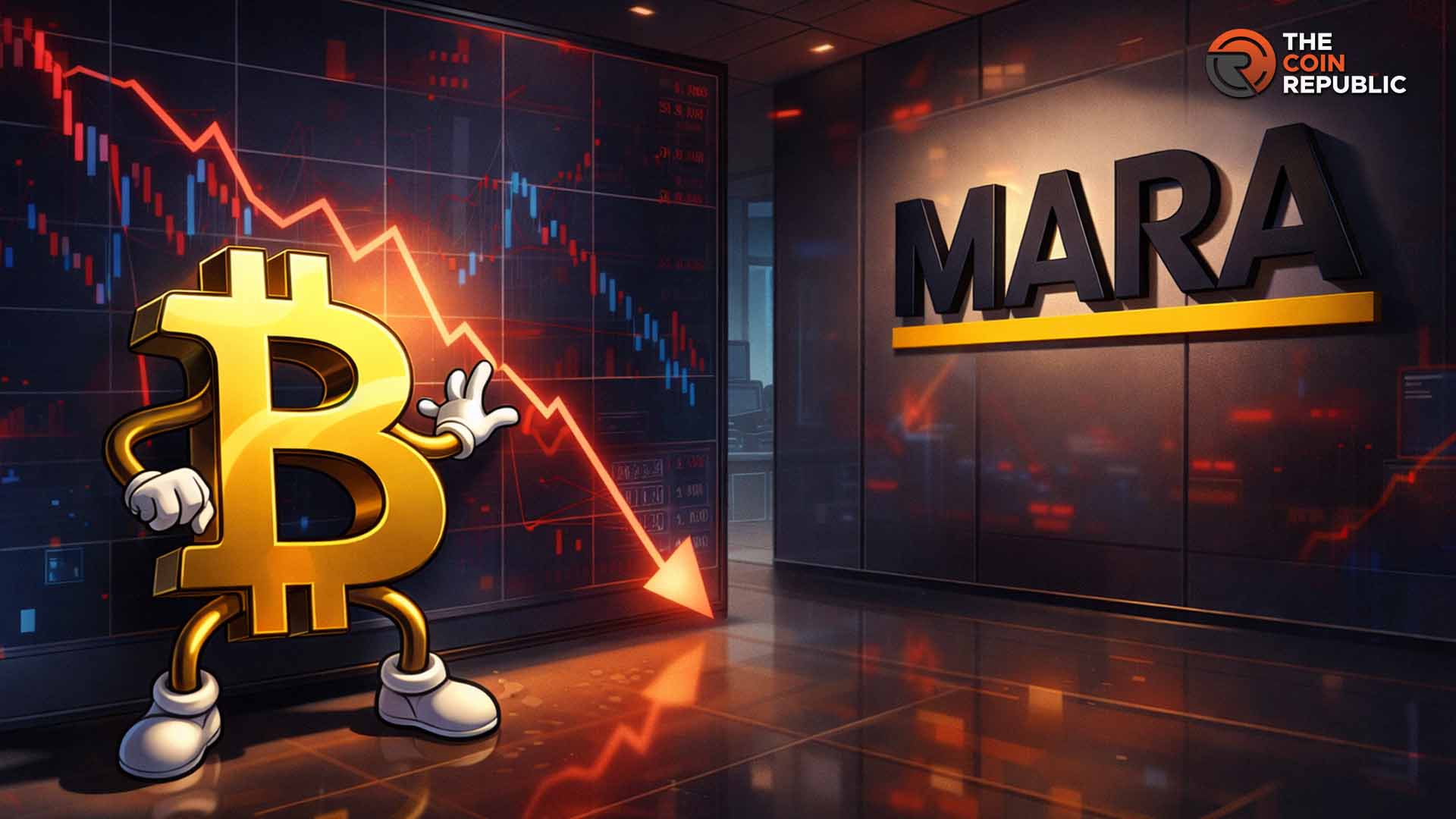
The shift in Bitcoin treasury rankings, with Twenty One Capital surpassing Marathon Digital, highlights the increasing financial pressure on crypto mining firms and the potential unsustainability of debt-driven accumulation strategies. Marathon Digital's significant Bitcoin selloff to service debt underscores the vulnerability of leveraged treasury models to tightening liquidity conditions and declining equity performance. The repositioning of major Bitcoin holders signals a potential shake-up in the corporate treasury landscape, favoring firms with more conservative, long-term collateral-based strategies over speculative allocation.
The article outlines a strategic $1 million investment portfolio for 2026, emphasizing global diversification and positioning for structural trends like AI and interest rate shifts. A balanced portfolio allocation is proposed, with 40% in global equities, 20% in fixed income, 15% in alternatives, 10% in real estate, 10% in commodities, and 5% in cash, reflecting modern asset allocation principles. Key growth drivers identified include AI and infrastructure, while commodities like gold are highlighted as defensive assets and hedges against geopolitical and monetary risks. The strategy advocates for a core-satellite or three-bucket approach, stressing the importance of balancing growth, stability, and opportunistic assets to navigate market complexities.
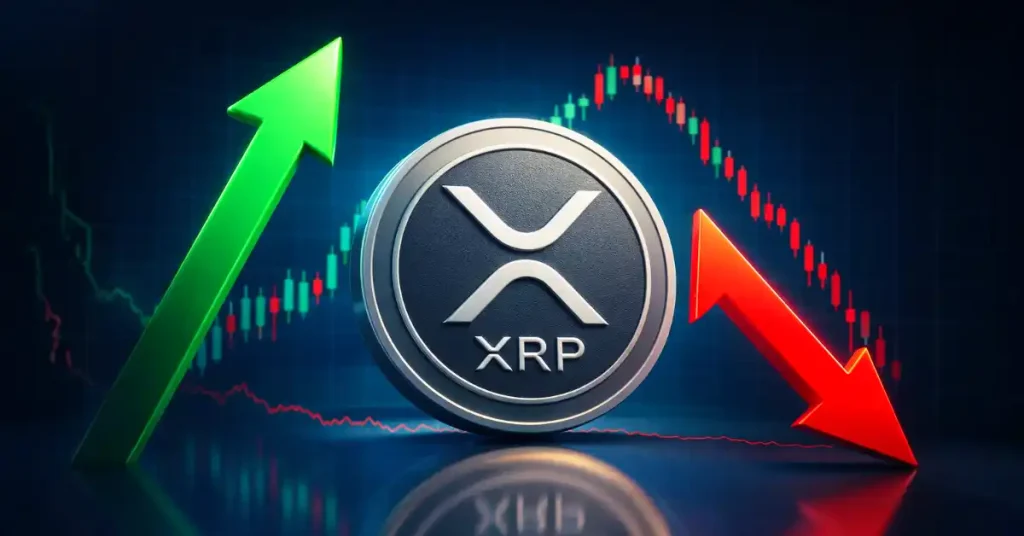
XRP's open interest surge to 14.8% indicates increased trader participation and potential for accelerated price movements, driven by leveraged positioning. Liquidation heatmaps reveal key support at $1.25-$1.30 and resistance at $1.45, suggesting price is coiling for a decisive move towards these liquidity zones. The positive Sharpe Ratio suggests improving risk-adjusted returns and market stabilization, potentially preceding more sustained price action. XRP is currently consolidating between defined support and resistance levels, with a breakout likely to be sharp and driven by liquidity sweeps.
A TD Sequential buy signal on Solana's 4-hour chart suggests potential short-term relief, but the broader bearish trend and $100 resistance remain significant headwinds. Failure to hold the $85 support level could invalidate the short-term bullish signal and accelerate downside movement, while a breakout above $97 could signal a larger upward move. The conflicting technical signals and range-bound price action between $75 and $97 indicate increasing energy buildup, suggesting a significant directional move is imminent for SOL.
Geopolitical tensions and oil supply concerns are pressuring Bitcoin, driving price action below $66,500 and targeting liquidity pools as traders anticipate further downside. Technical analysis suggests a bearish flag pattern on Bitcoin's chart, with potential measured targets indicating a drop to $41,000 if the pattern confirms. Traders are observing significant liquidity below current price levels, with some expressing interest in buying in the lower $60,000s should a sweep of these lows occur.
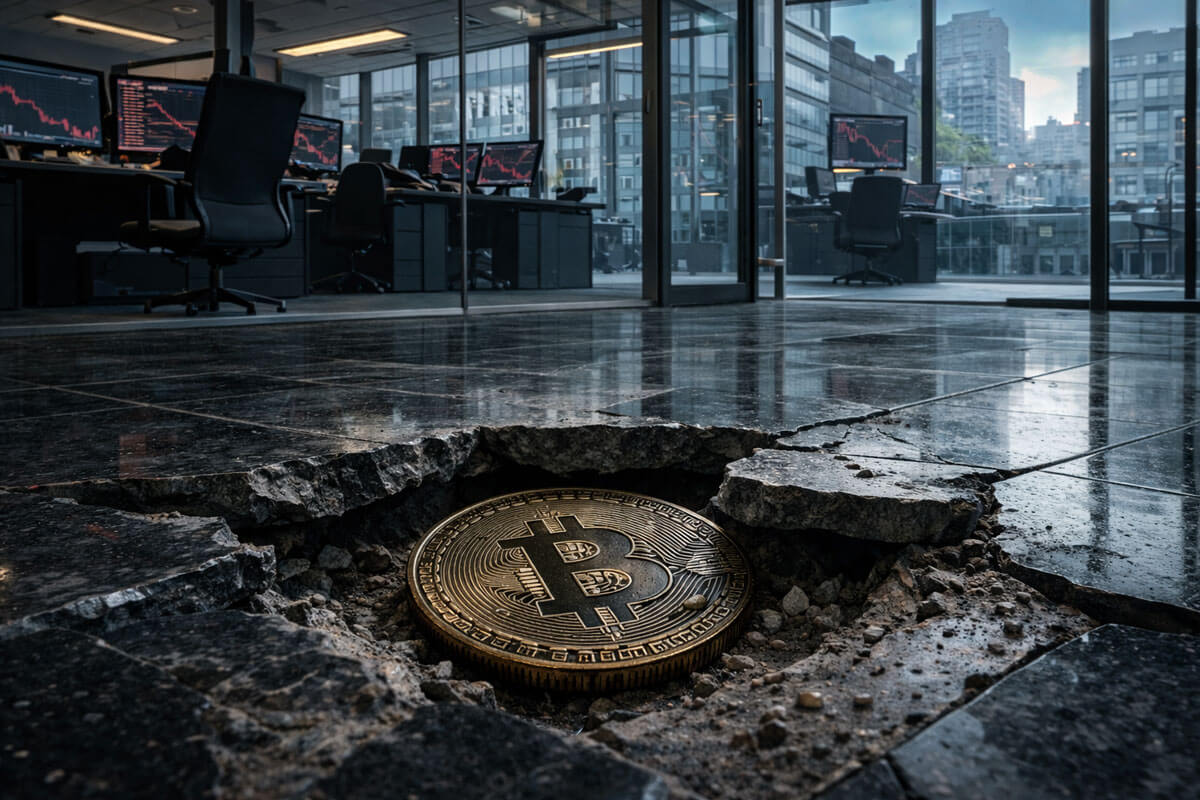
Bitcoin's recent price drop to near $65,000 is primarily driven by macroeconomic factors, specifically rising oil prices and Treasury yields due to geopolitical tensions, indicating it's still trading as a risk-on asset rather than a safe haven. The pause in geopolitical escalation did not alleviate inflation concerns, leading to expectations of tighter financial conditions and a stronger dollar, which collectively pressure risk assets like Bitcoin. Uneven inflows into US spot Bitcoin ETFs, coupled with a large options expiry, exacerbated the price decline, highlighting that institutional demand is not yet a consistent buffer against macro headwinds. Near-term price action for Bitcoin is likely to remain range-bound between $65,000 and $72,000, with significant directional breakouts requiring a broader alignment of macro variables rather than isolated events.

Increased exchange withdrawals and long-term holder accumulation suggest a tightening Bitcoin supply, potentially signaling reduced immediate selling pressure and stronger conviction from core investors. Despite a price dip below $68K, the data indicates long-term holders are actively buying on dips, a pattern historically associated with accumulation phases that can precede price breakouts. Analysts identify a potential support zone between $65,000-$66,000, with significant whale bid orders noted in this area, suggesting a possible retest before any sustained upward movement. The current market dynamics, characterized by reduced exchange liquidity and sustained LTH accumulation, create a supportive backdrop for price appreciation if the trend continues, despite short-term price weakness.
PEPE price action indicates persistent bearish pressure with lower highs and repeated rejections at resistance levels, suggesting a potential continuation of the downtrend. The failure to reclaim key resistance zones around $0.00000340-$0.00000345, coupled with weak momentum indicators like the RSI below 50, points to a lack of buying conviction and increased downside risk. A breakdown below the $0.00000320 support level could accelerate selling pressure, potentially targeting the $0.00000300 or $0.00000290 regions as the next significant support zones.
The listing of Cardano Midnight (NIGHT) on CoinSpot, Australia's leading crypto exchange, expands accessibility for a privacy-focused asset and signals growing demand for such solutions. Following its Binance listing, the CoinSpot addition could drive further adoption for NIGHT, potentially mirroring the 13% price surge observed previously. NIGHT's market capitalization nearing $1 billion and its current trading above the $0.045 support level suggest continued interest, though traders should monitor for potential breaches to $0.043.
Signal context only. Validate with price action, liquidity, and risk limits before taking a position.
