
Navigating Crypto News

CoinFeather
Navigating Crypto News
Quick market read from this story
Geopolitical tensions surrounding Iran are driving significant market volatility, with rising oil prices directly pressuring stock futures and creating an uncertain trading environment.
Despite diplomatic signals, conflicting information from the Middle East and the continued rise in oil prices suggest that market participants should remain cautious due to persistent escalation risks.
Major stock indices approaching correction territory indicate a broad shift in investor sentiment, highlighting the potential for further downside if geopolitical risks are not resolved swiftly.
Deep Dive
Stock futures experienced a downturn on Friday, with Dow Jones, S&P 500, and Nasdaq 100 futures all falling approximately 0.5% to 0.7%. This pullback occurred despite President Donald Trump extending the deadline for potential strikes on Iran, signaling a period for further negotiations. However, markets remain uneasy due to a combination of geopolitical tensions and rising oil prices.
Investors reacted cautiously to the latest developments from the Middle East. President Trump announced a pause on attacks targeting Iran’s energy infrastructure, extending the negotiation deadline to April 6. While Trump described the ongoing discussions as productive, markets did not fully embrace the optimism. Futures moved lower, reflecting lingering doubts and a desire for clearer confirmation before a significant sentiment shift.
Simultaneously, oil prices are climbing, adding pressure to stock markets. Brent crude surpassed $110 per barrel, and West Texas Intermediate moved past $96, marking a significant increase since the conflict began. Higher oil prices tend to negatively impact stocks by increasing costs across the economy for businesses and consumers, potentially slowing growth expectations. This inverse relationship between oil prices and stock performance has become a notable trend.
Recent declines have pushed major stock indexes closer to critical levels. The Nasdaq Composite has already entered correction territory, down over 10% from its October peak. The Dow is nearing a similar threshold, down over 9% from its high, and the S&P 500 is approximately 7% below its record. These figures underscore a broader shift in market sentiment towards a more uncertain environment, with the possibility of further selling if indexes continue to slide.
Mixed messages from the involved parties continue to shape the narrative. While the White House highlights ongoing negotiations, Iranian officials have denied direct talks, creating confusion and limiting confidence in a swift resolution. Reports also suggest the Pentagon may deploy up to 10,000 additional troops to the region, while Iran has warned of strong resistance to movement through the Strait of Hormuz. These developments contribute to concerns about potential supply disruptions and broader escalation, impacting shipping activity and market volatility.
Market participants are currently weighing opposing forces: potential diplomatic progress that could stabilize conditions and support a rebound, against the risks of escalating conflict that could further boost oil prices and depress stocks. Analysts advise caution in the near term due to ongoing uncertainty. Volatility remains a defining feature of the market, with stocks reacting swiftly to geopolitical developments and oil prices influencing broader sentiment. The market's direction may depend on whether clarity emerges from ongoing negotiations or if uncertainty continues to dominate.
Source, catalyst, and sector overlap from the latest feed.
Metaspins, a crypto casino launched in 2022, offers a broad range of over 5,000 games and a sportsbook, indicating continued growth in the crypto-gambling sector. The platform's focus on a KYC-light experience, fast crypto payouts, and daily rewards like lootboxes suggests a strategy to attract and retain users prioritizing privacy and efficiency in online gaming. While Metaspins supports major cryptocurrencies like BTC and ETH, its lack of direct fiat support and a dedicated mobile app positions it for a niche audience already comfortable with crypto transactions.
Dogecoin requires significant capital inflows, widespread real-world utility, institutional adoption, and a resurgence of retail mania to reach a $10 price target, implying a substantial gap between current conditions and ambitious valuations. The potential integration of Dogecoin into X Money presents a critical catalyst, as it could directly address the utility requirement and significantly boost demand, though its absence at launch would weaken this narrative. Achieving a $10 Dogecoin price would necessitate a market capitalization rivaling major financial assets, highlighting the extreme speculative nature of such targets and the immense hurdles to overcome.
Major banks are exploring issuing their own stablecoins, indicating a significant shift towards institutional adoption of blockchain payment tools beyond crypto-native use cases. Ripple's strategic focus on regulatory compliance and transparency with its RLUSD stablecoin positions it to capture institutional interest in a maturing stablecoin market. XRP is approaching a critical technical juncture, with key price levels at $1.80 and $2.20 poised to determine its near-term directional trend amidst broader institutional stablecoin developments.
SG-FORGE's dual role in shaping SWIFT's blockchain ledger and operating a stablecoin on XRP Ledger signals a significant convergence between traditional finance infrastructure and emerging DLT networks. The integration of regulated stablecoins like EURCV on XRPL, coupled with SWIFT's blockchain initiatives, suggests a pragmatic approach to modernizing cross-border payments by bridging legacy systems rather than replacing them. This development indicates a potential for increased adoption of DLT in interbank settlements, with institutions like Deutsche Bank already demonstrating the complementary nature of SWIFT and Ripple technologies.
Retail investors are actively accumulating Dogecoin at current price levels around $0.09, as evidenced by significant on-chain purchases on platforms like Kraken. Institutional participation remains absent, with zero net ETF flows for eight consecutive days, indicating a lack of conviction from larger market players. Dogecoin's technical structure shows bearish signals, including a death cross and downward-sloping moving averages, suggesting potential downside risk if key support at $0.087 fails. The next 72 hours are critical for Dogecoin, as the price action will determine whether the current accumulation zone holds or breaks, potentially setting the directional bias for Q2.
Live Feed
Loading the broader stream in the same flow as the homepage feed.

Ark Invest's significant divestment from META, NVDA, and its own Bitcoin ETF signals a potential shift in institutional sentiment amidst broader market downturns and geopolitical uncertainty. The sales of Bitcoin ETF shares by a prominent institutional player like Ark Invest, despite previous optimistic forecasts, may indicate a short-term risk-off sentiment impacting crypto assets. The timing of these sales, coinciding with market slides in both tech stocks and Bitcoin, suggests a broader deleveraging strategy by Ark Invest in response to macroeconomic pressures. While Ark Invest reduces its exposure, the underlying reasons for the sales (geopolitical risk, tech stock headwinds) could pressure other institutional holdings and market sentiment.
XRP is demonstrating rare strength against Bitcoin amidst a broader market downturn, potentially driven by anticipation of SEC ETF decisions, suggesting short-term uncorrelated price action is possible. Despite current resilience, XRP faces a significant technical risk of a -63% drawdown against BTC if it fails to hold key support levels, indicating a precarious bullish divergence. The upcoming SEC ETF deadline on March 27 is a key catalyst, with potential liquidity inflows offering temporary support to XRP, but the long-term bearish scenario for the XRP/BTC pair remains intact.
BlackRock's significant transfer of BTC and ETH to Coinbase, totaling over $180 million, suggests potential sell-offs amid recent ETF outflows, indicating a bearish sentiment for these assets in the short term. The movement of assets to a custodial platform like Coinbase Prime, coupled with BlackRock's leading Bitcoin ETF withdrawals, points to a strategic shift or profit-taking by the asset manager, potentially impacting market liquidity and price action. While the exact purpose remains unconfirmed, the timing of these transfers, coinciding with broader market slowdown and negative investor sentiment towards Bitcoin ETFs, implies a cautious or bearish outlook from a major institutional player.
Binance Australia's $6.9M fine highlights significant regulatory failures in client onboarding for high-risk derivatives, impacting investor protection and exchange operational integrity. The penalty underscores the heightened scrutiny on crypto exchanges regarding compliance with financial regulations, potentially leading to increased operational costs and stricter oversight globally. Retail investors lost approximately $6 million due to misclassification and lack of protections, indicating a direct financial consequence of inadequate risk management by the exchange.
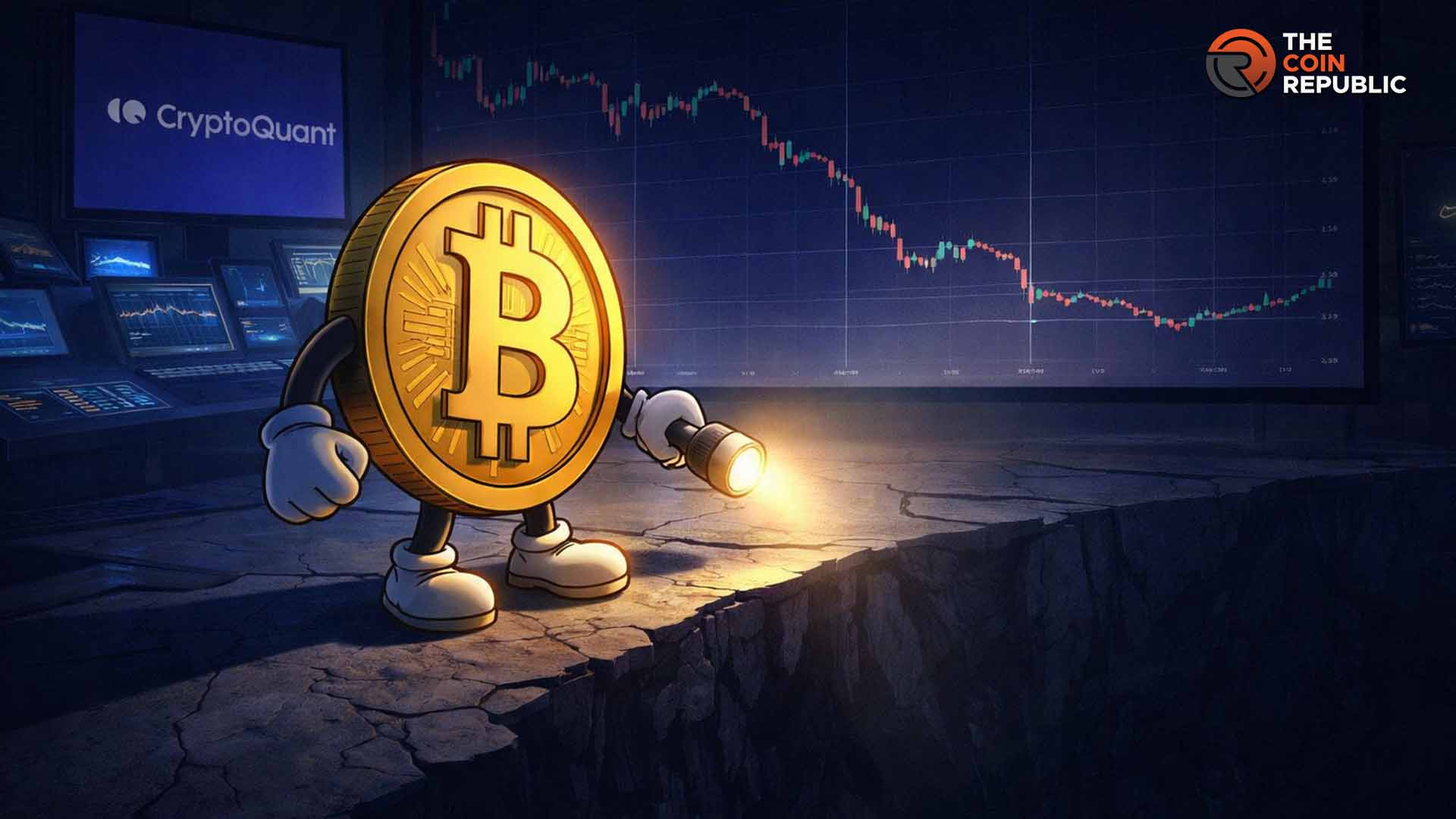
Bitcoin's profitability compression to 60.6% signals a historical 'reset zone', historically preceding accumulation phases and potential upside moves. Reduced selling pressure from ETFs and corporate holders, coupled with lower Binance inflows, indicates a structural shift away from short-term reactive selling. Despite declining network profitability, long-term holders are retaining gains, suggesting a more resilient market structure compared to previous cycles. The current confluence of reduced exchange inflows and historical valuation metrics suggests a moderation in selling pressure, potentially setting the stage for price stabilization or recovery.

Shibarium has experienced a significant, albeit artificial, surge in daily transactions, driven by infrastructure upgrades and re-indexing processes rather than organic user activity. While the reported 1451% increase in transactions highlights technical activity on Shibarium, the underlying economic activity remains low due to automated calls and zero-value transfers. The ongoing infrastructure upgrades and testing of L3 developments on Shibarium suggest potential for future genuine adoption, but current transaction metrics are misleading for assessing user engagement.

Peter Schiff highlights Bitcoin's failure to surpass its 2021 all-time high after 52 months, framing it as an 'anti-record' and questioning its store-of-value narrative. The prolonged price stagnation, especially when contrasted with gold's new highs, suggests a potential loss of momentum for Bitcoin relative to traditional assets, according to Schiff's analysis. Schiff warns of a potential sharp decline to $20,000 if Bitcoin breaks the $60,000 support level, indicating significant downside risk if key technical levels fail. Considering inflation, Schiff argues that Bitcoin's current purchasing power is diminished compared to its 2021 peak, challenging the notion of its value preservation.
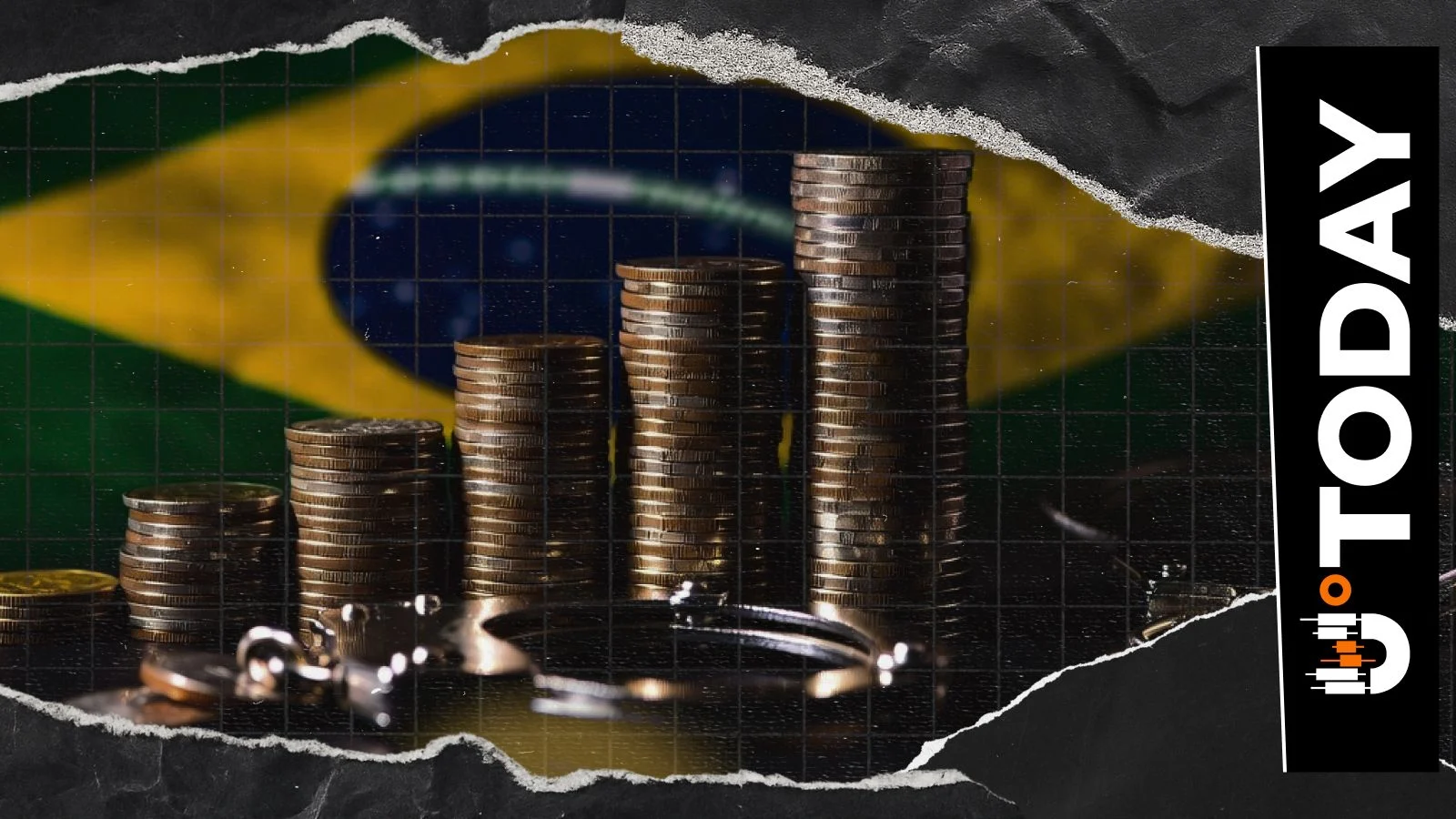
Brazil's new law enabling confiscation of Bitcoin and other cryptocurrencies from criminals represents a significant regulatory development that could impact asset seizure and recovery processes. The legislation aims to prevent criminals from exploiting decentralized networks for illicit financial activities, potentially increasing scrutiny on crypto transactions within Brazil. The provision allowing early liquidation of seized crypto assets into fiat currency before a case concludes could create localized selling pressure if substantial amounts are confiscated. While primarily focused on combating crime, this regulatory action signals an evolving approach to digital asset management by a major economy, which could influence other jurisdictions.
A Bitcoin researcher has debunked community fears of a malicious "selfish-mining" attack following a rare two-block reorganization, attributing the event to standard network latency and Bitcoin Core commands. The analysis indicates that the observed block reorg was not a coordinated attack, as the economic incentives for such an action during a low-fee period were negligible, and Foundry USA's on-chain behavior did not align with theoretical selfish-mining strategies. This clarification removes a potential FUD catalyst, suggesting that the Bitcoin network's integrity remains robust and that such anomalies are explainable by normal operational factors rather than malicious intent.

Dogecoin has retraced 23% year-to-date, reaching a critical support level between $0.07 and $0.08, which has historically preceded significant rallies. The broader crypto market is under pressure from rising U.S. Treasury yields and a stronger dollar, leading to substantial liquidations, primarily of long positions. Despite recent declines, derivatives data suggests a potential for a short squeeze, as funding rates are at their most negative since June 2023.

The partnership between Better Home & Finance and Coinbase introduces a novel way for homebuyers to leverage Bitcoin and USDC as collateral for down payment loans, potentially increasing demand for these assets by linking them to traditional real estate finance. This development signifies a growing integration of digital assets into mainstream financial services, offering a solution for individuals holding crypto wealth but lacking immediate liquidity for home purchases, thereby expanding the addressable market for both crypto and real estate. While the product aims to avoid liquidation triggers based solely on market volatility, the reliance on Fannie Mae guidelines and the inherent risks of collateralized loans in a fluctuating market present potential challenges and regulatory scrutiny. The initiative could serve as a blueprint for future TradFi integrations, with plans to expand eligible collateral to tokenized equities and fixed income, signaling a broader trend towards bridging on-chain and off-chain asset classes.

Bitcoin's price is experiencing downward pressure, trading near three-week lows, as geopolitical tensions surrounding oil supply and potential US inflation risks create broader market instability. The current macro environment, characterized by rising oil prices and concerns over unsustainable US inflation, is leading to a risk-off sentiment in financial markets, impacting Bitcoin's correlation with traditional risk assets. Technical analysis suggests a bearish short-term outlook for Bitcoin, with key support levels at $65.6K and resistance at $70K, indicating potential for further downside if these levels are not reclaimed. The Federal Reserve's dilemma of a weakening labor market versus rising inflation expectations is creating uncertainty, potentially leading to a prolonged period of interest rate pauses or even hikes, which could negatively affect risk assets like Bitcoin.
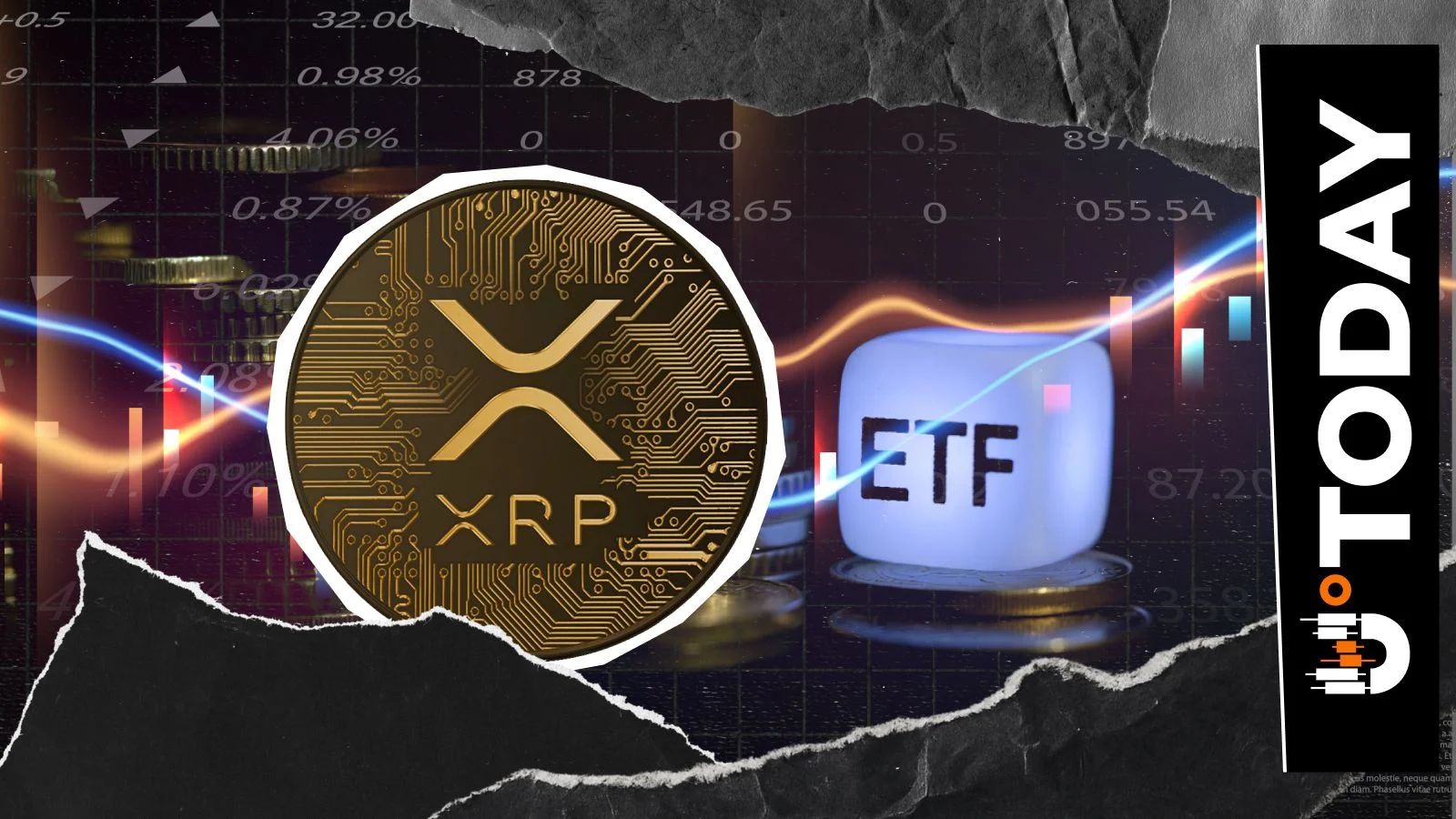
XRP ETFs are experiencing a significant decline in demand, with March potentially marking the first negative monthly net flow since their launch, indicating a shift in investor sentiment following initial hype. The underperformance of XRP ETFs coincides with a price drop below $1.40 and a broader crypto market downturn, suggesting that ETF flows are highly sensitive to underlying asset performance and overall market conditions. Despite recent outflows, cumulative inflows since launch remain substantial at $1.21 billion, suggesting that while short-term sentiment is bearish, longer-term holding positions may still be intact, warranting a 'watchlist' approach. The article suggests that a price recovery for XRP could reignite demand for its ETFs, implying that the current negative trend may be temporary and contingent on broader market and XRP-specific price action.
Bitcoin's active addresses have declined over 30% from 2025 highs, indicating a sustained cooling of user participation rather than short-term volatility. The drop in network activity correlates with Bitcoin's price weakness, suggesting lower capital rotation and organic demand, which could hinder a price rebound without renewed user engagement. A resurgence in Bitcoin's network participation is identified as a key factor that could drive a strong price recovery, highlighting the importance of on-chain activity as a leading indicator.
Tron's integration with Anchorage Digital, a federally chartered U.S. crypto bank, provides institutional investors with a regulated pathway to access the network, potentially increasing demand and utility for TRX. The combination of institutional custody support and Tron's existing high transaction volume, particularly with USDT stablecoin flows, positions the network for significant growth in real-world blockchain usage and financial settlement. The announcement of a $1 billion TRON AI Fund signals a strategic push into the agentic economy, aiming to leverage the network's low-cost, predictable execution for automated financial flows, which could drive future adoption and innovation. TRX price is exhibiting a bullish reversal pattern with a potential breakout nearing the $0.3200 resistance level, supported by fundamental developments in institutional adoption and AI integration, suggesting near-term upside potential.
Signal context only. Validate with price action, liquidity, and risk limits before taking a position.
