
Navigating Crypto News

CoinFeather
Navigating Crypto News
Source, catalyst, and sector overlap from the latest feed.
Litecoin is currently testing a critical support zone between $50 and $60, a level that has historically shown strong buyer interest and led to significant bounces. The current price action suggests a potential for a rally towards $100 if the $50-$60 support holds, with further upside targets at $150 and $200+ if bullish momentum builds. Failure to maintain support above the $50-$60 range would invalidate the bullish setup and could lead to a deeper correction phase for LTC.
Rising U.S. Treasury yields and a strengthening dollar are pressuring risk assets like Bitcoin, as investors seek safer returns amid geopolitical uncertainty. A significant $15.58 billion in Bitcoin and Ethereum options expiring this week is contributing to increased market volatility and potential price adjustments. Accelerated liquidations totaling $451 million and continued outflows from Bitcoin ETFs indicate weakening institutional demand and a shift towards reduced exposure. The crypto market's sharp decline, marked by Bitcoin falling to a two-week low and a shift to 'extreme fear' sentiment, suggests a near-term bearish outlook driven by macro and technical factors.
Live Feed
Loading the broader stream in the same flow as the homepage feed.

Veteran trader Peter Brandt asserts that Bitcoin adheres to classical charting principles more effectively than many traditional markets, countering skepticism within the crypto community. Brandt's commentary suggests that technical analysis remains a valid tool for Bitcoin, implying that price action can be interpreted through established chart patterns despite the asset's volatility. The article notes Bitcoin's recent price action, trading between $60,000 and $75,000, and mentions significant options expiries, indicating potential near-term volatility influenced by technical levels and derivatives markets.
Metaspins, a crypto casino launched in 2022, offers a broad range of over 5,000 games and a sportsbook, indicating continued growth in the crypto-gambling sector. The platform's focus on a KYC-light experience, fast crypto payouts, and daily rewards like lootboxes suggests a strategy to attract and retain users prioritizing privacy and efficiency in online gaming. While Metaspins supports major cryptocurrencies like BTC and ETH, its lack of direct fiat support and a dedicated mobile app positions it for a niche audience already comfortable with crypto transactions.

Ark Invest's significant divestment from META, NVDA, and its own Bitcoin ETF signals a potential shift in institutional sentiment amidst broader market downturns and geopolitical uncertainty. The sales of Bitcoin ETF shares by a prominent institutional player like Ark Invest, despite previous optimistic forecasts, may indicate a short-term risk-off sentiment impacting crypto assets. The timing of these sales, coinciding with market slides in both tech stocks and Bitcoin, suggests a broader deleveraging strategy by Ark Invest in response to macroeconomic pressures. While Ark Invest reduces its exposure, the underlying reasons for the sales (geopolitical risk, tech stock headwinds) could pressure other institutional holdings and market sentiment.
XRP is demonstrating rare strength against Bitcoin amidst a broader market downturn, potentially driven by anticipation of SEC ETF decisions, suggesting short-term uncorrelated price action is possible. Despite current resilience, XRP faces a significant technical risk of a -63% drawdown against BTC if it fails to hold key support levels, indicating a precarious bullish divergence. The upcoming SEC ETF deadline on March 27 is a key catalyst, with potential liquidity inflows offering temporary support to XRP, but the long-term bearish scenario for the XRP/BTC pair remains intact.
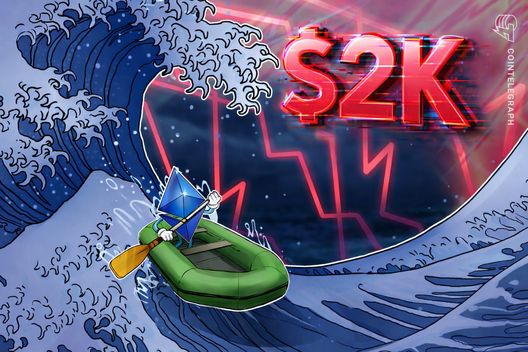
Ether's failure to maintain the $2,000 support level, coupled with declining apparent demand and consistent ETF outflows, signals a bearish short-term outlook with potential downside towards the $1,750-$1,850 range. The significant long liquidations exceeding $111 million indicate a capitulation event, suggesting that further price declines could be exacerbated by forced selling pressure. Persistent negative ETH apparent demand, reaching 16-month lows, combined with ongoing spot ETF outflows, points to a broader institutional risk-off sentiment impacting ETH's immediate price trajectory.
Dogecoin requires significant capital inflows, widespread real-world utility, institutional adoption, and a resurgence of retail mania to reach a $10 price target, implying a substantial gap between current conditions and ambitious valuations. The potential integration of Dogecoin into X Money presents a critical catalyst, as it could directly address the utility requirement and significantly boost demand, though its absence at launch would weaken this narrative. Achieving a $10 Dogecoin price would necessitate a market capitalization rivaling major financial assets, highlighting the extreme speculative nature of such targets and the immense hurdles to overcome.
BlackRock's significant transfer of BTC and ETH to Coinbase, totaling over $180 million, suggests potential sell-offs amid recent ETF outflows, indicating a bearish sentiment for these assets in the short term. The movement of assets to a custodial platform like Coinbase Prime, coupled with BlackRock's leading Bitcoin ETF withdrawals, points to a strategic shift or profit-taking by the asset manager, potentially impacting market liquidity and price action. While the exact purpose remains unconfirmed, the timing of these transfers, coinciding with broader market slowdown and negative investor sentiment towards Bitcoin ETFs, implies a cautious or bearish outlook from a major institutional player.
Major banks are exploring issuing their own stablecoins, indicating a significant shift towards institutional adoption of blockchain payment tools beyond crypto-native use cases. Ripple's strategic focus on regulatory compliance and transparency with its RLUSD stablecoin positions it to capture institutional interest in a maturing stablecoin market. XRP is approaching a critical technical juncture, with key price levels at $1.80 and $2.20 poised to determine its near-term directional trend amidst broader institutional stablecoin developments.
Binance Australia's $6.9M fine highlights significant regulatory failures in client onboarding for high-risk derivatives, impacting investor protection and exchange operational integrity. The penalty underscores the heightened scrutiny on crypto exchanges regarding compliance with financial regulations, potentially leading to increased operational costs and stricter oversight globally. Retail investors lost approximately $6 million due to misclassification and lack of protections, indicating a direct financial consequence of inadequate risk management by the exchange.

The article argues that flawed incentive structures, rather than technology, have historically led to retail investor losses in crypto cycles, suggesting a need for redesigned participation models. A proposed 'savings layer' concept, inspired by traditional prize-linked savings accounts, aims to prioritize capital preservation and reward discipline over speculation to retain retail users. The author posits that crypto's future hinges on a choice between protecting everyday users through better incentive design or continuing to optimize for short-term speculative gains.
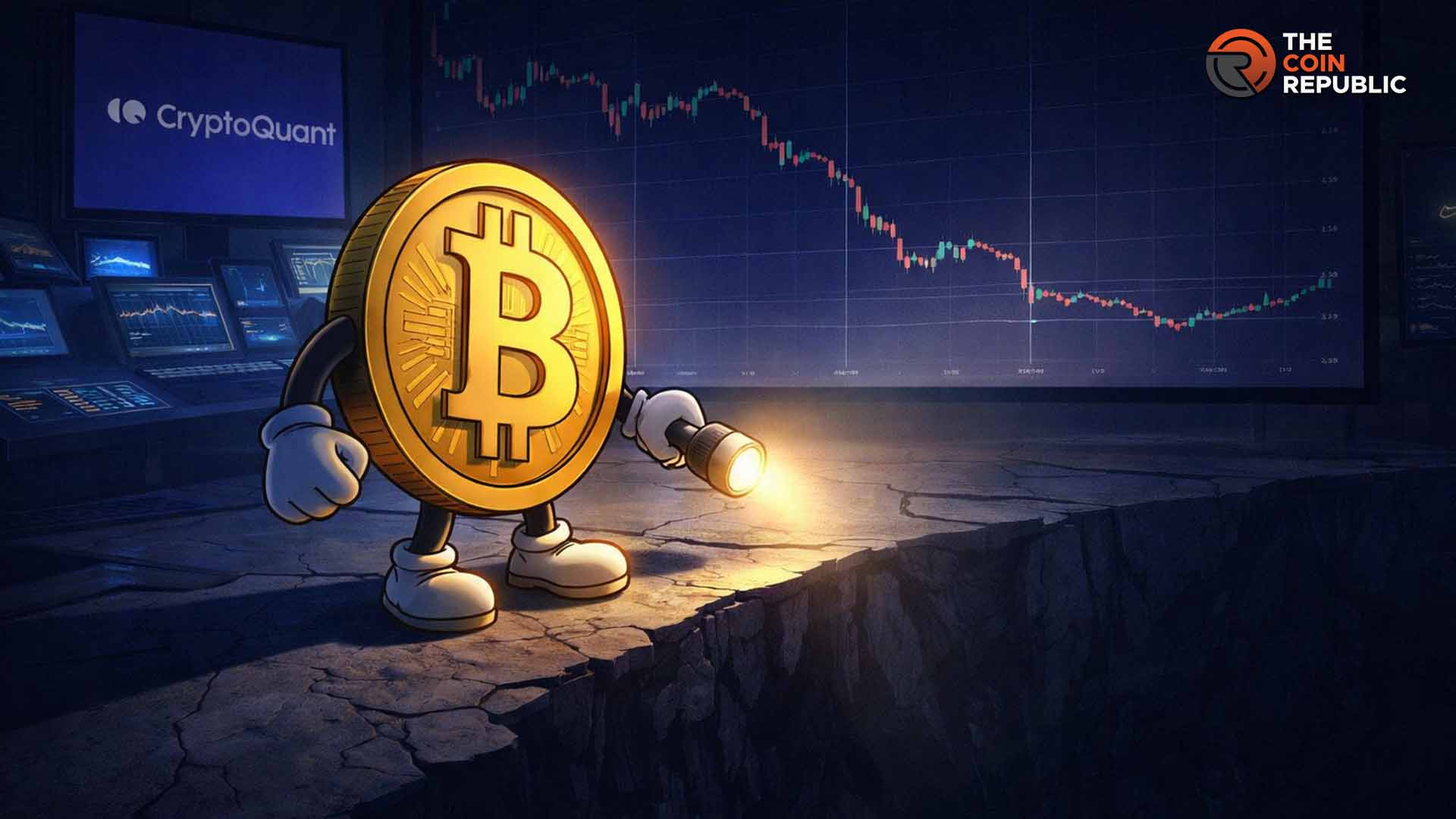
Bitcoin's profitability compression to 60.6% signals a historical 'reset zone', historically preceding accumulation phases and potential upside moves. Reduced selling pressure from ETFs and corporate holders, coupled with lower Binance inflows, indicates a structural shift away from short-term reactive selling. Despite declining network profitability, long-term holders are retaining gains, suggesting a more resilient market structure compared to previous cycles. The current confluence of reduced exchange inflows and historical valuation metrics suggests a moderation in selling pressure, potentially setting the stage for price stabilization or recovery.

Shibarium has experienced a significant, albeit artificial, surge in daily transactions, driven by infrastructure upgrades and re-indexing processes rather than organic user activity. While the reported 1451% increase in transactions highlights technical activity on Shibarium, the underlying economic activity remains low due to automated calls and zero-value transfers. The ongoing infrastructure upgrades and testing of L3 developments on Shibarium suggest potential for future genuine adoption, but current transaction metrics are misleading for assessing user engagement.

Peter Schiff highlights Bitcoin's failure to surpass its 2021 all-time high after 52 months, framing it as an 'anti-record' and questioning its store-of-value narrative. The prolonged price stagnation, especially when contrasted with gold's new highs, suggests a potential loss of momentum for Bitcoin relative to traditional assets, according to Schiff's analysis. Schiff warns of a potential sharp decline to $20,000 if Bitcoin breaks the $60,000 support level, indicating significant downside risk if key technical levels fail. Considering inflation, Schiff argues that Bitcoin's current purchasing power is diminished compared to its 2021 peak, challenging the notion of its value preservation.
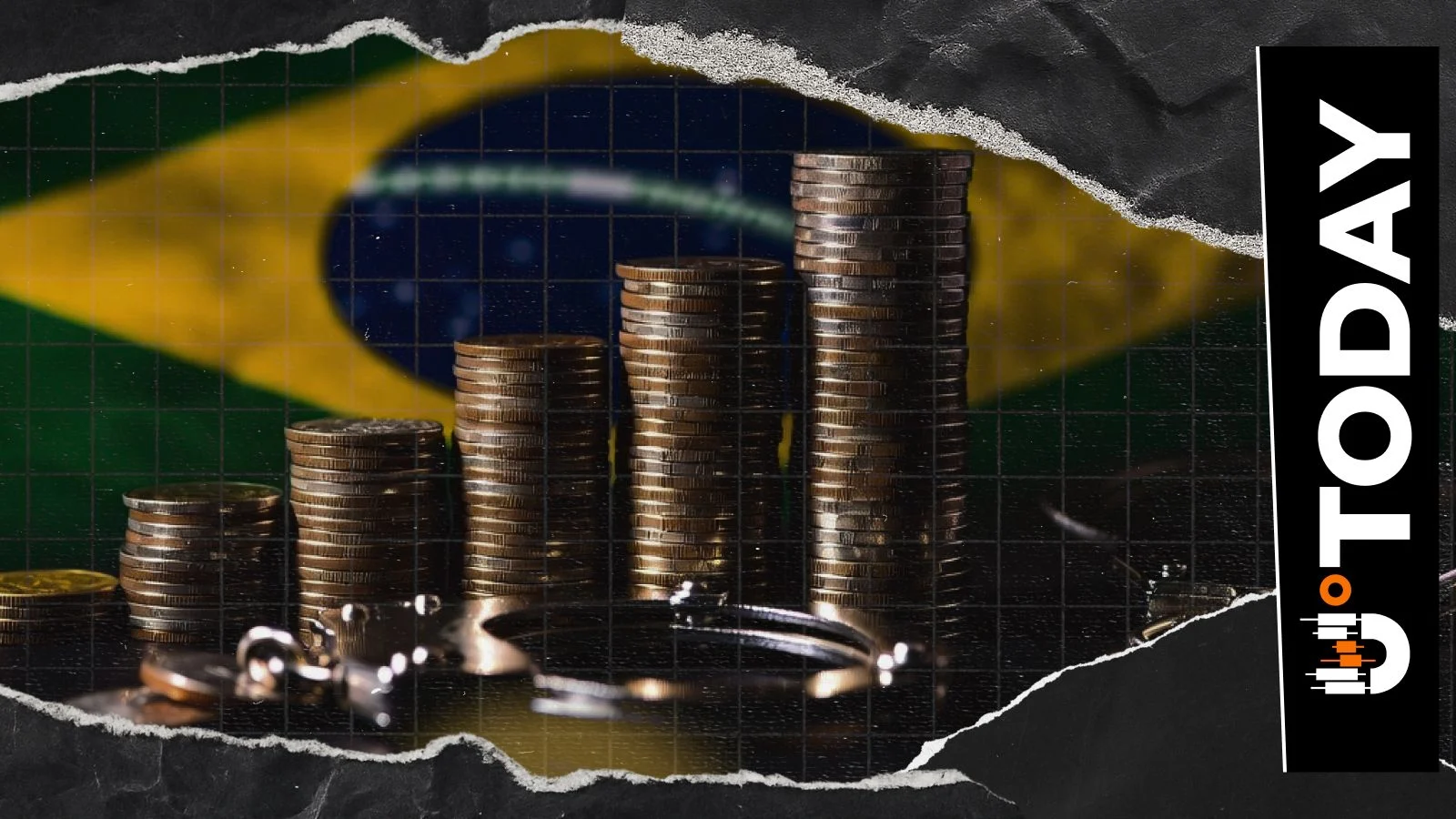
Brazil's new law enabling confiscation of Bitcoin and other cryptocurrencies from criminals represents a significant regulatory development that could impact asset seizure and recovery processes. The legislation aims to prevent criminals from exploiting decentralized networks for illicit financial activities, potentially increasing scrutiny on crypto transactions within Brazil. The provision allowing early liquidation of seized crypto assets into fiat currency before a case concludes could create localized selling pressure if substantial amounts are confiscated. While primarily focused on combating crime, this regulatory action signals an evolving approach to digital asset management by a major economy, which could influence other jurisdictions.
Signal context only. Validate with price action, liquidity, and risk limits before taking a position.
Quick market read from this story
Tron's integration with Anchorage Digital, a federally chartered U.S. crypto bank, provides institutional investors with a regulated pathway to access the network, potentially increasing demand and utility for TRX.
The combination of institutional custody support and Tron's existing high transaction volume, particularly with USDT stablecoin flows, positions the network for significant growth in real-world blockchain usage and financial settlement.
The announcement of a $1 billion TRON AI Fund signals a strategic push into the agentic economy, aiming to leverage the network's low-cost, predictable execution for automated financial flows, which could drive future adoption and innovation.
TRX price is exhibiting a bullish reversal pattern with a potential breakout nearing the $0.3200 resistance level, supported by fundamental developments in institutional adoption and AI integration, suggesting near-term upside potential.
Deep Dive
The TRON (TRX) network is demonstrating significant real-world blockchain usage, underpinned by billions in USDT stablecoin liquidity and a user base of 366 million with 13 billion transactions. This robust utility has positioned TRON for increased regulatory attention and potential institutional engagement.
Anchorage Digital, America's first federally chartered crypto bank, has announced institutional-grade custody and staking support for TRX. This move marks the first time a U.S. federally chartered firm is offering such services for TRON, providing a clearer pathway for institutional investors to interact with the network.
"@Anchorage, home to America’s first federally chartered crypto bank, today announced that it will now support the TRON Network, bringing secure, institutional-grade custody and infrastructure to one of the largest and most widely used networks in crypto."
TRON's ecosystem is heavily integrated with stablecoin settlement flows, particularly USDT, contributing to its substantial transaction volume. Complementing this, a $1 billion TRON AI Fund has been committed to fostering the
