
Navigating Crypto News

CoinFeather
Navigating Crypto News
Quick market read from this story
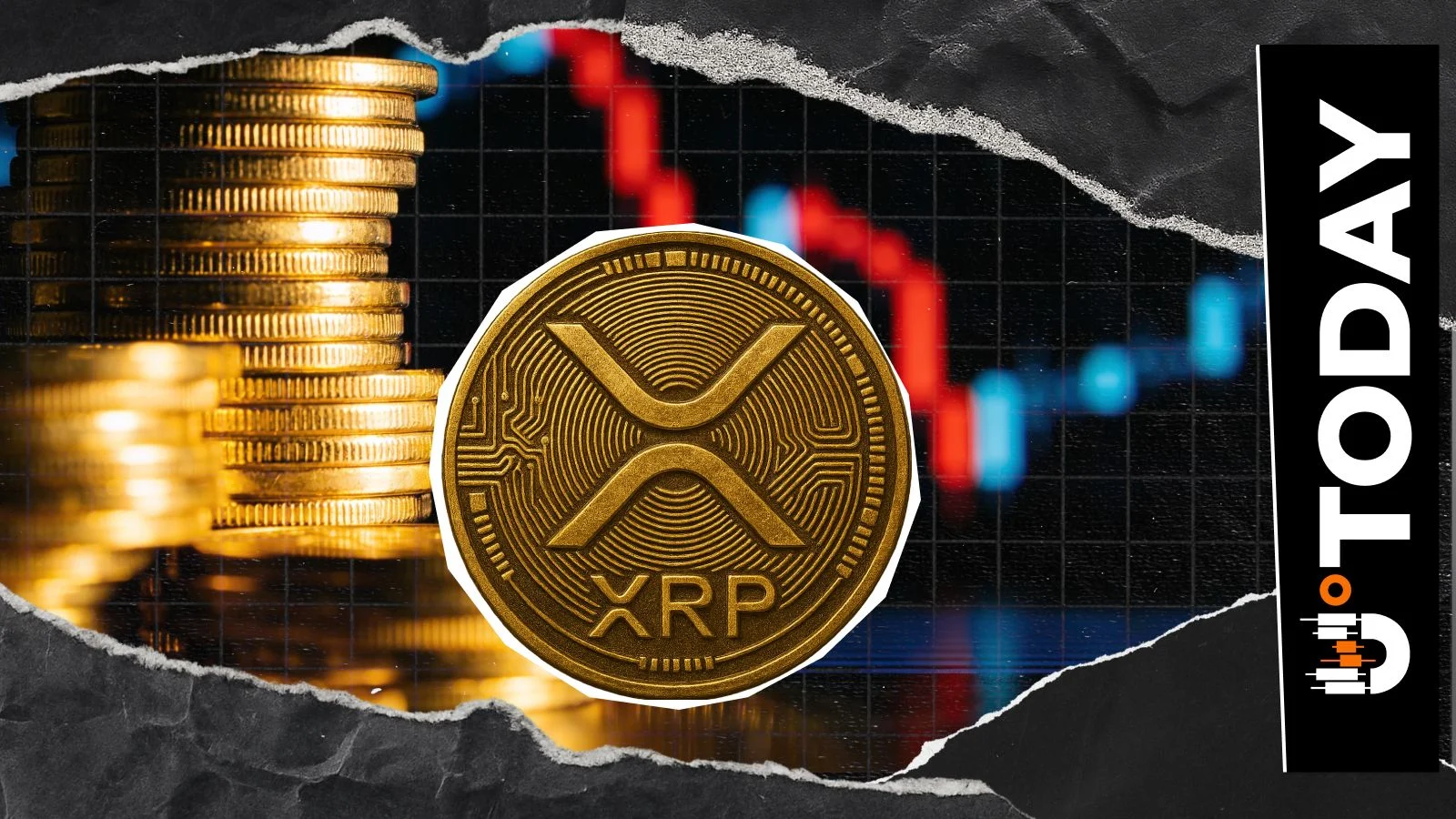
The potential XRP Ledger upgrade, highlighted by Evernorth, introduces a native lending protocol with features like single-asset vaults and confidential transfers, aiming to unlock significant dormant XRP utility.
This development, referred to as the 'final piece of the XRPL stack,' could fundamentally increase XRP's utility and on-chain activity by putting over $100 billion in XRP to work.
While the upgrade focuses on enhancing XRPL's institutional infrastructure and utility, the current market downturn and XRP's price action suggest a neutral immediate trading outlook despite the positive fundamental development.
Deep Dive
The $1 billion XRP treasury company Evernorth has spotlighted the native lending protocol of the XRP Ledger (XRPL), a significant upgrade currently undergoing a voting process. This development, introduced in rippled version 3.1.0, is seen by proponents as a crucial step in enhancing the XRPL's institutional infrastructure.
Evernorth detailed the potential of the XRPL lending protocol, emphasizing its capabilities for single-asset vaults, term lending with automated repayments, and confidential transfers utilizing zero-knowledge proofs. The company stated that this represents "On-chain institutional infrastructure built at the protocol level." Enthusiasts, such as "Bank XRP," have referred to this lending protocol as the "final piece of the XRPL stack," suggesting it will unlock significant utility for the network.
The new protocol, referred to as XLS-66, is expected to put over $100 billion in dormant XRP to work, utilizing native security without the need for wrapping or bridging. Evernorth plans to leverage XLS-66, having previously called for rigorous testing of the amendment. In parallel, Ripple is reportedly adopting a more proactive, AI-driven approach to XRPL security, including AI-assisted testing, a dedicated red team, and higher evaluation standards for changes before implementation.
Amidst these developments, the XRP price experienced a decline, trading down 2.6% in the last 24 hours to $1.33. This movement occurred within a broader crypto market sell-off, attributed to rising U.S. Treasury yields and a stronger dollar impacting risk assets. The market downturn led to significant liquidations, with $514 million in total liquidations, primarily from long positions. XRP's trading volume saw an increase of 42.94% during this period, reaching $2.59 billion.
Source, catalyst, and sector overlap from the latest feed.
Ripple's strategic acquisitions totaling $2 billion are positioning XRP as a central pillar for global finance, suggesting a strong focus on utility driving ecosystem growth. The company's CEO highlights a "ChatGPT moment" for crypto driven by regulatory clarity, indicating potential for increased institutional capital inflow into assets like XRP and stablecoins. Ripple's business growth is explicitly linked to XRP's utility, with real-world adoption examples like real estate tokenization on the XRP Ledger reinforcing this connection. The anticipation of the Clarity Act and the recognition of digital assets as commodities by the SEC/CFTC signal a more favorable regulatory environment, potentially boosting adoption of Ripple's payment solutions.
Veteran trader Peter Brandt asserts that Bitcoin adheres to classical charting principles more effectively than many traditional markets, countering skepticism within the crypto community. Brandt's commentary suggests that technical analysis remains a valid tool for Bitcoin, implying that price action can be interpreted through established chart patterns despite the asset's volatility. The article notes Bitcoin's recent price action, trading between $60,000 and $75,000, and mentions significant options expiries, indicating potential near-term volatility influenced by technical levels and derivatives markets.
XRP is demonstrating rare strength against Bitcoin amidst a broader market downturn, potentially driven by anticipation of SEC ETF decisions, suggesting short-term uncorrelated price action is possible. Despite current resilience, XRP faces a significant technical risk of a -63% drawdown against BTC if it fails to hold key support levels, indicating a precarious bullish divergence. The upcoming SEC ETF deadline on March 27 is a key catalyst, with potential liquidity inflows offering temporary support to XRP, but the long-term bearish scenario for the XRP/BTC pair remains intact.
BlackRock's significant transfer of BTC and ETH to Coinbase, totaling over $180 million, suggests potential sell-offs amid recent ETF outflows, indicating a bearish sentiment for these assets in the short term. The movement of assets to a custodial platform like Coinbase Prime, coupled with BlackRock's leading Bitcoin ETF withdrawals, points to a strategic shift or profit-taking by the asset manager, potentially impacting market liquidity and price action. While the exact purpose remains unconfirmed, the timing of these transfers, coinciding with broader market slowdown and negative investor sentiment towards Bitcoin ETFs, implies a cautious or bearish outlook from a major institutional player.
Shibarium has experienced a significant, albeit artificial, surge in daily transactions, driven by infrastructure upgrades and re-indexing processes rather than organic user activity. While the reported 1451% increase in transactions highlights technical activity on Shibarium, the underlying economic activity remains low due to automated calls and zero-value transfers. The ongoing infrastructure upgrades and testing of L3 developments on Shibarium suggest potential for future genuine adoption, but current transaction metrics are misleading for assessing user engagement.
Cardano's Foundation approval of the budget framework and Orion Fund signals progress in governance and institutional integration, potentially boosting investor confidence despite ADA's current price weakness. The listing of Midnight's NIGHT token on CoinSpot and its partnership with Monument Bank for tokenizing deposits expands Cardano's ecosystem reach and highlights the growing interest in privacy solutions and RWA integration. ADA is testing a critical support zone between $0.249-$0.259; a failure to hold this level could signal further downside, while a bounce could lead to a test of the $0.547 resistance, indicating a key inflection point for near-term price action.
Despite significant technical advancements and ambitious upgrade cycles for Ethereum, the asset has broken below the $2,000 mark, indicating that market sentiment is currently driven by broader macroeconomic factors rather than on-chain development progress. Low trading volume on major exchanges like Binance suggests a lack of institutional and large investor participation, leading to thinner liquidity and making ETH price action more susceptible to downward pressure from minor sell orders. The failure of recent upgrades, such as Fusaka and Pectra, to translate into positive price action highlights a disconnect between Ethereum's development roadmap and current market demand, suggesting that future price appreciation may depend on a shift in overall risk appetite. While Ethereum's technical roadmap through 2027, including advancements in ZK-EVMs and consensus layer redesigns, promises a more capable network, the current price action indicates that these fundamental improvements are not yet priced in and may require a more favorable macro environment to be recognized.
Bitmine's significant ETH accumulation, totaling over $253 million across multiple wallets, signals strong conviction in Ethereum's long-term value despite recent price dips. The upcoming MAVAN upgrade is positioned to enhance Bitmine's staking rewards, potentially increasing annual revenue by over 47% and reinforcing its role as a major ETH staking provider. Despite substantial ETH purchases and positive developments like the MAVAN upgrade, ETH price has continued to decline, suggesting broader market pressures are outweighing project-specific accumulation news in the short term. The mention of the CLARITY Act passing as a potential catalyst highlights the market's sensitivity to regulatory developments impacting Ethereum's future outlook.
Ripple's deployment of AI for enhanced XRP Ledger security, including an AI-assisted red team, signals a proactive approach to mitigating risks and could bolster investor confidence in the platform's long-term stability. The prioritization of bug fixes over new features in the upcoming XRP Ledger release, coupled with increased security audits, indicates a maturing development cycle focused on foundational integrity, which may appeal to institutional adoption. Despite the security enhancements, XRP's price decline to a two-week low suggests that broader market sentiment and macroeconomic factors are currently overshadowing project-specific developments.
XRP is consolidating around its 200-week EMA, a historically strong support level, indicating a critical juncture that could lead to a significant price move. The $1.35 level is identified as a key pivot; a break above could target $1.74, while failure to hold the 200-week EMA might lead to a retest of support between $0.90-$0.70. Despite short-term price indecision and a weekly loss of 7.4%, XRP exhibits strong social momentum, leading major cryptocurrencies in positive mentions on X, suggesting sustained investor confidence. The current technical setup presents a textbook consolidation pattern, with strong long-term support, active social sentiment, and defined price levels suggesting a potential breakout is imminent.
Umbra's public privacy wallet launch on Solana, powered by Arcium's encrypted compute, signifies a significant advancement in on-chain privacy for retail and institutional users. The integration of compliance tools like viewing keys and geo-blocking within the privacy wallet addresses regulatory concerns, potentially easing adoption for businesses and institutions. The release of an SDK for developers to build native privacy applications on Solana, leveraging Arcium's infrastructure, could foster a new wave of privacy-centric dApps and enhance the Solana ecosystem. While the technology is promising, the actual market impact will depend on user adoption rates and the successful integration of the SDK by other projects, suggesting a 'watchlist' approach for immediate trading.
Bitcoin's drop to a monthly low below $66,000, coinciding with broader market downturns and geopolitical uncertainty, suggests increasing bearish sentiment among traders. The significant liquidation of over $500 million in crypto positions, predominantly long, indicates a sharp deleveraging event driven by the price decline. Major crypto-related stocks like MicroStrategy (MSTR) and BitMine Immersion Technologies (BMNR) hitting monthly lows alongside Bitcoin highlights the correlated risk between digital assets and their publicly traded counterparts. The shift in sentiment on prediction markets, with a 64% chance now favoring a drop to $55,000 over an increase to $84,000, signals a potential continuation of the downward trend in the short term.
XRP's sustained positive sentiment on X, driven by its real-world utility in cross-border payments and AI-enhanced security on the XRP Ledger, suggests growing investor confidence beyond speculative hype. The mention of XRP in U.S. congressional hearings regarding payment readiness indicates increasing regulatory and policy attention, potentially signaling a more favorable or at least recognized environment for its adoption. Analysts observing an organic accumulation phase for XRP, without leverage, implies that sophisticated investors may be positioning for future price appreciation based on its fundamental strengths and utility.
Ripple's CEO disclosed substantial crypto holdings of $60-70 billion, excluding escrowed XRP, signaling significant financial strength and capacity for further ecosystem development and institutional offerings. The launch of Ripple's RLUSD stablecoin, driven by payments operations and post-SVB concerns, positions the company to capture institutional demand for compliant stable assets, potentially impacting the stablecoin market dynamics. Garlinghouse's commentary on market consolidation and regulatory clarity, referencing the GENIUS Act and SEC/CFTC alignment, suggests a maturing stablecoin landscape where established players like Ripple are poised to benefit from increased institutional adoption.
Live Feed
Loading the broader stream in the same flow as the homepage feed.
Shiba Inu's price is showing early recovery signs driven by increased whale accumulation and a growing holder base, suggesting a potential shift from its prolonged downtrend. Technical indicators and on-chain data, including rising holder numbers and declining exchange balances, support a bullish outlook, hinting at reduced selling pressure and potential price appreciation. Significant whale accumulation of SHIB tokens, coupled with ongoing token burns and a high percentage of long-term holders, indicates strong conviction and could fuel a near-term price breakout.
The SEC's ruling on 91 ETF applications, including those for XRP, SOL, LTC, and DOGE, signals a potential expansion of institutional access, which could drive capital towards projects with established products and verified presales. Pepeto is positioned as a key beneficiary of increased institutional interest, with its upcoming Binance listing and projected 100x-300x returns, aiming to capture retail investors seeking significant gains beyond percentage-based returns. While DOGE and LINK are mentioned as potentially benefiting from broader market trends and infrastructure, the article emphasizes Pepeto's presale as the primary opportunity for substantial, multi-fold returns, contrasting it with the more modest gains expected from established assets.

California's executive order banning public officials from using insider information on prediction markets signals increased regulatory scrutiny on novel financial platforms. The move, mirroring federal legislative efforts, suggests a growing trend of applying traditional insider trading rules to emerging digital asset markets, potentially impacting platforms like Polymarket and Kalshi. While the order directly targets public officials, it highlights broader concerns about market integrity and the potential for exploitation in prediction markets, which could lead to further platform-level changes or regulatory actions.

David Sacks leaves office with wins for crypto infrastructure, while Bitcoin holders are still waiting David Sacks is out of the formal White House crypto czar role after exhausting the 130-day limit attached to his special government employee status. The change closes the clearest window for a scorecard. The record is substantial, yet it falls […] The post White House crypto czar leaves office after securing crypto wins for banks and institutions instead of Bitcoin appeared first on CryptoSlate.

Mastercard's $1.8 billion acquisition of BVNK, a stablecoin settlement infrastructure provider, signals a significant shift towards integrating regulated digital asset rails into traditional payments, driven by the high cost and inefficiency of existing correspondent banking systems. The substantial premium paid for BVNK highlights the value placed on its multi-jurisdictional licensing and regulatory compliance, indicating that for legacy finance, regulatory approval is the primary product in the stablecoin infrastructure space, not just the technology itself. This acquisition is poised to significantly impact cross-border payments, particularly remittances to emerging markets, by potentially reducing fees from 6-8% to 1-2% through the elimination of intermediaries, thereby improving financial access for unbanked populations. The move by Mastercard, alongside potential actions from Visa and Stripe's acquisition of Bridge, suggests a race among major payment networks to establish stablecoin settlement strategies, intensifying competition between regulated infrastructure and faster, but potentially fragile, unregulated alternatives.

David Sacks' departure from the crypto czar role creates uncertainty regarding the future of key crypto initiatives like the Clarity Act and Strategic Bitcoin Reserve, potentially causing delays. The transition of David Sacks to a broader tech advisory role at PCAST, alongside prominent tech leaders, signals a potential shift in US technology policy focus away from solely crypto. The absence of a designated crypto czar may lead to a leadership vacuum, impacting the pace and execution of crypto-related policy development within the administration.
Geopolitical tensions and rising oil prices are driving traditional markets to six-month lows, creating a risk-off environment that could spill over into crypto if sustained. The S&P 500 and Nasdaq's prolonged decline, now on track for its fifth consecutive weekly loss, signals a shift from growth focus to risk aversion, impacting investor sentiment across asset classes. Uncertainty surrounding potential escalation in the Middle East and its impact on global energy supply chains is the primary driver of current market volatility, making it difficult to predict a near-term stock market bottom.

Walrus's significant data storage milestone of 450TB, surpassing Arweave, highlights strong adoption and potential for its programmable storage solutions. The platform's strategic focus on AI and on-chain finance, coupled with new product launches like MemWal, positions it to capitalize on emerging market demands for verifiable data and agentic memory. Walrus's growth within the DePIN sector, projected to reach $3.5 trillion by 2028, suggests a substantial market opportunity for decentralized storage infrastructure.

Broader market weakness, driven by macroeconomic concerns and geopolitical uncertainty, is pressuring crypto stocks and Bitcoin, indicating a risk-off sentiment across asset classes. The Nasdaq entering correction territory and the S&P 500 nearing it suggests a significant shift in investor sentiment, impacting high-risk assets like cryptocurrencies and related equities. The pattern of early-week gains followed by late-week declines, observed since the Middle East conflict began, highlights persistent geopolitical risk aversion influencing trading behavior. Despite Bitcoin's recent all-time highs, its significant drawdown alongside traditional assets like gold and silver indicates a correlation with broader market downturns, suggesting a flight to safety.
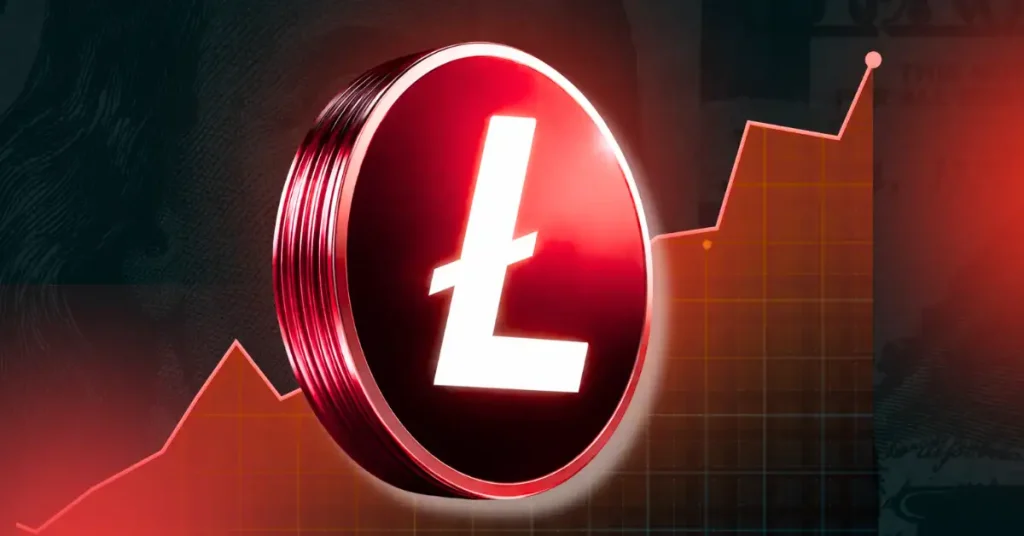
Litecoin is currently testing a critical support zone between $50 and $60, a level that has historically shown strong buyer interest and led to significant bounces. The current price action suggests a potential for a rally towards $100 if the $50-$60 support holds, with further upside targets at $150 and $200+ if bullish momentum builds. Failure to maintain support above the $50-$60 range would invalidate the bullish setup and could lead to a deeper correction phase for LTC.
Metaspins, a crypto casino launched in 2022, offers a broad range of over 5,000 games and a sportsbook, indicating continued growth in the crypto-gambling sector. The platform's focus on a KYC-light experience, fast crypto payouts, and daily rewards like lootboxes suggests a strategy to attract and retain users prioritizing privacy and efficiency in online gaming. While Metaspins supports major cryptocurrencies like BTC and ETH, its lack of direct fiat support and a dedicated mobile app positions it for a niche audience already comfortable with crypto transactions.
Signal context only. Validate with price action, liquidity, and risk limits before taking a position.
