
Navigating Crypto News

CoinFeather
Navigating Crypto News

Quick market read from this story
David Sacks' departure from the crypto czar role creates uncertainty regarding the future of key crypto initiatives like the Clarity Act and Strategic Bitcoin Reserve, potentially causing delays.
The transition of David Sacks to a broader tech advisory role at PCAST, alongside prominent tech leaders, signals a potential shift in US technology policy focus away from solely crypto.
The absence of a designated crypto czar may lead to a leadership vacuum, impacting the pace and execution of crypto-related policy development within the administration.
Deep Dive
David Sacks has concluded his tenure as the White House's AI and crypto czar, stepping into a more expansive role as co-chair of the President’s Council of Advisors on Science and Technology (PCAST). This transition signifies a broader focus on US technology policy beyond his previous specialized responsibilities.
In his new capacity, Sacks will advise on a wider array of critical technology issues, moving from a direct policy-shaping role as crypto czar to an advisory function within PCAST. This council, an established federal advisory group, provides recommendations to the president on science, technology, and innovation.
Sacks confirmed the end of his 130-day stint as a special government employee. He will now collaborate with senior White House technology adviser Michael Kratsios. Sacks stated that his new position as PCAST co-chair will enable him to offer recommendations on an expanded range of technology topics, not limited to AI.
The PCAST council is set to include significant figures from the tech industry. Its initial 15 members include leaders such as Nvidia's Jensen Huang, Meta's Mark Zuckerberg, Oracle's Larry Ellison, Google's Sergey Brin, Marc Andreessen, AMD's Lisa Su, and Michael Dell. The council's agenda will concentrate on areas like AI, advanced semiconductors, quantum computing, and nuclear power.
A key immediate focus for the council will be advancing the Trump administration's new national AI framework, intended to streamline the current landscape of state-level regulations.
With David Sacks' departure from the crypto czar position, the future of this specific role remains uncertain. It is unclear whether the White House will appoint a successor. This leadership gap raises concerns about potential delays for ongoing key initiatives, such as the Clarity Act and the Strategic Bitcoin Reserve, as reported by Fox Business journalist Eleanor Terrett.
It is currently unknown if Sacks will continue to influence these crypto-related projects from his new position within PCAST.
Source, catalyst, and sector overlap from the latest feed.
Bitcoin's profitability compression to 60.6% signals a historical 'reset zone', historically preceding accumulation phases and potential upside moves. Reduced selling pressure from ETFs and corporate holders, coupled with lower Binance inflows, indicates a structural shift away from short-term reactive selling. Despite declining network profitability, long-term holders are retaining gains, suggesting a more resilient market structure compared to previous cycles. The current confluence of reduced exchange inflows and historical valuation metrics suggests a moderation in selling pressure, potentially setting the stage for price stabilization or recovery.
The shift in Bitcoin treasury rankings, with Twenty One Capital surpassing Marathon Digital, highlights the increasing financial pressure on crypto mining firms and the potential unsustainability of debt-driven accumulation strategies. Marathon Digital's significant Bitcoin selloff to service debt underscores the vulnerability of leveraged treasury models to tightening liquidity conditions and declining equity performance. The repositioning of major Bitcoin holders signals a potential shake-up in the corporate treasury landscape, favoring firms with more conservative, long-term collateral-based strategies over speculative allocation.
Proposed legislation like the PREDICT Act and STOP Corrupt Bets Act signals increased regulatory scrutiny on prediction markets, potentially impacting platforms and their user base by restricting participation and betting on sensitive events. The focus on banning government officials and their families from political betting highlights concerns about insider trading and the potential for misuse of privileged information, which could lead to stricter compliance measures for prediction market operators. While the direct impact on major cryptocurrencies like BTC or ETH is minimal, these regulatory actions could set a precedent for how decentralized prediction markets are treated, potentially affecting the broader 'DeFi' or 'Exchange' sectors if similar concerns extend to other platforms.
The UK's ban on crypto donations to political parties, coupled with a £100,000 cap on overseas donations, signals a heightened regulatory scrutiny on digital asset usage in political financing. This regulatory tightening, alongside expanded crypto tax reporting rules aligned with the OECD's CARF, indicates a broader trend towards increased transparency and control over crypto assets within the UK. While not directly impacting trading of specific assets, these regulatory moves by a major economy like the UK could influence investor sentiment and prompt similar actions in other jurisdictions, creating a watch-and-wait environment.
Bitmine's significant ETH accumulation, totaling over $253 million across multiple wallets, signals strong conviction in Ethereum's long-term value despite recent price dips. The upcoming MAVAN upgrade is positioned to enhance Bitmine's staking rewards, potentially increasing annual revenue by over 47% and reinforcing its role as a major ETH staking provider. Despite substantial ETH purchases and positive developments like the MAVAN upgrade, ETH price has continued to decline, suggesting broader market pressures are outweighing project-specific accumulation news in the short term. The mention of the CLARITY Act passing as a potential catalyst highlights the market's sensitivity to regulatory developments impacting Ethereum's future outlook.
XRP's sustained positive sentiment on X, driven by its real-world utility in cross-border payments and AI-enhanced security on the XRP Ledger, suggests growing investor confidence beyond speculative hype. The mention of XRP in U.S. congressional hearings regarding payment readiness indicates increasing regulatory and policy attention, potentially signaling a more favorable or at least recognized environment for its adoption. Analysts observing an organic accumulation phase for XRP, without leverage, implies that sophisticated investors may be positioning for future price appreciation based on its fundamental strengths and utility.
Walrus's significant data storage milestone of 450TB, surpassing Arweave, highlights strong adoption and potential for its programmable storage solutions. The platform's strategic focus on AI and on-chain finance, coupled with new product launches like MemWal, positions it to capitalize on emerging market demands for verifiable data and agentic memory. Walrus's growth within the DePIN sector, projected to reach $3.5 trillion by 2028, suggests a substantial market opportunity for decentralized storage infrastructure.
Tron's integration with Anchorage Digital, a federally chartered U.S. crypto bank, provides institutional investors with a regulated pathway to access the network, potentially increasing demand and utility for TRX. The combination of institutional custody support and Tron's existing high transaction volume, particularly with USDT stablecoin flows, positions the network for significant growth in real-world blockchain usage and financial settlement. The announcement of a $1 billion TRON AI Fund signals a strategic push into the agentic economy, aiming to leverage the network's low-cost, predictable execution for automated financial flows, which could drive future adoption and innovation. TRX price is exhibiting a bullish reversal pattern with a potential breakout nearing the $0.3200 resistance level, supported by fundamental developments in institutional adoption and AI integration, suggesting near-term upside potential.
A leak detailing Anthropic's advanced 'Claude Mythos' AI model, capable of identifying software vulnerabilities, has triggered a sharp sell-off in tech-software stocks and impacted Bitcoin's price, suggesting a heightened cybersecurity risk perception. The potential for advanced AI to accelerate cyber threats could lead to increased demand for cybersecurity solutions, potentially benefiting related infrastructure and AI development sectors. The market reaction, with the IGV ETF down and BTC falling below $66,000, indicates that even indirect AI developments can have a tangible, near-term impact on broader crypto and tech markets.
The article outlines a strategic $1 million investment portfolio for 2026, emphasizing global diversification and positioning for structural trends like AI and interest rate shifts. A balanced portfolio allocation is proposed, with 40% in global equities, 20% in fixed income, 15% in alternatives, 10% in real estate, 10% in commodities, and 5% in cash, reflecting modern asset allocation principles. Key growth drivers identified include AI and infrastructure, while commodities like gold are highlighted as defensive assets and hedges against geopolitical and monetary risks. The strategy advocates for a core-satellite or three-bucket approach, stressing the importance of balancing growth, stability, and opportunistic assets to navigate market complexities.
Live Feed
Loading the broader stream in the same flow as the homepage feed.

Intercontinental Exchange's final $600 million investment in Polymarket, totaling $1.6 billion, solidifies its commitment despite a competitive fundraising landscape and increasing regulatory headwinds. The substantial investment by ICE into Polymarket highlights institutional confidence in prediction markets, yet the sector faces significant regulatory pressure from potential insider trading bans. Polymarket's funding round, while significant, is overshadowed by rival Kalshi's larger valuation and fundraising, indicating a competitive dynamic within the prediction market space. The ongoing regulatory scrutiny, including proposed bans on insider trading and executive orders, poses a material risk to the operational and growth trajectory of prediction market platforms like Polymarket.
Dogecoin faces significant selling pressure, with over $448 million in crypto liquidations impacting long positions, suggesting a vulnerable market sentiment. The $0.08 support level is critical for DOGE, as historical price action indicates this zone has previously halted declines and preceded significant rallies. Macroeconomic headwinds, including rising U.S. Treasury yields and a stronger dollar, are pressuring risk assets like Dogecoin, contributing to its year-to-date losses. A breakdown below the $0.08 support could lead to further downside towards $0.07, while holding this level may preserve the potential for a recovery pattern.
XRP is consolidating around its 200-week EMA, a historically strong support level, indicating a critical juncture that could lead to a significant price move. The $1.35 level is identified as a key pivot; a break above could target $1.74, while failure to hold the 200-week EMA might lead to a retest of support between $0.90-$0.70. Despite short-term price indecision and a weekly loss of 7.4%, XRP exhibits strong social momentum, leading major cryptocurrencies in positive mentions on X, suggesting sustained investor confidence. The current technical setup presents a textbook consolidation pattern, with strong long-term support, active social sentiment, and defined price levels suggesting a potential breakout is imminent.
Umbra's public privacy wallet launch on Solana, powered by Arcium's encrypted compute, signifies a significant advancement in on-chain privacy for retail and institutional users. The integration of compliance tools like viewing keys and geo-blocking within the privacy wallet addresses regulatory concerns, potentially easing adoption for businesses and institutions. The release of an SDK for developers to build native privacy applications on Solana, leveraging Arcium's infrastructure, could foster a new wave of privacy-centric dApps and enhance the Solana ecosystem. While the technology is promising, the actual market impact will depend on user adoption rates and the successful integration of the SDK by other projects, suggesting a 'watchlist' approach for immediate trading.
Shiba Inu's price is showing early recovery signs driven by increased whale accumulation and a growing holder base, suggesting a potential shift from its prolonged downtrend. Technical indicators and on-chain data, including rising holder numbers and declining exchange balances, support a bullish outlook, hinting at reduced selling pressure and potential price appreciation. Significant whale accumulation of SHIB tokens, coupled with ongoing token burns and a high percentage of long-term holders, indicates strong conviction and could fuel a near-term price breakout.
Bitcoin's drop to a monthly low below $66,000, coinciding with broader market downturns and geopolitical uncertainty, suggests increasing bearish sentiment among traders. The significant liquidation of over $500 million in crypto positions, predominantly long, indicates a sharp deleveraging event driven by the price decline. Major crypto-related stocks like MicroStrategy (MSTR) and BitMine Immersion Technologies (BMNR) hitting monthly lows alongside Bitcoin highlights the correlated risk between digital assets and their publicly traded counterparts. The shift in sentiment on prediction markets, with a 64% chance now favoring a drop to $55,000 over an increase to $84,000, signals a potential continuation of the downward trend in the short term.
The SEC's ruling on 91 ETF applications, including those for XRP, SOL, LTC, and DOGE, signals a potential expansion of institutional access, which could drive capital towards projects with established products and verified presales. Pepeto is positioned as a key beneficiary of increased institutional interest, with its upcoming Binance listing and projected 100x-300x returns, aiming to capture retail investors seeking significant gains beyond percentage-based returns. While DOGE and LINK are mentioned as potentially benefiting from broader market trends and infrastructure, the article emphasizes Pepeto's presale as the primary opportunity for substantial, multi-fold returns, contrasting it with the more modest gains expected from established assets.

Coinbase's aggressive promotion of prediction markets via notifications is drawing user criticism, raising concerns about the exchange's shift towards gambling-like activities. The controversy highlights potential conflicts between user trust in crypto trading and the exchange's monetization strategies, impacting brand perception. Regulatory scrutiny on prediction markets, coupled with user backlash, suggests potential headwinds for Coinbase's partnership with Kalshi and similar ventures.

California's executive order banning public officials from using insider information on prediction markets signals increased regulatory scrutiny on novel financial platforms. The move, mirroring federal legislative efforts, suggests a growing trend of applying traditional insider trading rules to emerging digital asset markets, potentially impacting platforms like Polymarket and Kalshi. While the order directly targets public officials, it highlights broader concerns about market integrity and the potential for exploitation in prediction markets, which could lead to further platform-level changes or regulatory actions.

David Sacks leaves office with wins for crypto infrastructure, while Bitcoin holders are still waiting David Sacks is out of the formal White House crypto czar role after exhausting the 130-day limit attached to his special government employee status. The change closes the clearest window for a scorecard. The record is substantial, yet it falls […] The post White House crypto czar leaves office after securing crypto wins for banks and institutions instead of Bitcoin appeared first on CryptoSlate.
Ripple's CEO disclosed substantial crypto holdings of $60-70 billion, excluding escrowed XRP, signaling significant financial strength and capacity for further ecosystem development and institutional offerings. The launch of Ripple's RLUSD stablecoin, driven by payments operations and post-SVB concerns, positions the company to capture institutional demand for compliant stable assets, potentially impacting the stablecoin market dynamics. Garlinghouse's commentary on market consolidation and regulatory clarity, referencing the GENIUS Act and SEC/CFTC alignment, suggests a maturing stablecoin landscape where established players like Ripple are poised to benefit from increased institutional adoption.

Mastercard's $1.8 billion acquisition of BVNK, a stablecoin settlement infrastructure provider, signals a significant shift towards integrating regulated digital asset rails into traditional payments, driven by the high cost and inefficiency of existing correspondent banking systems. The substantial premium paid for BVNK highlights the value placed on its multi-jurisdictional licensing and regulatory compliance, indicating that for legacy finance, regulatory approval is the primary product in the stablecoin infrastructure space, not just the technology itself. This acquisition is poised to significantly impact cross-border payments, particularly remittances to emerging markets, by potentially reducing fees from 6-8% to 1-2% through the elimination of intermediaries, thereby improving financial access for unbanked populations. The move by Mastercard, alongside potential actions from Visa and Stripe's acquisition of Bridge, suggests a race among major payment networks to establish stablecoin settlement strategies, intensifying competition between regulated infrastructure and faster, but potentially fragile, unregulated alternatives.
Geopolitical tensions and rising oil prices are driving traditional markets to six-month lows, creating a risk-off environment that could spill over into crypto if sustained. The S&P 500 and Nasdaq's prolonged decline, now on track for its fifth consecutive weekly loss, signals a shift from growth focus to risk aversion, impacting investor sentiment across asset classes. Uncertainty surrounding potential escalation in the Middle East and its impact on global energy supply chains is the primary driver of current market volatility, making it difficult to predict a near-term stock market bottom.

Broader market weakness, driven by macroeconomic concerns and geopolitical uncertainty, is pressuring crypto stocks and Bitcoin, indicating a risk-off sentiment across asset classes. The Nasdaq entering correction territory and the S&P 500 nearing it suggests a significant shift in investor sentiment, impacting high-risk assets like cryptocurrencies and related equities. The pattern of early-week gains followed by late-week declines, observed since the Middle East conflict began, highlights persistent geopolitical risk aversion influencing trading behavior. Despite Bitcoin's recent all-time highs, its significant drawdown alongside traditional assets like gold and silver indicates a correlation with broader market downturns, suggesting a flight to safety.
The potential XRP Ledger upgrade, highlighted by Evernorth, introduces a native lending protocol with features like single-asset vaults and confidential transfers, aiming to unlock significant dormant XRP utility. This development, referred to as the 'final piece of the XRPL stack,' could fundamentally increase XRP's utility and on-chain activity by putting over $100 billion in XRP to work. While the upgrade focuses on enhancing XRPL's institutional infrastructure and utility, the current market downturn and XRP's price action suggest a neutral immediate trading outlook despite the positive fundamental development.
Cardano's Foundation approval of the budget framework and Orion Fund signals progress in governance and institutional integration, potentially boosting investor confidence despite ADA's current price weakness. The listing of Midnight's NIGHT token on CoinSpot and its partnership with Monument Bank for tokenizing deposits expands Cardano's ecosystem reach and highlights the growing interest in privacy solutions and RWA integration. ADA is testing a critical support zone between $0.249-$0.259; a failure to hold this level could signal further downside, while a bounce could lead to a test of the $0.547 resistance, indicating a key inflection point for near-term price action.
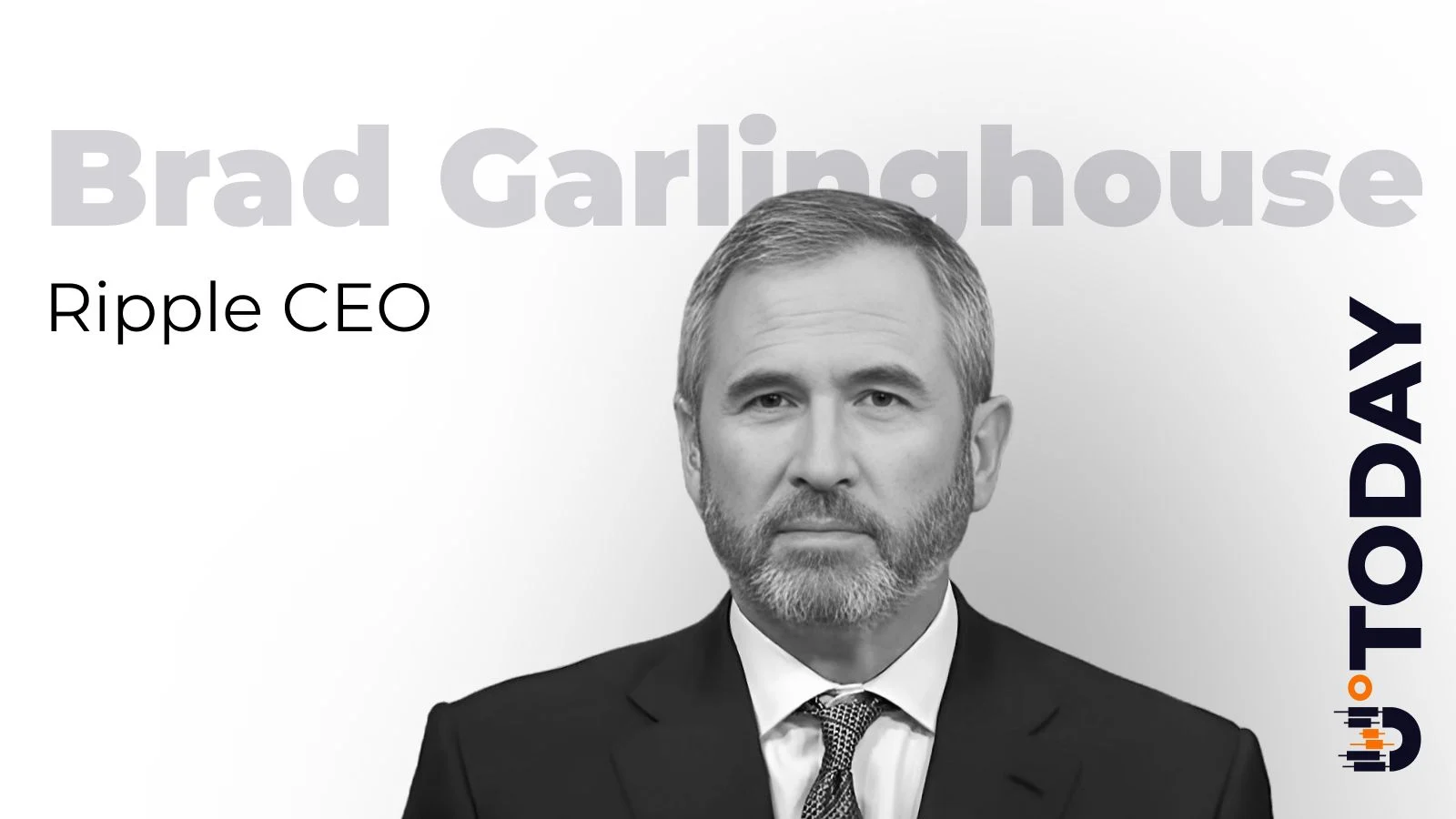
Ripple's strategic acquisitions totaling $2 billion are positioning XRP as a central pillar for global finance, suggesting a strong focus on utility driving ecosystem growth. The company's CEO highlights a "ChatGPT moment" for crypto driven by regulatory clarity, indicating potential for increased institutional capital inflow into assets like XRP and stablecoins. Ripple's business growth is explicitly linked to XRP's utility, with real-world adoption examples like real estate tokenization on the XRP Ledger reinforcing this connection. The anticipation of the Clarity Act and the recognition of digital assets as commodities by the SEC/CFTC signal a more favorable regulatory environment, potentially boosting adoption of Ripple's payment solutions.
Signal context only. Validate with price action, liquidity, and risk limits before taking a position.
