
Navigating Crypto News

CoinFeather
Navigating Crypto News

Quick market read from this story
Analysts suggest Circle's recent share selloff is overdone, as regulatory concerns regarding stablecoin yield prohibitions are unlikely to impact its core revenue model derived from U.S. Treasury investments.
Cathie Wood's Ark Invest buying Circle shares on the dip indicates institutional conviction despite short-term regulatory headwinds, potentially signaling a bottom for the stock.
Despite potential yield restrictions on platforms, the strategic demand for USDC remains intact, suggesting Circle's market position as a compliant stablecoin alternative is secure.
Bernstein reiterates an 'Outperform' rating on Circle and Coinbase, highlighting that yield bans primarily affect distributors, not issuers like Circle, and that Coinbase may adapt to new reward models.
Deep Dive
Circle's stock (CRCL) showed signs of recovery on Wednesday, paring significant losses incurred after developments on Capitol Hill regarding stablecoin regulation. The New York-based stablecoin issuer's shares traded around $102.50, recovering from a sharp 22% weekly decrease. This followed a day of turmoil that also saw rival Tether announce a Big Four audit.
Tuesday's stock decline was linked to proposed changes in market structure legislation, specifically a compromise with the banking industry concerning stablecoin yield. The latest text of the Clarity Act reportedly bars companies like Coinbase from offering deposit-like rewards to USDC holders. This move aims to address concerns raised by community banking organizations about potential outflows.
Simultaneously, Tether announced it was undergoing a full audit with an unnamed Big Four accounting firm. Analysts at Clear Street suggested this could signal a U.S. expansion for Tether's USDT, potentially increasing pressure on Circle's business. However, Clear Street analysts believe the market's reaction to Circle's stock drop was "overdone," stating that while near-term monetization expectations might need adjustment, the strategic demand for USDC remains intact.
In a notable development, Cathie Wood's Ark Invest purchased 161,000 Circle shares on Tuesday across several ETFs, an investment valued at approximately $16.5 million. This "buy the dip" strategy suggests institutional confidence in Circle's long-term prospects.
Clear Street analysts maintained a "Buy" rating for Circle with a price target of $152, highlighting unaffected company tailwinds such as tokenization, AI-native payments, prediction markets, and institutional adoption of regulated payment rails. They pointed out that the Office of the Comptroller of the Currency had already proposed rules against stablecoins offering interest-like payments, indicating that the pressure on a pure pass-through yield model predates recent regulatory headlines.
Analysts emphasized that Circle's positioning as a more compliant alternative to Tether's USDT is a key advantage. They believe that even with improved audit standards from Tether, investors are unlikely to favor USDT over USDC on regulatory grounds.
Bernstein analysts reiterated their "Outperform" ratings for both Circle and Coinbase, setting price targets of $190 for Circle and $440 for Coinbase. They clarified that Circle itself does not pay yield to USDC holders; rather, the yield ban restricts platforms from distributing yield to end-users, not issuers from earning on reserves. This distinction is crucial for understanding Circle's revenue model, which involves investing USDC reserves in U.S. Treasuries.
Bernstein analysts agreed that restrictions on yield are unlikely to impede the adoption of USDC among institutions or crypto-native users. Coinbase CEO Brian Armstrong has previously stated that a ban on deposit-like rewards could even be more profitable for Coinbase, as the company passes most of the revenue from USDC reserves to its users. Despite this, Coinbase's stock has seen a weekly decline of around 10%, with Bernstein predicting the exchange will navigate these changes and transition to a new rewards model.
Source, catalyst, and sector overlap from the latest feed.
The upcoming expiration of $15 billion in Bitcoin options on Deribit, coinciding with a geopolitical deadline, introduces a potential volatility catalyst that traders should monitor for post-settlement price action. Despite the confluence of options expiry and geopolitical timing, implied volatility compression suggests a controlled settlement is anticipated, indicating a lack of immediate market panic. Bitcoin's resilience around the $70,000 level amidst macro uncertainty signals underlying spot demand and holder steadiness, providing a supportive backdrop for potential post-expiry price discovery.
McLaren Racing's entry into the Hedera Council signifies a growing trend of mainstream enterprises leveraging enterprise blockchains for fan engagement and digital asset initiatives. The partnership, which includes the launch of free-to-mint digital collectibles tied to F1 races, aims to onboard new users to Web3, potentially increasing adoption for Hedera and its ecosystem. As a governing member with voting rights, McLaren's involvement suggests a deeper commitment to Hedera's development, which could lead to further integration and innovation within the network.
CoinShares' filing for Bitcoin volatility ETFs introduces novel derivative products, potentially offering new hedging and speculative strategies for traders beyond direct BTC exposure. The introduction of leveraged and inverse volatility ETFs could increase market activity and provide tools for managing risk associated with Bitcoin's price swings. This move by CoinShares, following their acquisition of Valkyrie, signals a strategic expansion into U.S. ETF offerings, leveraging existing infrastructure for new product launches. The potential early June launch date for these ETFs, tracking the CME CF Bitcoin Volatility Index (BVX), presents a near-term catalyst for market participants interested in volatility-based trading.
Franklin Templeton's partnership with Ondo Finance to tokenize ETFs signifies a growing trend of traditional finance integrating with blockchain technology, potentially increasing on-chain asset diversity. The offering of 24/7 trading for tokenized ETFs via Ondo's platform, though restricted to non-U.S. users, highlights a move towards broader accessibility for traditional investment products within digital asset ecosystems. This development, alongside similar initiatives from NYSE and Nasdaq, suggests a maturing market for tokenized securities, potentially driving institutional adoption and creating new avenues for capital flow into crypto-related infrastructure.
Visa's entry as a Super Validator on Canton Network signifies a major endorsement of privacy-preserving blockchain infrastructure for institutional finance, potentially accelerating stablecoin adoption and on-chain settlement for regulated entities. The integration highlights Canton Network's growing importance as a hub for major financial players like JPMorgan and DTCC, suggesting a maturing ecosystem for tokenized assets and interbank payments. Visa's strategic move into the institutional blockchain space, building on its existing stablecoin settlement work, indicates a broader trend of traditional finance embracing digital asset infrastructure for enhanced efficiency and new product offerings.
The appointment of key crypto figures like David Sacks and Fred Ehrsam to President Trump's Council of Advisors on Science and Technology signifies a major shift, moving digital assets from the periphery to the core of US tech policy discussions. This inclusion suggests a potential for more favorable regulatory clarity and a reduced adversarial stance from policymakers, which could foster greater innovation and institutional adoption within the crypto space. The convergence of political influence, regulatory openness, and increasing institutional capital, as evidenced by bank exposures to major cryptocurrencies, indicates a maturing crypto market poised for deeper integration into the global financial system.
Coinbase's reported rejection of the latest stablecoin yield compromise signals continued legislative hurdles for U.S. crypto market structure reform. The exchange's stance, despite being described as less severe than previous opposition, indicates that significant disagreements persist, potentially delaying regulatory clarity for stablecoins and related yield products. This development introduces uncertainty for market participants anticipating a finalized stablecoin framework, impacting sentiment around stablecoin issuers and platforms that rely on yield generation.
US lawmakers are broadly agreeing that tokenized securities require the same regulatory oversight as traditional securities, signaling a move towards clearer policy frameworks. The hearing highlighted a consensus on the inevitability of tokenization, despite concerns raised about anonymous wallets and DeFi oversight, suggesting a proactive regulatory approach is likely. Significant industry players like BlackRock and Franklin Templeton are actively building tokenization platforms, indicating strong institutional conviction in this market segment. Concerns regarding potential conflicts of interest due to political figures' family ties to the crypto industry could introduce delays or complexities in the legislative process for tokenized securities.
The appointment of prominent tech and crypto leaders, including Coinbase co-founder Fred Ehrsam, to a US presidential advisory council signals potential future policy influence on digital assets. While the council's formation is a positive signal for crypto's integration into mainstream policy discussions, the lack of progress on market structure legislation in the US Senate indicates continued regulatory uncertainty. The inclusion of figures like Fred Ehrsam suggests a growing recognition of the crypto industry's importance by political bodies, potentially leading to more informed regulatory approaches.
Bernstein analysts suggest the market overreacted to the CLARITY Act's potential impact on Circle, as the legislation primarily targets yield distribution rather than issuer reserve income, implying Circle's core business model remains intact. Despite a recent sell-off, Circle's stock shows resilience, with analysts reiterating a bullish outlook based on accelerating USDC adoption and strong reserve income, suggesting potential for further upside. The CLARITY Act's distinction between yield distribution and issuer income could lead to a recalibration of market sentiment, potentially benefiting stablecoin issuers like Circle whose reserves are invested in traditional assets.
Coinbase's integration with Chainlink to publish exchange data on-chain signifies a crucial step in bridging TradFi and DeFi, potentially enhancing pricing, risk management, and product development within decentralized finance. The availability of Coinbase's order book, spot, and derivatives data on-chain via Chainlink DataLink empowers DeFi developers to build more sophisticated financial instruments and applications, potentially attracting greater institutional interest. This development establishes a new standard for programmable market infrastructure, accelerating the convergence of traditional and decentralized finance by providing institutional-grade data directly to blockchain networks.
Franklin Templeton's partnership with Ondo Finance to launch tokenized ETFs signifies a major TradFi institution actively integrating with blockchain technology, potentially driving significant capital into the RWA sector. The collaboration aims to enhance accessibility, liquidity, and settlement efficiency for ETFs, demonstrating a clear pathway for traditional financial products to leverage decentralized finance infrastructure. While the pilot is launching in select regions, the pending US regulatory approval highlights the ongoing challenges and opportunities in bridging traditional finance with the crypto ecosystem. The ONDO token's price action, despite a reported 4.17% gain, faces scrutiny regarding its direct correlation to the partnership's success, underscoring the speculative nature of RWA-related tokens.
Live Feed
Loading the broader stream in the same flow as the homepage feed.

Bitcoin's post-FOMC meeting performance has evolved from inconsistent reactions to a systematic downside bias, indicating its integration into the broader risk asset complex. This 'sell the Fed' tendency, particularly evident from 2024 through early 2026, suggests traders are increasingly using Fed events as de-risking opportunities, impacting short-term price action. The growing sensitivity to FOMC dates signifies Bitcoin's maturation as a global asset, responding to policy cadence and liquidity expectations within established macro frameworks. Traders should incorporate this recurring post-event weakness into their playbook, recognizing that calendar risk now plays a significant role in Bitcoin's pricing architecture.

Now in testing, the platform aims to enable programmable payments and simplify blockchain adoption for financial institutions.
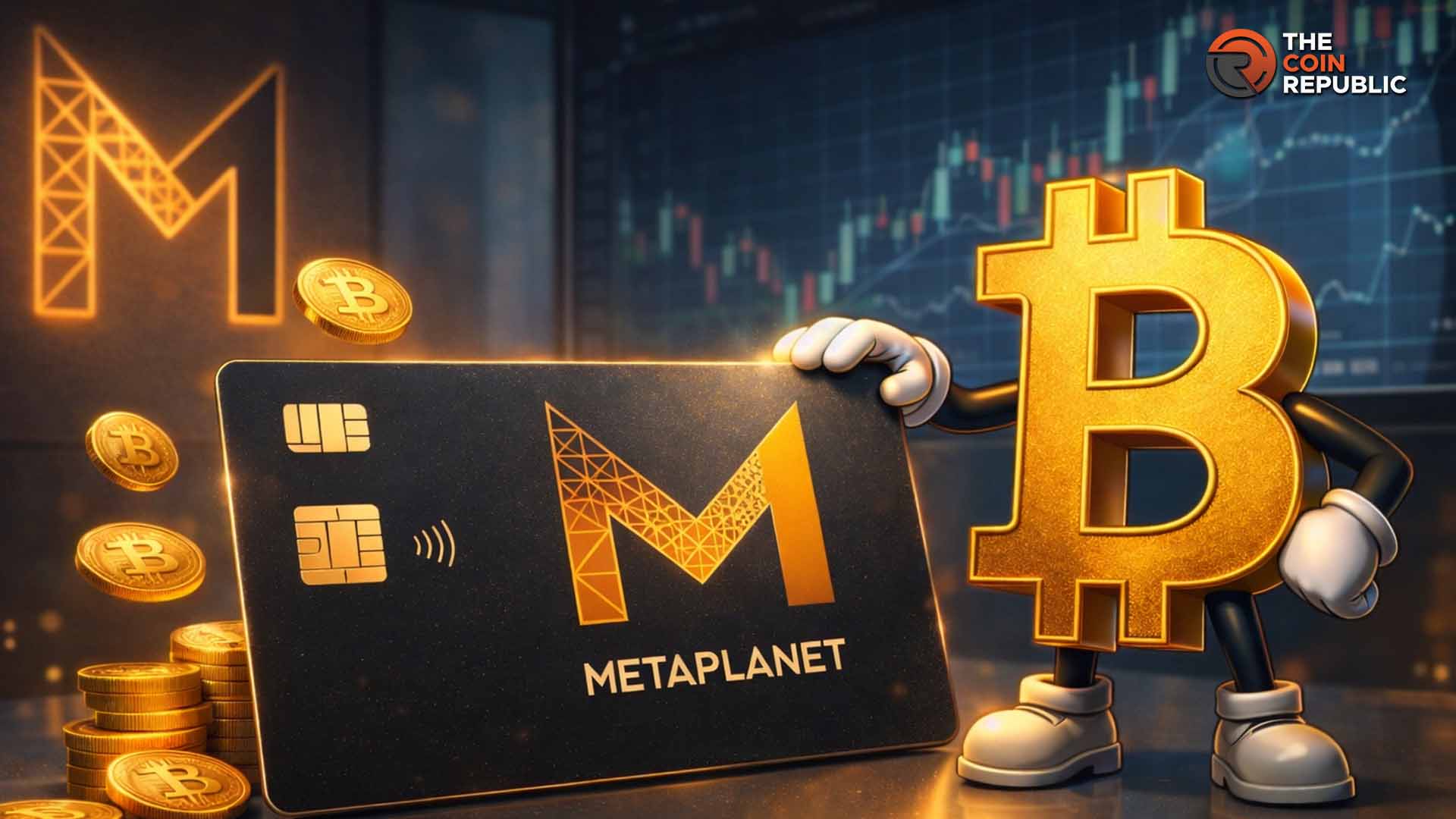
Metaplanet's launch of a Bitcoin rewards card for shareholders signals a strategic move to integrate BTC into everyday spending, potentially driving adoption and rewarding loyal investors. The positive market reaction to Metaplanet's crypto payment initiative, evidenced by stock price uptrends, suggests investor confidence in the company's strategy to leverage Bitcoin for growth. Metaplanet's continued aggressive Bitcoin accumulation, supported by recent funding rounds, positions it as a significant public holder and aligns with broader institutional interest in BTC treasuries. The exclusive offering of the Bitcoin card to shareholders creates a unique incentive structure, potentially attracting new investors interested in tangible Bitcoin-earning benefits tied to stock ownership.
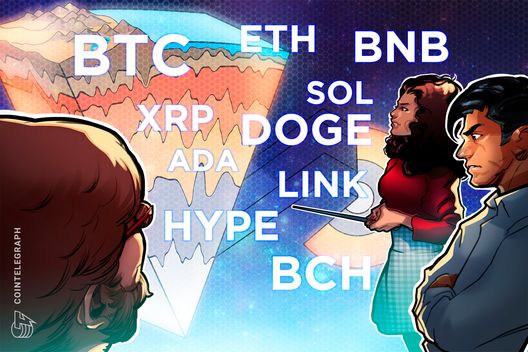
Bitcoin faces critical resistance at $72,000, with a sustained break above this level needed to target $80,000 and beyond. Exchange outflow data suggests ongoing investor accumulation, indicating a belief in Bitcoin's current value despite price consolidation. Several major altcoins like ETH, BNB, XRP, SOL, DOGE, ADA, BCH, and LINK are at key technical junctures, with their next price movements dependent on breaking immediate resistance or support levels. The article provides technical analysis and price predictions for top cryptocurrencies, suggesting a neutral short-term outlook pending decisive price action above key resistance levels.

Crypto prediction markets, while capable of aggregating information, risk incentivizing manipulation and amplifying misinformation by financializing real-world instability. The global reach and low-friction settlement of crypto-based prediction markets create significant social risks, potentially distorting behavior around underlying events rather than merely forecasting them. Bad actors can exploit crypto prediction markets not only through privileged information but also by influencing the information environment, turning market odds into viral narratives that reshape probabilities. Treating all liquid crypto markets as legitimate due to price discovery is a mistake; building rails for speculating on instability is not financial innovation but moral hazard at internet scale.

TRM Labs' integration of AI agents into its forensic tools aims to significantly enhance law enforcement's ability to track illicit crypto activity by simplifying complex blockchain analysis through natural language queries. The introduction of AI assistants addresses the growing challenge of increasing caseloads and the complexity of cross-chain investigations, potentially improving efficiency for regulatory and investigative bodies. With illicit crypto volume reaching $158 billion and AI-enabled fraud surging 500%, this development highlights the escalating arms race between criminals leveraging AI and the tools being developed to counter them.

Bitcoin's current drawdown of 43.26% from its all-time high positions it as a relative strength benchmark, outperforming most non-stablecoins in the market. Only nine non-stable tokens, including LEO, TRON, and Hyperliquid, are currently closer to their all-time highs than Bitcoin, indicating pockets of resilience but highlighting Bitcoin's role as a market baseline. The market is at a critical juncture where the relative performance of these nine tokens against Bitcoin's drawdown will determine if the exception list expands or contracts, signaling broader market health. Traders should monitor the performance spread between Bitcoin and these top-performing altcoins, as shifts in this hierarchy can provide early indicators of market sentiment and potential rotation.

TRON DAO's expansion of its AI fund to $1 billion signals a strategic pivot towards becoming a primary payment layer for the burgeoning agent economy. The network's focus on low-fee, high-frequency transactions positions it as a competitor to slower blockchains like Ethereum for machine-to-machine payments. TRON's investment in agent identity, stablecoin rails, and tokenized RWAs indicates a move towards foundational infrastructure rather than speculative assets. This development highlights a growing trend of blockchains competing to provide the necessary infrastructure for AI-driven financial systems and autonomous agents.
A significant influx of over 350 billion SHIB tokens to exchanges indicates increased selling pressure, suggesting potential downside risk for the token's price in the short term. The sharp 6.23% spike in exchange netflow, following a recent price rally, highlights the typical behavior of meme coin holders locking in profits, which can lead to rapid reversals. Traders should monitor SHIB's price action closely as the substantial exchange inflow suggests that recent upward momentum may be unsustainable and could lead to a price correction.
Solana's network is demonstrating significant utility as a payment rail for AI agents, processing millions of transactions with sub-cent fees, indicating a potential shift towards machine-to-machine commerce infrastructure. The upcoming SIMD-0266 token standard, promising a 95% reduction in token transfer compute costs, directly addresses the scalability needs for high-frequency AI transactions, positioning Solana for future AI-driven network growth. Despite recent price stagnation, Solana's underlying ecosystem shows strength with $337.5 billion in tokenized assets and stable ETF capital, suggesting underlying investor conviction and a robust foundation for future price appreciation. Solana's price action shows early signs of recovery, crossing the 50-day moving average and exhibiting building momentum, with key technical levels at $95 and $102 indicating potential near-term upside if market conditions permit.
Signal context only. Validate with price action, liquidity, and risk limits before taking a position.
