
Navigating Crypto News

CoinFeather
Navigating Crypto News
Quick market read from this story
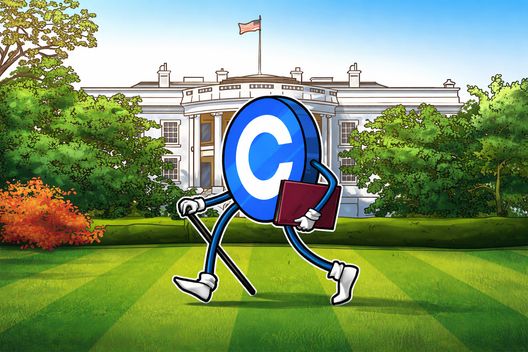
The appointment of prominent tech and crypto leaders, including Coinbase co-founder Fred Ehrsam, to a US presidential advisory council signals potential future policy influence on digital assets.
While the council's formation is a positive signal for crypto's integration into mainstream policy discussions, the lack of progress on market structure legislation in the US Senate indicates continued regulatory uncertainty.
The inclusion of figures like Fred Ehrsam suggests a growing recognition of the crypto industry's importance by political bodies, potentially leading to more informed regulatory approaches.
Source, catalyst, and sector overlap from the latest feed.
Bitmine's launch of the MAVAN platform signifies a growing trend of institutional-grade infrastructure development in Ethereum staking, catering to increasing demand for yield and compliance. The expansion of Bitmine's staking operations to external clients, leveraging its significant ETH holdings, suggests a potential increase in staked ETH and associated rewards, impacting network economics. With backing from major investors and a stated goal to acquire 5% of total ETH supply, Bitmine's move could attract substantial institutional capital into ETH staking, reinforcing its position as a yield-generating asset.
Live Feed
Loading the broader stream in the same flow as the homepage feed.

Crypto prediction markets, while capable of aggregating information, risk incentivizing manipulation and amplifying misinformation by financializing real-world instability. The global reach and low-friction settlement of crypto-based prediction markets create significant social risks, potentially distorting behavior around underlying events rather than merely forecasting them. Bad actors can exploit crypto prediction markets not only through privileged information but also by influencing the information environment, turning market odds into viral narratives that reshape probabilities. Treating all liquid crypto markets as legitimate due to price discovery is a mistake; building rails for speculating on instability is not financial innovation but moral hazard at internet scale.

Bitcoin's current drawdown of 43.26% from its all-time high positions it as a relative strength benchmark, outperforming most non-stablecoins in the market. Only nine non-stable tokens, including LEO, TRON, and Hyperliquid, are currently closer to their all-time highs than Bitcoin, indicating pockets of resilience but highlighting Bitcoin's role as a market baseline. The market is at a critical juncture where the relative performance of these nine tokens against Bitcoin's drawdown will determine if the exception list expands or contracts, signaling broader market health. Traders should monitor the performance spread between Bitcoin and these top-performing altcoins, as shifts in this hierarchy can provide early indicators of market sentiment and potential rotation.
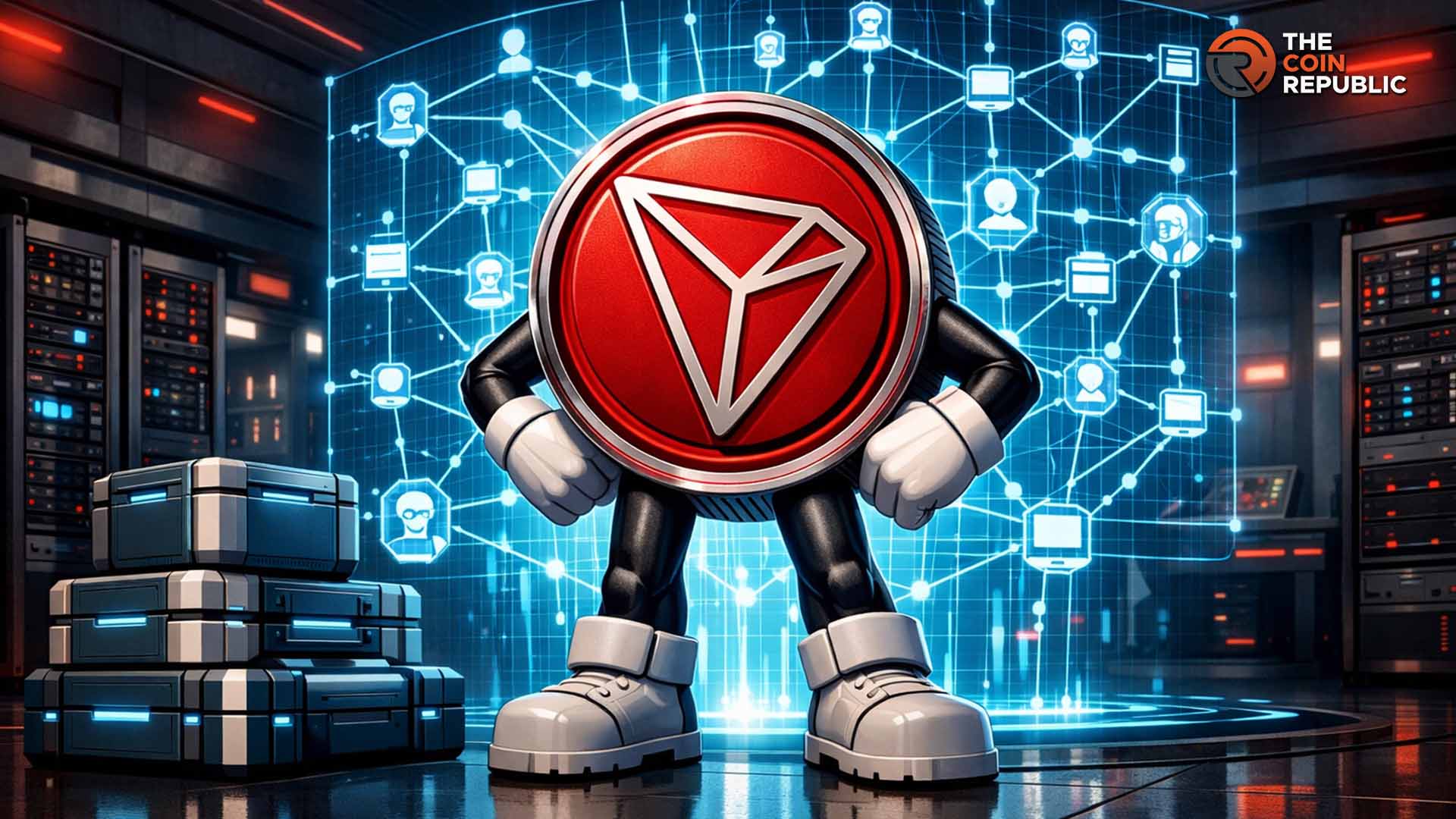
TRON DAO's expansion of its AI fund to $1 billion signals a strategic pivot towards becoming a primary payment layer for the burgeoning agent economy. The network's focus on low-fee, high-frequency transactions positions it as a competitor to slower blockchains like Ethereum for machine-to-machine payments. TRON's investment in agent identity, stablecoin rails, and tokenized RWAs indicates a move towards foundational infrastructure rather than speculative assets. This development highlights a growing trend of blockchains competing to provide the necessary infrastructure for AI-driven financial systems and autonomous agents.

Franklin Templeton's partnership with Ondo Finance to tokenize ETFs signifies a growing trend of traditional finance integrating with blockchain technology, potentially increasing on-chain asset diversity. The offering of 24/7 trading for tokenized ETFs via Ondo's platform, though restricted to non-U.S. users, highlights a move towards broader accessibility for traditional investment products within digital asset ecosystems. This development, alongside similar initiatives from NYSE and Nasdaq, suggests a maturing market for tokenized securities, potentially driving institutional adoption and creating new avenues for capital flow into crypto-related infrastructure.
A significant influx of over 350 billion SHIB tokens to exchanges indicates increased selling pressure, suggesting potential downside risk for the token's price in the short term. The sharp 6.23% spike in exchange netflow, following a recent price rally, highlights the typical behavior of meme coin holders locking in profits, which can lead to rapid reversals. Traders should monitor SHIB's price action closely as the substantial exchange inflow suggests that recent upward momentum may be unsustainable and could lead to a price correction.
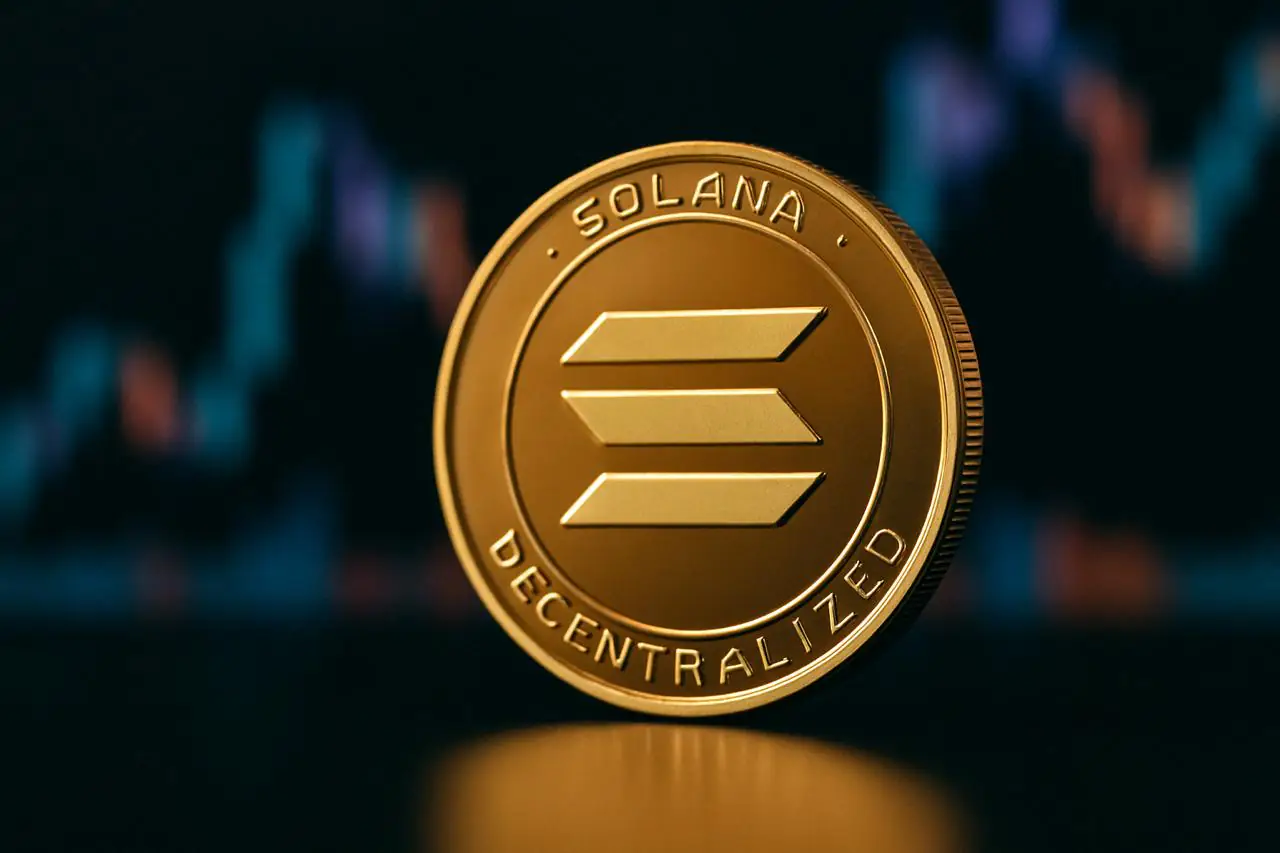
Solana's network is demonstrating significant utility as a payment rail for AI agents, processing millions of transactions with sub-cent fees, indicating a potential shift towards machine-to-machine commerce infrastructure. The upcoming SIMD-0266 token standard, promising a 95% reduction in token transfer compute costs, directly addresses the scalability needs for high-frequency AI transactions, positioning Solana for future AI-driven network growth. Despite recent price stagnation, Solana's underlying ecosystem shows strength with $337.5 billion in tokenized assets and stable ETF capital, suggesting underlying investor conviction and a robust foundation for future price appreciation. Solana's price action shows early signs of recovery, crossing the 50-day moving average and exhibiting building momentum, with key technical levels at $95 and $102 indicating potential near-term upside if market conditions permit.

The increasing partnerships between traditional asset managers like Franklin Templeton and crypto firms such as Ondo Finance signal a significant acceleration in the tokenization of real-world assets, potentially unlocking substantial new capital flows into the digital asset space. Bitpanda's development of a MiCA-compliant Ethereum L2 solution, Vision Chain, indicates a strategic move to capture institutional demand for regulated tokenized asset trading in Europe, highlighting the growing importance of regulatory clarity for market infrastructure. The projected $13.5 trillion market for tokenized assets by 2030 underscores a major competitive landscape shift, where control over trading and access platforms will be as crucial as the assets themselves. Startale Group's substantial $63 million funding round, backed by major players like SBI Group and Sony Innovation Fund, demonstrates continued investor confidence in the underlying infrastructure required for the expansion of tokenized finance.

The post Best Crypto to Invest in as Bitcoin Bounces 5% to $71,000 on Iran Pause and Pepeto Presale Keeps Growing appeared first on Coinpedia Fintech News Bitcoin jumped above $71,000 after Trump postponed strikes on Iran, and the entire crypto market followed with a relief rally that pushed altcoins up 5% across the board. When the market sells off on fear and bounces the moment tension eases, that tells you demand never left. The best crypto to invest in right now …

Easing geopolitical tensions between the US and Iran are reducing inflation fears tied to oil supply disruptions, which could allow for a return of rate-cut expectations and improve liquidity for risk assets like Bitcoin. Bitcoin's recent price action above $70,000 appears driven by macro liquidity conditions and stabilization in broader markets rather than crypto-native catalysts, suggesting its correlation with traditional risk assets remains strong. A sustained de-escalation in the Middle East, leading to lower oil prices and a less hawkish central bank stance, presents a clearer path for Bitcoin to potentially retest and surpass recent highs. The market is sensitive to oil supply dynamics, with any breakdown in diplomatic efforts potentially reversing the positive sentiment and reintroducing stagflationary concerns that would pressure risk assets.
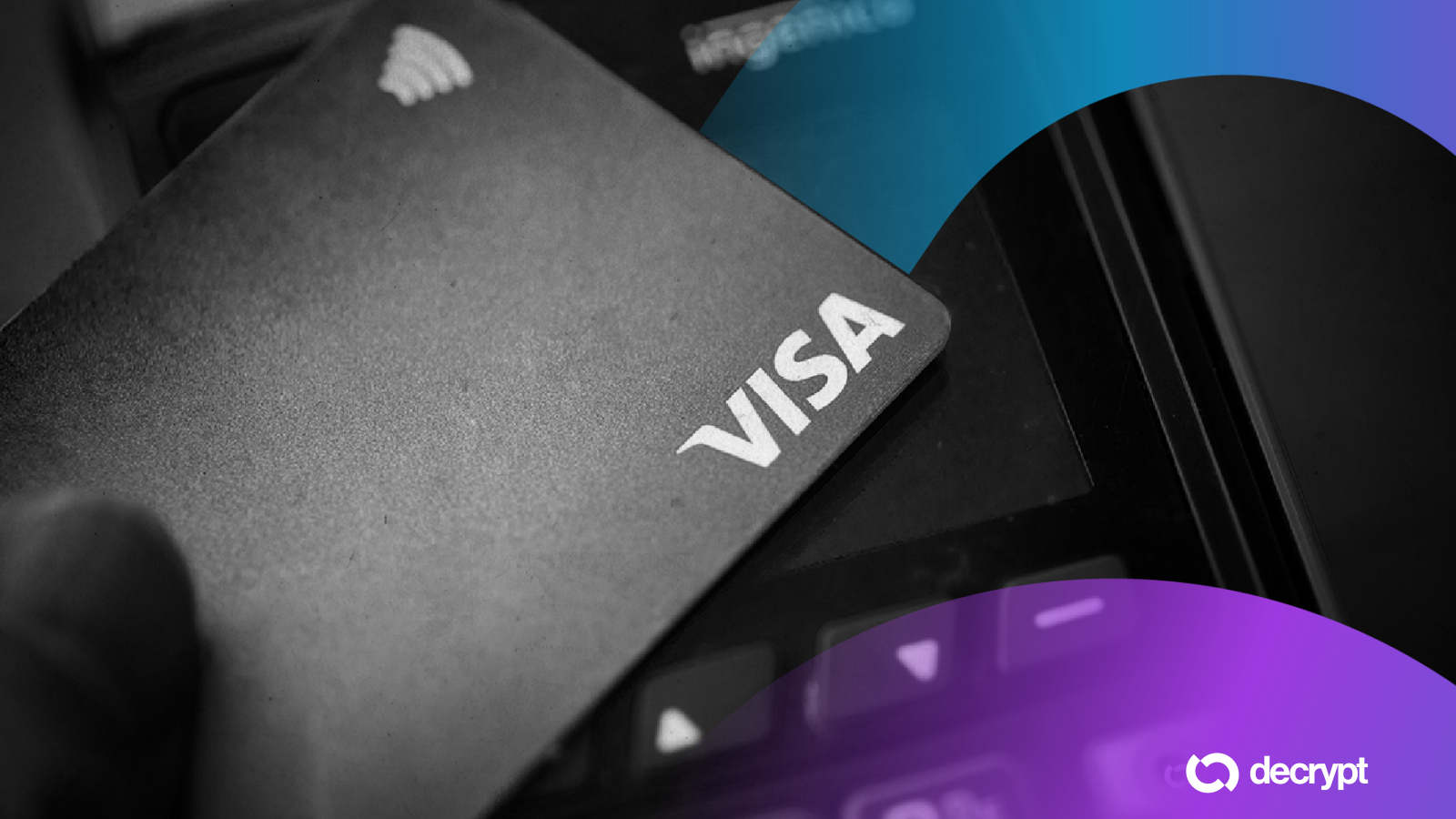
Visa's entry as a Super Validator on Canton Network signifies a major endorsement of privacy-preserving blockchain infrastructure for institutional finance, potentially accelerating stablecoin adoption and on-chain settlement for regulated entities. The integration highlights Canton Network's growing importance as a hub for major financial players like JPMorgan and DTCC, suggesting a maturing ecosystem for tokenized assets and interbank payments. Visa's strategic move into the institutional blockchain space, building on its existing stablecoin settlement work, indicates a broader trend of traditional finance embracing digital asset infrastructure for enhanced efficiency and new product offerings.

Startale Group secured a significant $63 million Series A funding round, indicating strong investor confidence in their strategy to build comprehensive blockchain tools for financial firms and retail users. The funding will accelerate the expansion of Strium for tokenized securities and RWA trading, alongside the adoption of their stablecoins JPYSC and USDSC, positioning Startale as a key player in Japan's evolving tokenized finance landscape. With backing from SBI Group and Sony Innovation Fund, Startale is poised to develop its consumer app into a 'SuperApp' for asset management and payments, potentially driving broader adoption of onchain services in Japan. The development aligns with Japan's regulatory push towards integrating crypto and blockchain into its financial infrastructure, suggesting a favorable environment for tokenized assets and stablecoins.
Signal context only. Validate with price action, liquidity, and risk limits before taking a position.
Startale Group secured a significant $50 million investment from SBI, completing a $63 million Series A, which signals strong institutional confidence in their tokenized securities, stablecoin, and consumer onchain product development in Japan. The substantial funding will accelerate Startale's vertically integrated strategy, focusing on scaling their Strium blockchain for RWAs and tokenized equities, expanding stablecoin adoption (JPYSC, USDSC), and enhancing their consumer SuperApp. This development reinforces the growing trend of institutional players like SBI backing blockchain infrastructure for traditional asset tokenization and stablecoin use cases within regulated markets like Japan.
