
Navigating Crypto News

CoinFeather
Navigating Crypto News
Quick market read from this story
The core argument that XRP's utility for institutional payments necessitates a higher price point, as outlined by Ripple's CTO, is gaining traction as infrastructure like stablecoin integration and regulatory approvals materialize.
Ripple's strategy to leverage XRP as a gas token for its RLUSD stablecoin on the XRP Ledger, targeting the $33 trillion stablecoin market, positions XRP as essential for transaction fees, thereby driving demand.
Despite XRP's current price being significantly below its peak, the development of key structural pieces like a national trust bank charter and Mastercard's inclusion in its Crypto Partner Program suggest a growing institutional readiness for XRP's use case.
The divergence between Ripple's increasing company valuation and XRP's token price, coupled with on-chain data showing decreased exchange balances, indicates a potential disconnect that could resolve favorably for XRP holders if the underlying utility gains traction.
Deep Dive
Despite XRP currently trading at $1.39 and being down 63% from its peak, the utility of XRP for large-scale payments, particularly by banks, is fundamentally tied to its price. Ripple CTO David Schwartz articulated this concept eight years ago, explaining that higher XRP prices are necessary for efficient, high-value transactions.
Schwartz's argument, highlighted by crypto analyst Levi, states that the XRP needed for a $1 million payment will always cost at least $1 million. He further noted that higher prices correlate with increased liquidity, which in turn leads to cheaper payments. If XRP were trading at a very low price, such as five cents, acquiring the vast amount needed for a billion-dollar transaction would cause significant price slippage, rendering the process impractical for banks. A higher market capitalization ensures that such transactions have minimal impact on the price, making a high XRP price a requirement for institutional adoption.
Ripple's recent strategic moves, including the expansion of its stablecoin, RLUSD, on the XRP Ledger (XRPL), align with Schwartz's long-term vision. The company aims to capture a share of the $33 trillion stablecoin market. Crucially, every RLUSD transaction on the XRPL necessitates XRP for gas fees. This strategy allows banks to transact without slippage concerns while keeping XRP central to the network's operations. Schwartz's plan involved starting with smaller currency corridors, like Euro to INR, where margins are thin and inefficiencies are high, before scaling up to major global currencies.
Significant developments have occurred since Schwartz first proposed this strategy. Ripple secured conditional approval for a national trust bank charter from the OCC in December 2025. Mastercard also added Ripple to its global Crypto Partner Program on March 11, alongside other major players like Binance and PayPal. In March, Ripple launched a $750 million share buyback, valuing the company at $50 billion, a 25% increase from its November funding round. This higher valuation of its equity, while the token trades at lows, suggests confidence from Ripple's leadership. Additionally, on-chain data indicates that XRP's multi-exchange withdrawal delta has reached an all-time low, with more investors moving XRP off exchanges, a historically bullish sign for long-term holders. These real-world developments are beginning to validate Schwartz's foundational argument.
Source, catalyst, and sector overlap from the latest feed.
CapPlace, a trading platform owned by Robertson Finance Inc., has launched, offering a diverse range of instruments including cryptocurrencies, stocks, and forex with competitive fees and multiple account tiers. The platform emphasizes user-friendliness with both web and mobile trading applications, aiming to attract traders of all experience levels, though it lacks advanced trading tools and extensive educational resources. While regulated by MISA and claiming FINRA oversight, the article notes a lack of clear information regarding CapPlace's regulatory status and financial stability, presenting a potential risk for investors. CapPlace's introduction of a new trading platform with a focus on CFD trading, including cryptocurrencies, represents a new entrant in the market that traders should monitor for performance and reliability.
AlgoBI's platform review highlights its integration of TradingView and a broad range of over 300 instruments, including cryptocurrencies, positioning it as a comprehensive CFD trading solution. The platform's FSA regulation and security features like segregated funds and negative balance protection aim to build trust, which is crucial for attracting and retaining traders in the competitive CFD market. With tiered account structures offering increasing discounts on spreads and swaps, AlgoBI incentivizes user progression and loyalty, potentially driving higher trading volumes from its user base.
Avalanche price has fallen below the critical $10 support level, indicating continued bearish momentum and a struggle to reclaim previous highs. Despite the broader bearish trend, AVAX is showing signs of a potential short-term recovery within an ascending channel, suggesting a possible test of the $9.7 resistance. The lack of strong capital inflows, as indicated by the CMF, suggests that significant buying pressure has not yet returned, warranting caution for potential buyers.
US spot Bitcoin ETFs have experienced five consecutive days of net inflows totaling $767.32 million, a significant streak not seen since late 2025, indicating renewed institutional interest potentially positioning Bitcoin as a competing safe-haven asset against gold amidst geopolitical uncertainty. Despite substantial ETF inflows, Bitcoin's price has remained range-bound, trading below key resistance levels around $71,300 and $72,000-$73,500, suggesting that current market dynamics or broader macroeconomic factors are preventing immediate price appreciation. The simultaneous positive inflows into both Bitcoin and Ether ETFs suggest a broader institutional appetite for crypto assets, potentially building a more diversified and solid base for long-term holding, though near-term price action remains contingent on breaking resistance and upcoming FOMC meeting outcomes.
The OFFICIAL TRUMP (TRUMP) token experienced a significant price surge driven by an announcement of exclusive Mar-a-Lago access for top holders, indicating that event-driven incentives can still create short-term demand spikes in memecoins. A bullish technical breakout from a descending wedge pattern, supported by increased trading volume and a rising RSI, suggests renewed buyer interest, though sustainability hinges on holding above key support levels. While the current rally shows strong momentum, its speculative nature tied to an event implies potential for rapid reversals if buying pressure wanes, making it a high-risk, short-term trading opportunity.
Robinhood's strategic decision to build an Ethereum Layer 2 (Robinhood Chain) over a new Layer 1 blockchain highlights a pragmatic approach to leveraging existing security and decentralization, focusing development on user-facing products like RWA tokenization. The company's expansion of tokenized stocks and ETFs for European customers, operating under EU regulations, demonstrates early traction in the RWA sector, with a planned U.S. mainnet launch indicating future growth potential. Regulatory hurdles in the U.S. remain significant, as the SEC classifies tokenized stocks as securities, potentially subjecting L2 sequencers to exchange-level scrutiny and impacting the broader adoption of on-chain equities. Robinhood's move into building its own L2 infrastructure, mirroring strategies by Coinbase (Base) and Kraken (Ink), signals a trend of major exchanges developing proprietary financial rails to control user experience and revenue streams.
XRP Ledger transaction volume has tripled over the past year, indicating significant growth in on-chain activity driven by payments, liquidity operations, and tokenized assets. Despite a 300% surge in XRP Ledger transactions, XRP's price remains subdued, suggesting a potential disconnect between fundamental utility and market valuation that could present a buying opportunity on a price rebound. The increasing adoption of XRP Ledger for financial products and Evernorth's institutional accumulation strategy highlight growing real-world utility, which could attract further capital if XRP's price momentum returns.
XRP Ledger's rapid growth in tokenized commodities, reaching over 15% of the global market and $1.14B, signals strong adoption for real-world asset tokenization on the platform. The XRPL's demonstrated speed (1,500 TPS) and efficiency are positioning it as a competitive infrastructure for tokenizing diverse assets like energy and diamonds, potentially attracting further institutional interest. This development highlights a significant shift in the RWA sector, with XRPL emerging as a key player, suggesting potential for increased network activity and utility for XRP.
PepetoSwap's upcoming launch and update are drawing significant capital ($7.9M raised) and attention, positioning it as a potential high-growth opportunity compared to larger, less dynamic assets like XRP and Cardano. The article contrasts PepetoSwap's zero-fee, cross-chain functionality with high gas fees on Ethereum, highlighting a potential competitive advantage that could drive adoption and volume. Despite positive developments for XRP and Cardano, their large market caps limit potential for exponential growth, making early-stage projects like Pepeto more attractive for investors seeking significant returns. The project's claims of AI-driven risk screening and a former Binance executive's involvement, coupled with a SolidProof audit, aim to build confidence for early investors anticipating a major exchange listing.
Coinbase exploring investment talks with Bybit signals a potential consolidation trend among major exchanges, aiming to navigate regulatory landscapes and expand market reach. A strategic partnership could enhance market standards and reduce loopholes, potentially benefiting institutional adoption and overall market integrity. Bybit's interest in a deal highlights its strategy to penetrate the US market, while Coinbase's move could be a defensive play or an opportunistic expansion into global derivatives.
Billionaire Stanley Druckenmiller's prediction of stablecoin dominance in global payments within 15 years, echoed by Coinbase CEO Brian Armstrong, signals growing institutional recognition of stablecoin utility beyond speculation. The potential for stablecoins to facilitate faster, cheaper, and more productive transactions aligns with market demand for efficient payment solutions, suggesting a long-term bullish outlook for stablecoin infrastructure and adoption. While the prediction highlights a significant potential shift in global finance, market participants should monitor adoption rates and regulatory developments, as mixed reactions on social media indicate potential skepticism regarding the timeline.
Bitcoin miners are facing unprecedented margin pressure due to a lack of expected price rallies post-halving and rising operational costs, forcing a strategic re-evaluation of their business models. The traditional Bitcoin mining model is undergoing a structural test, pushing firms to explore alternative revenue streams like AI infrastructure hosting and active treasury management of their BTC holdings. Miners are increasingly selling BTC reserves to cover costs or fund new ventures, signaling a shift from passive holding to treating Bitcoin as a working asset, which could lead to industry consolidation. The exploration of AI and high-performance computing presents a significant new revenue opportunity for miners, leveraging their existing power infrastructure, though it requires substantial capital investment and strategic adaptation.
RippleX Head of Engineering has issued an urgent alert for XRP Ledger validators and node operators to update to version 3.1.2, addressing a rare node outage bug that can prevent transaction processing and consensus participation. The update is critical for maintaining network stability and preventing amendment blocking, ensuring that servers can continue to validate ledgers and process transactions without interruption. This proactive patching and emphasis on GPG key trust highlight Ripple's ongoing commitment to enhancing XRPL's security and operational resilience, which is crucial for its adoption and stability.
USDC's market cap nearing record highs driven by Middle Eastern capital flight suggests a flight to perceived safety within stablecoins amidst traditional market uncertainty. The surge in USDC demand, potentially linked to Dubai's real estate downturn, highlights stablecoins' role as a liquidity conduit during regional financial stress. USDC surpassing USDT in adjusted transaction volume indicates growing adoption and utility for USDC in active trading or capital movement, despite USDT's larger market cap. The acceptance of BTC for property purchases with discounts signals an increasing integration of cryptocurrencies into traditional asset transactions, driven by market conditions.
Live Feed
Loading the broader stream in the same flow as the homepage feed.

The shift towards beginner-friendly crypto exchanges indicates a maturing market prioritizing user retention and broader adoption over complex trading features. Exchanges focusing on education and simplified onboarding are likely to capture a larger share of new retail investors, particularly in growth regions like Southeast Asia. This trend suggests a potential competitive advantage for platforms that can effectively reduce the learning curve and build trust with novice users, impacting overall market accessibility.
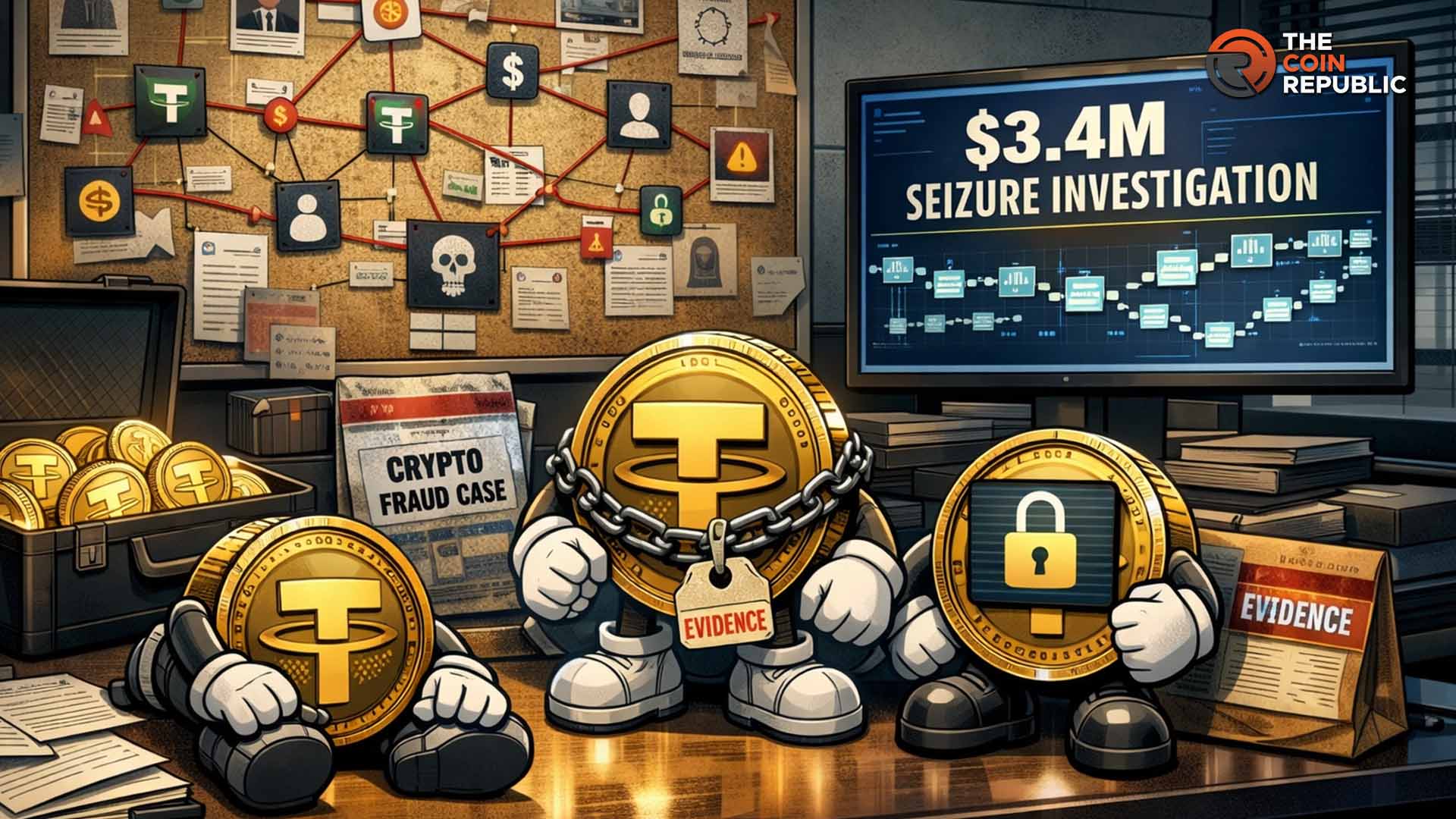
U.S. authorities are actively seizing Tether (USDT) linked to fraudulent schemes, signaling increased regulatory scrutiny on stablecoin usage in illicit activities. The ongoing forfeiture actions highlight a pattern of crypto scams using fake investment offers, emphasizing the need for investor vigilance and due diligence. The seizure of $3.44 million in USDT underscores the persistent challenges in tracing and recovering illicit funds within the cryptocurrency ecosystem.

Long-term Bitcoin holders sold less BTC in the 2025 cycle compared to 2021, indicating a potential structural shift in selling pressure dynamics. The increasing holdings of spot Bitcoin ETFs and corporate treasuries, now representing over 11% of supply, suggest a more stable ownership base that may temper extreme cycle-top distribution. On-chain metrics like LTH selling need re-evaluation due to large internal transfers from entities like Coinbase and the growing influence of institutional holders, potentially requiring new analytical frameworks. While not a direct price catalyst, the evolving ownership structure implies that historical patterns of sharp cycle-top corrections driven by retail distribution may become less pronounced.
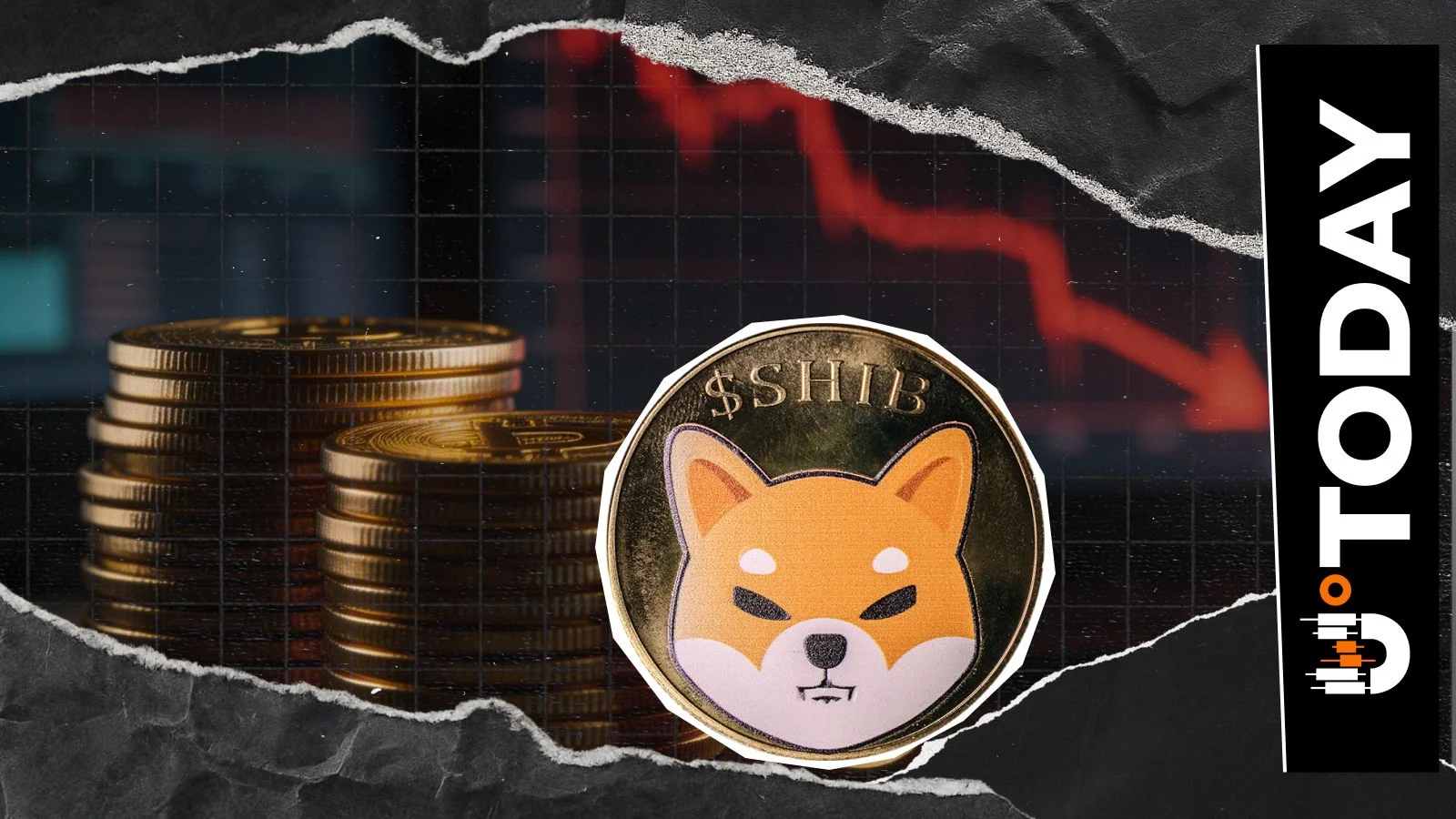
The confirmation of a death cross on Shiba Inu's daily chart signals weakening momentum, suggesting potential for further price declines if current trends persist. Significant transfers of SHIB to exchanges, totaling over 112 billion in 48 hours, raise concerns about potential sell-offs that could exacerbate downward price pressure. Despite bearish technicals and large token transfers, the absence of extreme selling pressure and potential for broader market recovery offer a slim possibility for SHIB to rebound.

US Q4 GDP revision to 0.7% and sticky core PCE inflation (3.1%) indicate a deteriorating macro environment that challenges Bitcoin's recent stabilization. The Federal Reserve faces a difficult trade-off between slowing growth and persistent inflation, with potential 'higher for longer' rates posing a headwind for risk assets like Bitcoin. Despite positive ETF inflows and easing funding rates, Bitcoin's fragile internal recovery is now being tested by worsening macroeconomic conditions, suggesting a potential range-bound or downward price action if oil prices remain elevated. The confluence of slower economic growth, stubborn inflation, and geopolitical oil price shocks creates a complex scenario for Bitcoin, where a hawkish Fed stance could pressure prices towards the $60,000-$69,000 demand zone.

Cardano founder Charles Hoskinson is advocating for a strategic rebalancing of ecosystem funding, shifting focus from pure infrastructure development towards adoption, visibility, and real-world usage to drive network growth. The introduction of Cardano's Programmable Tokens standard (CIP-0113) aims to enable compliant, institutional-grade assets like regulated stablecoins and tokenized securities, potentially attracting traditional finance players and boosting adoption. Despite recent price dips, analysts suggest ADA could be at an inflection point, drawing parallels to its 2020-2021 rally, contingent on favorable macro conditions and the successful execution of the new funding and tokenization strategies.
Solana's record-breaking $650 billion in stablecoin transactions in February 2026 signals a significant shift from speculative activity to institutional-grade financial infrastructure, potentially attracting further institutional capital. The increasing dominance of USDC over USDT in transaction volume highlights a growing institutional preference for compliance-focused stablecoins, which could benefit Solana as regulatory clarity emerges. Upcoming upgrades like Firedancer and Alpenglow, coupled with a favorable regulatory outlook and the growth of RWA and DeFi, position Solana for sustained utility and potential price appreciation, with analysts setting price targets up to $320.
Signal context only. Validate with price action, liquidity, and risk limits before taking a position.
