
Navigating Crypto News

CoinFeather
Navigating Crypto News
Source, catalyst, and sector overlap from the latest feed.
Solana's SOL/ETH ratio has fallen to a two-year low, with analysts predicting a potential further 25%-30% decline before a possible reversal. The current oversold conditions on the daily RSI suggest a potential short-term bounce, but confirmation is needed to avoid further downside risk. Broader market sentiment is cautious due to reassessment of Federal Reserve interest rate outlook, impacting crypto asset performance.
Franklin Templeton's director forecasts Bitcoin potentially reaching new all-time highs in 2026, driven by continued institutional adoption and the growing utility of stablecoins and RWA tokenization. The forecast is tempered by a warning of potential regulatory headwinds, particularly around the US midterm elections in late 2026, which could create volatility and temporarily dampen institutional interest. The analysis suggests a shift towards valuing network fundamentals and regulatory clarity over short-term hype, indicating a maturing crypto market where tangible utility drives value.
Live Feed
Loading the broader stream in the same flow as the homepage feed.
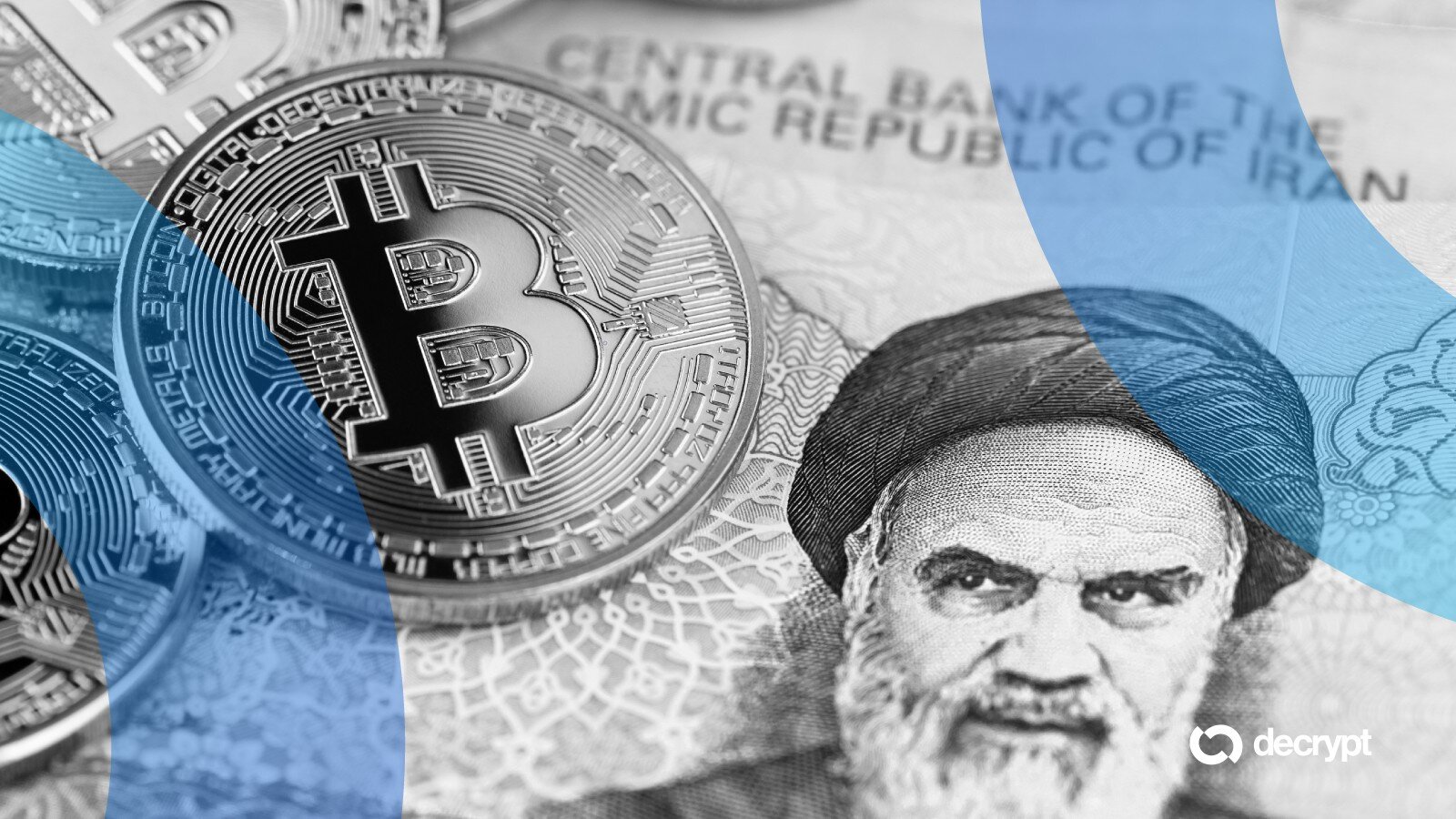
Geopolitical de-escalation signals a potential shift to risk-on sentiment, benefiting Bitcoin and crypto equities as investors seek higher yields. While immediate price action shows gains for Bitcoin and related stocks, sustained rallies depend on broader institutional flows and regulatory clarity, not just geopolitical events. The market's positive reaction to potential de-escalation highlights crypto's sensitivity to global stability, suggesting a correlation with traditional risk assets.

Cardano's Midnight Network launch introduces a privacy-focused sidechain, aiming to unlock enterprise adoption by enabling secure handling of sensitive data on-chain. The introduction of Midnight Network addresses a key barrier to blockchain adoption for real-world applications like private finance and real estate, potentially expanding Cardano's utility beyond current use cases. The NIGHT token has shown an immediate market reaction with a price increase, indicating early investor interest in the privacy-centric development and its potential for future network activity. Charles Hoskinson's vision for Midnight Network positions it as a crucial evolution beyond basic smart contracts and payments, specifically targeting the integration of private data into blockchain ecosystems.

Geopolitical de-escalation signals from Iran have triggered a broad market rally, lifting Bitcoin above $68,000 and adding $40 billion to the crypto market cap as investors rotate back into risk assets. The market's rapid repricing of geopolitical risk highlights Bitcoin's sensitivity to macro events, particularly its correlation with traditional risk assets like stocks and its inverse relationship with oil prices and the US Dollar Index. The potential for reduced Middle East tensions could alleviate inflationary pressures and improve the outlook for central bank policy easing, creating a more favorable macro environment for risk assets.
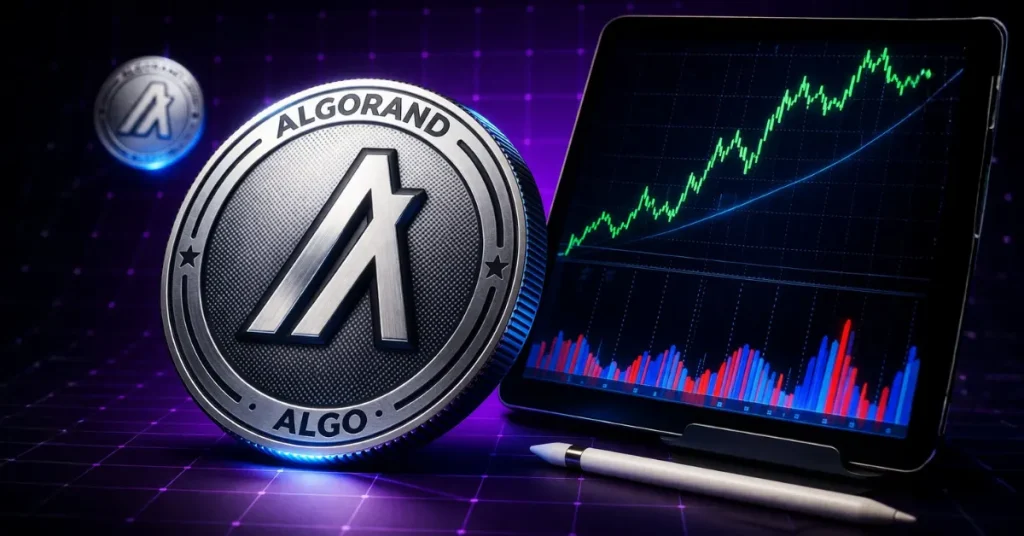
Algorand's price surge of over 10% appears to be driven by technical factors and broader market stabilization rather than new fundamental catalysts, suggesting a potentially fragile rally. The current price action tests a critical descending trendline resistance, making it a make-or-break level for ALGO's short-term direction, with a breakout needed to confirm a trend reversal. Traders should exercise caution and await a decisive breakout above $0.095-$0.105 or a clear rejection from the trendline before establishing significant positions, as premature entries risk falling into traps.

Anthropic's accidental leak of Claude Code's source code, including internal architecture and hidden features, represents a significant information disclosure that could accelerate AI development and competition. The inability to contain the leak due to decentralized repositories and clean-room rewrites highlights the challenges of intellectual property control in the current technological landscape. While Anthropic claims no sensitive customer data was exposed, the leak of internal system prompts and unreleased functionality provides valuable insights for developers and potential exploiters. The legal ambiguity surrounding AI-generated code and copyright, coupled with the permanence of decentralized storage, creates a complex situation for intellectual property enforcement.
Dogecoin network activity has surged 28% to 73,000 active addresses, indicating increased user engagement, though this metric alone does not guarantee a price rally. Despite rising on-chain activity, DOGE price has only seen a modest 0.46% recovery to $0.09210, suggesting that broader market sentiment and liquidity flows are currently outweighing network engagement signals. The divergence between network activity and price action highlights a potential for increased volatility, making DOGE a watchlist candidate as traders assess whether on-chain interest will translate into sustained price appreciation.
Geopolitical tensions in the Middle East are driving significant volatility in European markets, with the Stoxx 600 on track for its worst monthly performance since the 2020 COVID crash. Rising energy prices and renewed inflation concerns in the Eurozone, exacerbated by the Iran conflict, are increasing investor caution and pressuring risk assets. The market's sensitivity to headlines regarding the Strait of Hormuz and the duration of military operations highlights the fragile risk sentiment and potential for further price swings.
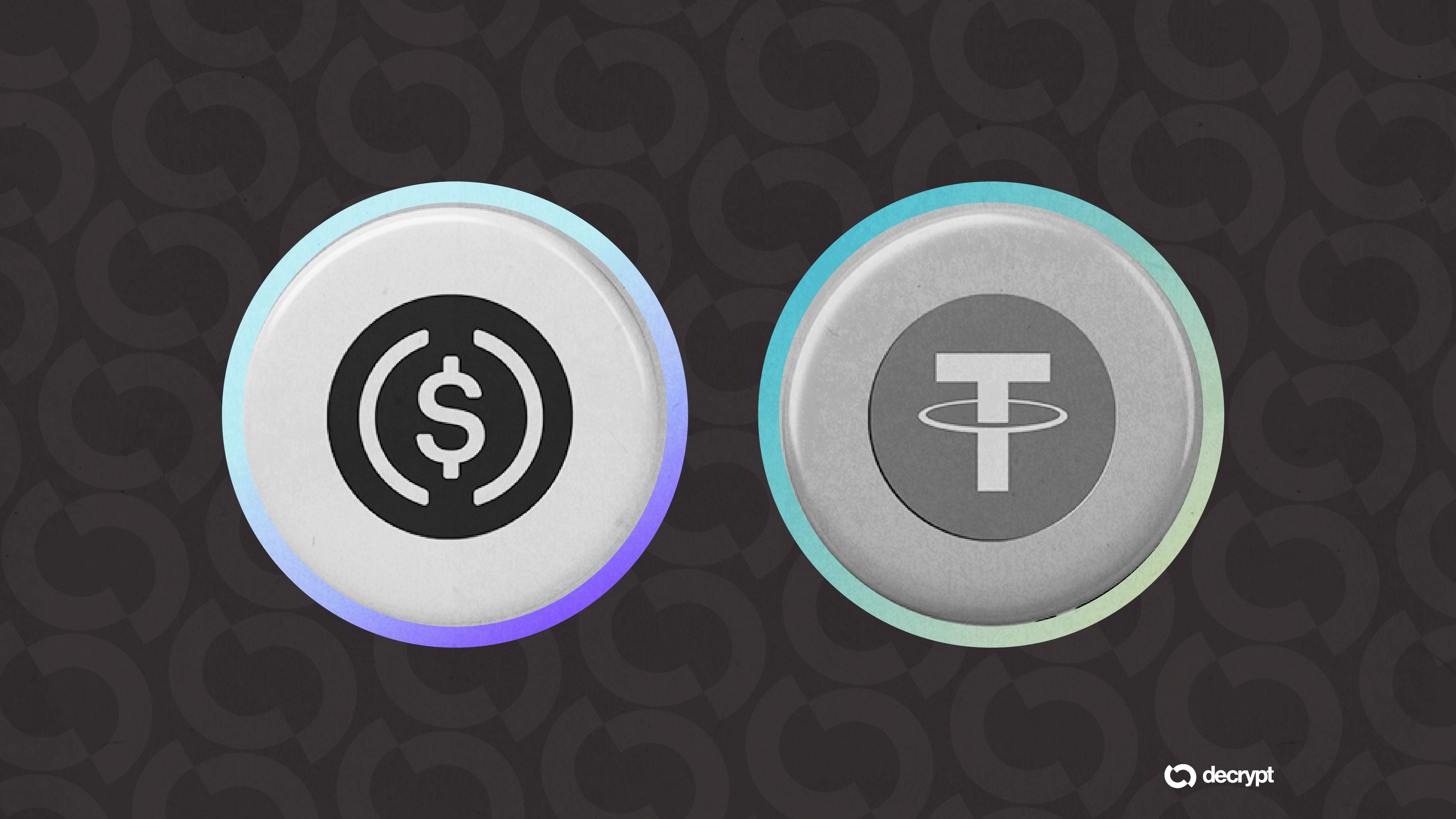
Standard Chartered's reaffirmation of a $2 trillion stablecoin market cap forecast for 2028, despite doubled velocity, suggests that increased transaction efficiency is being offset by new, additive use cases rather than cannibalizing existing demand. The divergence in stablecoin velocity between USDC (driven by TradFi displacement and AI payments on Base/Solana) and USDT (driven by emerging market savings) highlights distinct market segments and potential competitive dynamics within the stablecoin ecosystem. The surge in USDC velocity on Solana and Base, linked to early AI agent payments via Coinbase's x402 protocol, indicates emerging demand for stablecoins in decentralized AI applications, though the transient nature of this initial surge warrants close monitoring.
Geopolitical tensions involving Iran and U.S. firms are creating market uncertainty, impacting major tech stocks like Microsoft, Nvidia, and Tesla, which could spill over into broader market sentiment. While specific tech stocks saw gains, the underlying threat of targeted attacks on U.S. companies in the Middle East introduces a risk premium for companies with significant regional operations, potentially affecting investor confidence and continuity planning. The escalation of rhetoric from both U.S. and Iranian officials, coupled with threats to critical infrastructure and trade routes like the Strait of Hormuz, highlights systemic risks that could impact energy prices and global supply chains.

Despite some analysts forecasting short-term downside for Bitcoin toward $60,000, technical indicators and liquidation heatmap data suggest a potential rally to $82,000 if key resistance at $68,879 is overcome. The market structure for Bitcoin remains bearish according to some analysts, but recent price action and institutional interest present a conflicting narrative that traders should monitor closely. Key resistance levels for Bitcoin are identified at the 50-day moving average around $68.8K and short liquidity clusters between $68,500-$70,000 and $72,000-$74,000, which could fuel a liquidation rally if breached.

BitGo's new portfolio-based lending platform for institutions allows borrowing and lending against a diverse range of digital assets, including staked and locked tokens, enhancing capital efficiency for institutional clients. The platform's integration of borrowing, lending, and collateral management into a single workflow streamlines institutional operations and reduces reliance on multiple counterparties. By enabling institutions to leverage staked and locked assets as collateral without unwinding positions, BitGo unlocks new avenues for yield generation and liquidity management within custody accounts. This development signals a growing trend in institutional finance towards more integrated and flexible collateral management solutions for digital assets, potentially increasing demand for custody services.

Geopolitical de-escalation signals from Iran have triggered a 'risk-on' sentiment in crypto markets, leading to broad gains across major altcoins and Bitcoin. The market's positive reaction is primarily driven by a reduction in perceived geopolitical risk, causing a reversal of 'war premium' fear trades and a rotation into higher-beta assets. Despite the immediate price surge, the sustainability of the rally is uncertain, hinging on the US response to Iran's conditional peace proposal, with potential for gains to reverse if negotiations falter. The current market movement reflects a speculative reaction to the possibility of de-escalation rather than confirmed progress, highlighting the sensitivity of crypto assets to geopolitical events.
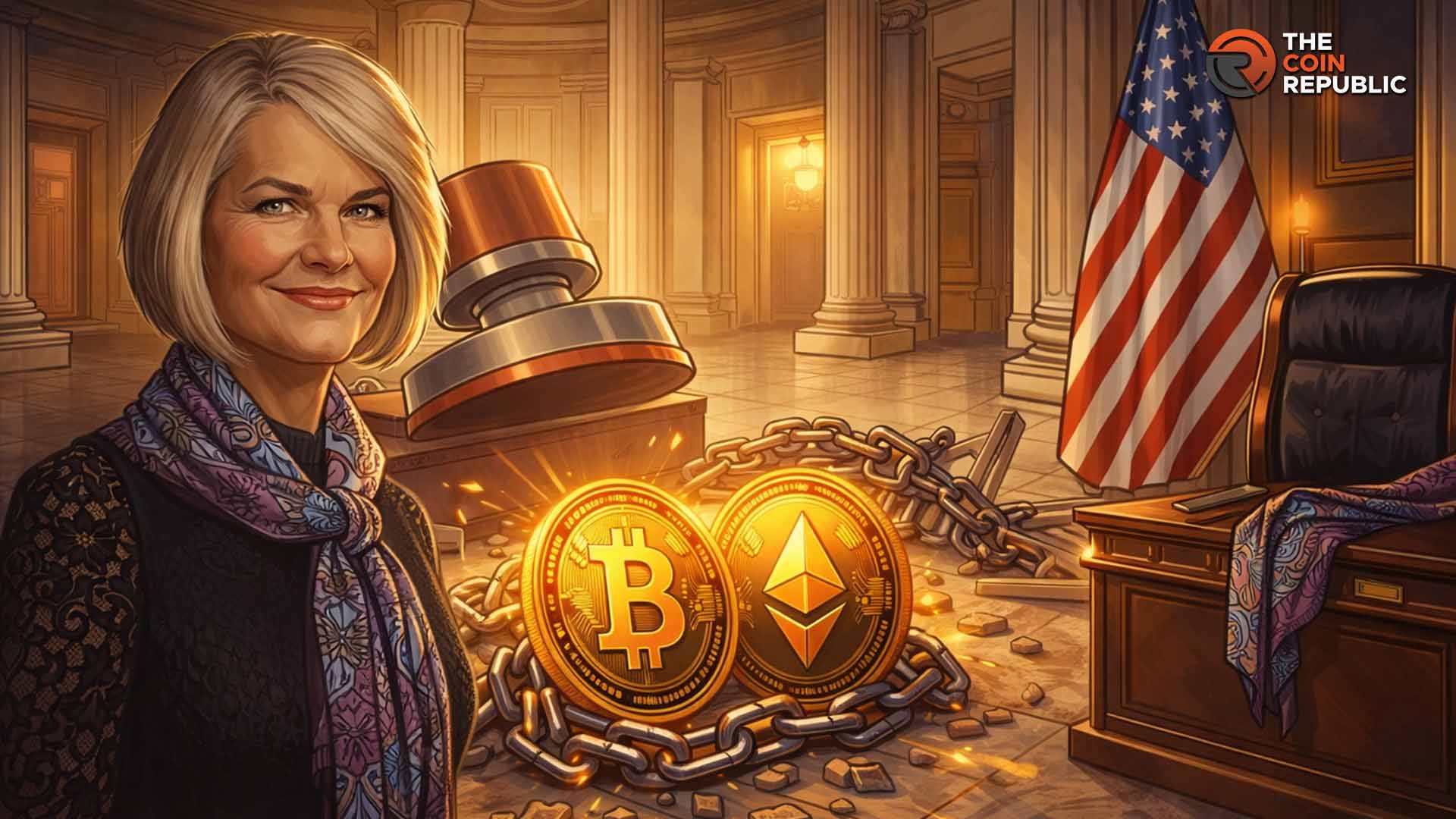
The US Department of Labor's proposed rule to allow digital assets in 401(k) plans signals a shift towards regulatory neutrality, potentially increasing institutional interest in crypto as a retirement investment option. Senator Lummis's support for the proposal highlights a bipartisan effort to reduce regulatory friction for digital assets, suggesting a more favorable environment for crypto integration into traditional finance. Despite the regulatory shift, adoption within 401(k) plans may remain slow due to fiduciary concerns regarding legal risks and compliance standards, indicating a cautious approach from plan sponsors. The move, driven by a presidential directive, aims to reduce retirement plan sponsor burdens and litigation risks, which could indirectly benefit the broader digital asset market by fostering greater acceptance.
Cardano's upcoming Midnight privacy sidechain launch, coupled with the Van Rossem hard fork, aims to introduce confidential smart contracts, potentially attracting new capital by addressing privacy concerns and compliance needs. The article highlights Pepeto's presale, projecting 100x returns driven by an upcoming exchange listing and a 191% APY staking reward, positioning it as a potential beneficiary of capital inflow from the Cardano ecosystem upgrades. While Cardano's ADA shows a historically strong buying signal with its MVRV ratio, the primary focus for speculative trading appears to be on the Pepeto presale, which is heavily promoted with aggressive return projections tied to its listing. SUI and PEPE are mentioned as holding support levels, but the narrative strongly favors Pepeto's presale as the primary near-term opportunity, leveraging the anticipation of the Cardano Midnight fork and a Binance listing.
Warren Buffett's commentary reinforces Apple's status as Berkshire Hathaway's largest holding, signaling long-term confidence despite recent trimming, which suggests a potential for sustained institutional interest. Despite strong fundamentals like record services revenue and a large active device base, Apple faces near-term headwinds from legal issues and AI strategy questions, creating a neutral outlook for immediate price action. Technical indicators show AAPL in a weak short-term range below key resistance levels, suggesting that while Buffett's endorsement provides a floor, significant upside may be capped until broader market sentiment or technicals improve.
Signal context only. Validate with price action, liquidity, and risk limits before taking a position.
Quick market read from this story
Ripple's new partnership with Convera leverages stablecoins for corporate cross-border payments, aiming to improve speed and liquidity by integrating traditional finance with blockchain infrastructure.
The collaboration focuses on a 'stablecoin sandwich' model, where fiat payments begin and end with regulated stablecoins like RLUSD used for intermediate settlement, mitigating volatility risks.
This strategic move by Ripple signifies continued efforts to drive enterprise adoption of blockchain technology for practical financial use cases, potentially increasing demand for its payment solutions and associated stablecoins.
Deep Dive
San Francisco-based blockchain firm Ripple has announced a new partnership with global commercial payment provider Convera, aiming to foster cross-border payments through blockchain technology and stablecoin settlements for corporate entities.
The partnership, formalized on Tuesday, March 31, will enable businesses to move money across borders more quickly, reliably, and with improved liquidity management. This collaboration specifically highlights the use of RLUSD, Ripple's stablecoin, in the crypto stablecoin market.
The model involves payments starting and ending in fiat currency, with regulated stablecoins like RLUSD used for settlement in between. This approach, described by Ripple as a "stablecoin sandwich" settlement model, aims to hedge against crypto market volatility.
According to Ripple, this collaboration allows both companies to combine their capabilities, offering crypto-enabled payment and treasury solutions for businesses within the traditional financial market. Convera will manage the end-to-end payment experience, while Ripple will provide its blockchain infrastructure for liquidity, on/off-ramping, and cross-border settlement.
This initiative signifies Ripple's continued efforts to merge traditional finance with blockchain technology and promote broader crypto adoption globally.
We’re partnering with Convera to expand enterprise cross-border payments. Together, we’re combining global payment rails with stablecoin-enabled settlement to improve speed, liquidity, and reliability.
