
Navigating Crypto News

CoinFeather
Navigating Crypto News

Source, catalyst, and sector overlap from the latest feed.
Bitcoin has experienced an unprecedented six-month period of underperformance against U.S. equities, raising questions about its role as a risk asset rather than a hedge. Despite a weak first quarter with a 22% decline, Bitcoin showed relative stability in March, outperforming gold amidst geopolitical tensions and market volatility. The prolonged underperformance against stocks may precede a reversal, suggesting potential for renewed demand if historical patterns hold and macro pressures persist. Geopolitical events, particularly the trajectory of the Iran conflict and its impact on energy markets and risk appetite, could be a key determinant for Bitcoin's sentiment shift.
Live Feed
Loading the broader stream in the same flow as the homepage feed.
Shiba Inu's burn rate has collapsed to near zero, with only 906.4 SHIB burned on March 31, indicating a significant drop in community participation and potentially impacting future supply reduction efforts. Despite the recent slowdown in burn activity, Shiba Inu has achieved the milestone of burning half of its total supply, a long-term cumulative achievement that may still provide underlying support. Shibarium is entering a 'clean stabilization phase' following a backend overhaul and reindexing, which has temporarily reduced transaction volume, suggesting a period of consolidation before potential recovery.
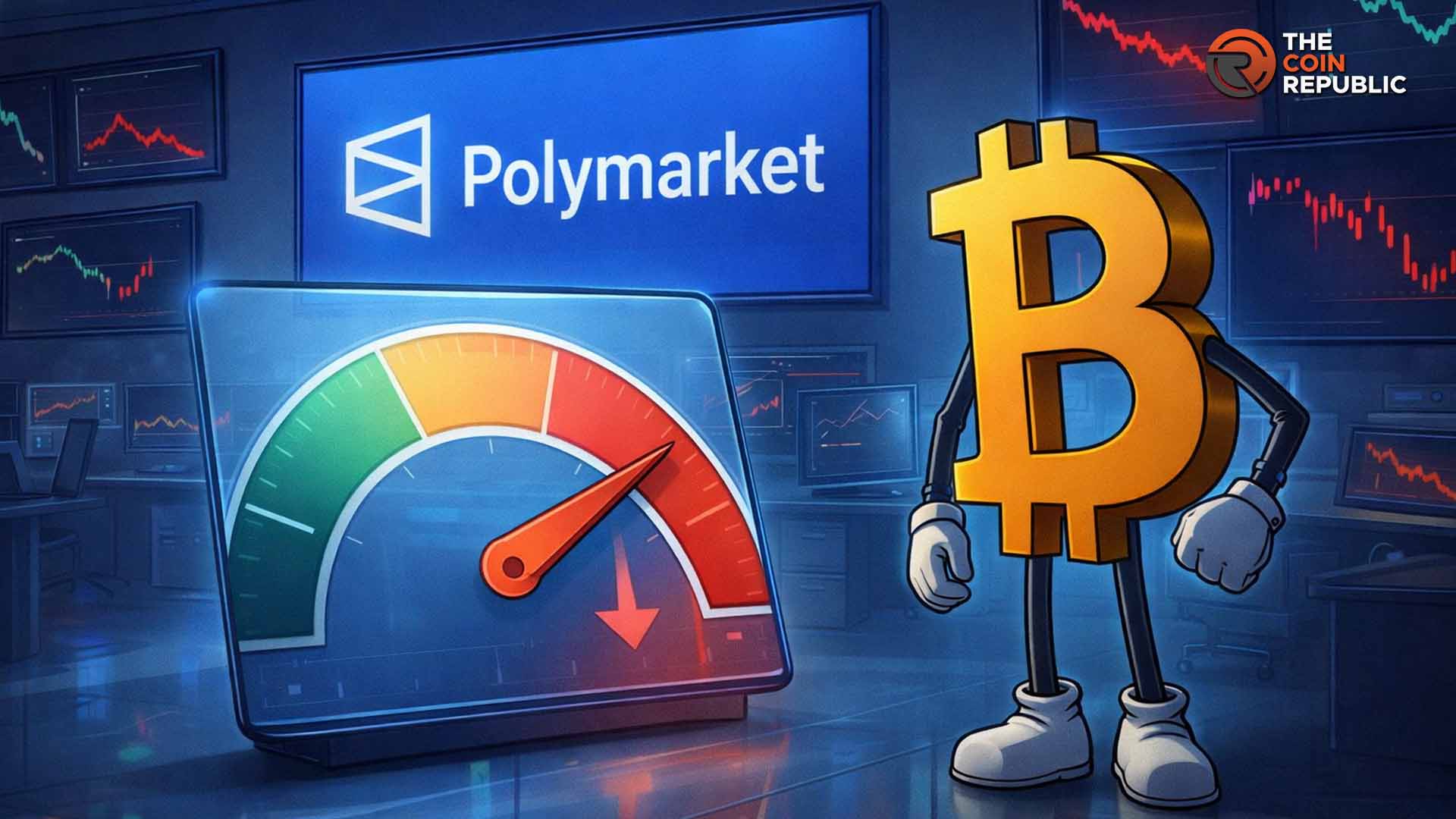
Polymarket odds indicate a significant trader sentiment leaning towards a Bitcoin price crash below $45,000 by 2026, suggesting a bearish outlook despite current price levels. Despite bearish sentiment from prediction markets, recent inflows into Bitcoin ETFs signal continued institutional interest, creating a divergence in market signals. The article highlights mixed signals from prediction markets, technical indicators (RSI at 50), and on-chain metrics (declining active addresses), suggesting a period of uncertainty and potential volatility for Bitcoin. Traders are pricing in a higher probability of Bitcoin dropping below $50,000 and $55,000 than reaching $80,000 or $90,000, indicating a cautious near-term outlook.
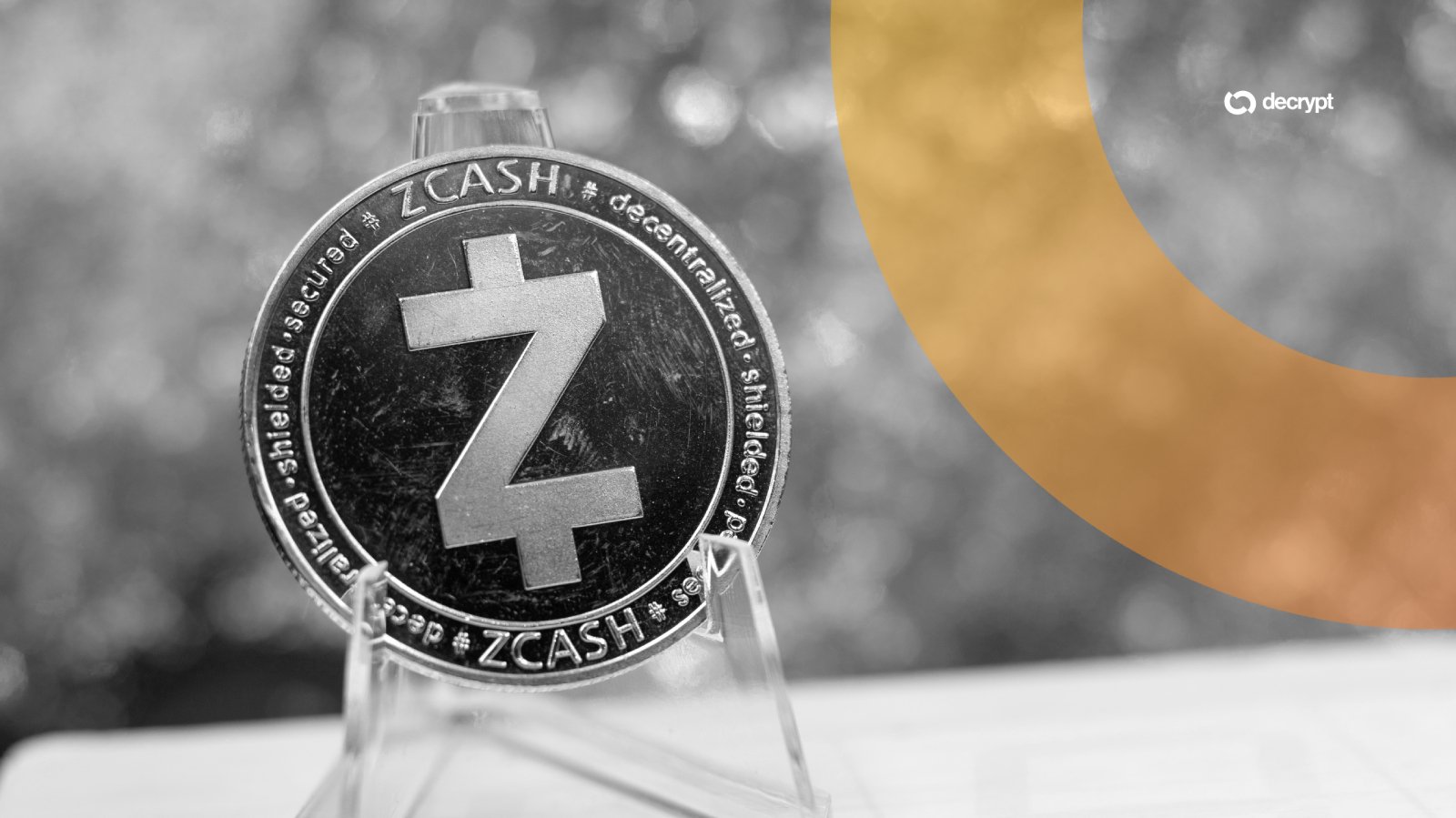
A critical vulnerability in Zcash's deprecated Sprout shielded pool has been fixed, preventing potential loss of approximately $6.5 million in ZEC. The rapid patching by major mining pools within three days of disclosure highlights network resilience and effective coordination in addressing security threats. Despite the vulnerability, Zcash's 'turnstile' mechanism would have prevented broader supply inflation, mitigating systemic risk to the network's tokenomics. The successful remediation of this bug, discovered with AI assistance, reinforces confidence in Zcash's privacy features and development team's response capabilities.
Easing geopolitical tensions between the U.S. and Iran have triggered a significant market rally, particularly in tech stocks, as investors reduce risk premiums and anticipate potential de-escalation. Despite the broad market surge, persistent oil price volatility and ongoing supply concerns in the Strait of Hormuz present a key risk factor, potentially reigniting inflation fears and capping the rally's sustainability. The market's sharp upward move, led by tech, suggests a rotation back into growth assets, but the underlying weakness and broader risks indicate this could be a short-term bounce rather than a sustained trend reversal.
Despite Bitcoin's rally to $68,000 driven by geopolitical de-escalation hopes, derivatives data reveals persistent bearish sentiment among futures traders, indicating a lack of conviction in sustained price increases. The premium on Bitcoin put options at 17% suggests significant fear of price drops among market makers and whales, despite the dismissal of quantum computing threats. Reduced expectations for Federal Reserve rate cuts due to rising inflation from oil prices create a less favorable macro environment for risk assets like Bitcoin, contributing to the bearish derivatives outlook. The market views Bitcoin as a risk asset rather than a safe haven, explaining the bearish derivatives sentiment and suggesting that traders are not anticipating a significant price surge without further fundamental catalysts.
Galaxy Digital's expansion of its GalaxyOne platform to include Solana staking offers retail investors access to an estimated 6.5% APY, potentially increasing demand for SOL by incentivizing long-term holding and reducing sell pressure. The integration of staking within a single interface alongside traditional assets on GalaxyOne could drive adoption for both the platform and the Solana ecosystem, particularly if ETH staking is introduced as planned. While SOL is currently consolidating between $80-$85, the introduction of a new, accessible staking yield by a reputable firm like Galaxy Digital may provide a catalyst for breaking through resistance levels, especially if broader market sentiment turns positive.
Ripple's partnership with Convera integrates stablecoin settlement into a global payment network processing over $190 billion annually, signaling a significant step towards mainstream adoption of blockchain for enterprise cross-border transactions. The 'stablecoin sandwich' model, where fiat enters and exits while stablecoins settle on-chain, demonstrates a practical approach to leveraging blockchain for speed and efficiency without requiring direct crypto handling by all end-users. This development validates the XRP Ledger's utility for real-world enterprise payments and enhances its liquidity connections to traditional finance, potentially increasing on-chain activity and demand for related services. With Ripple nearing regulatory milestones and expanding institutional offerings, this partnership reinforces its strategic positioning to bridge traditional finance and digital assets, suggesting a positive outlook for its ecosystem.
Geopolitical de-escalation signals from Iran have triggered a risk-on sentiment, leading to a Bitcoin price rally above $68,000, indicating a potential shift away from recent war-driven volatility. The broader market reaction, including gains in equities and lower bond yields, suggests investors are pricing out geopolitical risk premiums, benefiting Bitcoin as a risk asset. While diplomatic overtures are positive, the conditional nature of Iran's peace offer and upcoming US political uncertainty introduce lingering risks that could impact future market sentiment.
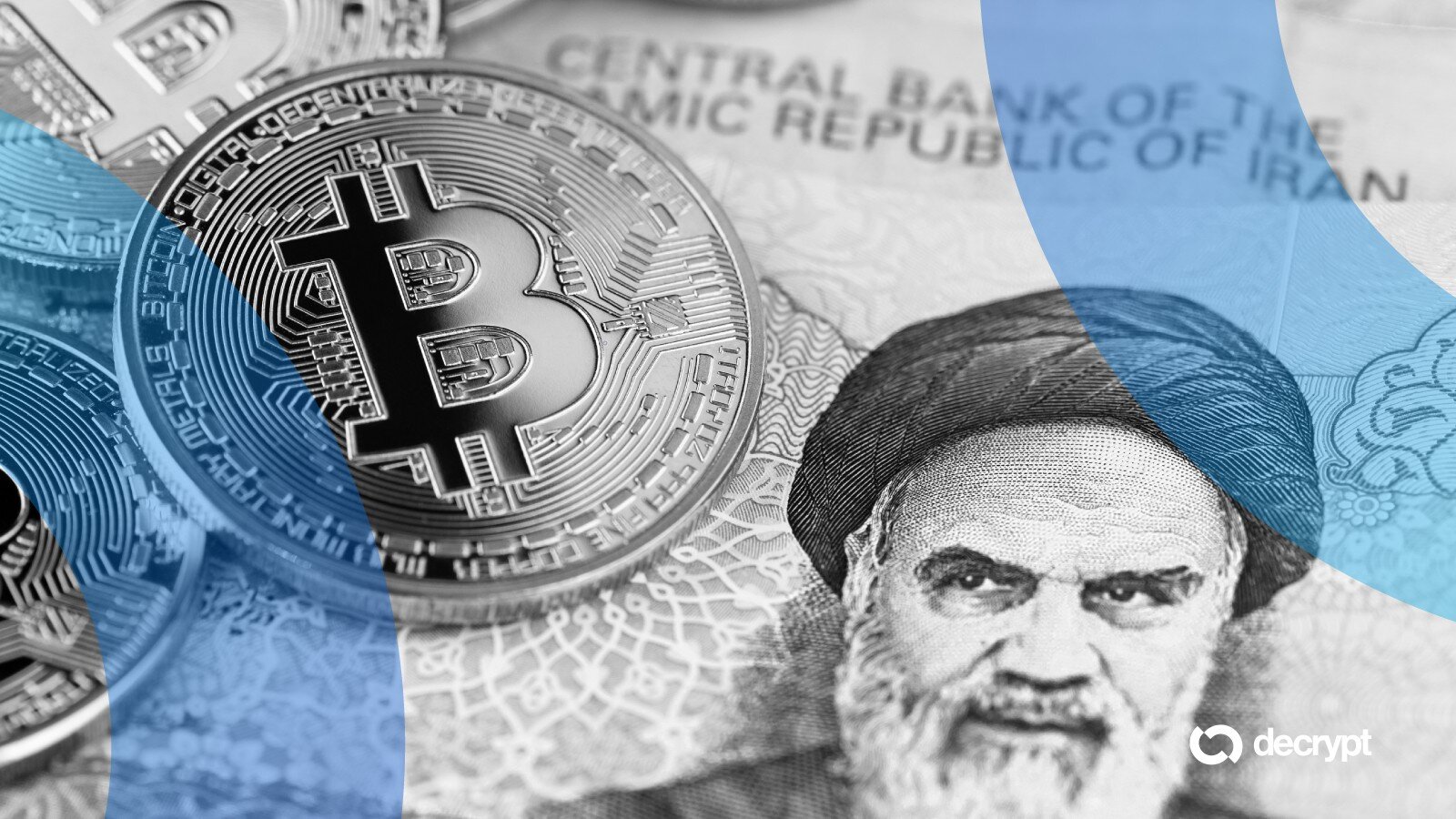
Geopolitical de-escalation signals a potential shift to risk-on sentiment, benefiting Bitcoin and crypto equities as investors seek higher yields. While immediate price action shows gains for Bitcoin and related stocks, sustained rallies depend on broader institutional flows and regulatory clarity, not just geopolitical events. The market's positive reaction to potential de-escalation highlights crypto's sensitivity to global stability, suggesting a correlation with traditional risk assets.
The XRP Ledger's integration as a core payment engine for Bitget Wallet signifies a strategic shift towards real-world utility, moving beyond speculative trading. With payments now comprising 53% of XRP Ledger activity, driven by assets like RLUSD, the network is demonstrating tangible adoption for cross-border and everyday transactions. This partnership elevates the XRP Ledger's infrastructure role, positioning it as a foundational layer for secure, scalable digital payments, enhanced by quantum-resistant and AI security measures. The development suggests a potential for increased demand and usage of XRP and RLUSD as Bitget Wallet aims to facilitate peer-to-peer transfers and everyday purchases via its platform.

Bitcoin's price is currently range-bound between $60,000 and $70,000 due to a market dominated by leveraged futures trading rather than strong spot demand, indicating a lack of conviction among traders. Low stablecoin inflows and consistent losses for short-term holders, evidenced by a prolonged negative STH SOPR and YOY realized price, suggest limited new capital entering the market and increased selling pressure on minor rallies. The current market structure is fragile, with price action heavily influenced by futures positioning and indecisive short-term leverage flows, which limits upside potential and keeps BTC volatile within its established range.
Signal context only. Validate with price action, liquidity, and risk limits before taking a position.
Quick market read from this story
WisdomTree's head of digital assets views the Clarity Act as non-inhibitive to innovation, suggesting existing SEC tools are sufficient for developing tokenized security and fund markets.
The firm's focus on tokenized real-world assets, exemplified by their continuously trading money market fund, highlights a practical application of blockchain for traditional finance products.
WisdomTree's ongoing development in crypto and tokenization, irrespective of market volatility, signals sustained institutional interest and operational momentum.
While acknowledging the Clarity Act's potential constructiveness, WisdomTree emphasizes that progress is being driven by firms leveraging existing regulatory pathways rather than waiting for new legislation.
Deep Dive
Asset manager WisdomTree asserts that ongoing innovation in the digital asset space does not require the passage of pending U.S. crypto legislation, such as the proposed Clarity Act. Will Peck, WisdomTree's head of digital assets, stated that the firm does not view the legislation as a prerequisite for their activities and that the SEC already possesses the necessary tools to foster robust tokenized security and fund markets.
Peck believes that the existing regulatory framework is sufficient for innovation. WisdomTree has been actively involved in crypto and tokenization for years, predating many of its traditional finance peers. The company offers a spot bitcoin ETF in the U.S. and a range of crypto exchange-traded products in Europe, where regulatory environments have historically been more accommodating to innovation.
More recently, WisdomTree has concentrated on tokenizing real-world assets. The firm operates one of the largest tokenized money market funds, a product that has gained traction as investors seek on-chain yield. Peck highlighted that this fund has achieved significant
Google's quantum computing research indicates a significantly accelerated timeline for breaking Bitcoin's elliptic-curve cryptography, potentially enabling theft of live transactions within minutes of broadcast. The findings suggest that the industry's prior assumptions about quantum threats being a decade away are now untenable, necessitating an urgent, coordinated upgrade effort to post-quantum cryptography. The rapid progress across multiple quantum computing architectures (superconducting and neutral-atom) highlights a compounding feedback loop, making the threat less a single 'moonshot' and more an inevitable engineering reality. Migrating Bitcoin to post-quantum cryptography will require a hard fork and extensive community consensus, a process that could take months and is politically fraught, making proactive migration essential before Q-Day.
