
Navigating Crypto News

CoinFeather
Navigating Crypto News

Quick market read from this story
David Schwartz clarifies Ripple's motivation for bank adoption of XRP, emphasizing utility over direct monetary incentives for Ripple, which suggests a focus on sustainable integration rather than short-term price pumps.
The discussion highlights the potential for XRP to become a significant bridge currency, with Ripple's ongoing product launches and XRP Ledger adoption by firms like Aviva Investors indicating a strategic push for real-world asset integration.
While Ripple benefits financially from XRP adoption, Schwartz's statement implies that the primary driver is the utility and value proposition for the adopting institutions, potentially mitigating concerns about Ripple manipulating XRP's price for its own gain.
Deep Dive
David Schwartz, former Ripple CTO, has clarified the economic motivations driving Ripple's push for XRP adoption by traditional banks. In a recent discussion on X, Schwartz addressed concerns that Ripple's primary goal is to profit from its substantial XRP holdings.
The conversation was initiated by X user Mason Versluis, who questioned why global banks would adopt XRP, potentially driving up its price, given that Ripple holds approximately 34 billion XRP. Versluis suggested that if XRP's price surged significantly, Ripple Labs could become the world's most valuable financial institution, a scenario he believes banks would avoid. He questioned if the utility and benefits offered to banks were substantial enough to overlook this potential outcome.
Schwartz acknowledged that facilitating bank integration would indeed generate revenue for Ripple. However, he emphasized that the company's motivation is not solely based on its own financial gain. He stated, "Yeah, this makes business sense for us to do and would make us money, but we don't want to do it because it also makes this other company money." This perspective suggests that Ripple prioritizes the actual utility of the digital currency in its adoption strategy, rather than conditional adoption driven purely by speculative price increases.
Over the past year, Ripple has been actively promoting the adoption of its various products globally. The company has launched a platform designed to manage both corporate cash and cryptocurrencies, highlighting the utility of RLUSD, XRP, and other major digital assets. The XRP Ledger's role in delivering these solutions is increasingly significant, with notable adoption from firms such as Aviva Investors in the United Kingdom. Schwartz continues to advocate for the innovations he helped pioneer, including the crucial role of XRP.
Source, catalyst, and sector overlap from the latest feed.
Cardano founder Charles Hoskinson's sarcastic remark on XRP's 'standard' status signals ongoing competition and potential regulatory concerns for Ripple, impacting its perceived industry dominance. The public exchange between Hoskinson, Sirer, and Garlinghouse highlights the competitive landscape in the RWA tokenization market, with Cardano, Avalanche, and Ripple vying for market share. Hoskinson's critique of the Ripple-backed Clarity Act suggests a potential legislative battleground where XRP's regulatory standing could be influenced, affecting other decentralized projects.
Bloomberg Intelligence analyst Mike McGlone reiterates a bearish outlook for Bitcoin, warning of a potential return to $10,000 by 2026 due to a post-pandemic bubble burst and market dilution. The $10,000 Bitcoin price level is framed as a 'fundamental anchor' based on historical trading data and regression analysis, suggesting a potential reversion to its pre-2020s mean. McGlone highlights that only stablecoins demonstrate real utility in the current crypto landscape, positioning Bitcoin as a high-beta, speculative asset vulnerable to broader market downturns, particularly if the S&P 500 experiences a recession.
Ripple Prime's "BBB" investment-grade issuer rating from KBRA signifies enhanced credibility, potentially unlocking access to a broader institutional client base for traditional finance services. The rating validates Ripple's financial stability and technological reliability, which could translate into increased trust and capital flow into its prime brokerage operations. Despite the positive rating, Ripple Prime's reliance on a narrow service set and the parent company's revenue linkage to digital assets present ongoing diversification challenges and potential rating limitations.
Monero (XMR) is making a move towards Cardano's market cap ranking, currently trailing by $2.5 billion, indicating a potential shift in relative market dominance if current trends persist. Despite Monero's proximity, Cardano's market capitalization of $8.53 billion suggests a significant gap remains, making an immediate overtake unlikely without a substantial price surge for XMR or a significant drop for ADA. Both Cardano and Monero experienced price declines in the last 24 hours, mirroring a broader crypto market downturn, which tempers immediate bullish sentiment for either asset individually. Cardano's recent integration on the Dune network, alongside metrics like total value locked and transaction volume, provides fundamental data points that could influence its long-term valuation independent of its market cap ranking.
A significant unlock of over 2.6 million SOL tokens, valued at $211 million, has occurred, raising immediate concerns about potential selling pressure from a large holder. The timing of the token unlock coincides with a 6.52% price drop in SOL, suggesting the whale may be reacting to market weakness or preparing to exit a position. While token unlocks are common on Solana, this large volume could impact short-term price action if the holder decides to liquidate, especially given the current bearish market sentiment for SOL.
XRP's core value proposition as a payment and settlement asset is being tested by current macro conditions, specifically rising oil prices and dollar strength, which are causing it to behave like a high-beta risk asset rather than a utility-driven solution. Despite Ripple's expanding institutional footprint and product launches like GTreasury, XRP's price action is currently dominated by macro factors, raising questions about when its fundamental utility will translate into token value capture. Upcoming macro data releases, including employment and CPI reports, will be critical in determining whether XRP can reclaim its infrastructure narrative or continue to trade as a macro-correlated speculative asset.
Lise's planned tokenized IPO for ST Group represents a significant test for the viability of on-chain capital markets in solving real-world problems for SMEs. The development highlights growing investor interest in tokenized equities, with the market value approaching $1 billion, suggesting potential for broader adoption if liquidity and regulatory hurdles are overcome. Regulatory approvals from French and EU authorities for Lise's DLT Pilot Regime operations are crucial, indicating a path for regulated tokenized securities trading in Europe. The success of this tokenized IPO could signal a new paradigm for fundraising and investment, potentially impacting traditional financial infrastructure and attracting further institutional interest in RWA.
Deloitte's independent verification of RLUSD reserves provides a significant credibility boost, addressing a core concern for stablecoin adoption and potentially increasing institutional trust. The successful high-volume, low-cost transfer of $92.5 million in RLUSD on the XRP Ledger demonstrates the protocol's efficiency, positioning it as a competitive alternative for digital payments against traditional systems. RLUSD's expansion into markets like Japan via SBI VC Trade, coupled with Deloitte's validation, signals growing global traction and adoption, suggesting a positive outlook for the stablecoin's market penetration.
Altura's launch of an onchain gold arbitrage product targets retail investors with a projected 20% yield, signaling a new phase in tokenized real-world assets moving beyond passive exposure to active yield generation. The product leverages institutional-style gold arbitrage strategies, aiming to democratize access for retail investors by tokenizing the arbitrage process itself, rather than just commodity price exposure. Despite the potential for attractive yields, the reliance on complex offchain structures and the historical rise in losses within tokenized RWA markets highlight inherent risks for retail participants.
Live Feed
Loading the broader stream in the same flow as the homepage feed.

A Solana meme coin, JONATHAN, experienced a brief surge in market cap from $40,000 to $380,000 following a fabricated death hoax of a 194-year-old tortoise, highlighting the speculative and event-driven nature of meme coin markets. The JONATHAN meme coin's market cap has since retraced to approximately $50,000, indicating the ephemeral impact of the hoax and the lack of sustained investor interest beyond the initial speculative frenzy. The perpetrator of the hoax explicitly linked the event to the JONATHAN meme coin, soliciting crypto donations and promoting the token, demonstrating a tactic to leverage social media virality for meme coin promotion.
Ripple President says the XRP Ledger could empower billions with self-owned identities and global financial access.
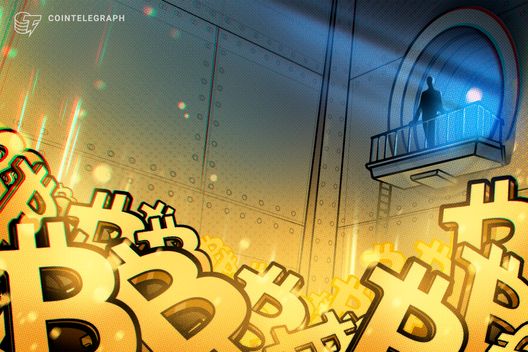
Bitcoin's current price action indicates a significant portion of holders are underwater, with unrealized losses totaling $598.7 billion, mirroring conditions seen in the Q2 2022 bear market. The persistent contraction in apparent demand and negative Coinbase Premium Index suggest ongoing distribution and a lack of strong US investor re-entry, implying further downside risk. Long-term holders are showing signs of capitulation with rising realized losses, indicating a potential prerequisite for a market base formation if selling pressure significantly cools.
Solana's price has broken a key support zone between $110-$120, which has now flipped to resistance, indicating a potential distribution phase rather than a recovery. The current price action suggests a bearish outlook, with lower highs forming and a critical downside target identified at the $50 accumulation zone. Traders should adopt a wait-and-see approach, as Solana is not yet showing signs of a bottom; a confirmed reclaim of the $100-$110 range is needed to signal a potential rally.

Significant whale outflows of $592 million in XRP from major exchanges suggest a shift from potential selling pressure to self-custody, reducing immediate sell-side supply. Despite large XRP withdrawals, the price has fallen below key technical indicators like the 50 SMA, indicating that broader market sentiment, influenced by geopolitical news, is currently overriding on-chain accumulation signals. XRP's market liquidity is at critically low levels, meaning any directional move, whether up or down, is likely to be amplified and occur rapidly due to the shallow order book. While on-chain data points towards accumulation and reduced selling pressure, the price action is heavily dictated by external news cycles, specifically geopolitical events, making technicals and on-chain metrics secondary catalysts for near-term price discovery.

X's new security measure to auto-lock first-time crypto mentioners directly targets the incentive behind widespread phishing attacks, potentially reducing scam activity on the platform. This development highlights the ongoing battle against crypto-related scams on social media and signals a proactive approach by platforms to protect users from fraudulent schemes. While not directly impacting token prices, the enhanced security on X could indirectly benefit the broader crypto ecosystem by fostering greater user trust and reducing negative publicity from scams.
Questions are being raised as to what is next for XRP’s price action since the altcoin faces a critical test at the 50-month EMA.

The $270 million exploit on Drift Protocol highlights a critical vulnerability in Solana's 'durable nonces' feature, which allows indefinitely valid transactions, demonstrating how legitimate protocol features can be weaponized for large-scale theft. This event underscores a growing trend of exploits targeting the 'human layer' and operational security rather than smart contract bugs, suggesting a shift in attacker methodologies and increasing risk for DeFi protocols relying on multi-signature security. The attack's reliance on pre-signed transactions and the subsequent movement of funds through bridges and privacy mixers like Tornado Cash points to systemic risks within cross-chain infrastructure and the challenges of tracing illicit assets. While the exploit did not involve a code vulnerability, the misuse of durable nonces presents a significant challenge for Solana-based protocols, potentially requiring fundamental changes to transaction signing and multisig approval processes to mitigate future risks.

In the middle of a surge higher following President Trump's overnight comments, the price of WTI crude oil quickly fell nearly $6 per barrel on the news.

DeFi's current architecture prioritizes gas efficiency over market resilience, leading to vulnerabilities during periods of high volatility. The computational constraints of current blockchains limit the sophistication of financial logic, pushing complex risk management off-chain and creating an illusion of simplicity. For DeFi to scale responsibly, its computational foundations must evolve to support more capable execution environments, enabling transparent on-chain risk assessment and adaptation. The limitations faced by DeFi are primarily architectural choices related to execution design, not inherent inevitabilities of decentralization.
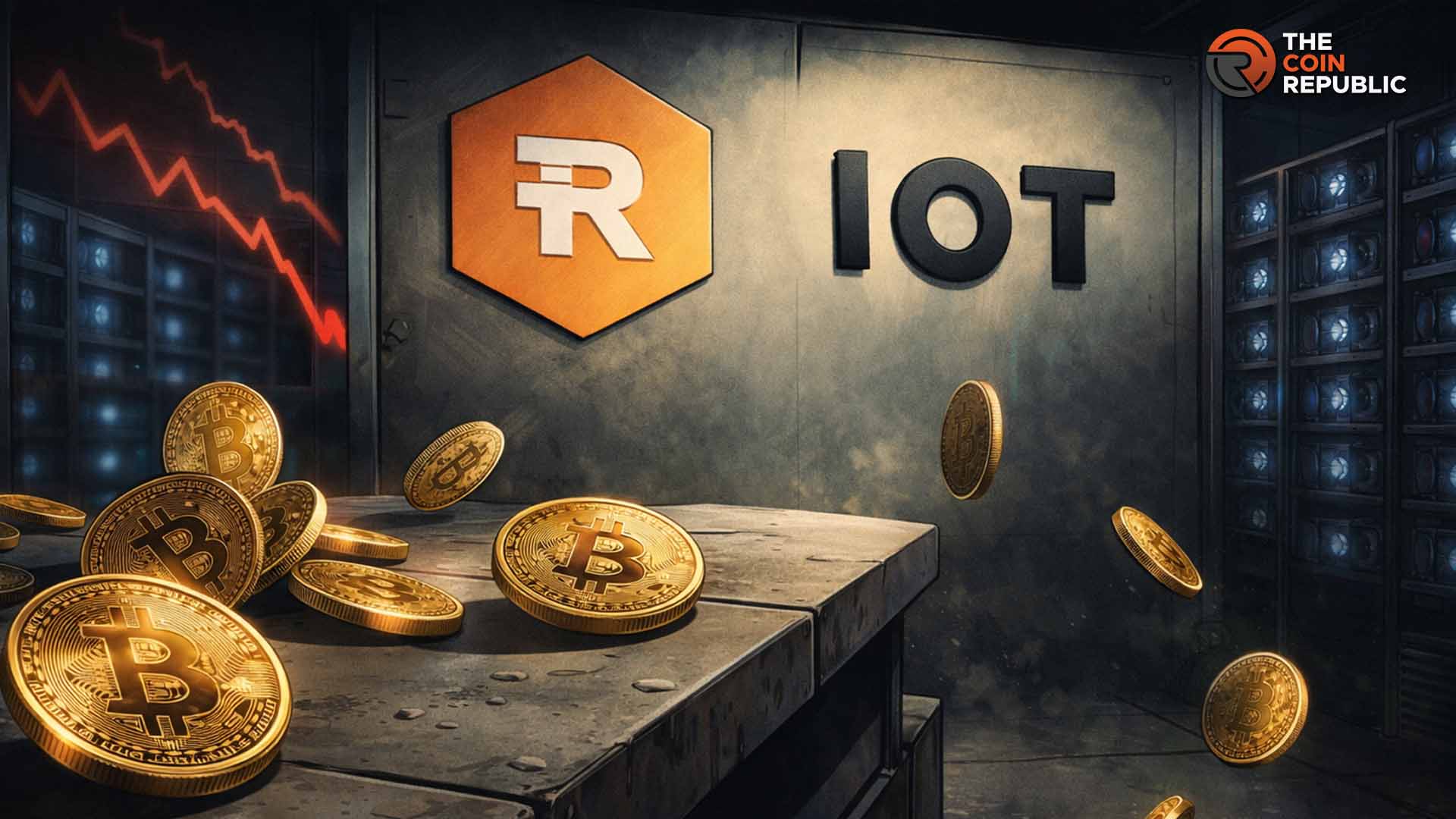
Riot Platforms' sale of 500 BTC for over $34 million has triggered a short-term bearish reaction in its stock, causing a 5% drop in pre-market trading. Despite the immediate stock price decline, analysts maintain a bullish outlook on RIOT, with an average price target of $25.84, suggesting potential for a significant rally. Riot's strategic pivot towards AI and data center infrastructure presents a potential long-term growth catalyst, aiming to diversify revenue beyond traditional Bitcoin mining.

The evolution of crypto custody from simple storage to real-time connectivity is critical for institutional adoption, as asset mobility across fragmented markets directly impacts trading efficiency and liquidity management. Integrated infrastructure that links custody, liquidity, and collateral in real-time offers a competitive advantage, enabling faster execution, better risk management, and capital efficiency for institutional players. The convergence of crypto with traditional finance highlights a shift towards infrastructure-led integration, with custody, tokenization, and stablecoins becoming key control points for value creation. Coordination risks between on-chain settlement and off-chain legal/compliance frameworks remain a primary challenge for institutions, where speed without alignment can introduce significant operational risk.

The CFTC's resolution of the Nishad Singh case, involving a $3.7M disgorgement without civil penalty due to cooperation, signals a pragmatic approach to enforcement that may incentivize future whistleblowers. While this marks the first individual case closure in the FTX enforcement docket, the projected mid-2027 timeline for full resolution suggests ongoing legal complexities that could impact market sentiment around related entities. Nishad Singh's role as head of engineering and his admission to building systems that facilitated fund misappropriation highlight the critical importance of internal controls and technical infrastructure in preventing exchange collapses.

The attribution of the $286 million Drift Protocol exploit to North Korean state-sponsored hackers, if confirmed, highlights the persistent threat of nation-state actors targeting the DeFi sector for illicit funding. The analysis by Elliptic underscores the sophisticated cross-chain laundering techniques employed by these groups, posing significant challenges for tracing and recovery efforts on networks like Solana. The incident's impact on Drift Protocol's token, which has fallen over 40%, demonstrates the immediate market reprisal for major security breaches within decentralized finance platforms. This event reinforces the narrative of North Korea's sustained campaign of crypto theft, with billions stolen annually to fund its weapons programs, indicating a systemic risk to the broader crypto ecosystem.

Bitcoin's price is facing downward pressure, with a prominent analyst suggesting a potential return to $10,000 due to macroeconomic concerns and historical price levels. The correlation between Bitcoin and US stocks is evident as both asset classes decline amid rising oil prices and geopolitical tensions, indicating a risk-off sentiment in broader markets. The surge in oil prices to $114 per barrel, driven by supply fears, could lead to higher inflation, potentially impacting Federal Reserve policy and further pressuring risk assets like Bitcoin.

Law enforcement successfully recovered over $600,000 in USDT, highlighting ongoing efforts to combat crypto fraud and protect users. The phishing scam targeting Ledger wallet owners underscores persistent security risks for hardware wallet users, particularly following past data breaches. This recovery serves as a reminder of the risks associated with phishing attempts and the importance of user vigilance in safeguarding digital assets.
Signal context only. Validate with price action, liquidity, and risk limits before taking a position.
