
Navigating Crypto News

CoinFeather
Navigating Crypto News

Quick market read from this story
The evolution of crypto custody from simple storage to real-time connectivity is critical for institutional adoption, as asset mobility across fragmented markets directly impacts trading efficiency and liquidity management.
Integrated infrastructure that links custody, liquidity, and collateral in real-time offers a competitive advantage, enabling faster execution, better risk management, and capital efficiency for institutional players.
The convergence of crypto with traditional finance highlights a shift towards infrastructure-led integration, with custody, tokenization, and stablecoins becoming key control points for value creation.
Coordination risks between on-chain settlement and off-chain legal/compliance frameworks remain a primary challenge for institutions, where speed without alignment can introduce significant operational risk.
Deep Dive
The institutional crypto market is rapidly evolving beyond simple asset storage, with the next era defined by the real-time connectivity and mobility of digital assets across a fragmented market. While institutional adoption has matured, the primary challenge has shifted from securing assets to efficiently moving and managing them across a complex ecosystem of custodians, exchanges, and counterparties. With over $200 billion in assets under professional custody, the inefficiencies of siloed infrastructure now significantly impact trading, hedging, and liquidity management.
Treasury teams frequently encounter assets stranded across multiple platforms, leading to operational friction that slows trades, restricts intraday liquidity, and heightens risk exposure. Idle assets tie up capital, increase counterparty risk, and complicate portfolio management. In a 24/7 market where speed and real-time visibility are paramount, the ability to mobilize capital across platforms is essential for scale, efficiency, and resilience. The future of the market will be characterized by connectivity, with platforms integrating custody, liquidity, and collateral in real time becoming critical infrastructure.
Networked systems enable faster asset movement, safer collateral rehypothecation, and instant position adjustments, bypassing the delays of siloed setups. Institutions leveraging integrated infrastructure gain advantages in capital efficiency, risk management, and operational agility. Technologies like Bitcoin's Liquid Network exemplify this potential, offering security, transparency, and near-instant settlement. Programmable, digital-native assets can be automatically pledged, transferred, and released based on predefined rules, aligning crypto market operations with traditional finance standards.
The value of a digital asset is increasingly determined not just by its market price, but also by its mobility and utility. Firms that can connect these digital finance channels will achieve better liquidity, faster execution, and strategic flexibility, enabling more effective capital deployment across trading, hedging, and yield generation. Custody itself is transforming from mere storage to a dynamic layer that programmatically validates, transfers, and interacts with assets. Institutional investors should prioritize service providers capable of supporting fast, interconnected, and reliable market activity, looking beyond just security and compliance.
According to Sam Boboev, founder of Fintech Wrap Up, the next phase of institutional crypto market structure is defined by its convergence with traditional financial infrastructure, moving away from a parallel system. This integration is evident in regulated custody, tokenized financial instruments, and stablecoins used as settlement rails. Institutions are adopting crypto for balance sheet efficiency, faster settlement, and programmable financial flows, shifting the market structure towards infrastructure-led integration rather than exchange-led liquidity.
Boboev highlights that the real value is currently being created within the infrastructure layers, specifically in custody, tokenization platforms, and stablecoin issuance, which control how assets are issued, transferred, and settled. While distribution remains important, control over settlement and asset representation is forming the basis of defensibility, driving traditional players to focus on tokenized money market funds, on-chain repo, and institutional-grade stablecoins.
The primary risk for institutions is not market volatility, but the coordination across legal, technical, and operational layers. While tokenized assets can settle instantly, ownership rights, compliance rules, and jurisdictional enforcement often operate off-chain, creating a structural mismatch. Institutions require systems where the ledger, compliance logic, and legal frameworks are aligned to ensure that speed enhances efficiency rather than introducing risk.
Interoperability and network connectivity, alongside regulatory clarity, will be crucial for institutions seeking to scale efficiently in crypto markets. Strategies built around connected, integrated infrastructure will position firms to capitalize on opportunities that siloed competitors cannot. As institutional participation grows, the competitive advantage in crypto markets will increasingly stem from the effective deployment and mobilization of capital. Connectivity, interoperability, and real-time collateral mobility will shape the infrastructure institutions rely on for large-scale trading, hedging, and risk management. Prioritizing integrated systems will better equip firms to navigate an increasingly fast-paced, interconnected, and operationally demanding market.
Source, catalyst, and sector overlap from the latest feed.
The CFTC's lawsuit against Illinois asserts exclusive federal jurisdiction over prediction markets as swaps, potentially setting a precedent for regulatory control over novel financial instruments. This legal challenge by the CFTC highlights a significant regulatory conflict between federal and state authorities regarding the oversight of prediction markets, impacting their operational clarity and potential for growth. The ongoing legal battles, including an upcoming Ninth Circuit hearing, indicate a period of regulatory uncertainty for prediction market platforms, which could influence investor sentiment and platform development.
Coinbase's conditional OCC approval for a national trust charter signifies a move towards enhanced regulatory compliance and a more stable revenue stream from custody services, potentially reducing reliance on volatile trading fees. The federal charter, if finalized, would position Coinbase as a federally regulated crypto custodian, offering greater assurance to institutional investors seeking secure asset holding and potentially attracting more capital into regulated crypto products. This development, alongside similar applications from other firms, indicates a growing institutional demand for regulated custody solutions, suggesting a maturing crypto market infrastructure focused on trust and security.
X's new security measure to auto-lock first-time crypto mentioners directly targets the incentive behind widespread phishing attacks, potentially reducing scam activity on the platform. This development highlights the ongoing battle against crypto-related scams on social media and signals a proactive approach by platforms to protect users from fraudulent schemes. While not directly impacting token prices, the enhanced security on X could indirectly benefit the broader crypto ecosystem by fostering greater user trust and reducing negative publicity from scams.
The $270 million exploit on Drift Protocol highlights a critical vulnerability in Solana's 'durable nonces' feature, which allows indefinitely valid transactions, demonstrating how legitimate protocol features can be weaponized for large-scale theft. This event underscores a growing trend of exploits targeting the 'human layer' and operational security rather than smart contract bugs, suggesting a shift in attacker methodologies and increasing risk for DeFi protocols relying on multi-signature security. The attack's reliance on pre-signed transactions and the subsequent movement of funds through bridges and privacy mixers like Tornado Cash points to systemic risks within cross-chain infrastructure and the challenges of tracing illicit assets. While the exploit did not involve a code vulnerability, the misuse of durable nonces presents a significant challenge for Solana-based protocols, potentially requiring fundamental changes to transaction signing and multisig approval processes to mitigate future risks.
In the middle of a surge higher following President Trump's overnight comments, the price of WTI crude oil quickly fell nearly $6 per barrel on the news.
Ripple Treasury's direct SWIFT integration signifies a major step in bridging traditional finance with digital assets, potentially increasing XRP utility and adoption for corporate cross-border payments. The dual approach allowing corporates to choose between SWIFT and Ripple's blockchain solution offers flexibility, potentially driving demand for XRP and RLUSD by providing faster, cheaper settlement options. This development positions Ripple Treasury as a key player in modernizing corporate treasury management, offering real-time control and operational efficiency by unifying fiat and digital asset management.
Weak US spot demand, indicated by a persistently negative Coinbase Premium, suggests a lack of strong accumulation from US investors, potentially capping upside momentum. Bitcoin is positioned between significant liquidation zones, with a larger cluster above current prices suggesting potential volatility as leveraged positions are triggered. The mixed signals from US demand and liquidation levels indicate an unresolved market dynamic, warranting a cautious approach until clearer directional catalysts emerge. Traders should monitor the Coinbase Premium for signs of sustained US investor interest and the liquidation heatmap for potential price targets driven by forced liquidations.
The Trump administration's intervention via DOJ and CFTC lawsuits against states signals a strong federal stance favoring prediction markets, potentially clarifying regulatory ambiguity. This legal action directly challenges state-level gambling regulations, aiming to establish exclusive federal jurisdiction for prediction markets under the CFTC. The development escalates a significant jurisdictional battle, with potential implications for the future regulatory framework of prediction markets and related digital assets. Market participants should monitor the outcomes of these lawsuits as they will determine the operational landscape for platforms like Kalshi and Polymarket.
Alabama's new law provides a legal framework for DAOs, establishing them as separate legal entities and offering limited liability to members, which could encourage more decentralized nonprofit organizations to operate within the state. The DUNA framework, effective October 2026, follows Wyoming's lead and aims to provide a clearer legal structure for DAOs, potentially reducing operational risks and increasing legitimacy for these entities. While this development offers a path for DAOs to engage more formally with traditional legal systems, its application is limited to nonprofit-oriented organizations with at least 100 members.
Ripple CTO David Schwartz argues XRP and stablecoins serve distinct market needs, suggesting XRP's potential upside and lack of issuer control offer advantages over stablecoins in specific use cases, which could support its long-term utility despite stablecoin growth. Ripple's expansion of its institutional product suite, including Digital Asset Accounts and Unified Treasury, alongside a BBB issuer rating for Ripple Prime, indicates a strategic push to integrate digital assets into traditional corporate finance workflows, potentially driving adoption. Despite the ongoing debate on utility, XRP's price action remains under technical pressure, with recent failures below key resistance levels suggesting short-term bearish sentiment that traders should monitor for potential further downside if support breaks.
Live Feed
Loading the broader stream in the same flow as the homepage feed.
Ethereum whale holdings are concentrating in larger wallets (10k-100k ETH), indicating a potential shift in market control and liquidity dynamics. Despite a short-term trendline break, ETH faces significant resistance between $2,153 and $2,281, suggesting the broader bearish structure remains intact. The divergence between accumulating whales and decreasing smaller whale cohorts suggests a top-heavy accumulation pattern rather than broad-based retail interest. Traders should monitor the $2,379 level as a key invalidation point for the current bearish outlook, with significant support zones identified below $1,972.
Coinbase launches x402 under Linux Foundation, building a global, programmable payment layer supported by Google, AWS, Stripe, and Visa.

Researchers have developed a brain-inspired chip that could make AI tasks up to 2,000 times more energy efficient by processing data directly in hardware. This advancement in AI hardware efficiency could significantly reduce the energy consumption of AI applications, particularly those dealing with time-series data like weather forecasting or health monitoring. The development signals a potential shift in AI architecture, moving towards physical process-based computation rather than solely software-dependent methods, which could have broader implications for the AI sector's energy footprint.

Soluna's acquisition of a wind farm for its AI data center signals a strategic pivot to diversify revenue streams beyond Bitcoin mining, addressing industry-wide margin pressures. The move highlights a broader trend of crypto infrastructure companies leveraging renewable energy assets to support the burgeoning AI sector, potentially creating new demand for power-intensive computing. With Soluna's shares up 7.6% on the news, the market is reacting positively to this diversification strategy, suggesting investor confidence in its AI infrastructure expansion.

Postquant Labs' launch of Quip Network introduces a novel Proof-of-Work mechanism optimized for quantum computers, potentially reducing energy consumption compared to traditional hashing methods. The development highlights a divergence in quantum computing's impact, offering a potential new mining paradigm while simultaneously posing a long-term threat to existing cryptography like Bitcoin's. While Quip Network aims to leverage quantum annealing for mining, the accessibility and maturity of quantum hardware remain significant barriers to widespread adoption, limiting immediate market impact. The QUIP token's utility for renting quantum computing time suggests a potential new economic model within the crypto ecosystem, drawing parallels to AI-focused networks like Bittensor.

Vitalik Buterin's emphasis on private, local, and security-first AI LLM setups highlights a critical divergence from mainstream AI development, potentially influencing future decentralized AI infrastructure and user trust within the crypto ecosystem. Surging Ethereum network activity, with over 788,000 daily active addresses and 255,000 new wallets, indicates strong user engagement and potential capital inflow, providing a fundamental backdrop for ETH's price performance despite recent volatility. ETH's historical April performance, averaging 16.6% gains, coupled with a positive March close, suggests potential for a near-term rally, though tempered by broader market volatility and mixed ETF flows.
Binance's expansion into energy futures with up to 100x leverage on WTI, Brent crude, and natural gas contracts offers crypto traders new avenues for commodity exposure. The introduction of these energy derivatives on a crypto-settled platform diversifies Binance's offerings beyond crypto and metals, potentially attracting traditional commodity traders. The 24/7 trading schedule and 4-hour funding rate settlements for these contracts present unique opportunities and risks for short-term trading strategies. While offering high leverage, the inherent volatility of energy markets combined with crypto derivatives mechanics necessitates careful risk management for traders.

Coinbase's conditional OCC bank charter approval signifies increased integration with traditional finance, potentially enabling new product offerings for institutional and retail clients. The federal charter provides regulatory uniformity for Coinbase's custody services, removing potential barriers to interstate expansion in banking-related operations. Despite the banking charter, Coinbase explicitly stated it will not operate as a commercial bank, avoiding deposit-taking and fractional reserve practices, thus maintaining a distinct operational model.

Vitalik Buterin's emphasis on local-first AI processing and custom security daemons highlights a growing concern for data privacy and security in the AI era, potentially influencing future decentralized AI development. The integration of human approval for AI-initiated transactions, mirroring Buterin's crypto security practices, suggests a model for secure agentic systems that could be adopted by other blockchain projects. Buterin's critique of cloud-based AI and citation of malicious code in open-source AI tools underscore the risks associated with current AI development, reinforcing the value proposition of privacy-focused and decentralized solutions. The adoption of the Qwen3.5:35B model on local hardware demonstrates the increasing viability of running advanced AI locally, potentially reducing reliance on centralized cloud infrastructure for AI tasks.
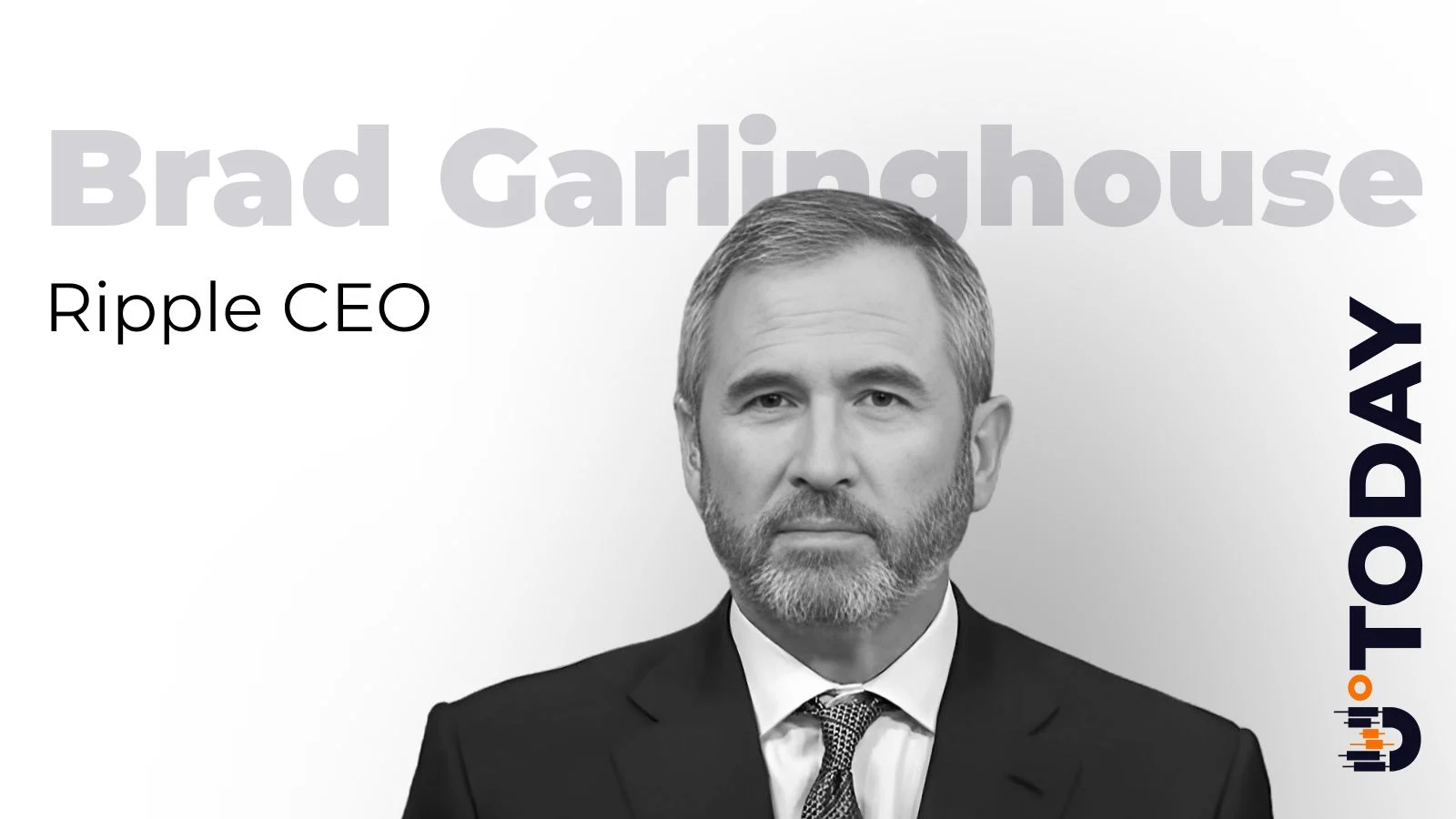
Ripple Prime has secured an investment-grade BBB rating from Kroll, validating its financial strength, operational reliability, and technological infrastructure. This rating positions Ripple Prime comparably to traditional banks in the eyes of regulators and institutional investors, potentially attracting more conservative capital. Despite the positive rating, XRP's price remains stagnant, indicating a disconnect between fundamental validation and current market sentiment among retail investors. The BBB rating serves as a significant de-risking factor for Ripple's institutional offerings, potentially paving the way for broader adoption and integration.
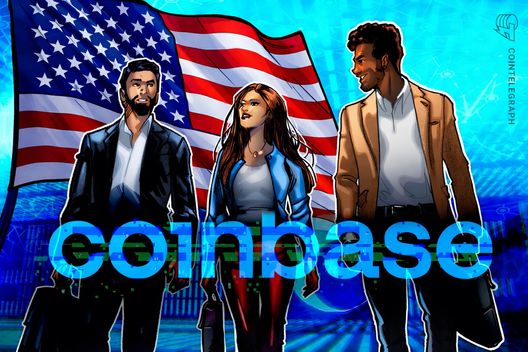
Coinbase's conditional approval for a national bank trust charter from the OCC signifies a significant step towards regulatory uniformity for its custody and market infrastructure business. This development, while not indicating Coinbase will become a commercial bank, bridges crypto and traditional finance, potentially setting a precedent for other exchanges seeking similar regulatory clarity. The timing of this approval, amidst ongoing debates on digital asset market structure legislation, could influence future regulatory frameworks for the crypto industry in the US.
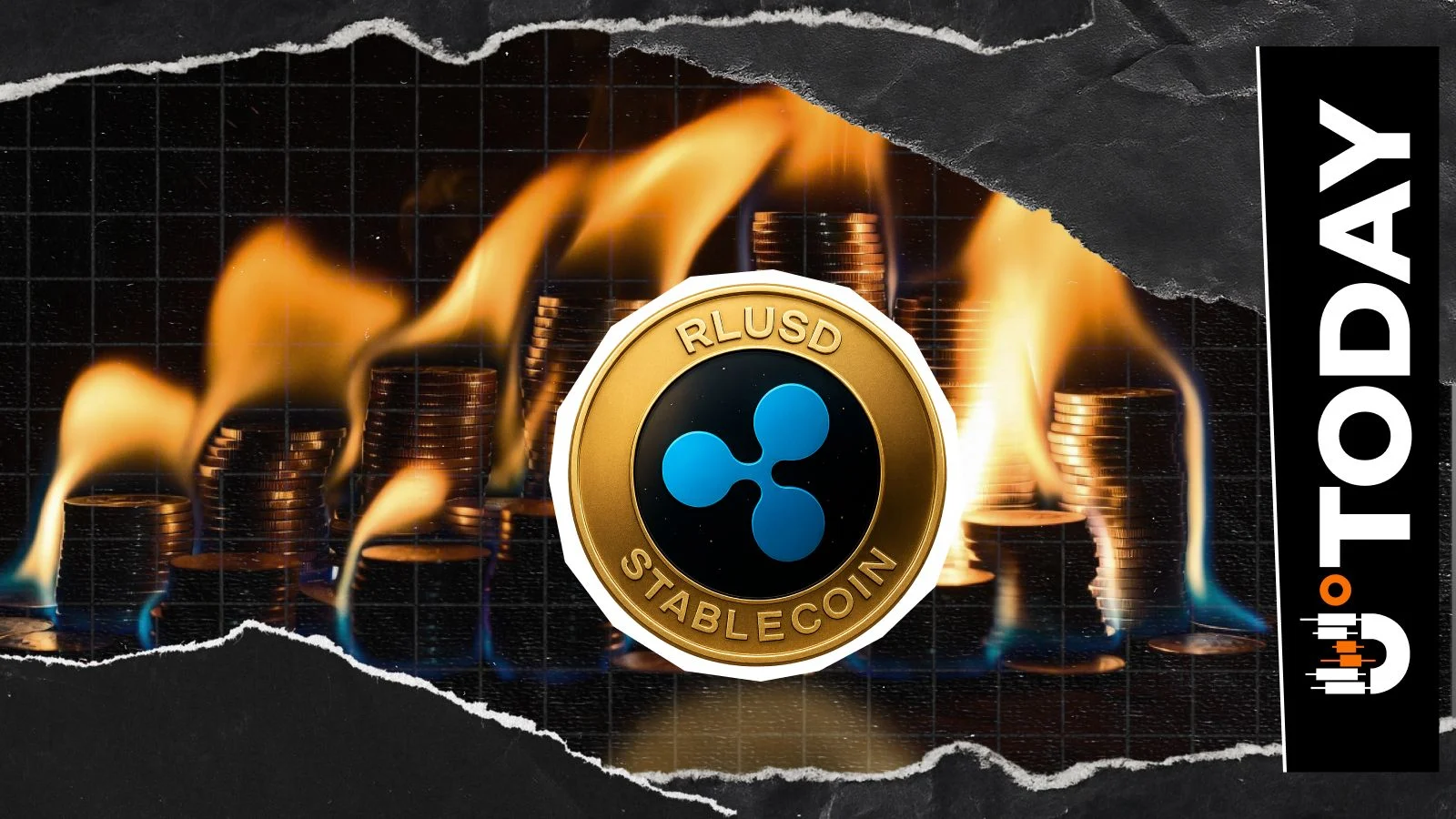
Ripple's substantial RLUSD burn of nearly 40 million tokens demonstrates a commitment to supply management, potentially signaling a strategy to support stablecoin value through scarcity. The community's demand for transparency regarding RLUSD burns highlights a growing need for clear communication from stablecoin issuers, as a lack of explanation can foster speculation. While the burn itself is a supply-side event, the lack of immediate price impact suggests the market is currently absorbing this information without significant repricing, indicating a neutral short-term outlook for RLUSD.

A Solana meme coin, JONATHAN, experienced a brief surge in market cap from $40,000 to $380,000 following a fabricated death hoax of a 194-year-old tortoise, highlighting the speculative and event-driven nature of meme coin markets. The JONATHAN meme coin's market cap has since retraced to approximately $50,000, indicating the ephemeral impact of the hoax and the lack of sustained investor interest beyond the initial speculative frenzy. The perpetrator of the hoax explicitly linked the event to the JONATHAN meme coin, soliciting crypto donations and promoting the token, demonstrating a tactic to leverage social media virality for meme coin promotion.
Signal context only. Validate with price action, liquidity, and risk limits before taking a position.
