
Navigating Crypto News

CoinFeather
Navigating Crypto News
Source, catalyst, and sector overlap from the latest feed.
Ripple Treasury's direct SWIFT integration signifies a major step in bridging traditional finance with digital assets, potentially increasing XRP utility and adoption for corporate cross-border payments. The dual approach allowing corporates to choose between SWIFT and Ripple's blockchain solution offers flexibility, potentially driving demand for XRP and RLUSD by providing faster, cheaper settlement options. This development positions Ripple Treasury as a key player in modernizing corporate treasury management, offering real-time control and operational efficiency by unifying fiat and digital asset management.
Live Feed
Loading the broader stream in the same flow as the homepage feed.
The Trump administration's intervention via DOJ and CFTC lawsuits against states signals a strong federal stance favoring prediction markets, potentially clarifying regulatory ambiguity. This legal action directly challenges state-level gambling regulations, aiming to establish exclusive federal jurisdiction for prediction markets under the CFTC. The development escalates a significant jurisdictional battle, with potential implications for the future regulatory framework of prediction markets and related digital assets. Market participants should monitor the outcomes of these lawsuits as they will determine the operational landscape for platforms like Kalshi and Polymarket.

Researchers have developed a brain-inspired chip that could make AI tasks up to 2,000 times more energy efficient by processing data directly in hardware. This advancement in AI hardware efficiency could significantly reduce the energy consumption of AI applications, particularly those dealing with time-series data like weather forecasting or health monitoring. The development signals a potential shift in AI architecture, moving towards physical process-based computation rather than solely software-dependent methods, which could have broader implications for the AI sector's energy footprint.

Soluna's acquisition of a wind farm for its AI data center signals a strategic pivot to diversify revenue streams beyond Bitcoin mining, addressing industry-wide margin pressures. The move highlights a broader trend of crypto infrastructure companies leveraging renewable energy assets to support the burgeoning AI sector, potentially creating new demand for power-intensive computing. With Soluna's shares up 7.6% on the news, the market is reacting positively to this diversification strategy, suggesting investor confidence in its AI infrastructure expansion.

Postquant Labs' launch of Quip Network introduces a novel Proof-of-Work mechanism optimized for quantum computers, potentially reducing energy consumption compared to traditional hashing methods. The development highlights a divergence in quantum computing's impact, offering a potential new mining paradigm while simultaneously posing a long-term threat to existing cryptography like Bitcoin's. While Quip Network aims to leverage quantum annealing for mining, the accessibility and maturity of quantum hardware remain significant barriers to widespread adoption, limiting immediate market impact. The QUIP token's utility for renting quantum computing time suggests a potential new economic model within the crypto ecosystem, drawing parallels to AI-focused networks like Bittensor.

Vitalik Buterin's emphasis on private, local, and security-first AI LLM setups highlights a critical divergence from mainstream AI development, potentially influencing future decentralized AI infrastructure and user trust within the crypto ecosystem. Surging Ethereum network activity, with over 788,000 daily active addresses and 255,000 new wallets, indicates strong user engagement and potential capital inflow, providing a fundamental backdrop for ETH's price performance despite recent volatility. ETH's historical April performance, averaging 16.6% gains, coupled with a positive March close, suggests potential for a near-term rally, though tempered by broader market volatility and mixed ETF flows.

The CFTC's lawsuit against Illinois asserts exclusive federal jurisdiction over prediction markets as swaps, potentially setting a precedent for regulatory control over novel financial instruments. This legal challenge by the CFTC highlights a significant regulatory conflict between federal and state authorities regarding the oversight of prediction markets, impacting their operational clarity and potential for growth. The ongoing legal battles, including an upcoming Ninth Circuit hearing, indicate a period of regulatory uncertainty for prediction market platforms, which could influence investor sentiment and platform development.
Binance's expansion into energy futures with up to 100x leverage on WTI, Brent crude, and natural gas contracts offers crypto traders new avenues for commodity exposure. The introduction of these energy derivatives on a crypto-settled platform diversifies Binance's offerings beyond crypto and metals, potentially attracting traditional commodity traders. The 24/7 trading schedule and 4-hour funding rate settlements for these contracts present unique opportunities and risks for short-term trading strategies. While offering high leverage, the inherent volatility of energy markets combined with crypto derivatives mechanics necessitates careful risk management for traders.

Coinbase's conditional OCC bank charter approval signifies increased integration with traditional finance, potentially enabling new product offerings for institutional and retail clients. The federal charter provides regulatory uniformity for Coinbase's custody services, removing potential barriers to interstate expansion in banking-related operations. Despite the banking charter, Coinbase explicitly stated it will not operate as a commercial bank, avoiding deposit-taking and fractional reserve practices, thus maintaining a distinct operational model.

Coinbase's conditional OCC approval for a national trust charter signifies a move towards enhanced regulatory compliance and a more stable revenue stream from custody services, potentially reducing reliance on volatile trading fees. The federal charter, if finalized, would position Coinbase as a federally regulated crypto custodian, offering greater assurance to institutional investors seeking secure asset holding and potentially attracting more capital into regulated crypto products. This development, alongside similar applications from other firms, indicates a growing institutional demand for regulated custody solutions, suggesting a maturing crypto market infrastructure focused on trust and security.

Vitalik Buterin's emphasis on local-first AI processing and custom security daemons highlights a growing concern for data privacy and security in the AI era, potentially influencing future decentralized AI development. The integration of human approval for AI-initiated transactions, mirroring Buterin's crypto security practices, suggests a model for secure agentic systems that could be adopted by other blockchain projects. Buterin's critique of cloud-based AI and citation of malicious code in open-source AI tools underscore the risks associated with current AI development, reinforcing the value proposition of privacy-focused and decentralized solutions. The adoption of the Qwen3.5:35B model on local hardware demonstrates the increasing viability of running advanced AI locally, potentially reducing reliance on centralized cloud infrastructure for AI tasks.
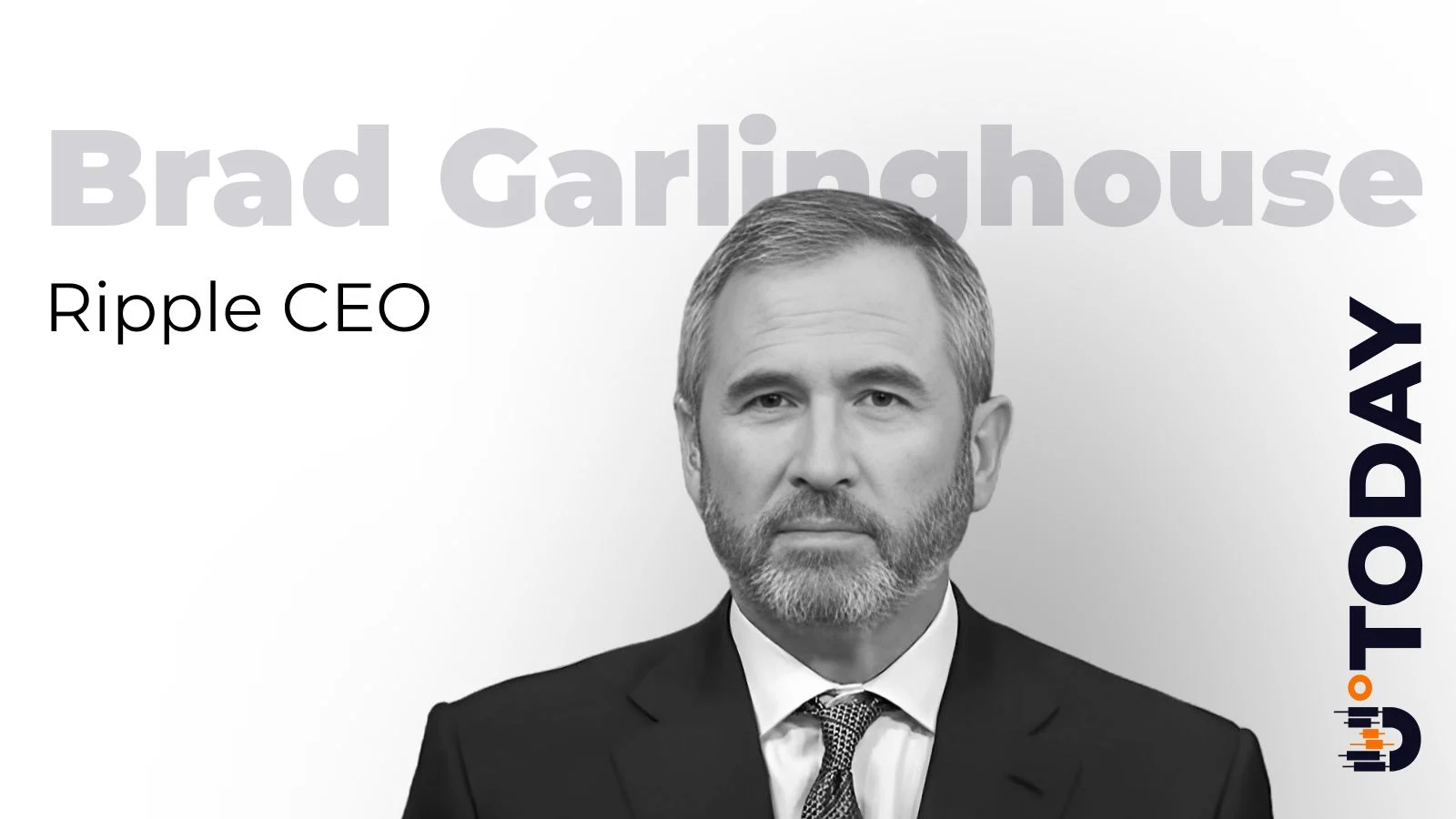
Ripple Prime has secured an investment-grade BBB rating from Kroll, validating its financial strength, operational reliability, and technological infrastructure. This rating positions Ripple Prime comparably to traditional banks in the eyes of regulators and institutional investors, potentially attracting more conservative capital. Despite the positive rating, XRP's price remains stagnant, indicating a disconnect between fundamental validation and current market sentiment among retail investors. The BBB rating serves as a significant de-risking factor for Ripple's institutional offerings, potentially paving the way for broader adoption and integration.
Coinbase's conditional approval for a national bank trust charter from the OCC signifies a significant step towards regulatory uniformity for its custody and market infrastructure business. This development, while not indicating Coinbase will become a commercial bank, bridges crypto and traditional finance, potentially setting a precedent for other exchanges seeking similar regulatory clarity. The timing of this approval, amidst ongoing debates on digital asset market structure legislation, could influence future regulatory frameworks for the crypto industry in the US.
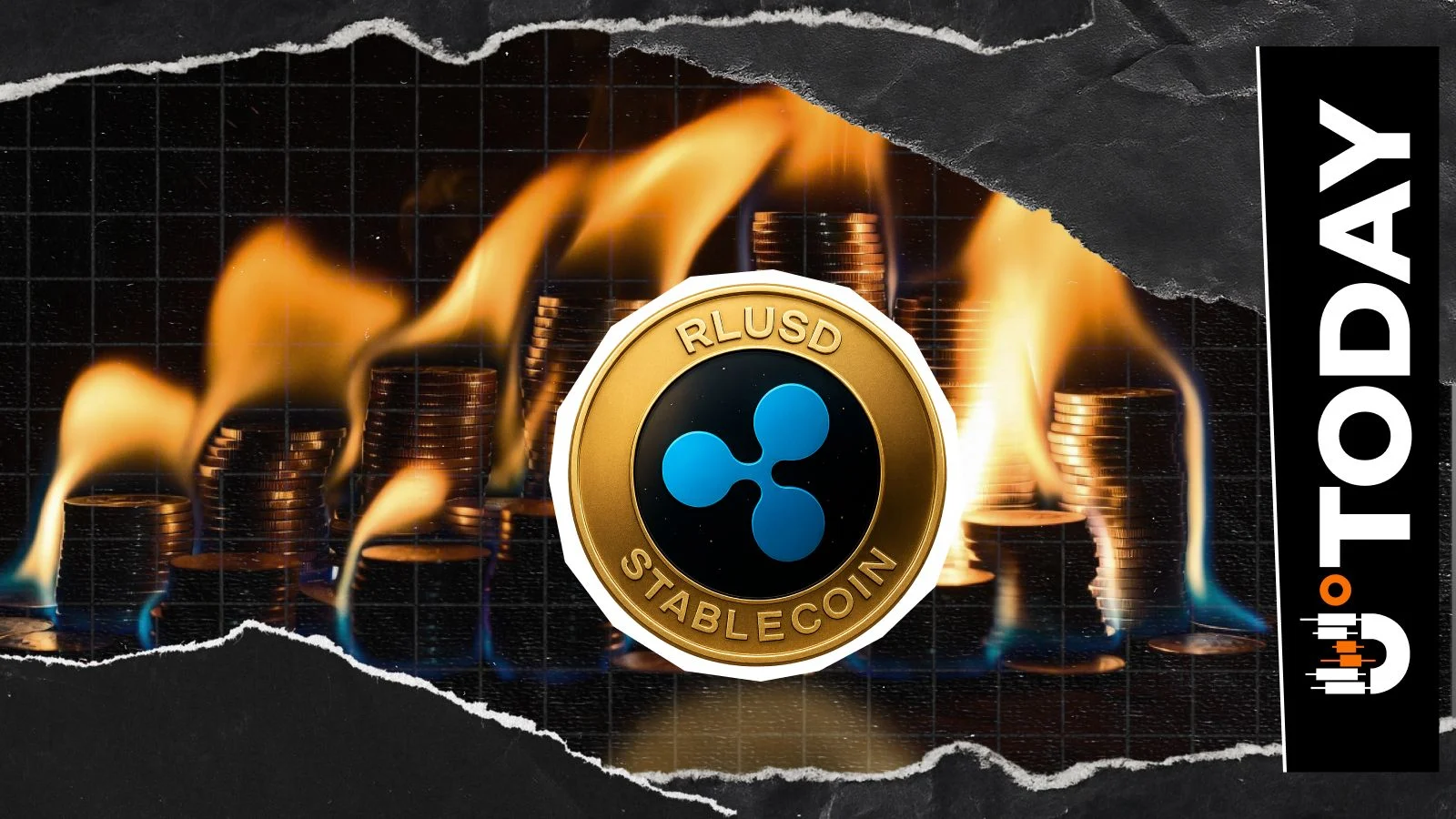
Ripple's substantial RLUSD burn of nearly 40 million tokens demonstrates a commitment to supply management, potentially signaling a strategy to support stablecoin value through scarcity. The community's demand for transparency regarding RLUSD burns highlights a growing need for clear communication from stablecoin issuers, as a lack of explanation can foster speculation. While the burn itself is a supply-side event, the lack of immediate price impact suggests the market is currently absorbing this information without significant repricing, indicating a neutral short-term outlook for RLUSD.

A Solana meme coin, JONATHAN, experienced a brief surge in market cap from $40,000 to $380,000 following a fabricated death hoax of a 194-year-old tortoise, highlighting the speculative and event-driven nature of meme coin markets. The JONATHAN meme coin's market cap has since retraced to approximately $50,000, indicating the ephemeral impact of the hoax and the lack of sustained investor interest beyond the initial speculative frenzy. The perpetrator of the hoax explicitly linked the event to the JONATHAN meme coin, soliciting crypto donations and promoting the token, demonstrating a tactic to leverage social media virality for meme coin promotion.

CME Group's expansion to 24/7 crypto futures and options trading, pending regulatory approval, signals increased institutional demand and aims to capture missed opportunities in a non-stop market. The move by CME Group to offer continuous trading for Bitcoin, Ethereum, Solana, XRP, Cardano, Chainlink, and Stellar futures and options could enhance liquidity and accessibility for institutional traders. Increased client demand for risk management in digital assets, evidenced by CME Group's record $3 trillion notional volume in 2025, underpins this strategic shift towards round-the-clock trading.
Signal context only. Validate with price action, liquidity, and risk limits before taking a position.
Weak US spot demand, indicated by a persistently negative Coinbase Premium, suggests a lack of strong accumulation from US investors, potentially capping upside momentum. Bitcoin is positioned between significant liquidation zones, with a larger cluster above current prices suggesting potential volatility as leveraged positions are triggered. The mixed signals from US demand and liquidation levels indicate an unresolved market dynamic, warranting a cautious approach until clearer directional catalysts emerge. Traders should monitor the Coinbase Premium for signs of sustained US investor interest and the liquidation heatmap for potential price targets driven by forced liquidations.
