
Navigating Crypto News

CoinFeather
Navigating Crypto News

Quick market read from this story
Rakebit's enhanced loyalty program, featuring a 50-tier structure and a full rakeback promotion for new users up to $1,000 in wagers, aims to incentivize user acquisition and retention within its crypto casino platform.
The upgrade addresses previous criticisms of slow early-level progression and premature cap achievement, suggesting a strategic effort to improve player engagement and reward distribution across the user lifecycle.
While the promotion offers a zero house edge initially, the permanent 10% rakeback and scaling daily cashback from level 10 onwards indicate a sustainable model designed to retain players long-term.
Deep Dive
Cryptocurrency-focused online casino Rakebit has launched the second version of its Loyalty Leveling System, significantly expanding the program from 20 to 50 tiers. A key feature of this upgrade is a new promotion offering a zero house edge for new users on their initial wagers.
The revamped system introduces a 100% rakeback mechanic for the first nine loyalty levels, covering up to $1,000 in cumulative wagers. During this introductory period, Rakebit returns the entire house margin to the player, effectively eliminating the casino's profit as a user acquisition strategy. Once players surpass Level 9, the system shifts to a permanent 10% base rakeback, supplemented by daily cashback rewards that start at 2% and increase to a maximum of 25% at the highest tiers.
Rakebit stated that the redesigned progression curve addresses issues with the previous model, which saw early levels progress too slowly and top-tier players reaching the cap too quickly. The expanded 50-level structure aims to distribute rewards more evenly across a player's entire engagement with the platform.
Rakebit casino continues to offer account registration without mandatory identity verification, supporting sign-ups via email, Google, Telegram, or X. The platform supports over 30 cryptocurrencies and features a library of more than 7,000 games from providers such as Pragmatic Play, Hacksaw, NetEnt, and Red Tiger. Additionally, Rakebit offers sixteen in-house titles that utilize provably fair mechanics with a Return to Player (RTP) rate of up to 99%.
The new rakeback promotion is automatically applied to new accounts upon their first deposit and does not require an activation code.
Source, catalyst, and sector overlap from the latest feed.
Bitcoin has officially entered traditional credit markets as pledged collateral, marking a significant shift from simply being held or traded. This development introduces new liquidity avenues for Bitcoin holders but also creates a mechanism where price declines can trigger automatic liquidations across multiple structures. The Waverose Finance Project bond issuance, rated by Moody's, sets precedent for Bitcoin's valuation and risk parameters within traditional finance, with potential for future deals to refine these terms. While offering a new utility for Bitcoin, the collateralization structure also highlights potential systemic risks if widespread liquidations occur simultaneously during market stress.
Geopolitical threats targeting major US tech and financial firms now pose a direct risk to crypto infrastructure, as these companies provide essential services like cloud computing and payment rails. The entanglement of crypto with traditional tech giants and banks means that geopolitical tensions can impact digital assets through disruptions to cloud services, payment flows, and corporate treasury holdings before directly affecting token prices. Companies like Google, JPMorgan, and Tesla, named in Iran's threats, have significant ties to the crypto ecosystem through cloud services, blockchain payment platforms, and direct Bitcoin holdings, highlighting the expanding indirect exposure of digital assets. The market's next test will be whether these threats materialize into actual disruptions of critical infrastructure, which could manifest as reduced cloud resilience or payment flow issues before impacting crypto asset prices.
Bitcoin faces a critical test at the $70,000 resistance zone, where a large supply overhang from recent buyers is expected to be absorbed by renewed demand, influenced by upcoming U.S. payroll data. Improved macro conditions, including easing geopolitical tensions, a softer dollar, and lower yields, provide a supportive backdrop for Bitcoin, but internal market structure requires validation through increased demand to break through overhead supply. The derivatives market shows neutral funding and compressed volatility, indicating reduced leverage and a lack of strong directional conviction, suggesting conditions are ripe for a significant move once a clear catalyst emerges. U.S. ETF flows are showing positive signs, but not yet at a scale to overcome the immediate $70,000 resistance, highlighting that while external factors are improving, internal demand must prove sufficient to absorb selling pressure.
Bitcoin's historical correlation with global M2 money supply is breaking down due to rapid dollar strengthening, indicating that liquidity expansion alone is no longer a sufficient driver of price action. The dollar's immediate tightening effect on financial conditions, driven by factors like oil shocks and repriced Fed rate expectations, now outpaces the slower transmission of M2 liquidity growth, creating a divergence in market signals. Traders must recalibrate their models as Bitcoin's sensitivity to dollar moves and risk aversion is currently overriding the supportive backdrop of increasing M2, suggesting a shift in short-term market dynamics. The near-term outlook for Bitcoin hinges on whether the dollar's strength proves temporary; a stabilization or reversal could allow M2 to reassert its influence, while sustained dollar dominance would prolong the current divergence.
Bitcoin's Q1 performance was significantly impacted by macro and geopolitical pressures, shifting its narrative from a potential inflation hedge to a leveraged macro trade. Weakening institutional demand, evidenced by net outflows from Bitcoin ETFs and reduced corporate treasury buying, failed to absorb selling pressure from miners and long-term holders. The derivatives market shows continued caution, with negative funding rates and high put-call ratios indicating traders are bracing for further downside rather than anticipating a strong recovery. The confluence of war-driven energy shocks, sticky inflation concerns, and rising Treasury yields created a challenging environment for risk assets like Bitcoin, overshadowing the initial optimism surrounding ETF approvals.
Ola Electric's stock surge is driven by a significant increase in March EV demand, with daily orders exceeding 1,000 units and registrations showing over 150% month-on-month growth. Improved service operations, including faster turnaround times and better parts availability, are rebuilding customer confidence and contributing to the demand recovery. The company achieved a historic milestone of 1 million cumulative EV registrations in India, underscoring its market position and commitment to accelerating EV adoption. Ola Electric's focus on advancing battery technology and domestic manufacturing signals a strategic push to reduce India's reliance on imported oil, potentially impacting the broader energy and automotive sectors.
Ripple Treasury's launch of native on-chain capabilities for corporate finance represents a significant step towards institutional adoption by simplifying the management of fiat and digital assets within existing workflows. The platform's ability to integrate fiat, XRP, and RLUSD aims to lower barriers for enterprises exploring digital assets, positioning Ripple as a facilitator rather than a disruptor in the institutional crypto space. With a reported $13 trillion in payments processed last year, Ripple Treasury's enhanced digital asset support is poised to accelerate growth and solidify XRP's role in enterprise financial systems.
OpenEden's introduction of HYBOND, a tokenized high-yield corporate bond, signifies a crucial expansion of the tokenized real-world asset (RWA) market beyond traditional treasury products. This development offers investors access to higher yield potential through actively managed corporate bonds on-chain, potentially attracting capital seeking greater returns than cash-equivalent RWAs. The collaboration with BNY Investments, a unit of BNY, lends credibility to the product and suggests a growing institutional appetite for integrating more complex fixed-income instruments into the tokenized ecosystem.
Ripple's integration of XRP and RLUSD into its enterprise treasury management system signifies a major step towards mainstream corporate adoption of digital assets. The new features enable CFOs to manage digital assets alongside fiat within a single platform, reducing operational friction and potentially increasing demand for supported tokens. This development positions Ripple Treasury as a first-mover in offering native digital asset management within traditional treasury solutions, potentially setting a new industry standard. The expansion into cross-border settlement and yield generation powered by stablecoins indicates a broader strategy to leverage digital assets for enhanced corporate finance functionalities.
Paradigm's development of a prediction market terminal and potential market-making desk signals a significant institutional push into a rapidly growing crypto sector, potentially increasing liquidity and sophistication for traders. The expansion of prediction market infrastructure by a major VC like Paradigm, alongside interest from traditional finance players, suggests a maturing market with substantial growth potential, though regulatory hurdles remain a key concern. While the news highlights growing interest and infrastructure development in prediction markets, the lack of direct token launches or specific asset mentions from Paradigm means the immediate trading impact is indirect, focusing on the broader ecosystem's development.
Paris Hilton's continued investment and advocacy in crypto and Web3, including NFTs and the metaverse, signals a sustained interest from high-profile individuals in digital asset innovation. Her personal investment in Bitcoin and Ethereum since 2016, alongside her successful NFT sales and metaverse ventures, highlights the growing integration of digital assets into mainstream celebrity portfolios. Hilton's role as an investor and advisor for Origin Protocol and her development of 'Paris World' on Roblox demonstrate a strategic approach to leveraging digital platforms for brand expansion and community engagement.
Rec Room's shutdown highlights the persistent challenge of monetizing large user bases in the gaming and VR sectors, indicating that high engagement alone does not guarantee a sustainable business model. The company's decision to wind down operations due to escalating costs and market shifts, despite attracting over 150 million users, suggests a critical failure in aligning revenue with operational expenses, a key risk for many digital platforms. The phased reduction in platform functionality and monetization features ahead of the June 1, 2026 closure serves as a case study for orderly digital asset ecosystem wind-downs, impacting user sentiment and asset utility.
Understanding user cognitive load and mobile interface design is crucial for crypto casino platforms aiming to optimize short-session gameplay. Fast-paced games like roulette, Keno, and Plinko are favored for short crypto casino sessions due to their simple rules and quick outcomes, reducing mental effort. The choice of game format in crypto casinos significantly impacts the user experience during brief sessions, with clarity and quick resolution being key factors for player satisfaction. While slots are often perceived as short-session games, modern variants with complex features can extend engagement, offering a different dynamic for players.
Metaspins, a crypto casino launched in 2022, offers a broad range of over 5,000 games and a sportsbook, indicating continued growth in the crypto-gambling sector. The platform's focus on a KYC-light experience, fast crypto payouts, and daily rewards like lootboxes suggests a strategy to attract and retain users prioritizing privacy and efficiency in online gaming. While Metaspins supports major cryptocurrencies like BTC and ETH, its lack of direct fiat support and a dedicated mobile app positions it for a niche audience already comfortable with crypto transactions.
Decentraland's MANA is showing signs of potential recovery, with on-chain metrics like rising Open Interest and a positive 30-day MVRV ratio indicating renewed trader interest and short-term holder profitability. Despite a significant decline since 2021, MANA is retesting a critical support level established in early 2021, suggesting a potential reversal if it can maintain a weekly close above $0.35, which could pave the way for a $1.00 target. Accumulation by mid-tier 'whale' and 'shark' wallet tiers, coupled with positive funding rates, suggests that significant market participants are positioning for potential upside, providing a foundational support for future price action. Long-term price predictions for MANA range significantly, with forecasts for 2030 suggesting a potential high of $5.15, contingent on growing metaverse adoption and user activity within Decentraland.
Live Feed
Loading the broader stream in the same flow as the homepage feed.
Metaplanet's continued aggressive Bitcoin accumulation, despite significant unrealized losses and a shift to net selling by whale addresses, signals a high-conviction, long-term strategy that contrasts with current market demand trends. The company's restructuring into a Bitcoin yield vehicle, with nearly all projected revenue from options and lending, highlights a novel but potentially risky corporate treasury model dependent on market conditions. The divergence between Metaplanet's accumulation and the on-chain data indicating negative Bitcoin demand and whale selling suggests potential headwinds for price appreciation if this trend persists. Metaplanet's substantial equity issuance to fund Bitcoin purchases, while expanding its retail shareholder base, introduces dilution risk for existing investors if the underlying Bitcoin asset does not appreciate as expected.
Ethereum is currently testing a critical resistance zone between $2,150 and $2,200, with a reclaim potentially signaling a move towards $2,400, while a rejection could lead to a pullback towards $1,900. Analysis of MVRV bands suggests Ethereum has historically found bottoms near the 0.80 band ($1,880) and begins bull runs upon reclaiming the Realized Price ($2,449), indicating these levels are key for trend confirmation. The market is closely watching Ethereum's price action at key resistance and support levels, as a decisive move above $2,200 or a fall below $1,900 will likely dictate short-term trading sentiment and positioning.
Bitcoin is testing a critical resistance zone around $69,000, characterized by significant whale sell walls, which will likely dictate the immediate price direction. The market is positioned between strong overhead supply and multiple support levels, suggesting a potential for volatility as bulls attempt to break through resistance or bears defend it. While Bitcoin has reached a 100% Fibonacci target, maintaining support above $67,467 is crucial for any further upside extension, otherwise a pullback to lower support levels is probable.

Alabama's new DUNA Act grants DAOs legal personhood and shields members from liability, a significant step for decentralized organizations seeking legal clarity. The law's restriction on profit distribution means it primarily benefits protocol DAOs focused on governance, differentiating it from Wyoming's broader DAO LLC structure. While a positive development for DAO legal frameworks, the patchwork of state regulations and ongoing federal scrutiny means broader market impact remains limited. The recognition of on-chain governance through smart contracts by Alabama law validates a core aspect of DAO operations, potentially encouraging further development in the space.
Geopolitical tensions and uncertainty surrounding the Strait of Hormuz are driving risk-off sentiment across markets, leading to significant liquidations in Bitcoin and outflows from spot ETFs. The decline in Bitcoin, alongside traditional assets like gold and stocks, highlights its correlation with broader market sentiment during periods of geopolitical instability, rather than acting as a pure safe haven. Weakening institutional support, evidenced by recent Bitcoin ETF outflows, suggests that macroeconomic and geopolitical factors are currently outweighing any positive adoption narratives for digital assets.
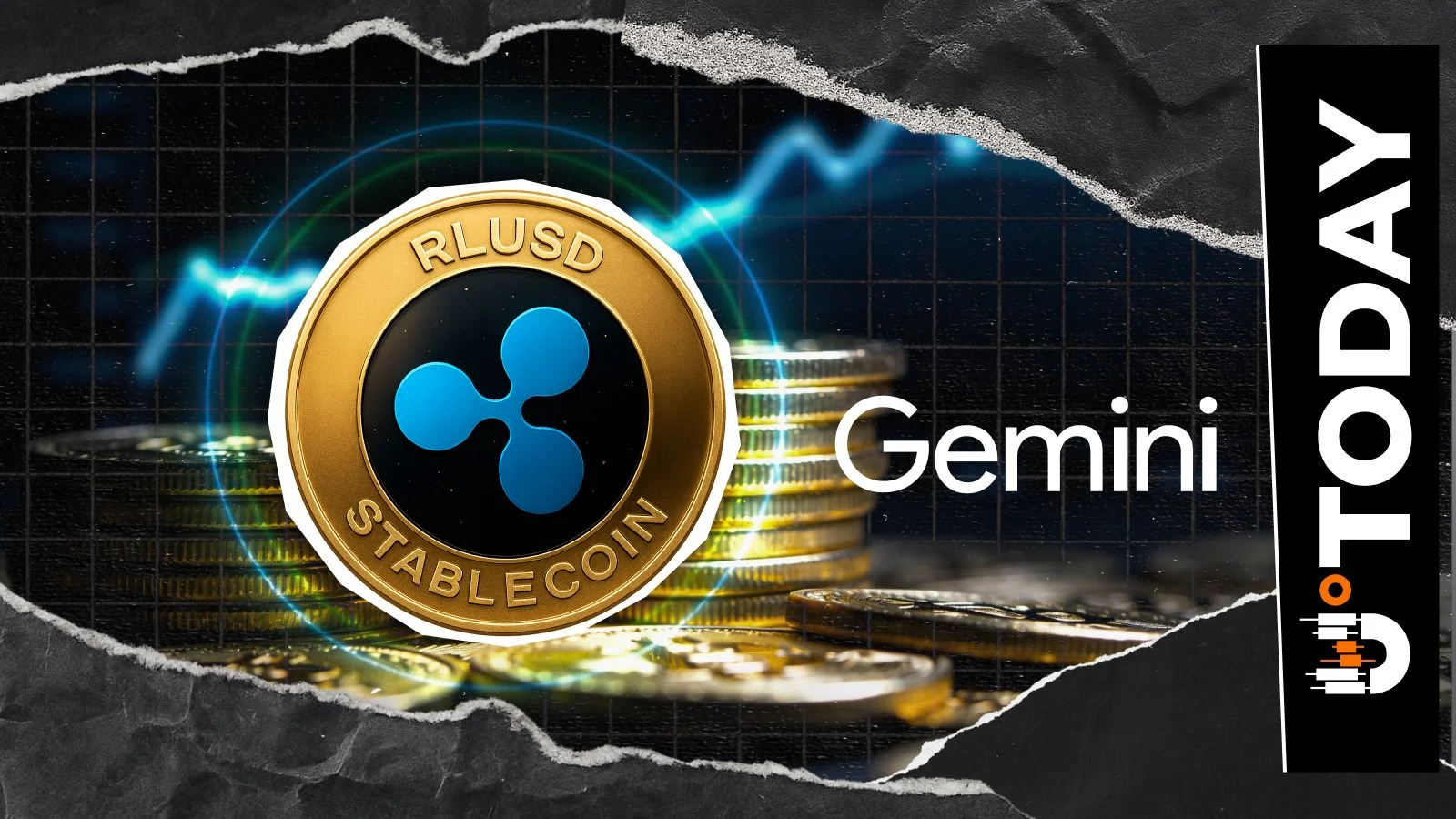
The minting of 150 million RLUSD by Gemini on the XRP Ledger, backed by 1:1 USD reserves, confirms the operational efficiency of Ripple's stablecoin mint/redeem engine. Gemini's activity, including a prior redemption of 128 million RLUSD, suggests potential liquidity testing or a response to a demand surge, highlighting institutional engagement with RLUSD infrastructure. While some community members view the RLUSD minting as a sign of Ripple's stablecoin infrastructure strength, others caution that capacity does not equate to organic demand, indicating a mixed market perception. Ripple's RLUSD continues its growth strategy, aiming for a $2 billion market cap, supported by consistent supply control and burn/mint exercises that have previously propelled it into the top 100 crypto assets.

Corporate and sovereign entities are liquidating Bitcoin holdings, signaling a shift away from treasury accumulation driven by prolonged price weakness and balance sheet pressures. The trend of companies like Empery Digital and Genius Group selling BTC to repay debt or improve financial standing indicates a deleveraging phase, potentially reducing demand from institutional treasuries. While some entities are selling, the overall corporate Bitcoin treasury still represents a significant portion of the total supply, suggesting that future accumulation or continued holding could still influence market dynamics. The pivot of some mining companies, like Riot Platforms, towards AI and high-performance computing, funded by Bitcoin sales, highlights a diversification strategy that may alter their traditional BTC holdings.
Ethereum's higher beta to risk assets, unlike Bitcoin's 'digital gold' narrative, led to a disproportionately larger sell-off following geopolitical escalation. The significant volume of ETH sell orders on derivatives platforms, particularly Binance, amplified the price decline through forced liquidations. The repeated pattern of crypto rallying on de-escalation hopes and selling off on escalation signals ongoing volatility tied to geopolitical events. Market participants should monitor geopolitical developments closely as they are currently a primary driver of short-term price action for risk assets like ETH.

The Bank of Canada's successful tokenized bond trial validates blockchain settlement infrastructure, suggesting projects with proven functionality like Pepeto may gain traction over those focused solely on payment settlement like XRP. Pepeto's presale is positioned for significant upside, with a Binance listing imminent and claims of 50x-100x returns, contrasting with XRP's limited upside potential due to its large market cap. While SOL shows signs of recovery, its potential gains are modest compared to the projected returns from Pepeto's presale, highlighting a potential shift in investor focus towards high-growth, pre-listing opportunities. The article frames Pepeto as a superior investment over XRP and SOL by emphasizing its exchange infrastructure, AI risk screening, and zero-fee cross-chain trading, positioning it as a more robust solution for traders.
A Bollinger Band squeeze on Dogecoin indicates a period of low volatility is likely to precede a significant price move, with multiple bearish indicators suggesting downside risk. The MACD and Bull Bear Power indicators have turned bearish, and the Long/Short ratio falling below 1.0 suggests traders are increasingly betting on price declines for DOGE. Geopolitical tensions are cited as a contributing factor to broader market weakness, which is pressuring meme coins like Dogecoin, despite its current trading within a technical range.

Progress on the CLARITY Act, particularly regarding stablecoin yield, indicates potential for regulatory clarity, which could reduce uncertainty for digital asset markets. The ongoing debate over stablecoin yield highlights a key friction point between traditional finance and crypto, with potential implications for how stablecoins are integrated into the broader financial system. The Senate Banking Committee's nearing agreement on the CLARITY Act, despite delays, suggests a growing momentum towards establishing a federal framework for digital assets, potentially impacting market structure and investor confidence. President Trump's public statements and reported meeting with Coinbase CEO suggest political influence on the CLARITY Act's progress, underscoring the intersection of political dynamics and crypto regulation.

Bitmine's significant accumulation of ETH, totaling over $9.5 billion and representing nearly 4% of the total supply, signals strong institutional conviction in Ethereum's long-term value despite current market consolidation. The substantial amount of ETH being staked by Bitmine, exceeding 3.3 million ETH, directly reduces the circulating supply available for trading, potentially creating upward price pressure by limiting sell-side liquidity. While Bitmine's aggressive ETH acquisition and staking strategy is a bullish signal for Ethereum, the concurrent dip in its BMNR stock suggests a decoupling or market skepticism regarding the company's specific equity performance versus its crypto holdings.

Metaplanet's significant Bitcoin acquisition of 5,075 BTC for $398 million positions it as the third-largest corporate Bitcoin treasury, indicating strong conviction in Bitcoin as a treasury asset. The company's ongoing accumulation strategy, despite an average cost basis of $97,000, suggests a long-term bullish outlook on Bitcoin's price appreciation. Metaplanet's move up the rankings, surpassing MARA Holdings, highlights a trend of corporate treasury diversification into Bitcoin and the evolving landscape of major Bitcoin holders.

XRP's price is showing bearish technical signals with a symmetrical triangle pattern suggesting a potential drop to $1, reinforced by declining active addresses and muted ETF inflows. A break below the $1.30 support level could trigger a further decline towards $1.14 and potentially $1, with the $0.93 level acting as a critical invalidation point for the broader bullish structure. Reduced network activity, evidenced by declining daily active addresses and transaction counts, indicates cooling demand and potential loss of investor confidence in XRP's short-term outlook. Negative spot XRP ETF flows in March, with net outflows of $28 million, signal waning institutional interest, contributing to the bearish price action and a decrease in assets under management.

Metaplanet's significant Bitcoin acquisition of 5,075 BTC ($340M) reinforces its position as Asia's largest corporate holder and the third-largest globally, signaling strong institutional conviction in Bitcoin as a long-term asset. This substantial purchase by a Japanese investment firm indicates growing institutional adoption and capital inflow into Bitcoin, potentially influencing market sentiment and demand. The firm's continued accumulation strategy, now holding over 40,000 BTC, suggests a belief in Bitcoin's value appreciation, which could encourage similar corporate treasury strategies.
Signal context only. Validate with price action, liquidity, and risk limits before taking a position.
