
Navigating Crypto News

CoinFeather
Navigating Crypto News
Quick market read from this story
Paris Hilton's continued investment and advocacy in crypto and Web3, including NFTs and the metaverse, signals a sustained interest from high-profile individuals in digital asset innovation.
Her personal investment in Bitcoin and Ethereum since 2016, alongside her successful NFT sales and metaverse ventures, highlights the growing integration of digital assets into mainstream celebrity portfolios.
Hilton's role as an investor and advisor for Origin Protocol and her development of 'Paris World' on Roblox demonstrate a strategic approach to leveraging digital platforms for brand expansion and community engagement.
Deep Dive
Paris Hilton, a prominent figure in entertainment and entrepreneurship, has amassed an estimated net worth of $300 million to $400 million by 2026. Her wealth stems from a diverse range of ventures, including reality television, DJing, and a highly successful fragrance line that has generated over $2 billion in revenue. Hilton has independently built her fortune, leveraging her fame to establish a broad portfolio of businesses.
Born on February 17, 1981, in New York City, Paris Hilton is the daughter of Kathy and Richard Hilton. She hails from a family renowned for the Hilton Hotels empire, founded by her great-grandfather, Conrad Hilton. Growing up in Beverly Hills, Paris attended exclusive schools and was exposed to celebrity culture from a young age, which influenced her ambition and public persona.
Hilton's ascent to stardom began with modeling and was significantly amplified by the 2003 reality television show The Simple Life, co-starring Nicole Richie. The show's culture-clash premise garnered immense popularity, turning both into household names and influencing the trajectory of reality television. Her early modeling work and consistent media appearances further cemented her image as a glamorous icon of the early 2000s. Hilton is also recognized as one of the first "influencers," shaping trends in fashion, music, and nightlife.
Paris Hilton has cultivated a substantial business empire. Her fragrance line, launched in 2004, has expanded to over 29 scents and generated hundreds of millions. In fashion, she has launched successful lines of clothing, shoes, and accessories. Hilton has also made strategic real estate investments in prime properties across the United States. Through her company, 11:11 Media, she continues to expand her media presence and advocate for women entrepreneurs, notably by participating in events like ringing the New York Stock Exchange closing bell on International Women's Day in 2026.
Hilton has also embraced the digital frontier, investing in cryptocurrencies like Bitcoin and Ethereum since 2016. She entered the NFT space in 2019, later selling her "Iconic Crypto Queen" NFT for $1.1 million in 2021 and acquiring over 150 NFTs. She is an investor and advisor for Origin Protocol and has developed "Paris World" on Roblox, a metaverse experience that hosted a New Year's Eve party reportedly drawing a larger crowd than Times Square.
Beyond her business acumen, Hilton has a notable entertainment career. Her debut album, Paris, released in 2006, featured the hit single "Stars Are Blind." She transitioned into DJing in 2012, becoming one of the highest-paid female DJs globally and performing at renowned venues. Hilton has also appeared in films, including House of Wax (2005), and numerous television shows, often playing herself. Her 2026 documentary, Infinite Icon: A Virtual Memoir, offers a deeper look into her life and career, reflecting her evolution into a more introspective public figure.
Paris Hilton's estimated net worth of $300 million to $400 million by 2026 is largely self-made, supplementing the wealth of her prominent family. Her income streams include reality TV, endorsements, and her extensive product lines. Hilton is also actively involved in philanthropy, launching the “Back in Business” Recovery Fund in 2026 to support women-owned small businesses, personally contributing $350,000. This initiative builds on her previous disaster relief efforts. She also supports causes related to children's health, animal rights, and emergency relief.
Hilton has authored books such as Confessions of an Heiress (2004) and Your Heiress Diary (2005), offering insights into her life and encouraging reader engagement. She is a pioneer in social media, maintaining a significant presence on platforms like Instagram and Twitter. Her podcast, This is Paris, provides a direct channel for her to connect with her audience on topics ranging from lifestyle to entrepreneurship.
Source, catalyst, and sector overlap from the latest feed.
Ripple's introduction of an on-chain treasury system integrates fiat, XRP, and RLUSD into a single corporate dashboard, potentially increasing XRP utility beyond a bridge asset and driving institutional adoption. The launch of Ripple Treasury, a product of the Ripple-GTreasury partnership, signifies a move towards unifying traditional finance and digital assets for corporate treasury management, enhancing efficiency and compliance. By enabling corporations to manage digital assets directly within their existing dashboards, Ripple Treasury streamlines cross-border payments and yield strategies, potentially impacting traditional payment systems and treasury operations.
Ripple's RLUSD stablecoin is now accessible in South Korea via Coinone with KRW trading, expanding its international reach into a key Asian market with strong retail participation. The integration of XRP and RLUSD into Ripple Treasury's new on-chain capabilities for enterprise finance signals a move towards broader institutional adoption of digital assets for treasury management. The RLUSD stablecoin's market cap exceeding $1.2 billion and its listing on multiple major exchanges indicate growing adoption and utility beyond Ripple's direct ecosystem.
The significant concentration of stablecoin reserves on Binance, holding 65% of total reserves, directly impacts trading costs by influencing slippage and spreads on other platforms. Traders, especially institutional participants, must align their position sizes with venue liquidity depth to optimize execution costs, as smaller exchanges with lower reserves will exhibit higher price impact. The widening liquidity gap between major exchanges like Binance and smaller competitors suggests a market trend towards capital consolidation on platforms offering superior execution quality for larger trades. Understanding stablecoin reserve distribution provides a quantitative framework for venue selection, cutting through marketing claims and focusing on the practical implications for trading efficiency.
Solana's substantial $650 billion stablecoin volume in February, significantly outpacing traditional markets like CME gold futures, indicates a strong shift towards blockchain-based settlement systems. Despite recent price consolidation and an 11% weekly decline, Solana's ability to hold the $80 support level suggests potential for a breakout, with analysts watching for a move above $85 to trigger liquidations. The introduction of new stablecoins like Western Union's USDPT and Jupiter's JUPUSD is driving ecosystem growth and user attraction, signaling a maturing DeFi landscape on Solana. While bullish signals are present with consolidation near key support, a breakdown below $80 could invalidate the setup, highlighting the critical nature of upcoming price action for SOL.
Floyd Mayweather's past involvement with ICO promotions resulted in SEC charges and settlements, highlighting regulatory risks for public figures endorsing digital assets. The article details Mayweather's diverse income streams including fight purses, endorsements, and investments, but his crypto-related ventures faced significant regulatory hurdles and penalties. Despite past regulatory issues with ICOs, Mayweather's continued high-profile activities and business ventures suggest a focus on traditional finance and entertainment rather than direct crypto market participation.
Magic Eden is sunsetting its multi-chain crypto wallet, forcing users to migrate assets by May 1st to avoid potential loss, indicating a strategic pivot away from wallet services. The closure of the Magic Eden wallet, particularly its Solana support, may prompt users to seek alternative wallet solutions, potentially impacting Solana's ecosystem user experience. Magic Eden's shift towards a crypto casino and sportsbook, coupled with the wallet shutdown and reduced NFT support on other chains, signals a significant strategic reorientation impacting its legacy user base and token (ME).
Rec Room's shutdown highlights the persistent challenge of monetizing large user bases in the gaming and VR sectors, indicating that high engagement alone does not guarantee a sustainable business model. The company's decision to wind down operations due to escalating costs and market shifts, despite attracting over 150 million users, suggests a critical failure in aligning revenue with operational expenses, a key risk for many digital platforms. The phased reduction in platform functionality and monetization features ahead of the June 1, 2026 closure serves as a case study for orderly digital asset ecosystem wind-downs, impacting user sentiment and asset utility.
Understanding user cognitive load and mobile interface design is crucial for crypto casino platforms aiming to optimize short-session gameplay. Fast-paced games like roulette, Keno, and Plinko are favored for short crypto casino sessions due to their simple rules and quick outcomes, reducing mental effort. The choice of game format in crypto casinos significantly impacts the user experience during brief sessions, with clarity and quick resolution being key factors for player satisfaction. While slots are often perceived as short-session games, modern variants with complex features can extend engagement, offering a different dynamic for players.
Origin Protocol (OGN) is in a prolonged consolidation phase, trading near $0.021 with support at $0.018-$0.020 and resistance at $0.025-$0.030, indicating a base-building period before a potential breakout. The long-term outlook for OGN remains positive, with price predictions suggesting a recovery towards $0.05-$0.06 in 2026 and potential to reach $2.00 by 2030, contingent on improved market conditions and ecosystem growth. While OGN shows steady accumulation near support, weak momentum and failure to reclaim resistance levels suggest that a confirmed bullish trend is still developing, warranting a watchlist approach.
Metaspins, a crypto casino launched in 2022, offers a broad range of over 5,000 games and a sportsbook, indicating continued growth in the crypto-gambling sector. The platform's focus on a KYC-light experience, fast crypto payouts, and daily rewards like lootboxes suggests a strategy to attract and retain users prioritizing privacy and efficiency in online gaming. While Metaspins supports major cryptocurrencies like BTC and ETH, its lack of direct fiat support and a dedicated mobile app positions it for a niche audience already comfortable with crypto transactions.
Live Feed
Loading the broader stream in the same flow as the homepage feed.

The extradition of Li Xiong, former chairman of Huione Group, to China signals a significant enforcement action against a major illicit finance enabler in the crypto space. Huione Group's alleged processing of at least $4 billion in illicit funds highlights the substantial role of certain entities in facilitating crypto-related crime and money laundering. While this action disrupts specific networks, the adaptability of criminal actors suggests that enforcement may lead to fragmentation rather than outright elimination of illicit finance channels.

Meta's strategic pivot to integrating existing stablecoins rather than issuing its own reflects regulatory lessons learned from Libra, signaling a pragmatic approach to market entry. By leveraging its massive user base across Facebook, Instagram, and WhatsApp, Meta aims to create a dominant digital payment ecosystem by focusing on distribution and user experience, rather than currency control. The partnership-driven model, potentially with entities like Stripe, allows Meta to bypass complex regulatory hurdles and infrastructure development, focusing instead on seamless integration and AI-driven commerce applications. The planned 2026 rollout positions stablecoins as critical infrastructure for AI-powered commerce and everyday transactions, potentially driving significant adoption if user friction is minimized.

New research suggests quantum computers may require fewer resources to break current encryption, potentially accelerating the timeline for "Q-Day" and increasing the urgency for quantum-resistant upgrades across the crypto ecosystem. While quantum computers do not pose an immediate threat to Bitcoin or Ethereum, the findings highlight a long-term engineering challenge that necessitates proactive development and migration strategies to ensure future network security. The potential threat of quantum computing is not uniform across all blockchains, with Bitcoin's UTXO model offering some near-term protection compared to Ethereum's account model, though both require eventual transition to quantum-safe cryptography. Institutional investors should prioritize understanding the sequencing of quantum threats, with traditional finance likely to be targeted before crypto, providing a window for the crypto industry to prepare and upgrade its cryptographic foundations.

Ripple's routine 1 billion XRP escrow unlock, while standard practice, introduces potential short-term liquidity shifts that traders monitor for price impact. The integration of XRP Ledger into Bitget Wallet signifies an expansion of payment infrastructure, aiming to drive real-world utility and potentially increase demand for XRP over time. Significant RLUSD burns, exceeding 180 million tokens, indicate a reduction in stablecoin supply due to institutional redemptions, reflecting a dynamic balance between minting and demand within Ripple's ecosystem.

Cardano's Protocol 11 hard fork in April 2026 and the launch of its Midnight privacy sidechain with major validators signal significant technical progress, yet the market has not reflected this with ADA trading 91% below its all-time high. The article contrasts Cardano's substantial development with its lagging price performance, suggesting that retail investors may seek alternative opportunities like the Pepeto presale, which offers exchange tools and a Binance listing catalyst. While Cardano's technical upgrades and regulatory clarity (SEC classifying ADA as a commodity) provide a positive outlook, sustained on-chain activity beyond governance is needed to bridge the gap between development and price appreciation. The Pepeto presale is positioned as a potential high-return opportunity due to its combination of meme coin appeal, zero-cost trading, risk scoring, free bridging, and a confirmed Binance listing, aiming to capitalize on market noise and investor search for clear value.
Franklin Templeton's launch of a dedicated crypto investment management platform, Franklin Crypto, signals increased institutional commitment to digital assets. The acquisition of 250 Digital and liquid strategies from CoinFund by Franklin Templeton indicates a strategic move to bolster its crypto investment capabilities and product offerings. This development suggests a growing trend of traditional asset managers establishing specialized units to cater to institutional demand for regulated and sophisticated crypto investment products.

The convergence of TradFi and crypto necessitates a fundamental shift in AML risk assessment, moving from static identity-based models to dynamic, on-chain activity monitoring. Hybrid blockchain governance models are emerging as the preferred solution for institutional adoption, balancing public verifiability with predictable control and regulatory integration. The increasing complexity of crypto financial crime, including chain-hopping and mixers, requires specialized blockchain intelligence and forensic capabilities beyond traditional AML frameworks. Effective governance and crisis anticipation are becoming critical differentiators for blockchain networks, potentially outweighing raw throughput or token count for long-term endurance.
Moody's assigning a Ba2 rating to Bitcoin-backed bonds marks a significant step in traditional finance's integration with digital assets, potentially increasing institutional confidence. The rating, while speculative (Ba2), validates Bitcoin as direct collateral for debt instruments, signaling a growing acceptance of crypto assets within structured finance. The use of Bitcoin as collateral with specific advance rates and liquidation triggers highlights the evolving financial engineering around volatile digital assets. This development could pave the way for more regulated financial products backed by crypto, influencing market perception and potentially attracting new capital flows.

Historical April price action for Dogecoin shows significant volatility, including a 500% surge in April 2021, setting a precedent for potential upward movement this month. Current price action indicates Dogecoin is testing the $0.09 support level, with a potential retest of $0.11-$0.12 if it breaks above moving averages, or a drop to $0.08 if support fails. The $0.10 level is identified as a key psychological and technical resistance, with a sustained breakout potentially targeting $0.15, contingent on overcoming current selling pressure.

Shiba Inu's hourly golden cross suggests potential short-term bullish momentum, but the derivatives market's mixed signals and subdued trading volume indicate caution is warranted. Despite a technical bullish signal, increased spot flows to exchanges and a lack of conviction in derivatives trading imply that holders may be looking to exit, potentially capping upside. While the golden cross offers a technical setup for a rebound, sustained price action above $0.000006 requires stronger demand, with key support at $0.000005 and resistance at $0.00000625.

Google's research suggests quantum computers could break Bitcoin's cryptography with fewer qubits than previously estimated, potentially accelerating the timeline for quantum threats and highlighting the urgency for post-quantum cryptography adoption. The crypto industry is seeing diverging strategies for quantum-resistant development across major ecosystems like Bitcoin and Ethereum, indicating a potential fragmentation in security approaches and a need for clear communication on migration roadmaps. Base's 2026 roadmap, focusing on tokenized markets and stablecoins, signals a strategic shift towards institutional adoption and real-world asset integration within the Ethereum L2 ecosystem, potentially driving new use cases and demand. Australia's new comprehensive digital asset licensing framework targets exchanges and custodians, aiming to enhance investor protection and reduce risks, which could set a precedent for other jurisdictions and influence operational standards in the region.

Major financial institutions like JPMorgan and Goldman Sachs are exploring entry into the prediction markets, signaling a significant trend towards institutional adoption of decentralized finance and novel market structures. The increasing interest from traditional finance in prediction markets, alongside growth from crypto-native firms like Coinbase and Robinhood, indicates a maturing and expanding market segment with potential for increased liquidity and user access. Regulatory clarity from bodies like the CFTC is a key factor for the future growth of prediction markets, with major banks likely to proceed cautiously until a more defined legal framework is established. The competition between blockchain-based platforms like Polymarket and traditional exchanges like Kalshi highlights divergent technological approaches within the prediction market space, offering varied opportunities for different market participants.
Smart money on Hyperliquid, classified as 'Money Printers,' are showing a net long bias on XRP, contrasting with their overall short positions in Bitcoin and Ethereum. XRP exhibits minimal liquidation risk and a positive outlook among sophisticated traders, positioning it as a potential safe haven asset for April. Recent SEC/CFTC guidance classifying XRP as a digital commodity, coupled with anticipated price breakouts above $1.50, supports bullish sentiment for the asset. The unlocking of 1 billion XRP by Ripple, with 80% expected to be relocked, presents a supply-side event that traders are monitoring for potential price impact.
March 2026 marked the first monthly inflow for Bitcoin ETFs in 2026, totaling $1.32 billion and reversing a four-month streak of outflows. This reversal suggests a potential return of institutional confidence and demand for Bitcoin, possibly indicating that investors perceive the asset to be near a market bottom. BlackRock's ETF continued to lead inflows, highlighting its significant market share and influence within the Bitcoin ETF landscape.

Cango is actively raising capital through a $10 million convertible note and a $65 million insider round to address its precarious financial situation and potential NYSE delisting. The company's pivot towards AI and computing infrastructure, alongside its ongoing efforts to regain NYSE compliance, signals a strategic shift to diversify revenue beyond bitcoin mining. Despite recent capital raises, Cango's share price remains significantly below the $1 threshold, indicating ongoing market pressure and a challenging path to compliance.
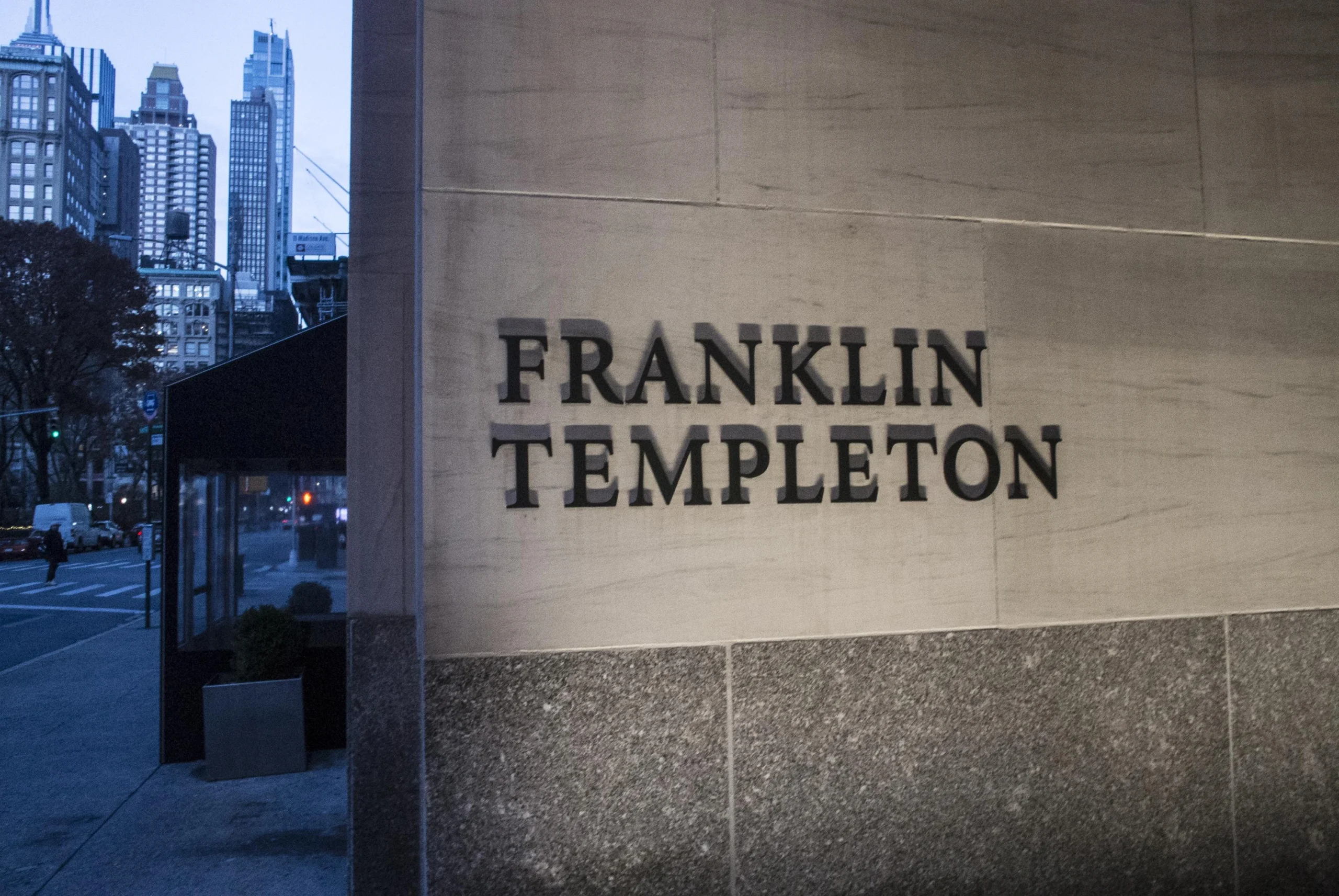
Franklin Templeton's acquisition of 250 Digital and launch of Franklin Crypto signals a strategic shift towards active crypto strategies to capture institutional capital. The use of BENJI tokens for part of the acquisition payment demonstrates Franklin Templeton's growing acceptance of tokenized instruments as legitimate financial tools. This move, coupled with partnerships with Binance and Ondo, positions Franklin Templeton as a comprehensive institutional crypto infrastructure provider, anticipating increased demand from pension and sovereign wealth funds. The acquisition is likely to be viewed positively by the market, reflecting a growing trend of traditional finance firms building out dedicated crypto divisions to cater to institutional needs.
Signal context only. Validate with price action, liquidity, and risk limits before taking a position.
