
Navigating Crypto News

CoinFeather
Navigating Crypto News

Quick market read from this story
Tokenized oil futures on Hyperliquid experienced significant liquidations, highlighting the increasing integration of traditional assets and their volatility within crypto derivatives markets.
Geopolitical events are now directly impacting crypto derivatives markets through tokenized commodities, demonstrating a growing correlation between macro events and crypto trading volumes.
The substantial liquidations in tokenized oil suggest that traders are using crypto platforms for leveraged exposure to traditional markets, absorbing geopolitical shocks and influencing overall market sentiment.
The event underscores the maturity of crypto derivatives platforms like Hyperliquid in handling large volumes and complex market movements, even those originating from outside the crypto space.
Deep Dive
Tokenized Brent oil futures on the Hyperliquid platform experienced substantial liquidations, totaling $46.6 million over the past 24 hours. This figure places oil futures as the third-largest liquidated asset, trailing only ether ($104.5 million) and bitcoin ($98.3 million). The largest single liquidation across all assets was a significant $17.17 million oil position on Hyperliquid, marking the second time in less than a month that oil has generated the largest individual liquidation on a crypto venue.
The BRENTOIL-USDC contract on Hyperliquid saw a 2% increase, trading at $107.19 with $977 million in 24-hour volume and $515 million in open interest. This open interest is notably larger than the market capitalization of many mid-cap crypto tokens.
The liquidations were reportedly triggered by a national address from President Trump, who threatened to hit Iran "extremely hard." This statement reversed expectations of de-escalation that had previously fueled a rally. Brent crude jumped 5% to above $106 on traditional markets in response. Traders who had positioned for a ceasefire, particularly those long crypto and short oil, faced losses from both sides.
Overall liquidations reached $403 million across 137,031 traders. Long positions bore the brunt of the losses, with $234.6 million liquidated compared to $168.7 million in shorts. This trend reflects a broader selloff in risk assets following the speech, which contrasted with earlier optimism. Approximately $153.7 million was liquidated in the four-hour window surrounding the address, with $130.8 million originating from long positions.
Hyperliquid's tokenized commodity contracts, offering 24/7 access to assets like oil and gold with crypto-native leverage, are increasingly absorbing geopolitical volatility. Tokenized oil has now been among the top five liquidated assets on at least three occasions since the conflict began, a phenomenon that emerged after Hyperliquid listed these contracts.
Source, catalyst, and sector overlap from the latest feed.
Ripple's integration of XRP and RLUSD into its enterprise treasury management system signifies a major step towards mainstream corporate adoption of digital assets. The new features enable CFOs to manage digital assets alongside fiat within a single platform, reducing operational friction and potentially increasing demand for supported tokens. This development positions Ripple Treasury as a first-mover in offering native digital asset management within traditional treasury solutions, potentially setting a new industry standard. The expansion into cross-border settlement and yield generation powered by stablecoins indicates a broader strategy to leverage digital assets for enhanced corporate finance functionalities.
Traders are advised to look beyond geopolitical rhetoric and focus on fundamental indicators like SPR depletion and shipping insurance premiums for market direction. A significant drawdown in strategic oil reserves and persistently high insurance costs for Hormuz transit suggest a heightened risk aversion environment for assets like Bitcoin. The article highlights that a material increase in tanker traffic through the Strait of Hormuz is a prerequisite for sustained rallies in risk assets, indicating current market sentiment is fragile. Despite President Trump's shifting statements on Iran, the underlying supply-demand dynamics in the oil market and associated shipping risks are the primary drivers of potential market volatility.
Geopolitical tensions are directly impacting crypto markets, causing a sell-off in major assets like Bitcoin, Ether, and Solana as risk-off sentiment prevails. The market's reaction to geopolitical news highlights its sensitivity to macro events, overriding typical seasonal bullish expectations for April and reinforcing a pattern of volatility tied to conflict headlines. Despite a familiar pattern of price swings, the underlying market sentiment remains deeply fearful, as indicated by the Fear and Greed Index, suggesting a cautious outlook for near-term price action.
EDX Markets, backed by major TradFi players like Citadel Securities, is pursuing a national trust bank charter, signaling a strategic move to enhance institutional trust and compliance by separating custody and settlement functions. The application for a trust charter by EDX Markets aims to bridge the gap between traditional finance infrastructure and digital assets, potentially attracting more institutional capital by offering regulated services akin to established financial institutions. By seeking a regulated trust charter, EDX Markets is positioning itself to meet the stringent requirements of institutional investors, which could lead to increased adoption and trading volume on its platform if approved.
Solana DeFi platform Drift is investigating "unusual activity," prompting a halt in deposits and raising concerns of a potential exploit. The situation at Drift, a key DeFi protocol on Solana, could negatively impact user confidence and put pressure on the Solana DeFi ecosystem if an exploit is confirmed. Traders should monitor Drift's official communications for updates, as a confirmed exploit would likely lead to negative price action for related assets and potentially broader Solana ecosystem tokens.
Drift Protocol experienced a significant exploit resulting in a $280 million loss, highlighting ongoing security vulnerabilities within DeFi protocols despite claims of no smart contract bugs. The attack's methodology, involving pre-signed durable nonce transactions and social engineering of multisig signers, indicates a sophisticated threat actor, suggesting potential for similar attacks on other protocols with similar security architectures. This large-scale exploit is likely to increase scrutiny on DeFi security practices and could lead to a temporary decrease in investor confidence and capital flow into the sector.
Nishad Singh's $3.7M fine and industry bans from the CFTC and SEC represent a finalization of legal proceedings related to the FTX collapse, signaling a move towards closure for some aspects of the scandal. Singh's cooperation with authorities, which led to reduced penalties, highlights the ongoing impact of internal whistleblowers on regulatory investigations within the crypto space. The resolution of Singh's case, while not directly impacting current market prices, contributes to the broader narrative of regulatory accountability for past failures in the digital asset industry.
The potential finalization of the CLARITY Act within 48 hours signals a significant regulatory development for the US crypto market, potentially resolving long-standing ambiguities between the SEC and CFTC. A resolution on stablecoin rewards, a key sticking point, could unlock greater competition and user benefits, impacting stablecoin adoption and DeFi platform growth. While a deal is imminent, the bill still requires passage through the Senate and alignment with the House, with delays potentially pushing clarity into 2026. The market may interpret this as a positive step towards regulatory certainty, potentially reducing risk premiums for stablecoins and related assets.
Aave's price is consolidating around $100 despite steady protocol usage, suggesting a potential accumulation phase ahead of a breakout or a lack of immediate upward momentum. The Aave V4 upgrade launch, while causing a temporary trading volume spike, has not yet translated into a sustained price breakout, indicating cautious market participation post-event. Future AAVE price performance is heavily dependent on the broader DeFi market's liquidity and adoption trends, with projections ranging significantly based on bullish, base-case, or conservative scenarios.
The article highlights that while Bitcoin ETFs saw significant Q1 inflows and exchange supply is at a six-year low, the narrative of 'insider' capital flow, exemplified by the Trump family's alleged profits and current movements into the Pepeto presale, suggests potential for outsized returns beyond Bitcoin's projected growth. Bernstein's optimistic Bitcoin price targets of $150K-$200K are presented, but the core thesis emphasizes that true 'life-changing returns' historically come from identifying and entering undervalued projects before the broader market, drawing parallels between past meme coin successes and the current Pepeto presale. Pepeto is positioned as a high-potential opportunity due to its combination of meme coin appeal, a zero-fee cross-chain exchange with AI scam detection, a SolidProof audit, and backing from a former Pepe co-founder and a Binance developer, aiming to capture capital seeking alpha before its anticipated Binance listing.
Live Feed
Loading the broader stream in the same flow as the homepage feed.
Geopolitical tensions and hawkish rhetoric from Donald Trump have directly triggered a breakdown in Bitcoin's technical support, erasing recent gains and signaling potential further downside. The market's reaction to escalating geopolitical rhetoric, evidenced by Bitcoin's sharp decline and oil price surge, highlights its sensitivity to global instability and supply chain concerns. Despite a historically strong April for Bitcoin, current geopolitical risks and a bearish technical setup suggest that seasonal tailwinds may be overshadowed by immediate macro-driven selling pressure. While significant downside is priced in at current RSI levels, any de-escalation in the Iran conflict could trigger a rapid upside reversal, making the market highly sensitive to future headlines.

Bittensor's recent price pullback, despite high volume, suggests accumulation rather than distribution, indicating potential for a rebound if key support levels hold. The narrative shift for TAO towards a 'real infrastructure layer' for decentralized AI, coupled with compute access expansion, strengthens its fundamental value proposition beyond speculative trading. The market is pricing in potential positive outcomes from the pending Grayscale decision, creating a forward-looking catalyst that could drive TAO's price higher. While a $350-$365 target remains plausible on a bullish continuation, a breakdown below $300 could signal a deeper correction, highlighting the critical support zone for traders.

Alabama's adoption of the DUNA Act grants DAOs legal entity status, providing crucial real-world legal frameworks and liability protections. This regulatory development addresses a key uncertainty for DAOs, potentially encouraging greater institutional adoption and development within the crypto ecosystem. As other states like West Virginia consider similar legislation, this trend signals a growing recognition of decentralized governance structures by traditional legal systems.
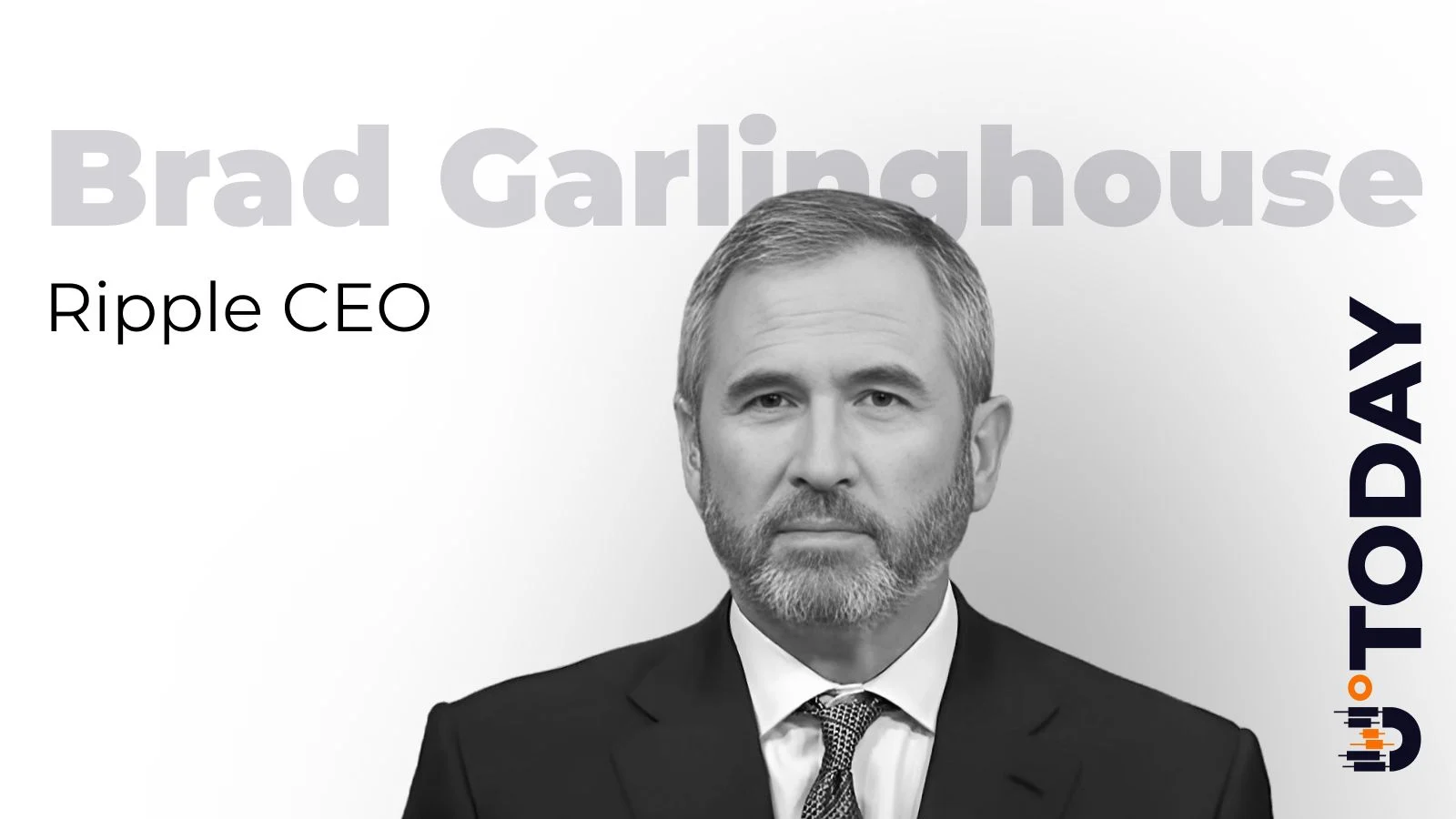
The public exchange between Ripple CEO and Avalanche founder, stemming from an April Fools' joke, highlights ongoing competitive narratives within the blockchain space, though it lacks direct market-moving catalysts. While the dispute is primarily reputational, it underscores the distinct market positioning of Ripple in cross-border payments and Avalanche in tokenization, with both projects continuing to secure enterprise partnerships. The commentary does not introduce new fundamental information or immediate trading opportunities, suggesting a neutral stance for short-term price action for both XRP and AVAX.
Stani Kulechov's net worth, estimated around $300 million, is primarily derived from his substantial holdings in AAVE tokens and his founding role in the Aave DeFi protocol. Aave's strategic pivot towards institutional finance with Aave V4 and the 'hub-and-spoke' architecture signals a significant push to scale DeFi and integrate tokenized real-world assets, potentially broadening its market appeal and utility. The transfer of Lens Protocol stewardship to Mask Network indicates Aave's strategic refocusing on core DeFi infrastructure, moving away from social applications to concentrate on scalable financial ecosystems. Kulechov's diversified investments beyond Aave, including venture capital in over 49 blockchain projects, highlight a broader strategy to capitalize on emerging Web3 opportunities and support decentralized technology growth.

Paradigm's development of a prediction market terminal and potential market-making desk signals a significant institutional push into a rapidly growing crypto sector, potentially increasing liquidity and sophistication for traders. The expansion of prediction market infrastructure by a major VC like Paradigm, alongside interest from traditional finance players, suggests a maturing market with substantial growth potential, though regulatory hurdles remain a key concern. While the news highlights growing interest and infrastructure development in prediction markets, the lack of direct token launches or specific asset mentions from Paradigm means the immediate trading impact is indirect, focusing on the broader ecosystem's development.
Geopolitical tensions stemming from the Iran conflict are creating macro uncertainty, pressuring Bitcoin below $67K while Ethereum shows relative strength above $2,000. The next 2-3 weeks are critical, with potential for further downside in BTC if tensions escalate, or a relief rally if de-escalation occurs. Ethereum's resilience above $2,000 suggests accumulation and potential outperformance if it breaks above $2,100, signaling a shift from defense to expansion. Market participants should anticipate volatility and divergence between assets, with news headlines likely to be a primary driver over technicals in the near term.

Genius Group's liquidation of its entire Bitcoin treasury to cover $8.5M in debt signals financial pressure, contrasting with its prior 'Bitcoin first' strategy. The trend of Bitcoin treasury liquidations by companies like Genius Group, MARA Holdings, and Bitdeer highlights a broader market deleveraging, potentially indicating reduced corporate demand for BTC. While Genius Group liquidates, Michael Saylor's Strategy continues aggressive Bitcoin accumulation, creating a divergence in corporate treasury strategies and potentially impacting market sentiment. Genius Group's reported strong Q1 financial results alongside its Bitcoin sale suggests a strategic prioritization of debt repayment over holding volatile assets, despite a stated intention to re-enter the market later.

The extradition of Li Xiong, a key figure in the Huione Group, to China signifies a significant step in the crackdown on large-scale crypto scams, potentially impacting illicit finance flows. The successful extradition and ongoing pursuit of other syndicate members suggest increased international cooperation against crypto-enabled fraud, which could deter future criminal activity. With over $89 billion in cryptoassets reportedly handled by Huione Group, this development highlights the substantial financial scale of crypto scams and the regulatory challenges they present.

Taiwan should reconsider Bitcoin as a reserve asset to hedge against geopolitical risks and potential US dollar debasement, according to a Bitcoin Policy Institute report. Bitcoin offers unique geopolitical resilience for Taiwan, remaining accessible even during a blockade or invasion, unlike gold or USD reserves. While Taiwan's central bank previously cited volatility and custody concerns, these issues are diminishing with broader adoption and can be addressed with institutional expertise. Taiwan already holds 210 BTC confiscated from criminal investigations, positioning it as a significant national holder if a reserve strategy is adopted.
Geopolitical tensions surrounding Iran's conflict and potential de-escalation are directly impacting Bitcoin's price, suggesting a short-term correlation with risk-off/risk-on sentiment driven by global events. President Trump's statements on winding down military operations and the potential reopening of oil supply channels could lead to a decrease in oil prices and a corresponding shift in investor appetite for risk assets like Bitcoin. The market's reaction to Trump's speech, with oil rising and Bitcoin dipping, indicates a complex interplay of factors where immediate geopolitical uncertainty is outweighing potential future economic recovery signals.
Signal context only. Validate with price action, liquidity, and risk limits before taking a position.
