
Navigating Crypto News

CoinFeather
Navigating Crypto News
Quick market read from this story
Geopolitical tensions and hawkish rhetoric from Donald Trump have directly triggered a breakdown in Bitcoin's technical support, erasing recent gains and signaling potential further downside.
The market's reaction to escalating geopolitical rhetoric, evidenced by Bitcoin's sharp decline and oil price surge, highlights its sensitivity to global instability and supply chain concerns.
Despite a historically strong April for Bitcoin, current geopolitical risks and a bearish technical setup suggest that seasonal tailwinds may be overshadowed by immediate macro-driven selling pressure.
While significant downside is priced in at current RSI levels, any de-escalation in the Iran conflict could trigger a rapid upside reversal, making the market highly sensitive to future headlines.
Deep Dive
Bitcoin experienced a significant overnight price drop, falling below its 50-day moving average as U.S. President Donald Trump declared the U.S. would strike Iran "extremely hard." This development occurred after a brief two-day recovery rally that saw Bitcoin climb from $66,000 towards $69,200, with supportive volume and a recovering Relative Strength Index (RSI) suggesting a potential technical turnaround.
The market's optimism, fueled by earlier indications of de-escalation from Iran, was shattered by Trump's primetime address. According to BBC reports, Trump threatened U.S. strikes within two to three weeks and warned of attacks on Iranian power plants if a deal was not reached. His statement that oil-dependent nations should "just take" what they need from the Strait of Hormuz, rather than the U.S. reopening it, signaled a lack of immediate U.S. plans for the vital waterway. Iran's IRGC-affiliated spokesperson responded by dismissing U.S. strikes as targeting "insignificant" locations and promising "crushing, broader and destructive" counter-attacks, further escalating tensions.
Following these statements, Bitcoin's price fell sharply. By 06:45 UTC on April 2, Bitcoin was trading at $66,549, a 3.7% decrease over the past day, according to CoinMarketCap. The price broke below the 50 Simple Moving Average (SMA) at $67,795 on a significant volume spike, indicating a clear downward trend. The RSI dropped to 35.08, approaching oversold territory without immediate signs of reversal on the hourly timeframe. This erased the gains made over the preceding 36 hours.
The geopolitical uncertainty was further reflected in the oil market. Brent crude surged 5% to $106 a barrel post-address, signaling that traders anticipate continued disruption in the Strait of Hormuz, through which approximately 20% of global oil passes and which Iran has effectively blockaded since late February. This marks the fifth consecutive week of a pattern where rallies occur on ceasefire signals, followed by sell-offs during escalations.
The current market uncertainty is described as structural, with no immediate ceasefire in sight. Iran's demand for sovereignty over the Strait of Hormuz and the U.S. signaling intensified military pressure for the next few weeks create a challenging backdrop for Bitcoin. If tensions persist, key support levels for Bitcoin are identified at $65,600, with a daily close below this level potentially opening the path towards $63,000 and the two-month uptrend near $60,000. The current RSI of 35 suggests there is still room for further decline before reaching capitulation levels.
Conversely, any positive development in the conflict, such as a ceasefire signal, credible negotiation leaks, or a softening of tone from either the U.S. or Iran, could trigger a swift upside reversal for Bitcoin. The market has shown a strong tendency to rally on peace rumors, as evidenced by the March 31 surge from $66,000 to $69,200. With the Fear and Greed Index at 8 (extreme fear) and RSI at 35, a significant amount of negative news appears to be priced in, making the market potentially responsive to positive developments.
Adding to the complex outlook is Bitcoin's historical seasonal performance, with April typically being its strongest month, averaging a 20.9% gain over 15 years. However, this seasonal tailwind is currently contending with the escalating geopolitical conflict. The market remains highly sensitive to headlines, and the next significant development in the conflict is expected to heavily influence Bitcoin's direction.
Source, catalyst, and sector overlap from the latest feed.
The DOJ's indictment of ten foreign nationals for coordinated crypto market manipulation, including wash trading and pump-and-dump schemes, signals an escalating global crackdown on fraudulent activities within the digital asset space. The use of an undercover operation with a fake crypto token by the FBI and IRS-CI demonstrates a sophisticated investigative approach, increasing the risk for bad actors and potentially deterring future market manipulation. Regulatory bodies like the SEC and CFTC are actively working to clarify crypto asset classifications and coordinate rulemaking, indicating a move towards a more structured regulatory framework that could impact how market manipulation is policed. The prosecution of firms offering 'market-manipulation-as-a-service' highlights the increasing focus on the infrastructure of crypto fraud, suggesting that entities facilitating such schemes will face significant legal repercussions.
Geopolitical de-escalation in the Strait of Hormuz could reduce macro uncertainty, potentially favoring risk-on assets like Bitcoin and Ethereum. The significant drop in ETH exchange supply to an all-time low of 11% suggests strong accumulation, potentially reducing selling pressure. Bitcoin's transaction fees hitting six-year lows indicates subdued network demand, historically preceding periods of heightened volatility. Franklin Templeton's launch of a dedicated crypto division with substantial AUM signals growing institutional commitment to digital assets.
Bitcoin exchange reserves have fallen to a multi-year low of 2.7M BTC, indicating a significant reduction in available sell-side supply. Sustained whale accumulation since October 2025, characterized by dominant large-order participation and net outflows from exchanges, suggests accumulation at scale during the recent price correction. The Fund Flow Ratio returning to a historical reset level of ~0.065, coupled with a thin float and patient whale accumulation, historically precedes significant upward price movements. While on-chain data suggests a strong setup for potential price appreciation due to reduced supply and accumulation, the timing remains uncertain, and a material break below current support could invalidate the bullish thesis.
Franklin Templeton's acquisition of 250 Digital and launch of Franklin Crypto signals a strategic shift towards active crypto strategies to capture institutional capital. The use of BENJI tokens for part of the acquisition payment demonstrates Franklin Templeton's growing acceptance of tokenized instruments as legitimate financial tools. This move, coupled with partnerships with Binance and Ondo, positions Franklin Templeton as a comprehensive institutional crypto infrastructure provider, anticipating increased demand from pension and sovereign wealth funds. The acquisition is likely to be viewed positively by the market, reflecting a growing trend of traditional finance firms building out dedicated crypto divisions to cater to institutional needs.
Australia's new law mandates crypto exchanges obtain an AFSL, aligning them with traditional financial institutions and increasing operational costs and complexity. The legislation aims to prevent outcomes like FTX by enforcing bank-grade standards for asset segregation and capital requirements, enhancing investor protection. This regulatory clarity is expected to unlock significant institutional capital, estimated at A$24 billion annually, by providing a stable and predictable operating environment. The move aligns Australia with global regulatory trends in the UK, US, and EU, signaling a coordinated international effort to integrate digital assets into traditional financial systems.
XRP is exhibiting a bullish technical setup with a confirmed bull flag and a nearing falling wedge on longer timeframes, suggesting potential for a significant upward continuation rally. Institutional investors have shown strong conviction in XRP, allocating $15.8 million in inflows while Bitcoin and Ethereum experienced outflows, indicating a potential rotation of capital into XRP. A decisive breakout above the $1.47-$1.49 resistance zone is critical for XRP to validate its bullish technical patterns and could trigger renewed market interest and upside momentum.
Bitcoin's inability to reclaim $70,000, coupled with increasing supply in loss and negative spot volume delta, suggests a weakening bullish momentum and a heightened risk of a breakdown below the $63,000 support level. The significant overhead supply above $80,000, identified by URPD data, indicates substantial resistance that could cap any upward price movements, making a sustained rally challenging. The current price compression between $63,000 and $70,000, characterized by lower highs and repeated rejections at resistance, points to an impending decisive move, with the current on-chain data favoring a downside breakout.
A new German firm, Blocktrainer, has launched a Bitcoin treasury company with ambitious goals to accumulate 1 million BTC by 2030, directly challenging MicroStrategy's dominance in the corporate Bitcoin treasury space. Blocktrainer's strategy involves leveraging capital markets and aiming for outperformance against Bitcoin itself, utilizing novel metrics like Bitcoin Return Rate and a perpetual preferred share (MAUL) offering a 21% monthly dividend yield. MicroStrategy has temporarily paused its Bitcoin buying spree after a 13-week accumulation period, though it maintains a significant BTC treasury and continues to explore capital-raising options for future acquisitions. The emergence of a direct competitor like Blocktrainer, coupled with MicroStrategy's pause in buying, signals a potential shift in the corporate Bitcoin treasury landscape, introducing new dynamics for investors focused on BTC accumulation strategies.
Bitcoin faces renewed downside pressure as geopolitical tensions and a strengthening US dollar create a risk-off environment for crypto and traditional assets. Analysts warn that a resurgent US dollar, potentially reaching yearly highs, could trigger new lows for Bitcoin and other risk assets, indicating a bearish short-term outlook. The market's reaction to President Trump's address suggests heightened geopolitical uncertainty is outweighing de-escalation signals, leading to increased volatility and a flight to safety. Technical analysis indicates Bitcoin's price action is mirroring a previous bear flag pattern, suggesting a potential for further declines if current support levels fail.
The article highlights that while Bitcoin ETFs saw significant Q1 inflows and exchange supply is at a six-year low, the narrative of 'insider' capital flow, exemplified by the Trump family's alleged profits and current movements into the Pepeto presale, suggests potential for outsized returns beyond Bitcoin's projected growth. Bernstein's optimistic Bitcoin price targets of $150K-$200K are presented, but the core thesis emphasizes that true 'life-changing returns' historically come from identifying and entering undervalued projects before the broader market, drawing parallels between past meme coin successes and the current Pepeto presale. Pepeto is positioned as a high-potential opportunity due to its combination of meme coin appeal, a zero-fee cross-chain exchange with AI scam detection, a SolidProof audit, and backing from a former Pepe co-founder and a Binance developer, aiming to capture capital seeking alpha before its anticipated Binance listing.
Live Feed
Loading the broader stream in the same flow as the homepage feed.
PEPE is experiencing persistent bearish momentum, trading below key resistance levels and showing weak buying pressure according to RSI and Bollinger Bands. Despite the overall bearish trend, the TD Sequential indicator has printed a '9' buy signal on the weekly chart, suggesting a potential short-term rebound or relief rally may be imminent. Traders should monitor for confirmation of a bullish reversal, as a sustained move above the $0.00000343 resistance and increased volume would be necessary to target the $0.0000050 level.
Geopolitical tensions and rising oil prices are negatively impacting crypto markets, mirroring broader risk asset weakness and increasing inflation concerns that may delay rate cuts. Donald Trump's remarks on the Iran conflict suggest prolonged uncertainty, leading to increased oil prices and a risk-off sentiment that pressures cryptocurrencies like Bitcoin and Ethereum. The current crypto market action aligns with macroeconomic trends, showing sensitivity to oil prices and interest rate expectations, with no immediate trend reversal indicated. Traders should monitor the correlation between oil prices, geopolitical stability, and crypto asset performance, as these factors are currently driving sentiment and price action.
Coinbase's chief legal officer expresses optimism about the Clarity Act nearing a deal, suggesting potential progress on U.S. crypto regulatory frameworks. The key dispute over stablecoin rewards highlights a critical point of negotiation, indicating that resolution could significantly impact stablecoin utility and market structure. The White House's watchful stance, particularly from Patrick Witt, suggests ongoing executive branch scrutiny of legislative progress and potential future regulatory actions.
CFTC Chair Michael Selig's assertion that current financial systems are outdated and blockchain offers necessary upgrades signals a potential shift in regulatory perspective towards embracing digital asset technology. Selig's call for updated regulations to accommodate digital assets, smart contracts, and decentralized platforms suggests a move away from outdated frameworks, potentially paving the way for clearer market guidance. The formation of the CFTC's Innovation Task Force and a joint 'Project Crypto' with the SEC indicate proactive regulatory engagement aimed at balancing innovation with consumer protection in the rapidly evolving digital asset space. The acknowledgment of blockchain's potential to rebuild trust and reduce costs in financial systems, despite referencing past failures like FTX, suggests a growing recognition of its utility for modernizing finance.
The SEC and FBI investigation into Hailey Welch's involvement with the HAWK meme coin has concluded without charges, clearing her of legal wrongdoing and potentially reshaping public perception of her role in the token's collapse. Despite the HAWK token's dramatic 95% value drop and subsequent lawsuit, Hailey Welch's legal clearance suggests a focus on other parties involved in the project's development and promotion. The article highlights the significant risks associated with meme coins, where influencer endorsements can attract novice investors who are then exposed to extreme volatility and potential financial losses.
Ripple's current XRP holdings in spendable wallets have surpassed last year's levels, indicating a potential shift in treasury management or strategic allocation. The integration of GTreasury's software into Ripple Treasury aims to streamline workflows for financial institutions, potentially increasing XRP utility and adoption for payments. Brad Garlinghouse's optimistic outlook on exceeding $13 trillion in payments this year, bolstered by native digital asset capabilities, suggests strong institutional demand for Ripple's services.

BlockDAG's price prediction of $0.005 by 2030 appears weak compared to the potential 100x returns forecasted for Pepeto, driven by its upcoming Binance listing and presale success. The article contrasts BlockDAG's perceived execution shortfalls with Pepeto's strong presale performance ($8.69M raised) and confirmed Binance listing, suggesting a significant opportunity shift for traders. The narrative emphasizes the 'millionaire math' of early entry, drawing parallels to SHIB's success, and positions Pepeto's presale as the current prime opportunity before its Binance listing removes the low entry price.
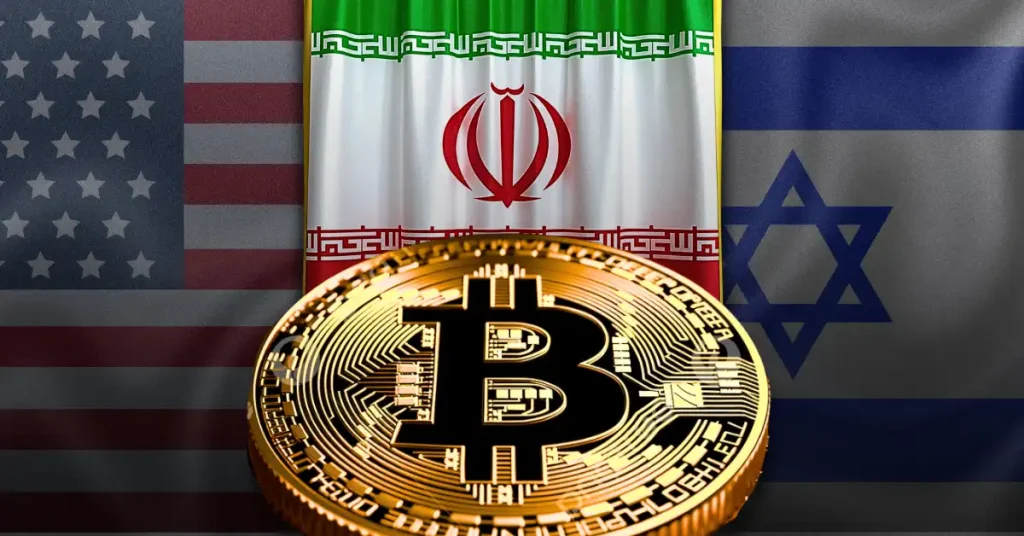
Iran's demand for cryptocurrency or Yuan for passage through the Strait of Hormuz introduces a novel geopolitical use case for digital assets, potentially increasing demand from sanctioned entities or nations seeking alternative payment rails. The requirement for crypto payments, alongside Yuan, suggests a strategic move by Iran to bypass traditional financial systems and potentially diversify its foreign reserves, impacting the perceived utility and adoption of specific digital assets in international trade. With shipping traffic reportedly down 90%, this development highlights significant geopolitical risk impacting trade routes, which could indirectly affect global supply chains and commodity prices, with crypto potentially serving as a niche payment solution.

Ripple's integration of XRP and RLUSD into its enterprise treasury management system signifies a major step towards mainstream corporate adoption of digital assets. The new features enable CFOs to manage digital assets alongside fiat within a single platform, reducing operational friction and potentially increasing demand for supported tokens. This development positions Ripple Treasury as a first-mover in offering native digital asset management within traditional treasury solutions, potentially setting a new industry standard. The expansion into cross-border settlement and yield generation powered by stablecoins indicates a broader strategy to leverage digital assets for enhanced corporate finance functionalities.

Bittensor's recent price pullback, despite high volume, suggests accumulation rather than distribution, indicating potential for a rebound if key support levels hold. The narrative shift for TAO towards a 'real infrastructure layer' for decentralized AI, coupled with compute access expansion, strengthens its fundamental value proposition beyond speculative trading. The market is pricing in potential positive outcomes from the pending Grayscale decision, creating a forward-looking catalyst that could drive TAO's price higher. While a $350-$365 target remains plausible on a bullish continuation, a breakdown below $300 could signal a deeper correction, highlighting the critical support zone for traders.

Drift Protocol experienced a significant exploit resulting in a $280 million loss, highlighting ongoing security vulnerabilities within DeFi protocols despite claims of no smart contract bugs. The attack's methodology, involving pre-signed durable nonce transactions and social engineering of multisig signers, indicates a sophisticated threat actor, suggesting potential for similar attacks on other protocols with similar security architectures. This large-scale exploit is likely to increase scrutiny on DeFi security practices and could lead to a temporary decrease in investor confidence and capital flow into the sector.
Nishad Singh's $3.7M fine and industry bans from the CFTC and SEC represent a finalization of legal proceedings related to the FTX collapse, signaling a move towards closure for some aspects of the scandal. Singh's cooperation with authorities, which led to reduced penalties, highlights the ongoing impact of internal whistleblowers on regulatory investigations within the crypto space. The resolution of Singh's case, while not directly impacting current market prices, contributes to the broader narrative of regulatory accountability for past failures in the digital asset industry.

The potential finalization of the CLARITY Act within 48 hours signals a significant regulatory development for the US crypto market, potentially resolving long-standing ambiguities between the SEC and CFTC. A resolution on stablecoin rewards, a key sticking point, could unlock greater competition and user benefits, impacting stablecoin adoption and DeFi platform growth. While a deal is imminent, the bill still requires passage through the Senate and alignment with the House, with delays potentially pushing clarity into 2026. The market may interpret this as a positive step towards regulatory certainty, potentially reducing risk premiums for stablecoins and related assets.

Alabama's adoption of the DUNA Act grants DAOs legal entity status, providing crucial real-world legal frameworks and liability protections. This regulatory development addresses a key uncertainty for DAOs, potentially encouraging greater institutional adoption and development within the crypto ecosystem. As other states like West Virginia consider similar legislation, this trend signals a growing recognition of decentralized governance structures by traditional legal systems.
Aave's price is consolidating around $100 despite steady protocol usage, suggesting a potential accumulation phase ahead of a breakout or a lack of immediate upward momentum. The Aave V4 upgrade launch, while causing a temporary trading volume spike, has not yet translated into a sustained price breakout, indicating cautious market participation post-event. Future AAVE price performance is heavily dependent on the broader DeFi market's liquidity and adoption trends, with projections ranging significantly based on bullish, base-case, or conservative scenarios.
Signal context only. Validate with price action, liquidity, and risk limits before taking a position.
