
Navigating Crypto News

CoinFeather
Navigating Crypto News

Quick market read from this story
Australia's new law mandates crypto exchanges obtain an AFSL, aligning them with traditional financial institutions and increasing operational costs and complexity.
The legislation aims to prevent outcomes like FTX by enforcing bank-grade standards for asset segregation and capital requirements, enhancing investor protection.
This regulatory clarity is expected to unlock significant institutional capital, estimated at A$24 billion annually, by providing a stable and predictable operating environment.
The move aligns Australia with global regulatory trends in the UK, US, and EU, signaling a coordinated international effort to integrate digital assets into traditional financial systems.
Deep Dive
Australia has officially brought cryptocurrency exchanges and custody providers under its traditional financial services regime with the passage of the Corporations Amendment (Digital Assets Framework) Bill. This landmark legislation, passed on April 1, 2026, mandates that these entities obtain an Australian Financial Services Licence (AFSL), the same requirement faced by stockbrokers and financial advisers, effectively ending years of regulatory ambiguity.
The new law establishes two regulated categories: Digital Asset Platforms for crypto exchanges and Tokenized Custody Platforms for facilities holding real-world assets represented by digital tokens. Both are now subject to stringent bank-grade standards, including asset segregation and minimum capital requirements. This framework is seen as a direct response to past failures like the FTX collapse, aiming to prevent similar commingling of customer funds and ensure structural impossibility of such outcomes under domestic law.
Existing operators have a six-month window from the bill's passage to apply for an AFSL, after which operating without one will be illegal. Full compliance with all new standards is expected within 18 months. The law commences 12 months after Royal Assent, providing a structured transition period. The Australian Securities and Investments Commission (ASIC) has issued a no-action letter until June 30, 2026, for businesses transitioning in good faith. Platforms holding less than A$5,000 per customer and facilitating under A$10 million in annual transactions are exempt from full licensing, targeting systemic risks rather than smaller participants.
In addition to ASIC's market conduct and investor protection oversight, crypto exchanges must also maintain registration with the Australian Transaction Reports and Analysis Centre (AUSTRAC) for Anti-Money Laundering and Counter-Terrorism Financing (AML/CTF) compliance. AUSTRAC's oversight expanded on March 31, 2026, to include crypto-to-crypto exchanges and virtual asset custody services, independent of AFSL requirements. This dual-regulator structure, with ASIC handling market conduct and AUSTRAC managing financial crime, creates a comprehensive supervisory framework.
Australia's move aligns with a global trend of major economies integrating crypto into their financial systems. Within a ten-day period, the UK's Financial Conduct Authority (FCA) published new stablecoin requirements, the US CLARITY Act advanced legislative thresholds for market structure, and Europe's MiCA provisions are being tested. This convergence suggests a coordinated global reclassification of crypto assets, with Australia being among the first to complete its legislative work.
Industry estimates suggest Australia's new framework could unlock up to A$24 billion annually in digital asset and tokenized market activity, previously hindered by regulatory uncertainty. This clarity is seen as a condition for institutional capital to enter the market. Market responses include CoinShares listing on Nasdaq following a $1.2 billion SPAC deal, enabled by years of regulatory groundwork, and KPMG commencing an audit of Tether, the largest stablecoin. These developments signal the assembly of market legitimacy and infrastructure in anticipation of increased institutional investment.
The rising compliance costs and operational complexity are expected to lead to consolidation, with institutional capital flowing into the professionalized space. This pattern mirrors the evolution of mature financial markets brought under regulatory frameworks, indicating that crypto is following a similar trajectory.
Source, catalyst, and sector overlap from the latest feed.
Chainlink's exchange reserves have reached multi-year lows, indicating a significant reduction in available sell-side supply which could precede a price re-rating. Accelerating whale outflows suggest accumulation by large holders during a period of suppressed price and negative altcoin sentiment, signaling a potential shift in positioning. High development activity for Chainlink, ranking above Ethereum itself, combined with thinning float and whale accumulation, presents a strong fundamental case that the market may soon price in. The recent price action shows a volume-backed upside move through resistance, aligning with on-chain data and suggesting a potential short-term bullish catalyst.
Significant XRP supply compression, with 7 billion tokens leaving exchanges, suggests a tightening sell-side that historically precedes price appreciation. Divergent flows show spot buyers accumulating XRP while perpetual traders build short positions, creating a setup ripe for a short squeeze if price breaks key resistance levels. Despite bullish supply and derivatives signals, XRP remains technically bearish, trading below major moving averages, making a Bitcoin-driven catalyst crucial for initiating a potential upward move. The high correlation (0.87) with Bitcoin indicates XRP's price action is heavily dependent on BTC's performance, with external factors like geopolitical events influencing Bitcoin's direction and, consequently, XRP's potential breakout.
Bitcoin's return above $69,000 is a psychologically significant event, but on-chain data suggests potential sell pressure from increasing exchange inflows, indicating a cautious outlook. Geopolitical developments, specifically Iran's peace signal, have unwound prior 'fear trade' sentiment, creating a more favorable macro mood that is currently ahead of confirmed on-chain indicators. While price action shows a push towards new highs and improving chart structure, the on-chain data points towards a supply absorption phase rather than a confirmed trend resumption, suggesting consolidation or a modest bounce as a base case. The current market environment is heavily influenced by unpredictable geopolitical events, making traditional on-chain analysis a directional guide rather than a definitive predictor of short-term price movements.
Russia's new crypto bill, mandating licensed intermediaries and capping retail purchases, signals a move towards state control and visibility rather than outright prohibition. Dubai's VARA framework for crypto derivatives, allowing retail participation with leverage limits and strict safeguards, positions the jurisdiction to attract institutional capital seeking regulated markets. The contrasting regulatory approaches between Russia and Dubai suggest that restrictive measures may redirect crypto activity rather than diminish it, potentially benefiting jurisdictions with clearer frameworks. The development highlights a growing divergence in global crypto regulation, with some nations tightening controls while others, like Dubai, aim to foster sophisticated market participation.
Geopolitical de-escalation signals from Iran have triggered a 'risk-on' sentiment in crypto markets, leading to broad gains across major altcoins and Bitcoin. The market's positive reaction is primarily driven by a reduction in perceived geopolitical risk, causing a reversal of 'war premium' fear trades and a rotation into higher-beta assets. Despite the immediate price surge, the sustainability of the rally is uncertain, hinging on the US response to Iran's conditional peace proposal, with potential for gains to reverse if negotiations falter. The current market movement reflects a speculative reaction to the possibility of de-escalation rather than confirmed progress, highlighting the sensitivity of crypto assets to geopolitical events.
Ripple's standard 1 billion XRP escrow release, while large in nominal terms, is managed to re-lock a significant portion, mitigating immediate sell pressure and supporting ecosystem development. XRP's resilience and price rebound to $1.35 post-unlock, coupled with technical indicators suggesting a market bottom, indicate potential for near-term upward momentum. The potential regulatory clarity from the CLARITY Act, classifying XRP as a commodity, could significantly boost institutional interest and adoption, creating a favorable environment for growth. The convergence of disciplined tokenomics, technical recovery, and positive regulatory sentiment positions XRP for a consolidation and potential expansion phase, warranting a watchlist approach.
India's indefinite postponement of its crypto policy paper, driven by RBI's systemic risk concerns, signals a continued cautious regulatory approach that may delay broader market participation and institutional adoption within the country. The Reserve Bank of India's focus on systemic risks from crypto and stablecoins, coupled with the government's current emphasis on the Digital Rupee, suggests a preference for central bank digital currencies over decentralized alternatives in the near term. While current AML and taxation measures remain, the indefinite delay implies a lack of immediate clarity on future regulatory frameworks, potentially creating uncertainty for crypto businesses and investors operating in or targeting the Indian market.
Tether's strategic pivot from aggressive expansion, including hiring top gold traders, to prioritizing a full financial audit signals a significant shift towards regulatory compliance and institutional credibility. The dismissal of gold traders and pause on fundraising ahead of a Big Four audit suggest Tether is actively restructuring its image and operations to meet stricter transparency demands, potentially de-risking its profile. By pursuing a full audit and enhancing disclosure, Tether aims to close its credibility gap with Circle's USDC, positioning USDT for broader institutional adoption and mitigating regulatory risks, especially with upcoming legislation like the GENIUS Act. The market should anticipate a period of heightened scrutiny for Tether; a clean audit could solidify its dominant position, while delays or complexities could expose its thin equity cushion and benefit rivals.
Australia's new crypto licensing law mandates financial services licenses for digital asset platforms and custody providers, increasing regulatory compliance burdens. The legislation integrates crypto businesses into existing financial systems rather than creating a separate framework, signaling a move towards mainstream financial oversight. While aiming to enhance consumer protection and innovation, the dual compliance tracks with AML rules may create operational complexities for affected firms. The law includes an exemption for smaller operators, suggesting a tiered approach to regulation that could impact market structure for exchanges and custodians.
Brazil's B3 exchange is launching regulated 'event contracts' tied to Bitcoin, signaling increased institutional interest in crypto derivatives within a major emerging market. The introduction of these cash-settled contracts for professional investors with significant assets suggests a growing demand for regulated crypto-linked financial products beyond traditional spot trading. This development, alongside B3's exploration of tokenization and stablecoins, indicates a strategic move by traditional finance infrastructure to integrate digital assets, potentially paving the way for broader adoption in Brazil.
Ripple's RLUSD stablecoin is now listed on Coinone in South Korea, providing direct KRW trading pairs and expanding its regulated market access. The Coinone listing follows a strategic partnership with Convera, integrating RLUSD into a $170 billion payment network for enterprise cross-border transactions. These expansions, alongside Mastercard and Singapore's MAS BLOOM sandbox participation, signal a significant growth phase for Ripple's stablecoin and payment solutions. RLUSD's market cap has grown to $1.25 billion since its December launch, indicating strong adoption and market reception to Ripple's expanding ecosystem.
OpenAI's record $122 billion funding round at an $852 billion valuation, anchored by major tech players like Amazon and Nvidia, signals immense institutional confidence in AI's future and its potential for significant market disruption. The substantial capital infusion and rapid revenue growth ($2 billion/month) suggest OpenAI is well-positioned to accelerate its product development and infrastructure build-out, potentially creating new demand for compute and specialized hardware. With enterprise revenue growing rapidly and a focus on a unified AI superapp, OpenAI's strategic direction indicates a push towards broader adoption and integration, which could influence the development of AI-powered applications across various sectors.
Grayscale's research head outlines a phased approach to tokenization, suggesting early institutional adoption will favor permissioned networks like Canton before broader adoption of public blockchains like Ethereum. The analysis positions Ethereum (ETH) as a longer-term, more ambitious investment in tokenization, contingent on technological readiness and institutional comfort with decentralized finance. Chainlink is highlighted as a potential 'picks-and-shovels' play, offering chain-agnostic exposure to the tokenization trend that could be more compelling than direct blockchain investments. The projected growth of tokenized assets to $19 trillion by 2033 underscores the significant market opportunity, but the phased rollout suggests a gradual realization of this potential.
Live Feed
Loading the broader stream in the same flow as the homepage feed.
Dogecoin is facing significant resistance at the $0.0930 level, which is acting as a key barrier to further upside potential. A decisive break above the $0.0930 resistance could propel DOGE towards the $0.10 psychological level, presenting a near-term bullish target. Failure to overcome the $0.0930 resistance may lead to a retest of lower support levels, with $0.0900 and $0.0885 being critical thresholds to watch. While short-term indicators show a slight bullish edge, the lack of strong momentum suggests caution is warranted for traders anticipating a significant rally.
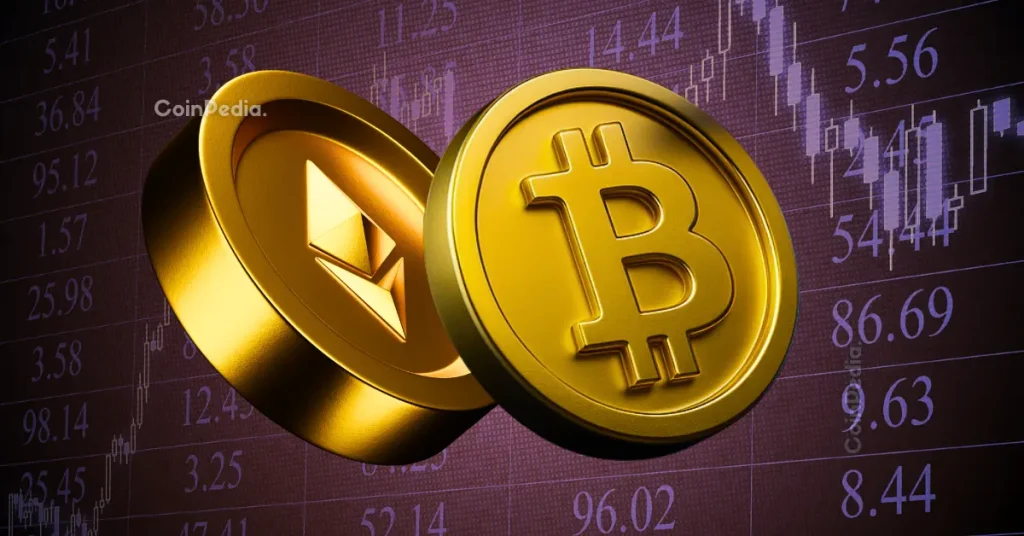
Ethereum's persistent underperformance against Bitcoin, evidenced by the ETH/BTC downtrend and declining ETH dominance, signals a capital rotation favoring BTC and suggests limited near-term upside for ETH until this trend reverses. The current market structure indicates a Bitcoin-led recovery, with Ethereum failing to capture a proportional share of liquidity, implying that any ETH price gains should be viewed as reactive rather than a confirmed trend shift. Traders should monitor ETH/BTC for a downtrend break and ETH dominance for upward trends as key confirmation signals for a potential Ethereum bullish setup, with current weakness suggesting a cautious approach.
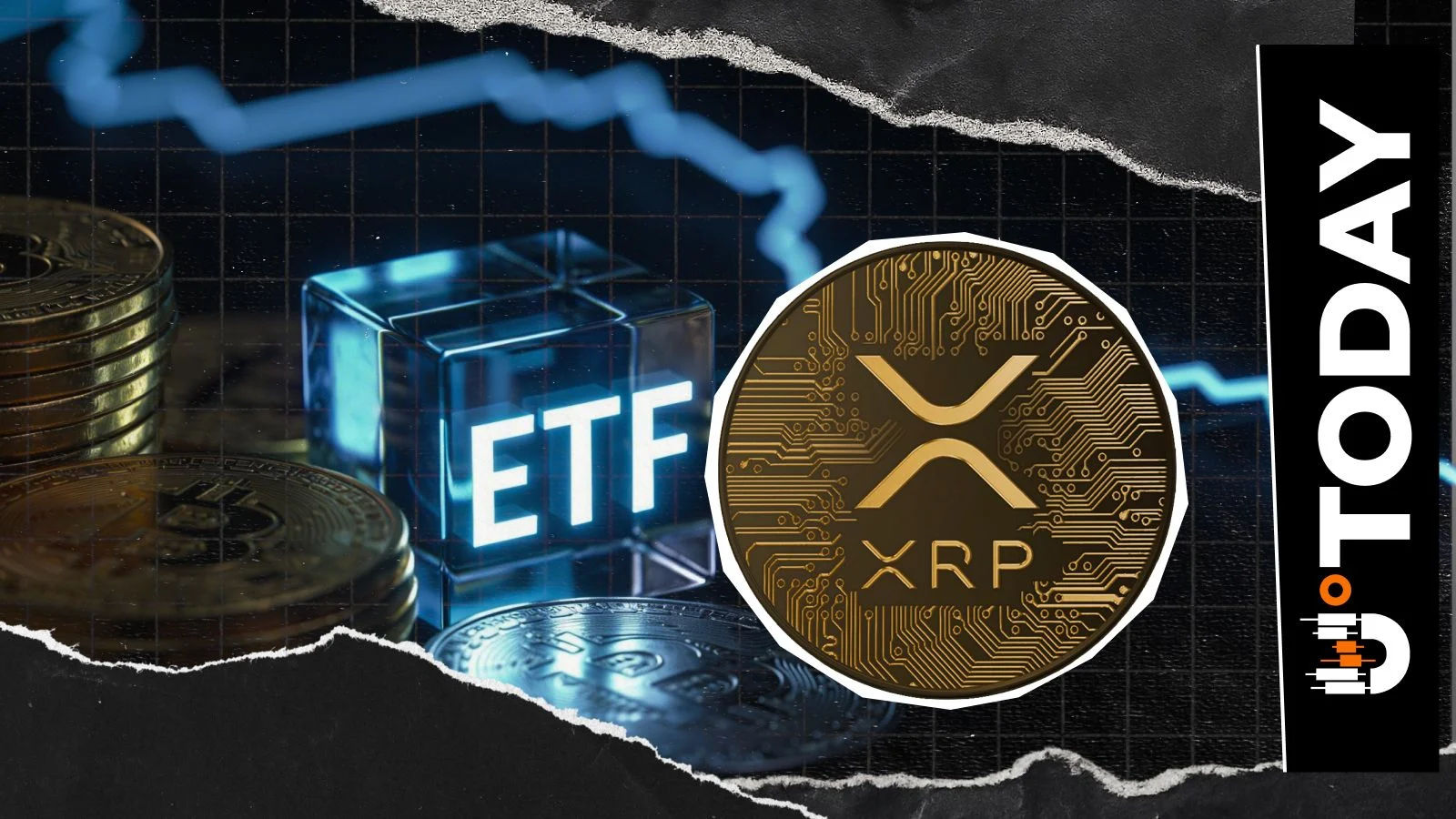
Despite XRP's price increase, the XRP ETF recorded zero net inflows in March, signaling institutional caution and a potential pause in accumulation. The lack of inflows, following significant outflows in prior weeks, suggests institutional investors are monitoring price action closely before committing new capital to XRP ETFs. While current institutional demand for XRP ETFs is muted, a broader market recovery and potential Bitcoin strength could eventually drive altcoin inflows, benefiting XRP if key resistance levels are breached. Traders should watch XRP's price action against key support ($1.31) and resistance ($1.38) levels, as a break in either direction could dictate near-term price direction amidst cautious institutional sentiment.

Gen Z's increasing adoption of Bitcoin as a portfolio diversifier, despite acknowledging its volatility, signals a maturing perspective on digital assets as a component of modern investment strategies. The article highlights that Gen Z views crypto volatility as an 'entry price' for potentially higher returns, driven by a desire for growth that traditional investments may not offer, and a native understanding of digital environments. Despite Gen Z's confidence, the piece cautions against underestimation of risks like lack of transparency, correlation with equities during stress, and susceptibility to FOMO-driven memecoin speculation, suggesting a need for greater due diligence. The trend indicates a potential shift in how younger generations perceive and integrate riskier assets, moving beyond pure speculation towards strategic diversification, which could influence broader market demand for assets like Bitcoin.
DMart's aggressive store expansion, culminating in 500 outlets, signals strong operational growth and market penetration, likely to sustain positive investor sentiment. The opening of 12 new stores in a single day highlights DMart's rapid execution capability, a key factor for investors assessing retail sector growth potential. With a 18.27% year-on-year net profit growth and 13.32% revenue increase, DMart's strong financials provide a fundamental basis for its stock performance following expansion news.
Bitcoin's recent rally to $68,000 was driven by macro factors like easing geopolitical tensions, but derivatives data indicates a lack of strong conviction from traders, suggesting limited upside potential. Sustained institutional selling pressure over 13 days, coupled with weak demand in futures premiums and a skew towards put options, points to a bearish sentiment among larger market participants. The correlation of Bitcoin's price action with equities and the impact of rising inflation expectations and potential interest rate hikes are key macro headwinds that are currently overshadowing crypto-specific narratives. Price action is currently constrained by significant liquidation zones, increasing the probability of sharp, short-term volatility as the market approaches resistance or support levels.

Altcoins like Algorand and Stable are experiencing double-digit gains, driven by a broader market rally led by Bitcoin's surge past $69K, indicating a potential shift towards higher-beta assets after a period of caution. The current market rally appears to be fueled by portfolio rebalancing at the start of the month and a de-escalation in geopolitical tensions, suggesting a temporary risk-on sentiment rather than a fundamental shift. Despite the short-term gains, lingering uncertainty and skepticism among market participants regarding Bitcoin's ability to reach new highs ($84K) suggest that the current uptrend may face headwinds.

Bitcoin's March green close ends a six-month losing streak, historically preceding significant rallies, suggesting potential for a sustained recovery similar to the 2018/2019 cycle's 300% gains. While historical data indicates a bullish trend following such losing streaks, recent years show a tendency for April to move inversely to March, introducing a degree of uncertainty despite the positive monthly close. Key resistance at $70,000-$72,000, coinciding with multiple technical indicators and significant investor cost basis, presents a critical hurdle for further upside, with a breakout potentially targeting $76,000 and $80,000. Support levels at the 200-week EMA ($68,300) and SMA ($59,400) are crucial for maintaining bullish momentum, with a break below the latter potentially signaling a retest of the realized price around $54,000.
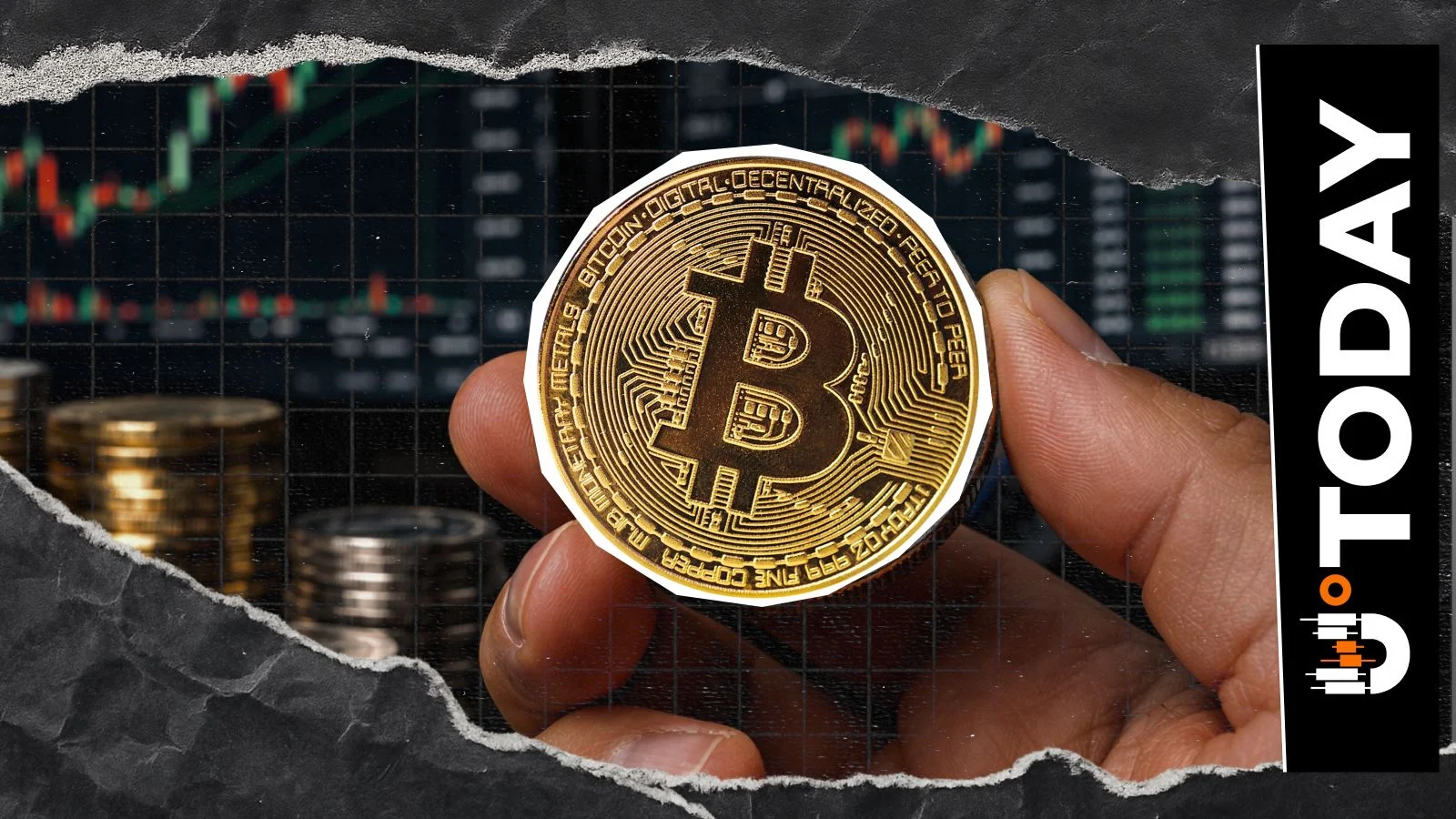
A long-dormant Bitcoin whale has moved 600 BTC, worth over $40 million, potentially signaling a shift in long-term holder sentiment amidst current market selling pressure below $70,000. The movement of 10+ year old BTC, highlighted by CryptoQuant, suggests a potential increase in sell-side liquidity from historically inactive addresses. Google's warning on quantum computing's threat to Bitcoin encryption, coupled with Satoshi Nakamoto's 2010 foresight on transitioning to stronger cryptography, introduces a long-term, albeit currently low-probability, systemic risk narrative.
Gemini's $128M RLUSD burn on XRPL, while presented as a standard redemption, reduces circulating supply and highlights ongoing liquidity management dynamics within Ripple's stablecoin ecosystem. Despite community concerns linking the burn to Gemini's financial health, the event is framed as a routine operational process, suggesting no immediate systemic risk to RLUSD or XRPL stability. The shift in RLUSD supply, with XRPL supply decreasing and Ethereum supply increasing, alongside Bitget Wallet's integration of XRPL for payments, indicates evolving network usage and stablecoin distribution patterns.
Increased active user count on the XRP Ledger to over 200,000 suggests growing network demand, potentially signaling an early stage of recovery despite the ongoing broader downtrend. While on-chain activity is improving, XRP's price action remains constrained by key resistance levels, indicating that market sentiment has not yet fully priced in the network's recovery. Traders should monitor the $1.50-$1.60 range as a critical resistance zone; a sustained break above this level, coupled with continued user growth, could confirm a shift in momentum. The current divergence between rising on-chain engagement and lagging price action presents a potential trading opportunity, but liquidity conditions remain the primary determinant for near-term price action.
Public companies collectively increased their Bitcoin holdings by approximately 25,000 BTC in March, indicating continued institutional accumulation despite some firms reducing their positions. MicroStrategy (MSTR) and Strategy (STRC) were significant drivers of this accumulation, with Strategy alone adding 44,400 BTC, highlighting their aggressive Bitcoin acquisition strategies. The net inflow of 25,000 BTC suggests sustained demand from corporate treasuries, which could provide a foundational support level for Bitcoin's price if this trend persists.
GRSE reported a record ₹6,400 crore revenue for FY 2025-26, a significant 26% increase year-over-year, indicating strong operational execution and demand for its shipbuilding services. The company's strong performance, highlighted by the delivery of eight vessels and expansion into new ship types, suggests robust growth potential and could attract further institutional interest. GRSE's declaration of a 129% interim dividend alongside record revenue underscores its financial health and commitment to shareholder returns, potentially supporting its stock valuation.
Signal context only. Validate with price action, liquidity, and risk limits before taking a position.
