
Navigating Crypto News

CoinFeather
Navigating Crypto News
Source, catalyst, and sector overlap from the latest feed.
Bitcoin's market maturation is evidenced by decreasing percentage gains across cycles, indicating a shift from explosive retail-driven rallies to a more structured, institutionally influenced asset. The $70,000 level's significance as a former cycle high now acting as a potential support zone highlights a change in market dynamics, where previous peaks are being retested rather than immediately surpassed. Current on-chain data, such as the narrow premium above realized price and negative Coinbase Premium Index despite ETF inflows, suggests that while institutional interest is present, the market may not yet show definitive bottoming signals seen in prior cycles. The historical context of Bitcoin's $100 milestone in 2013 underscores its evolution from a niche experiment to a global asset, with current trading patterns reflecting a larger, slower, and more complex market structure.
Live Feed
Loading the broader stream in the same flow as the homepage feed.

Michael Saylor's Strategy is set to resume significant Bitcoin accumulation, potentially injecting over $76 million this week, which historically correlates with positive BTC price action. The resumption of Strategy's buying, enabled by STRC trading above par, could provide a catalyst for Bitcoin to retest the $80,000 level in April, contingent on sustained buying pressure and broader market sentiment. Bitcoin's price action has shown a strong correlation with Strategy's buying cycles, with periods of accumulation by Strategy coinciding with price rallies and pauses leading to pullbacks.

Franklin Templeton's launch of a dedicated crypto division, "Franklin Crypto," signals a significant institutional move beyond passive ETF exposure towards active digital asset strategies. The acquisition of 250 Digital and integration of its liquid strategies, led by former CoinFund executives, indicates a strategic build-out of in-house expertise to meet growing institutional demand for structured crypto investments. The experimental use of BENJI tokens for transaction consideration in the acquisition suggests early adoption of tokenized assets for M&A, potentially streamlining future deals on blockchain rails.

Bitcoin's Q1 performance was significantly impacted by macro and geopolitical pressures, shifting its narrative from a potential inflation hedge to a leveraged macro trade. Weakening institutional demand, evidenced by net outflows from Bitcoin ETFs and reduced corporate treasury buying, failed to absorb selling pressure from miners and long-term holders. The derivatives market shows continued caution, with negative funding rates and high put-call ratios indicating traders are bracing for further downside rather than anticipating a strong recovery. The confluence of war-driven energy shocks, sticky inflation concerns, and rising Treasury yields created a challenging environment for risk assets like Bitcoin, overshadowing the initial optimism surrounding ETF approvals.

The CoinDesk 20 Index is showing broad-based strength with 18 out of 20 assets trading higher, indicating positive market sentiment across major cryptocurrencies. Avalanche (AVAX) and Hedera (HBAR) are leading the performance of the CoinDesk 20, with gains of 4.0% and 3.6% respectively, suggesting potential short-term upward momentum for these specific assets. The overall market sentiment appears neutral to slightly bullish given the CoinDesk 20's 1.0% increase and the majority of its constituents trading in the green, reflecting a general market uplift.
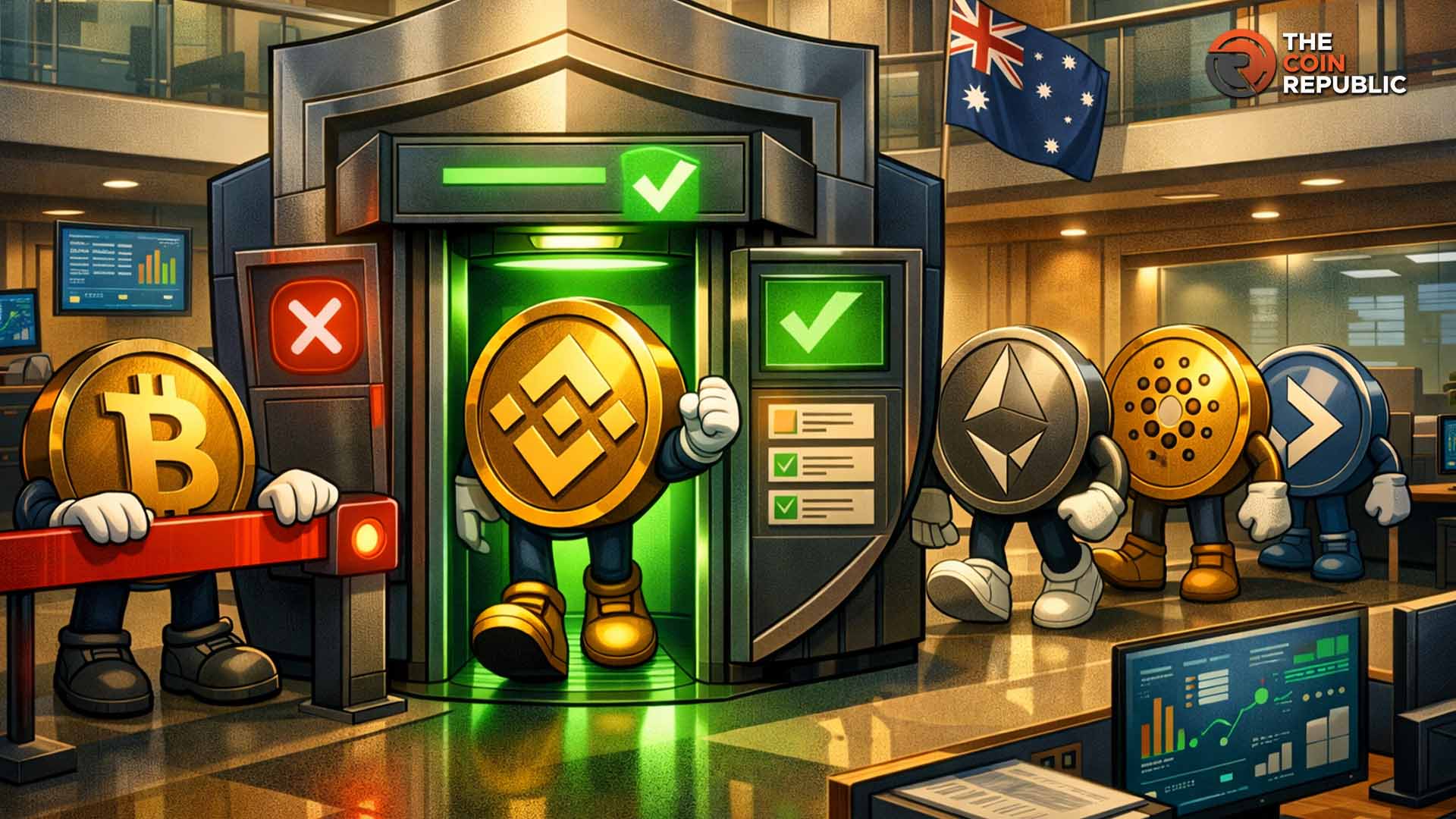
Australia's new crypto legislation mandates licensing for exchanges and custodians, establishing the country's first comprehensive regulatory framework for digital asset platforms. The regulation prioritizes consumer protection and the secure handling of user funds by aligning crypto businesses with traditional financial services standards. Industry leaders have welcomed the clarity provided by the new law, anticipating increased institutional investment and long-term growth in the Australian crypto market. The legislation focuses on regulating the companies managing digital assets rather than the assets themselves, aiming to prevent issues like fund mismanagement and bankruptcy.

Hong Kong's delay in issuing stablecoin licenses suggests regulatory caution, potentially impacting the timeline for new market entrants and the broader adoption of regulated stablecoins in the region. The missed March target for stablecoin licenses indicates potential hurdles in the approval process, which could temper near-term expectations for institutional adoption of stablecoins within Hong Kong's financial ecosystem. Despite the delay, Hong Kong's commitment to establishing a regulated stablecoin framework remains a strategic objective, implying ongoing efforts to balance innovation with robust risk management.
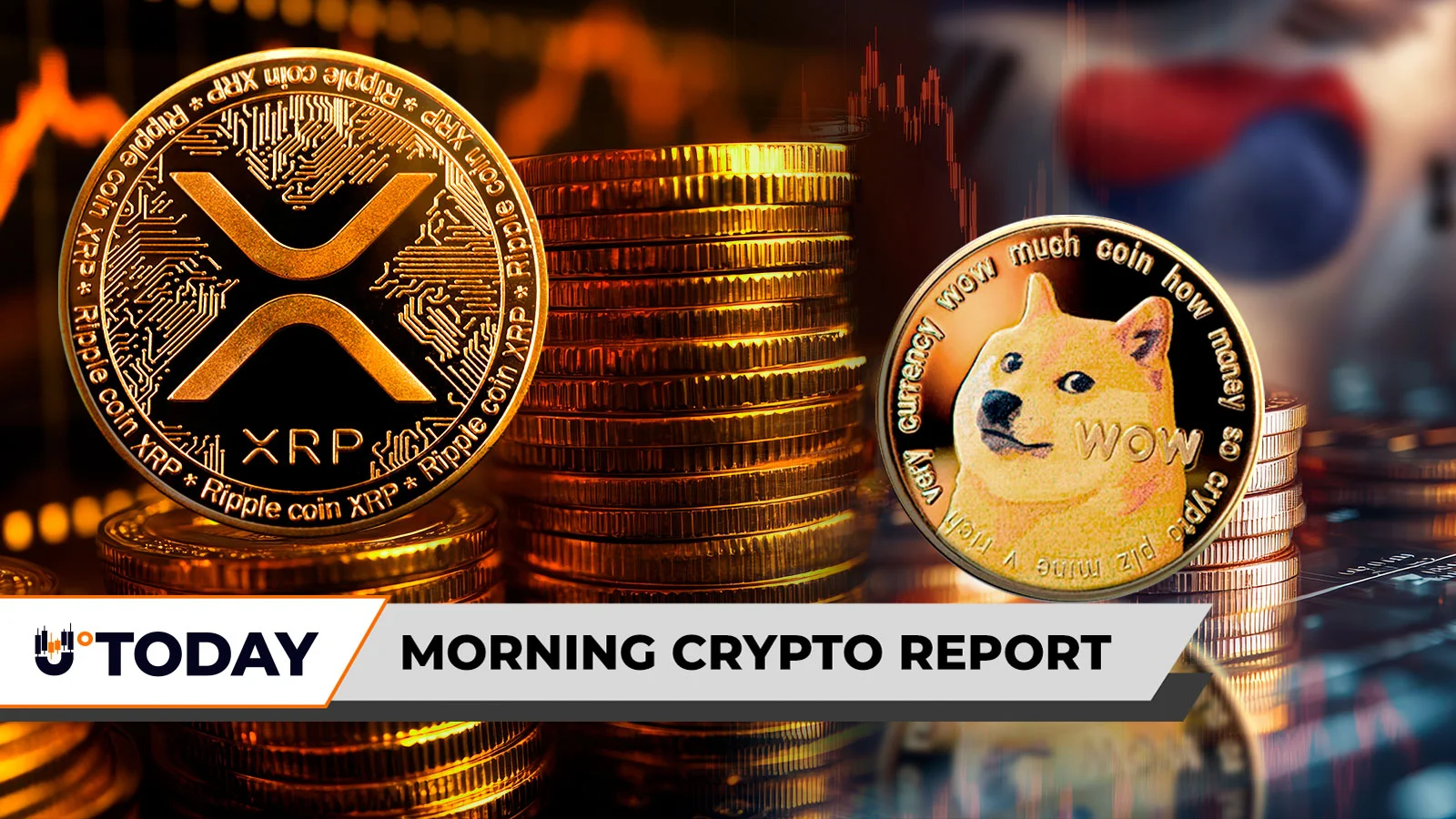
XRP's monthly close below the $1.99 Bollinger Bands midline signals a bearish trend, with the $0.62 lower boundary now serving as the primary technical target due to a lack of strong intermediate support. The movement of 900 million DOGE from Bithumb, while not confirmed as a hack, suggests strategic accumulation or distribution ahead of the Qubic mainnet launch, potentially impacting DOGE's short-term price action. Bitcoin's historical April performance, with a 69% win rate and average 12.4% returns since 2013, combined with current macro factors and defense of the $67,000 zone, supports a potential rally towards $75,000-$90,000 if key economic data and regulatory clarity align. Upcoming U.S. economic data (ISM manufacturing, labor reports) and CLARITY Act Senate hearings are critical for determining whether Bitcoin will act as a safe-haven asset or a high-beta macro indicator, influencing broader crypto market liquidity.

SBI's B2C2 selecting Solana for institutional stablecoin settlements highlights Solana's growing appeal for high-throughput, low-cost transactions, potentially increasing demand for SOL. The integration of major stablecoins like USDC, USDT, and PYUSD on Solana by B2C2 signals increased institutional adoption and utility for the network beyond speculative trading. This development positions Solana as a key infrastructure provider for institutional digital asset settlement, potentially drawing more market makers and financial institutions to its ecosystem.

Franklin Templeton's acquisition of a CoinFund spinoff signals increased institutional adoption and a strategic push into digital assets by traditional finance players. The move by a $1.7 trillion asset manager to offer specialized crypto investment solutions indicates growing demand from institutional clients like pensions and sovereign funds, potentially driving further capital inflows. This development suggests a maturing crypto market where established financial institutions are actively seeking to integrate digital assets into their offerings, potentially impacting market structure and product development.

Bitcoin's drawdowns are compressing to approximately 50%, a shift analysts attribute to market maturation and increased institutional participation, suggesting a move from speculative asset to a portfolio efficiency enhancer. While some analysts see reduced volatility as a sign of maturity, others like Mike McGlone maintain a bearish outlook, predicting a potential reversion to $10,000 amidst broader market declines. The evolving narrative around Bitcoin suggests that as drawdowns lessen and institutional adoption grows via ETFs and other avenues, the asset may increasingly function as a macro allocation rather than a venture-style bet, implying a normalization of returns.

Hong Kong's stablecoin licensing deadline has been missed, indicating a more cautious regulatory approach rather than a market-driven issue. The delay suggests regulators are prioritizing robust risk management, including anti-money laundering and reserve stability, over rapid market entry for stablecoins. Despite the delay, established institutions like HSBC and Standard Chartered remain frontrunners, signaling a controlled and selective initial rollout of stablecoin licenses. Hong Kong's commitment to becoming a digital asset hub remains intact, with the current delay seen as a strategic move to build a trusted ecosystem through stringent regulation.
SEI price shows early signs of a reversal with a 10%+ climb and rising volume, indicating buyer conviction after an extended downtrend. On-chain data reveals increasing user participation with a 32% rise in daily active addresses to 1.98 million, alongside consistent development activity, suggesting strengthening underlying demand. The price is testing a critical resistance zone between $0.058-$0.060; a sustained break above this level could signal a structural breakout towards $0.068-$0.070, while failure may lead to consolidation near $0.050. The current price action and on-chain metrics suggest a potential shift from a downtrend to a stabilization phase, making the upcoming reaction at resistance levels a key determinant for SEI's near-term trajectory.

Kevin Warsh's nomination to lead the Federal Reserve, coupled with his stated desire for lower interest rates and a positive view on Bitcoin as a store of value, could signal a more favorable environment for risk-on assets like cryptocurrencies. Despite Warsh's potential influence, his ability to enact significant policy changes, such as rate cuts, is constrained by the FOMC's collective decision-making process and potential economic headwinds like rising oil prices. Market participants should monitor Warsh's confirmation hearing and the subsequent FOMC meetings for concrete policy shifts, as his actual impact on interest rates and broader economic policy remains uncertain due to internal Fed dynamics and external economic pressures. Warsh's nuanced view on Bitcoin, acknowledging its store of value properties while questioning its utility as money, suggests a cautious but potentially open-minded regulatory stance towards digital assets if confirmed.

Reports of significant cryptocurrency tax reductions in India from 30% to 5% and TDS from 1% to 0.01% were circulated on April 1st but were ultimately confirmed as false. The rapid spread of unverified tax cut claims highlights the market's sensitivity to regulatory news, even on days prone to misinformation, underscoring the need for official confirmation before trading decisions are made. The lack of official confirmation and the timing on April Fool's Day indicate that this development is not a genuine catalyst for market movement, thus carrying no immediate trading implications.

Ethereum is currently underperforming Bitcoin, evidenced by a persistent ETH/BTC downtrend and declining ETH dominance, indicating a capital rotation favoring BTC. Despite ETH/USD price stability, the relative weakness suggests that Ethereum is not yet in a confirmed bullish trend, requiring multiple bullish confirmations before a directional bias can be established. Traders should view any near-term upside in ETH as limited and reactive until ETH/BTC breaks its downtrend and ETH dominance shows sustained upward momentum, signaling a potential capital rotation back into Ethereum.
Signal context only. Validate with price action, liquidity, and risk limits before taking a position.
Quick market read from this story
DMart's aggressive store expansion, culminating in 500 outlets, signals strong operational growth and market penetration, likely to sustain positive investor sentiment.
The opening of 12 new stores in a single day highlights DMart's rapid execution capability, a key factor for investors assessing retail sector growth potential.
With a 18.27% year-on-year net profit growth and 13.32% revenue increase, DMart's strong financials provide a fundamental basis for its stock performance following expansion news.
Deep Dive
Avenue Supermarts Limited (NSE:DMart), an Indian retail corporation, is experiencing a significant rise in its trading price, driven by rapid expansion efforts in March. On Wednesday, DMart's share price climbed to ₹4,294.80, an 8.54% increase from its previous closing price. The stock has gained 9.07% over the last five trading days and 12.06% in the past month, based on its current value of ₹4,261.00.
The surge follows DMart's inauguration of 12 new brick-and-mortar stores on March 31. These new locations include stores in Daund (Pune), Tiruvottiyur (Chennai), Cuttack, Lucknow, Greater Noida, Faridabad, Dattawadi (Pune), Bilaspur, Gandhinagar, Ahmedabad, Nagpur, and Avadi (Chennai). This expansion marks a significant push for the Mumbai-based company.
Prior to this, on March 30, DMart opened seven new stores in various locations including Gandhinagar, Raichur, Salem, Mysore, Haveri, and Raipur. On March 29, three more stores were launched in Nagpur, Ghaziabad, and Jabalpur.
These recent openings bring the total number of DMart stores across India to 500. This milestone underscores the company's aggressive growth strategy in the retail sector.
Avenue Supermarts has demonstrated strong financial health. For the third quarter, the company reported a consolidated net profit of ₹855.78 crore, an 18.27% increase year-on-year. Revenue from operations also saw a substantial rise of 13.32%, reaching ₹18,100.88 crore.
DMart operates as one of India's leading supermarkets, focusing on value retailing. Its product offerings span across food, non-food items, apparel, and general merchandise, catering to a wide range of consumer needs.
Brent crude falls to $98 as Trump hints at ending Iran war, but attacks and rising inventories keep uncertainty high.
