
Navigating Crypto News

CoinFeather
Navigating Crypto News
Quick market read from this story
SBI's B2C2 selecting Solana for institutional stablecoin settlements highlights Solana's growing appeal for high-throughput, low-cost transactions, potentially increasing demand for SOL.
The integration of major stablecoins like USDC, USDT, and PYUSD on Solana by B2C2 signals increased institutional adoption and utility for the network beyond speculative trading.
This development positions Solana as a key infrastructure provider for institutional digital asset settlement, potentially drawing more market makers and financial institutions to its ecosystem.
Deep Dive
SBI Holdings’ institutional liquidity provider, B2C2, has chosen Solana as its primary blockchain network for routing and settling large-scale stablecoin transactions for its institutional clients. This strategic decision highlights Solana's capabilities in high throughput, reliability, and scalability, addressing the growing demand from market makers for efficient settlement infrastructure for digital assets.
B2C2 will facilitate transactions using Solana-based versions of major stablecoins, including USDC, USDT, PYUSD, USDG, USD1, EURC, and FDUSD. This move is expected to streamline operations for a diverse institutional clientele.
The firm serves prominent clients such as Robinhood, Standard Chartered, Anchorage Digital, and Bitget, indicating a significant endorsement of Solana's infrastructure by established financial and crypto entities.
Source, catalyst, and sector overlap from the latest feed.
ALGO experienced a significant 30% intraday price jump, primarily driven by a short squeeze in the derivatives market, indicating leveraged speculation rather than fundamental demand. Despite the intraday surge, ALGO remains within a long-standing demand zone on higher timeframes, suggesting the recent price action is more of a technical bounce than a confirmed structural shift. The price spike was catalyzed by two key developments: increased accessibility to ALGO staking via a neobank and Algorand's demonstrated post-quantum cryptography capabilities, which could bolster its infrastructure narrative. Near-term price action for ALGO will be determined by its ability to break above the 200-day EMA at $0.132 and flip the $0.116 level into support, with potential upside targets towards $0.340-$0.370 if resistance is overcome.
Live Feed
Loading the broader stream in the same flow as the homepage feed.

A significant net inflow of +137 billion SHIB to exchanges indicates a shift towards distribution, suggesting increased sell-side pressure and a bearish outlook for the token. Despite a temporary pause in selling pressure, the overall exchange reserves remain high, posing structural overhead resistance that any upward price movement must overcome. The current price action and downward-sloping moving averages confirm a bearish trend, with any potential recovery likely to be short-lived without sustained exchange outflows and a breakout above key resistance levels.
Tether wallets on Ethereum drops 72,841 in 48 hours as adoption records rare drop.

CFTC Chairman Michael Selig's warning about potential FTX-style implosions in prediction markets highlights regulatory uncertainty as a key risk factor for the sector. The CFTC's proactive stance, including the formation of an Innovation Task Force and an Advanced Notice of Proposed Rulemaking, signals an intent to establish clear policy, which could reduce future regulatory arbitrage and potential for collapse. Ongoing scrutiny and legal challenges, such as accusations of insider trading and state-level lawsuits against platforms like Kalshi, indicate significant headwinds for prediction markets, potentially impacting their growth and investor confidence.
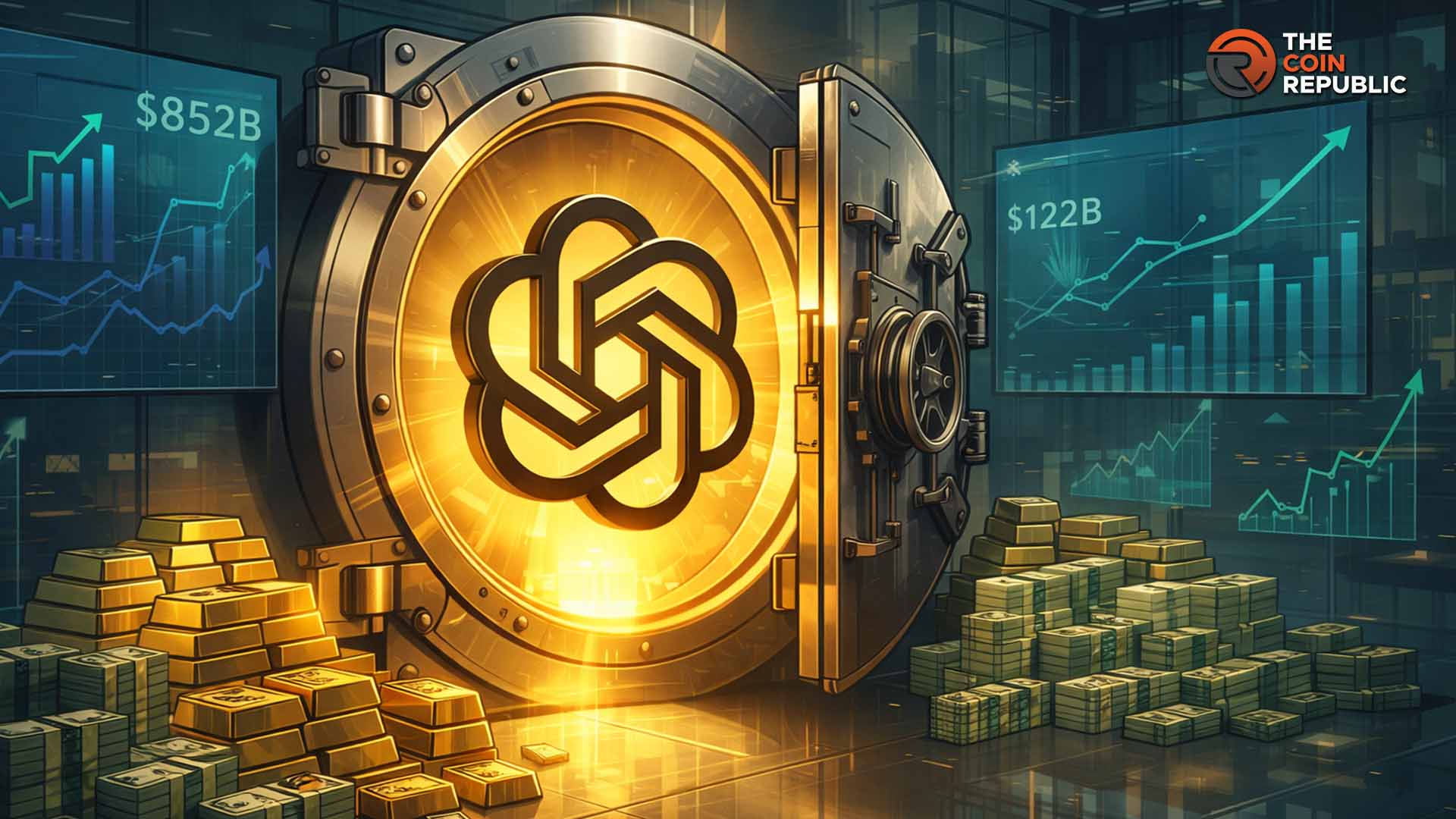
OpenAI's substantial $122 billion funding round at an $852 billion valuation, coupled with $2 billion in monthly revenue, signals robust investor confidence and significant operational scaling potential. The massive capital inflow, including major commitments from Amazon, NVIDIA, and SoftBank, strengthens OpenAI's financial position to expand infrastructure and global deployment despite rising energy costs and regional risks. The news highlights the increasing financial scale of AI development, with significant capital being deployed into compute infrastructure and energy solutions, potentially impacting broader tech and energy markets.
Floyd Mayweather's past involvement with ICO promotions resulted in SEC charges and settlements, highlighting regulatory risks for public figures endorsing digital assets. The article details Mayweather's diverse income streams including fight purses, endorsements, and investments, but his crypto-related ventures faced significant regulatory hurdles and penalties. Despite past regulatory issues with ICOs, Mayweather's continued high-profile activities and business ventures suggest a focus on traditional finance and entertainment rather than direct crypto market participation.
Dogecoin's April Fools' Day rebrand stunt, satirizing corporate crypto language, generated significant community engagement, reinforcing its meme-driven brand identity. The satirical event occurred amidst genuine market momentum for DOGE, with an 8% rally in March and substantial derivatives open interest, indicating underlying trading interest beyond meme culture. Despite the playful nature of the announcement, the underlying market activity and Elon Musk's X Money confirmation suggest potential for continued price action, warranting a neutral stance on immediate repricing.
XRP concluded Q1 2026 with its most significant quarterly loss since 2018, indicating persistent bearish pressure driven by market volatility and weak institutional demand. The 27.1% Q1 decline, closing at $1.33, highlights a substantial year-over-year drop from Q1 2025's $2.08, suggesting a deteriorating market sentiment for the asset. Despite the poor quarterly performance, a recent 3.08% 24-hour gain offers a glimmer of optimism for Q2, though sustained recovery hinges on overcoming previous negative trends.
Local governments are increasingly implementing bans and strict removal orders for crypto ATMs, driven by rising concerns over fraud and money laundering, signaling a potential shift in accessibility for retail crypto users. The crackdown on crypto ATMs, exemplified by Haverhill's 60-day removal order and ongoing lawsuits against operators like Bitcoin Depot, indicates a growing regulatory pressure that could impact the infrastructure facilitating on-ramps for new capital into the crypto market. As more municipalities follow suit with bans, the trend suggests a challenging environment for crypto ATM operators and may force a re-evaluation of consumer protection measures versus the perceived risks associated with these access points.

Ripple's launch of Digital Asset Accounts and Unified Treasury integrates digital assets into enterprise treasury workflows, potentially increasing adoption of XRP and RLUSD by corporate treasurers. The new platform addresses a key barrier to corporate digital asset adoption by offering a single interface for managing both fiat and digital assets, reducing operational complexity. This development leverages Ripple's acquisition of GTreasury, embedding crypto capabilities into established enterprise infrastructure and signaling a strategic push into institutional treasury solutions.

Franklin Templeton's acquisition of CoinFund's spinoff 250 Digital signals a strategic expansion into institutional crypto investment management, potentially increasing capital flows into the sector. The formation of Franklin Crypto, led by experienced personnel and integrating existing liquid strategies, indicates a structured approach to building out a dedicated crypto investment platform for institutional clients. Despite a market downturn, Franklin Templeton views the current environment as an opportune moment to invest in talent and infrastructure, suggesting a long-term conviction in the crypto market's potential. The integration of BENJI tokens, representing ownership in a tokenized money market fund, highlights Franklin Templeton's ongoing efforts in RWA tokenization and bridging traditional finance with digital assets.

Michael Saylor's Strategy is set to resume significant Bitcoin accumulation, potentially injecting over $76 million this week, which historically correlates with positive BTC price action. The resumption of Strategy's buying, enabled by STRC trading above par, could provide a catalyst for Bitcoin to retest the $80,000 level in April, contingent on sustained buying pressure and broader market sentiment. Bitcoin's price action has shown a strong correlation with Strategy's buying cycles, with periods of accumulation by Strategy coinciding with price rallies and pauses leading to pullbacks.
Signal context only. Validate with price action, liquidity, and risk limits before taking a position.
Franklin Templeton's acquisition of a CoinFund spinoff signals increased institutional adoption and a strategic push into digital assets by traditional finance players. The move by a $1.7 trillion asset manager to offer specialized crypto investment solutions indicates growing demand from institutional clients like pensions and sovereign funds, potentially driving further capital inflows. This development suggests a maturing crypto market where established financial institutions are actively seeking to integrate digital assets into their offerings, potentially impacting market structure and product development.
