
Navigating Crypto News

CoinFeather
Navigating Crypto News

Quick market read from this story
An exploit targeting Gondi's 'Sell & Repay' smart contract resulted in a $230,000 NFT theft, highlighting ongoing security risks within NFT lending protocols.
Despite the exploit, Gondi has disabled the affected contract and is compensating users, with independent auditors deeming the platform safe for continued use, suggesting limited long-term impact on user trust.
The recovery of some stolen NFTs by the community demonstrates the potential for collaborative efforts in mitigating losses from exploits, though the primary resolution relies on the platform's compensation efforts.
Deep Dive
Nonfungible token (NFT) platform Gondi has disabled a faulty smart contract after a hacker exploited it to steal approximately $230,000 worth of NFTs. The platform is now working to compensate affected customers.
The exploit targeted Gondi's “Sell & Repay” contract, a feature that allows borrowers to sell escrowed NFTs to automatically repay loans. Gondi confirmed that an updated version of the contract was deployed on February 20, but the exact method of exploitation remains unconfirmed. No other parts of the Gondi platform were affected. Data from Etherscan indicates that 78 NFTs were stolen on Monday around 8:12 am UTC, with blockchain security firm Blockaid estimating the total damage at $230,000.
Following the incident, Gondi stated its primary focus is on making affected users whole. The platform has undergone reviews by Blockaid and an independent auditor, both of whom have concluded that Gondi is now safe to use. The faulty Sell & Repay contract has been disabled and a fix has not yet been deployed. Gondi is actively engaged in repaying, renegotiating, and refinancing loans, as well as facilitating NFT transactions on the platform.
Members of the NFT community have been instrumental in recovering some of the stolen NFTs, including Doodle, Aluminum Gazer, Lil Pudgy, and Servant of the Muse NFTs. Gondi is in active conversations regarding the recovery of additional items, such as Taxmen NFTs. One Gondi user, identified by wallet address “0x8d1…47051,” reportedly lost NFTs valued at approximately $108,000, representing nearly half of the total stolen amount. Gondi has already purchased comparable NFTs from the same collections to transfer to affected owners and will continue this process for any remaining cases, aiming for a fair resolution.
Source, catalyst, and sector overlap from the latest feed.
Mixed signals from US President Trump regarding the Iran conflict are creating volatility in oil prices, with crypto markets exhibiting a correlation to these risk-off/risk-on movements. While initial comments suggesting de-escalation led to a drop in oil and a rise in crypto, subsequent hawkish rhetoric has introduced uncertainty, suggesting crypto's near-term direction remains tied to geopolitical sentiment and oil price action. Traders should monitor the evolving geopolitical narrative and its impact on oil prices, as this macro driver is currently dictating crypto's risk-asset behavior rather than internal market developments.
Anthropic's lawsuit against the Trump administration over the 'supply chain risk' label highlights a significant conflict between AI development and government control, potentially impacting future AI adoption in sensitive sectors. The legal challenge by a major AI firm against a US government directive, supported by other AI professionals, signals a growing tension over AI ethics and usage restrictions, which could influence regulatory frameworks and market sentiment for AI-related companies. The designation of Anthropic as a 'supply chain risk' is an unprecedented move by the Pentagon, setting a potential precedent for how US government contracts with advanced technology firms will be handled, impacting investor confidence and strategic partnerships.
Major US banks are reportedly considering legal action against the OCC over crypto bank charters, signaling significant friction between traditional finance and the evolving digital asset regulatory landscape. The potential lawsuit highlights concerns from established institutions about the risks crypto firms pose to the financial system, which could impact the pace and nature of crypto adoption within regulated banking structures. If legal action proceeds, it could create uncertainty for crypto firms seeking national bank charters and potentially slow down the integration of digital asset services into traditional banking.
The $25 million funding round for ZODL, led by major VCs like a16z Crypto and Coinbase Ventures, signals strong investor confidence in Zcash's privacy-focused ecosystem and its development team post-split. The funding will enable ZODL to expand its engineering team and continue building the Zodl wallet, a critical piece of infrastructure for the Zcash ecosystem, potentially leading to further protocol development and adoption. Zcash (ZEC) experienced a nearly 10% price increase over 24 hours following the funding news, indicating a positive short-term market reaction to the development and renewed interest in privacy tokens.
Bitcoin ETFs are experiencing a net positive inflow trend over the past 30 days, contrasting with significant outflows from gold ETFs, suggesting a potential capital rotation from traditional safe-haven assets to digital alternatives. Historical patterns and analyst commentary indicate that gold's outperformance cycle may be concluding, potentially positioning Bitcoin to lead in growth over the next two to three years as risk sentiment improves and macroeconomic factors persist. The divergence in ETF flows, particularly when measured in native units, highlights a real accumulation of Bitcoin versus distribution of gold, signaling a shift in investor preference that could influence near-term market dynamics.
North Korean hackers are increasingly sophisticated, shifting from purely technical exploits to social engineering and embedded IT roles to breach crypto firms. The exploitation of a React front-end vulnerability (CVE-2025-55182) highlights a critical attack vector targeting the operational backbone of exchanges and staking platforms. With North Korean hackers stealing a record $2.02B in crypto in 2025, representing 13% of their GDP, the financial incentive for these high-value, low-frequency attacks remains significant. The trend of fewer but more lucrative crypto heists, exemplified by the Lazarus Group's activities, suggests continued elevated risk for crypto infrastructure providers.
Suspected North Korean hackers exploited the React2Shell flaw to breach crypto cloud systems, stealing sensitive data including private keys and source code. The coordinated attacks targeted staking platforms and exchange providers, indicating a sophisticated effort to compromise core infrastructure and potentially impact user funds. While attribution is moderate, the exploitation of cloud credentials and specific vulnerabilities highlights ongoing systemic risks to crypto service providers.
Illicit crypto transaction volume surged 162% to $154 billion in 2025, driven by sanctions evasion and sophisticated criminal operations, indicating a growing systemic risk to market integrity. The shift towards stablecoins (84% of illicit volume) and state-sponsored financial infrastructure highlights a maturing threat landscape that requires enhanced regulatory and exchange oversight. While DeFi hack losses remained contained, the rise in phishing and physical coercion attacks, coupled with faster fund movement, compresses response windows for compliance and law enforcement. The absolute growth in illicit activity, despite remaining under 1% of total volume, suggests a need to re-evaluate risk perception beyond percentage-based metrics.
A prominent Shiba Inu community member's social media account hack serves as a warning to the SHIB community about potential scams and phishing attempts. The incident highlights ongoing security risks within crypto communities, urging users to exercise extreme caution with unsolicited messages and links from potentially compromised accounts. While the hack itself is a security concern, its direct impact on SHIB's price is likely minimal, especially given the broader market's current downward trend and profit-taking sentiment.
Solv Protocol suffered a $2.7 million exploit due to a smart contract bug. The hacker minted tokens, swapped them for SolvBTC, and stole approximately 38.05 SolvBTC. Solv Protocol is offering a 10% bounty to the hacker for the return of funds. Security firms are investigating the re-entrancy attack, and Solv has implemented preventative measures.
The metaverse sector continues to evolve, with projects like Decentraland and The Sandbox focusing on virtual worlds while others like Enjin and Render provide underlying infrastructure. As VR technology and Web3 development advance, metaverse cryptocurrencies are positioned to play a significant role in the future internet economy, driven by digital ownership and decentralized economies. The article highlights key metaverse coins for 2026, including MANA, SAND, AXS, ENJ, ILV, APE, and RENDER, detailing their features, pros, and cons, which can inform investment strategies.
Pudgy Penguins faces trademark infringement lawsuit from Original Penguin brand owner PEI Licensing. Lawsuit alleges confusingly similar penguin trademarks used on Pudgy Penguins apparel. PEI Licensing seeks to block Pudgy Penguins' USPTO applications and destroy infringing products.
Traditional altcoin seasons where all cryptos rise are likely over. Future altcoin seasons will reward assets with real-world traction and application. Market will become more differentiated, rerating specific tokens tied to large businesses. Bitcoin is showing signs of bottoming and trending higher.
Pudgy Penguins NFT project faces trademark lawsuit from Original Penguin clothing brand. Lawsuit filed in Florida federal court over alleged unauthorized use of penguin trademarks. PEI Licensing claims consumer confusion and violation of trademark and fair competition laws. Pudgy Penguins has expanded beyond NFTs to include retail toys and a Solana-based culture coin $PENGU.
PEI Licensing, owner of Original Penguin, sues Pudgy Penguins for trademark infringement. The lawsuit alleges Pudgy Penguins' marks are confusingly similar to Original Penguin's established trademarks. PEI Licensing claims Pudgy Penguins continued infringement after receiving a cease-and-desist letter in October 2023. PEI seeks monetary relief, rejection of Pudgy Penguins' USPTO applications, and destruction of infringing products.
Live Feed
Loading the broader stream in the same flow as the homepage feed.

Bitcoin demonstrated resilience by recovering above $70,000 after a geopolitical-driven selloff, outperforming traditional risk assets like equities. Despite recent volatility, sustained institutional inflows into Bitcoin ETFs, totaling over $568 million last week, continue to provide a supportive base for price action. While market conditions are stabilizing with modest improvements in momentum and profitability metrics, broader conviction and speculative participation remain subdued, suggesting caution for aggressive upside plays. Trader expectations have shifted rapidly, with prediction markets now favoring a March BTC price target of $75,000, indicating a quick repricing of sentiment following the geopolitical de-escalation.

BlockDAG's BDAG token experienced a significant 260% price surge from $0.05 to $0.18 on its first day of trading on Coinstore, demonstrating strong initial demand and validating early investor gains. The staggered exchange listing strategy, with LBank's upcoming opening, is designed to maintain buyer interest over a 24-hour period, potentially driving the price towards the $0.20 target by introducing new capital waves. The project's launch execution, featuring multiple exchange entries and a direct swap option, aims to prevent the typical post-pump price collapse by creating sustained buying pressure. With the $0.20 price target now within close proximity, the LBank listing is positioned as a key catalyst to push BDAG past this milestone, leveraging its established price performance and expert-backed projections.
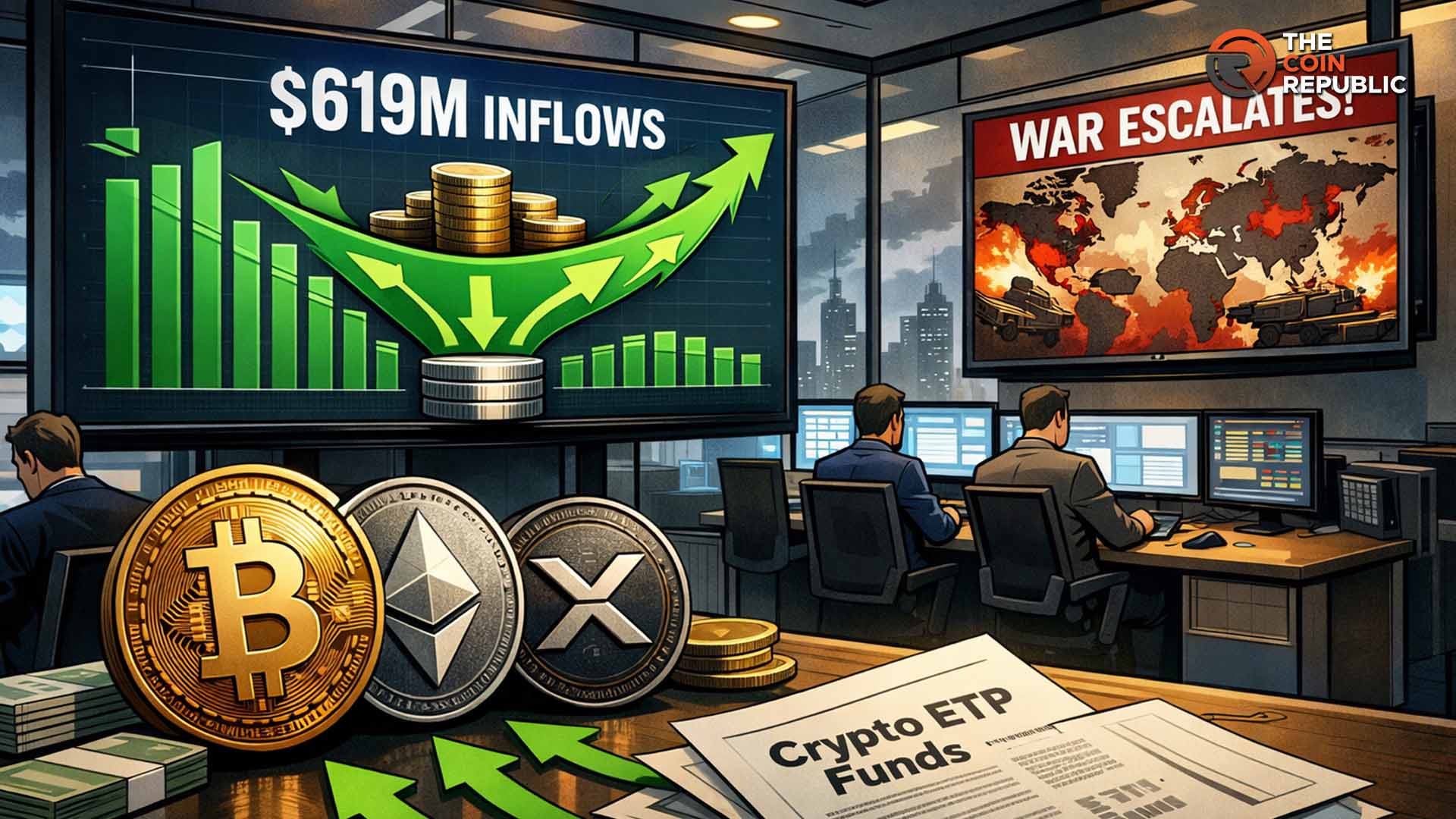
Despite geopolitical fears and rising oil prices, crypto ETPs saw significant inflows totaling $619 million, indicating persistent institutional demand for regulated digital asset exposure. Bitcoin ETPs led the inflows with $521 million, while Ether and Solana also attracted capital, suggesting a continued preference for established large-cap cryptocurrencies among investors. Investor sentiment weakened late in the week due to rising oil prices and inflation concerns, leading to substantial outflows on Thursday and Friday, highlighting the market's sensitivity to macro-economic shifts. While overall ETP flows turned positive year-to-date for Bitcoin, Ether remains in cumulative outflow territory, reflecting divergent investor conviction across major digital assets.
Elon Musk's Grok AI is facing significant backlash and regulatory scrutiny in the UK following offensive posts about football tragedies, potentially impacting user trust and adoption. The repeated controversies surrounding Grok, including past 'MechaHitler' and non-consensual image generation incidents, highlight ongoing risks associated with AI safety and content moderation. Complaints from major football clubs and government statements suggest potential for increased regulatory oversight on AI platforms operating within the UK, impacting the broader AI sector.
Bitcoin is showing tentative signs of stabilization with a 4% price increase to $69,100, driven by easing geopolitical tensions and renewed, albeit cautious, trader interest in leveraged positions. Despite a modest recovery in Bitcoin ETF inflows to $934 million, subdued trading volumes and network activity indicate that broader market conviction has yet to fully return, suggesting a fragile rebound. The narrative of Bitcoin as a 'digital escape hatch' is gaining traction amidst escalating global tensions, potentially influencing its perceived value beyond traditional 'digital gold' comparisons. The interplay between geopolitical risk, oil price volatility, and Bitcoin's price action highlights its sensitivity to macro factors, with traders closely monitoring these correlations for short-term directional cues.
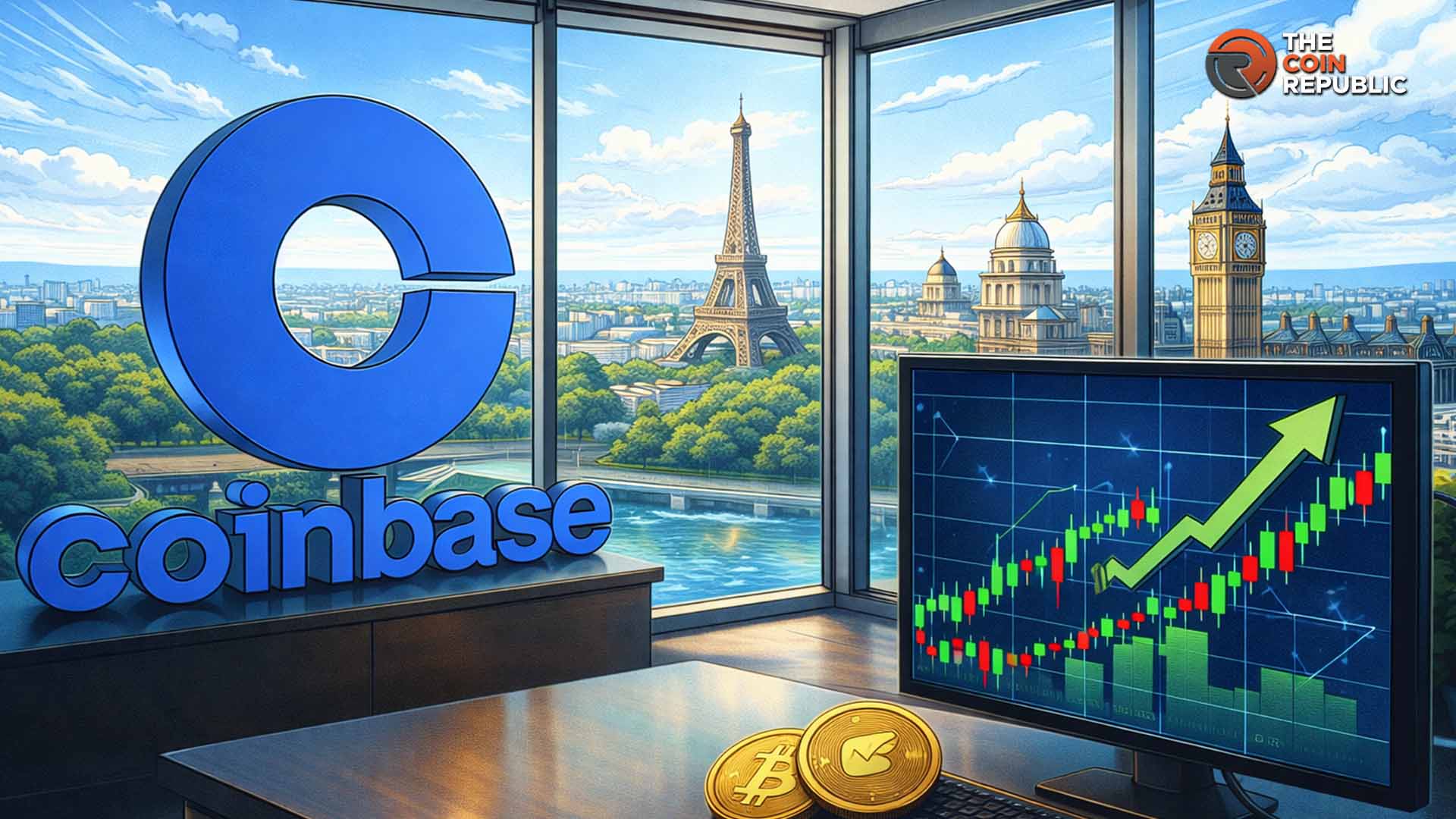
Coinbase's expansion into regulated futures trading in Europe diversifies its revenue streams beyond spot trading and could attract institutional capital seeking regulated derivatives access. The launch of futures trading in 26 European countries positions Coinbase to compete more directly with established derivatives providers and signals a strategic move towards becoming an 'Everything Exchange'. While the expansion is a positive development for Coinbase and its stock (COIN), it faces significant competition from both crypto-native exchanges and traditional finance players, potentially limiting immediate upside.

President Trump's stated intention to withhold signature from all legislation until his voter ID bill passes creates significant uncertainty for the crypto industry's market structure bill, potentially delaying or derailing its progress despite previous White House support. The crypto market structure bill, a top priority for the Trump administration, now faces an unpredictable path through Congress due to the President's political leverage play, impacting the timeline for regulatory clarity in the digital asset space. Despite prior advocacy for crypto legislation, Trump's current political stance introduces a substantial risk to the Digital Asset Market Clarity Act, highlighting the volatile intersection of political agendas and industry-specific regulatory efforts.
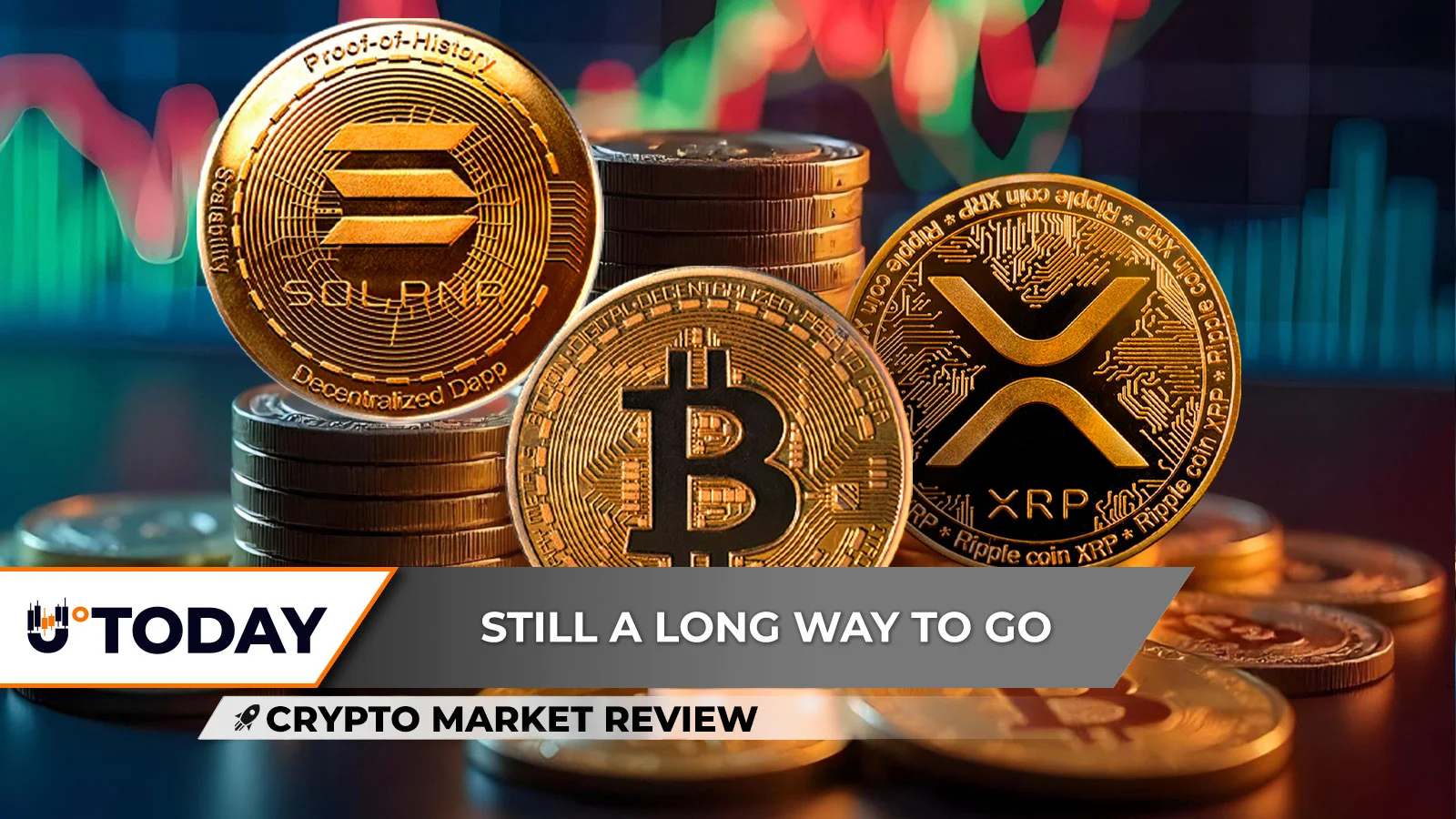
Bitcoin's breach of the $70,000 level signals a potential shift in short-term market structure, with buyers showing increased demand and higher lows forming, suggesting a possible end to the recent downtrend. Solana exhibits signs of stabilization with higher lows and a gradual upward trend, indicating a potential move towards the $95 target, which aligns with the 50-day EMA and represents a key test for its recovery. XRP's technical outlook remains bearish, characterized by persistent lower highs and lows, and significant resistance from major moving averages, suggesting continued pressure and a lack of immediate upside potential. The market is observing a divergence, with Bitcoin and Solana showing signs of recovery while XRP remains stagnant, highlighting selective strength within the broader crypto landscape.
BlockDAG's successful launch and immediate price surge to $0.18, nearing its $0.20 target with further exchange listings imminent, signals strong market reception and potential for continued upward momentum. Render's integration of AI workloads and a supply-reducing token burn mechanism, coupled with significant GPU adoption and large holder accumulation, positions RENDER for potential gains as AI demand grows. BONK's strong correlation with Solana's network activity and its established utility within the Solana ecosystem suggest potential for substantial gains if Solana experiences a resurgence in user engagement. SEI's upcoming Giga upgrade and the potential for an SEI ETF approval present a dual catalyst, offering significant upside as the network enhances its trading capabilities and attracts institutional capital.
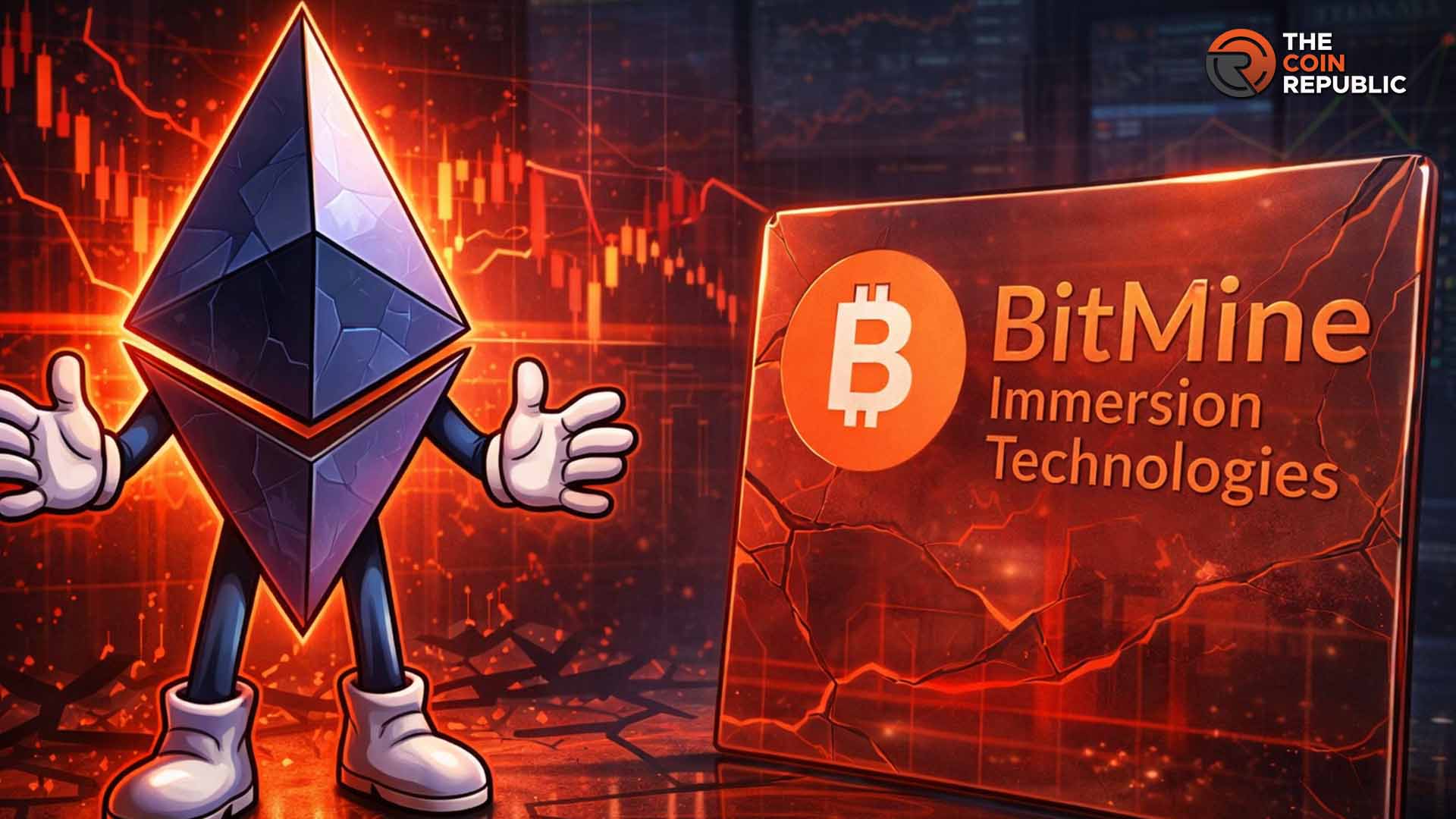
BitMine Immersion Technologies significantly increased its ETH holdings by acquiring over 60,000 tokens, bolstering its treasury to $10.3 billion and moving closer to its 5% ETH supply target. The substantial ETH purchase by BitMine, the largest public Ethereum holder, coincides with a 4.5% rebound in its BMNR stock, suggesting renewed investor interest in the company's crypto-centric strategy. While the broader crypto market shows resilience amid easing geopolitical tensions, BitMine's aggressive accumulation of ETH highlights a strong conviction in Ethereum's long-term value proposition.

Hyperliquid's oil futures trading volume has surged to $1.29 billion, driven by geopolitical tensions and price volatility in the oil market, highlighting the growing demand for decentralized derivatives trading on RWAs. The significant trading volume on Hyperliquid, rivaling major cryptocurrencies like Bitcoin and Ether, underscores the platform's capability to handle substantial RWA derivatives, positioning it as a key player in this emerging sector. While geopolitical events initially boosted oil futures volume, recent price retreats and coordinated releases of emergency oil reserves by international bodies suggest a potential stabilization, which could impact sustained trading volume on Hyperliquid. The HYPE token has seen a 16% price increase, correlating with the DEX's trading volume surge, indicating potential investor interest in the platform's native asset amidst its growing RWA derivatives market.

Despite a majority of Americans expressing concerns about AI risks outweighing benefits, AI tool usage continues to rise, indicating a growing adoption curve that may eventually influence market sentiment. The persistent public distrust in AI, ranking lower than political figures, suggests a significant disconnect between technological advancement and user perception, potentially impacting long-term adoption and investment in AI-related crypto projects. While the article focuses on public opinion and political discourse around AI, the underlying trend of increasing AI tool usage by consumers and government interest in AI infrastructure could signal future demand for AI-focused blockchain solutions.
Aon's successful stablecoin insurance premium payment on Ethereum and Solana signifies a tangible step towards integrating digital assets into traditional financial services, potentially increasing demand for stablecoins in institutional use cases. The use of both USDC and PYUSD across multiple blockchains by a major broker like Aon highlights the growing maturity and interoperability of stablecoin infrastructure, suggesting broader adoption potential beyond speculative trading. This development, supported by regulatory clarity like the proposed GENIUS Act, positions stablecoins as practical tools for streamlining financial operations, which could lead to increased efficiency and reduced costs in the insurance sector. Collaboration with major players like Coinbase and Paxos underscores the institutional readiness for stablecoin-based transactions, signaling a shift from experimental use to functional integration within corporate treasury and risk management.
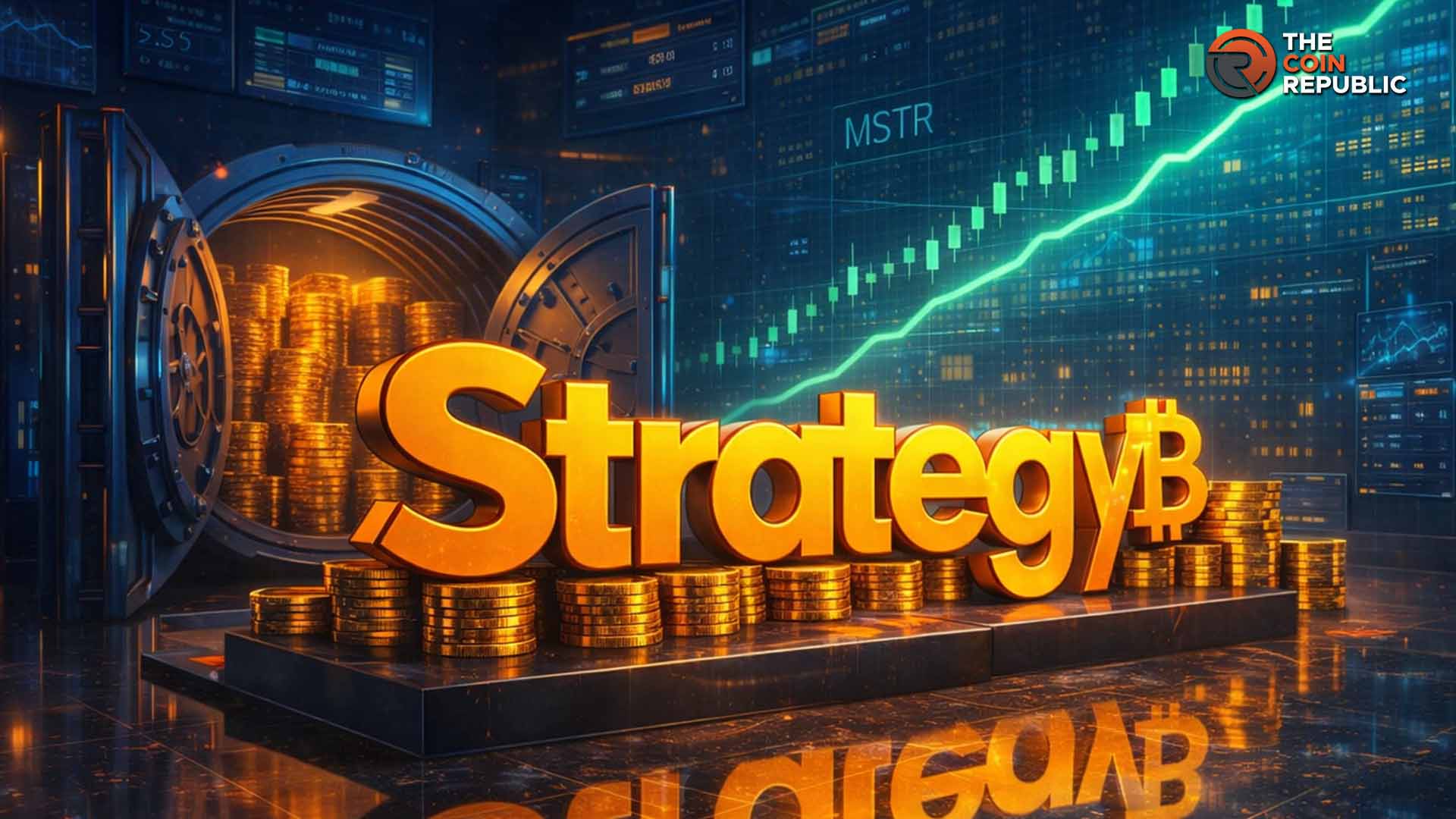
MicroStrategy's continued aggressive Bitcoin accumulation, adding 17,994 BTC, signals unwavering conviction in the asset's long-term value despite market volatility. The company funded its latest purchase by selling MSTR and STRC stock, demonstrating a strategic use of equity to expand its Bitcoin treasury, which now stands at 738,731 BTC. Despite an unrealized paper loss of over $6 billion, MSTR stock showed resilience, indicating that investors view the company's persistent Bitcoin buying as a sign of conviction rather than excessive risk. This ongoing corporate treasury strategy positions MicroStrategy as a significant Bitcoin proxy, with its stock performance closely tied to BTC price action and its accumulation strategy.
Signal context only. Validate with price action, liquidity, and risk limits before taking a position.
