
Navigating Crypto News

CoinFeather
Navigating Crypto News

Quick market read from this story
Hyperliquid's oil futures trading volume has surged to $1.29 billion, driven by geopolitical tensions and price volatility in the oil market, highlighting the growing demand for decentralized derivatives trading on RWAs.
The significant trading volume on Hyperliquid, rivaling major cryptocurrencies like Bitcoin and Ether, underscores the platform's capability to handle substantial RWA derivatives, positioning it as a key player in this emerging sector.
While geopolitical events initially boosted oil futures volume, recent price retreats and coordinated releases of emergency oil reserves by international bodies suggest a potential stabilization, which could impact sustained trading volume on Hyperliquid.
The HYPE token has seen a 16% price increase, correlating with the DEX's trading volume surge, indicating potential investor interest in the platform's native asset amidst its growing RWA derivatives market.
Deep Dive
The decentralized exchange (DEX) Hyperliquid has reported a significant increase in trading volume for its oil futures, reaching $1.29 billion. This figure places it closely behind Bitcoin's $3.56 billion and ahead of Ether's $1.24 billion in trading volume. This represents a substantial 66.67% surge from the previous day's $720 million.
The heightened trading activity is largely attributed to a recent 30% upsurge in oil prices, which climbed to $120 a barrel. This price increase was fueled by concerns over the US-Iran war and the potential closure of the Strait of Hormuz, impacting energy production in the Middle East.
However, as of writing, the Hyperliquid CL-USDC contract, tracking West Texas Intermediate (WTI) crude oil, saw its 24-hour trading volume drop to $1.99 billion, a 10.78% decrease. This followed a retreat in oil prices to $85.32 a barrel, influenced by the G7 industrial nations and the International Energy Agency (IEA) announcing a joint release of over 1.2 billion emergency barrels. Speculation also suggests that US military intervention could restore global oil flows to pre-conflict levels.
Liquidations for long positions have exceeded $40 million, with one notable whale losing $1.55 million.
Hyperliquid's notable performance, including an estimated $844 million in revenue for 2025, is credited to its HIP-3 markets. These markets facilitate trading of Real World Assets (RWAs) 24/7, offering execution speeds and liquidity comparable to major exchanges.
Silver has emerged as the top-traded RWA, driven by demand from artificial intelligence (AI) and electric vehicle (EV) sectors. At the time of reporting, silver was trading at $87, marking a 5% gain in the last 24 hours.
The native token, HYPE, was trading at $35.20, up 16% in the day, reflecting the DEX's increased trading volume.
Source, catalyst, and sector overlap from the latest feed.
The increasing prevalence of AI agents in crypto transactions, predicted to soon outnumber humans, signals a significant shift towards automated financial activity on-chain. The integration of EIP-3009 with stablecoins like U suggests a growing focus on enabling seamless, gasless transactions for AI agents, potentially driving adoption of specific stablecoins and Layer 2 solutions. While AI agents offer efficiency, the mention of rogue AI agents like ROME highlights emerging risks and the critical need for robust regulatory frameworks like the EU's MiCA to govern their on-chain behavior.
Pi Network's price is experiencing a speculative rally driven by anticipation of Pi Day on March 14, with potential price targets of $0.50 to $0.75 contingent on announcements and exchange listings. The current price action is highly event-driven, creating a 'buy-the-rumor, sell-the-news' scenario where a disappointing Pi Day announcement could trigger a sharp reversal. Traders should monitor the $0.20 support level; a break below could signal a return to lower prices, while holding above it maintains the bullish short-term outlook. Upcoming network upgrades and new DeFi tools scheduled for completion by March 12 add to the event-driven sentiment, potentially influencing short-term price action if successfully launched.
XRP is approaching a historically significant technical support zone, the 100-week EMA, which has preceded major rallies in 2017 and 2021, suggesting potential for a substantial price expansion if past patterns repeat. Analysts present two potential XRP price targets based on historical chart patterns: a conservative $6-$9 range mirroring the 2021 cycle, and an aggressive $20-$25 target echoing the 2017 parabolic move. Despite a technically bullish chart setup, the current macro environment, characterized by geopolitical tensions and risk-off sentiment, presents headwinds for a speculative altcoin surge, creating a divergence between technical potential and immediate market conditions.
The crypto market experienced a significant rally driven by institutional buying and a perceived shift in US regulatory stance on privacy tools, suggesting a potential easing of enforcement fears. Bitcoin's breach of $69,000 and Ethereum's move above $2,000, coupled with substantial short liquidations, indicate strong upward momentum and a potential shift in market sentiment from fear to cautious optimism. While the rally shows breadth with assets like SOL, BNB, and ADA showing gains, the Altcoin Season Index at 35 suggests Bitcoin remains the primary driver, with broader altcoin participation yet to materialize. Upcoming US Bitcoin ETF flow data and ongoing geopolitical risks present key variables that could influence the sustainability of this rally, highlighting the market's continued sensitivity to macro factors and institutional flows.
CZ's prediction of a Bitcoin super cycle, driven by institutional adoption and regulatory clarity, suggests a potential shift away from traditional four-year cycles, favoring utility-focused projects. The article highlights Pepeto's presale as a direct beneficiary of CZ's super cycle thesis, emphasizing its exchange infrastructure development as key to capturing institutional capital flows. With $7.5M raised and a focus on exchange tools, Pepeto is positioned to capitalize on the predicted influx of tokenized assets, aiming for significant returns upon its listing.
Aon's successful stablecoin insurance premium payment on Ethereum and Solana signifies a tangible step towards integrating digital assets into traditional financial services, potentially increasing demand for stablecoins in institutional use cases. The use of both USDC and PYUSD across multiple blockchains by a major broker like Aon highlights the growing maturity and interoperability of stablecoin infrastructure, suggesting broader adoption potential beyond speculative trading. This development, supported by regulatory clarity like the proposed GENIUS Act, positions stablecoins as practical tools for streamlining financial operations, which could lead to increased efficiency and reduced costs in the insurance sector. Collaboration with major players like Coinbase and Paxos underscores the institutional readiness for stablecoin-based transactions, signaling a shift from experimental use to functional integration within corporate treasury and risk management.
Nasdaq's integration with Boerse Stuttgart's Seturion platform signifies a significant step towards reducing fragmentation in European capital markets through DLT-based settlement of tokenized securities. This partnership between a major exchange operator and a tokenized settlement venue highlights the growing institutional adoption of blockchain technology for traditional financial assets, potentially increasing efficiency and accessibility. The move by Nasdaq and Boerse Stuttgart aligns with broader industry trends of traditional exchanges exploring tokenized securities, indicating a potential shift in market infrastructure and a growing RWA sector.
The Jito Foundation's acquisition of SolanaFloor signals a commitment to rebuilding ecosystem infrastructure and journalism following a significant hack at Step Finance. This move aims to restore a key data and news source for the Solana ecosystem, potentially improving information flow and market transparency for participants. While the acquisition is positive for Solana's ecosystem narrative, the underlying cause (a $40M hack) highlights ongoing security risks that could continue to impact sentiment.
AMINA Bank's integration as the first regulated bank on the EU's 21X DLT exchange signifies a crucial step towards institutional adoption of tokenized assets. The successful interbank fiat settlement trials on Google Cloud's Universal Ledger highlight the potential for near real-time, 24/7 settlement infrastructure, a key enabler for broader DLT adoption. While AMINA Bank's move is positive, the broader adoption pace will likely hinge on regulatory clarity and potential easing of restrictive caps within the EU's DLT Pilot Regime.
Blockchain.com's expansion into Ghana, following significant growth in Nigeria, signals increasing institutional interest and operational focus on the African continent. The company's emphasis on integrating with Ghana's mobile money ecosystem highlights a strategic approach to leveraging existing financial infrastructure for broader crypto adoption. Rising crypto adoption across Sub-Saharan Africa, driven by remittances and currency volatility, provides a strong tailwind for platforms like Blockchain.com seeking to capitalize on regional demand.
Bitcoin is showing tentative signs of stabilization with a 4% price increase to $69,100, driven by easing geopolitical tensions and renewed, albeit cautious, trader interest in leveraged positions. Despite a modest recovery in Bitcoin ETF inflows to $934 million, subdued trading volumes and network activity indicate that broader market conviction has yet to fully return, suggesting a fragile rebound. The narrative of Bitcoin as a 'digital escape hatch' is gaining traction amidst escalating global tensions, potentially influencing its perceived value beyond traditional 'digital gold' comparisons. The interplay between geopolitical risk, oil price volatility, and Bitcoin's price action highlights its sensitivity to macro factors, with traders closely monitoring these correlations for short-term directional cues.
Coinbase's expansion into regulated futures trading in Europe diversifies its revenue streams beyond spot trading and could attract institutional capital seeking regulated derivatives access. The launch of futures trading in 26 European countries positions Coinbase to compete more directly with established derivatives providers and signals a strategic move towards becoming an 'Everything Exchange'. While the expansion is a positive development for Coinbase and its stock (COIN), it faces significant competition from both crypto-native exchanges and traditional finance players, potentially limiting immediate upside.
The increasing sophistication of AI agents is poised to drive significant adoption of cryptocurrency, as these agents can bypass traditional financial system barriers like KYC requirements. The prediction that AI agents will soon out-transact humans highlights a potential paradigm shift in transaction volume, favoring digital assets that offer seamless integration for autonomous entities. The commentary from Coinbase CEO Brian Armstrong and former Binance CEO CZ suggests a growing consensus on AI's role in future financial ecosystems, potentially increasing demand for crypto infrastructure and assets.
Live Feed
Loading the broader stream in the same flow as the homepage feed.

BlockDAG's BDAG token experienced a significant 260% price surge from $0.05 to $0.18 on its first day of trading on Coinstore, demonstrating strong initial demand and validating early investor gains. The staggered exchange listing strategy, with LBank's upcoming opening, is designed to maintain buyer interest over a 24-hour period, potentially driving the price towards the $0.20 target by introducing new capital waves. The project's launch execution, featuring multiple exchange entries and a direct swap option, aims to prevent the typical post-pump price collapse by creating sustained buying pressure. With the $0.20 price target now within close proximity, the LBank listing is positioned as a key catalyst to push BDAG past this milestone, leveraging its established price performance and expert-backed projections.

Anthropic's lawsuit against the Trump administration over the 'supply chain risk' label highlights a significant conflict between AI development and government control, potentially impacting future AI adoption in sensitive sectors. The legal challenge by a major AI firm against a US government directive, supported by other AI professionals, signals a growing tension over AI ethics and usage restrictions, which could influence regulatory frameworks and market sentiment for AI-related companies. The designation of Anthropic as a 'supply chain risk' is an unprecedented move by the Pentagon, setting a potential precedent for how US government contracts with advanced technology firms will be handled, impacting investor confidence and strategic partnerships.

Major US banks are reportedly considering legal action against the OCC over crypto bank charters, signaling significant friction between traditional finance and the evolving digital asset regulatory landscape. The potential lawsuit highlights concerns from established institutions about the risks crypto firms pose to the financial system, which could impact the pace and nature of crypto adoption within regulated banking structures. If legal action proceeds, it could create uncertainty for crypto firms seeking national bank charters and potentially slow down the integration of digital asset services into traditional banking.

An exploit targeting Gondi's 'Sell & Repay' smart contract resulted in a $230,000 NFT theft, highlighting ongoing security risks within NFT lending protocols. Despite the exploit, Gondi has disabled the affected contract and is compensating users, with independent auditors deeming the platform safe for continued use, suggesting limited long-term impact on user trust. The recovery of some stolen NFTs by the community demonstrates the potential for collaborative efforts in mitigating losses from exploits, though the primary resolution relies on the platform's compensation efforts.
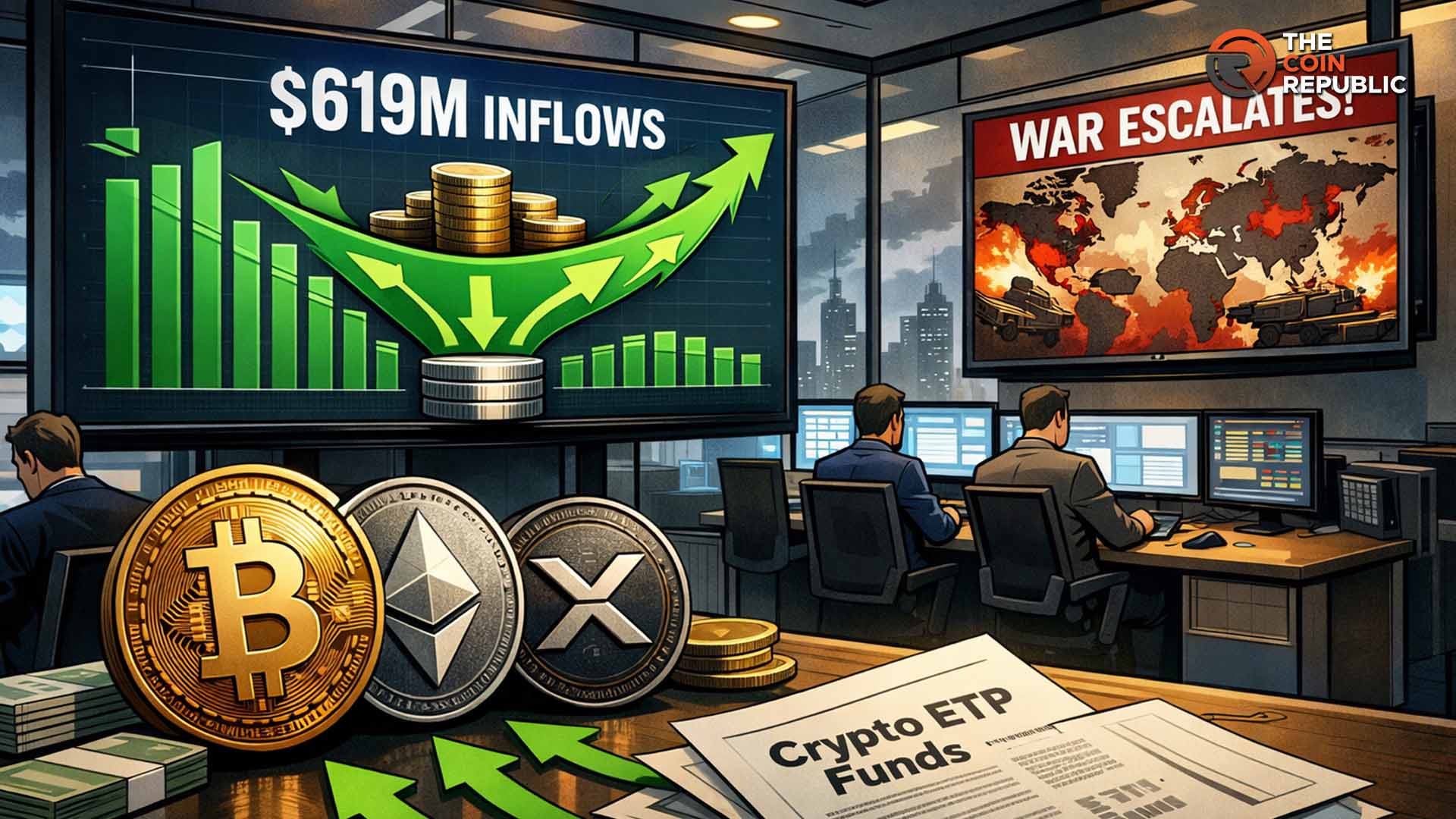
Despite geopolitical fears and rising oil prices, crypto ETPs saw significant inflows totaling $619 million, indicating persistent institutional demand for regulated digital asset exposure. Bitcoin ETPs led the inflows with $521 million, while Ether and Solana also attracted capital, suggesting a continued preference for established large-cap cryptocurrencies among investors. Investor sentiment weakened late in the week due to rising oil prices and inflation concerns, leading to substantial outflows on Thursday and Friday, highlighting the market's sensitivity to macro-economic shifts. While overall ETP flows turned positive year-to-date for Bitcoin, Ether remains in cumulative outflow territory, reflecting divergent investor conviction across major digital assets.

Elon Musk's Grok AI is facing significant backlash and regulatory scrutiny in the UK following offensive posts about football tragedies, potentially impacting user trust and adoption. The repeated controversies surrounding Grok, including past 'MechaHitler' and non-consensual image generation incidents, highlight ongoing risks associated with AI safety and content moderation. Complaints from major football clubs and government statements suggest potential for increased regulatory oversight on AI platforms operating within the UK, impacting the broader AI sector.
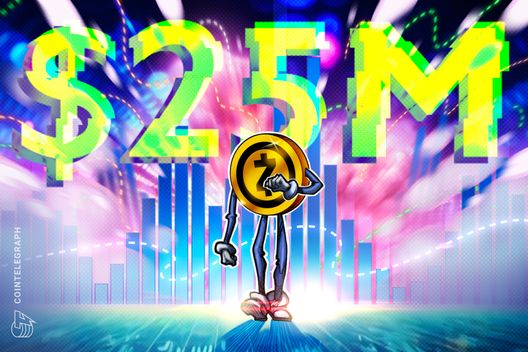
The $25 million funding round for ZODL, led by major VCs like a16z Crypto and Coinbase Ventures, signals strong investor confidence in Zcash's privacy-focused ecosystem and its development team post-split. The funding will enable ZODL to expand its engineering team and continue building the Zodl wallet, a critical piece of infrastructure for the Zcash ecosystem, potentially leading to further protocol development and adoption. Zcash (ZEC) experienced a nearly 10% price increase over 24 hours following the funding news, indicating a positive short-term market reaction to the development and renewed interest in privacy tokens.

President Trump's stated intention to withhold signature from all legislation until his voter ID bill passes creates significant uncertainty for the crypto industry's market structure bill, potentially delaying or derailing its progress despite previous White House support. The crypto market structure bill, a top priority for the Trump administration, now faces an unpredictable path through Congress due to the President's political leverage play, impacting the timeline for regulatory clarity in the digital asset space. Despite prior advocacy for crypto legislation, Trump's current political stance introduces a substantial risk to the Digital Asset Market Clarity Act, highlighting the volatile intersection of political agendas and industry-specific regulatory efforts.
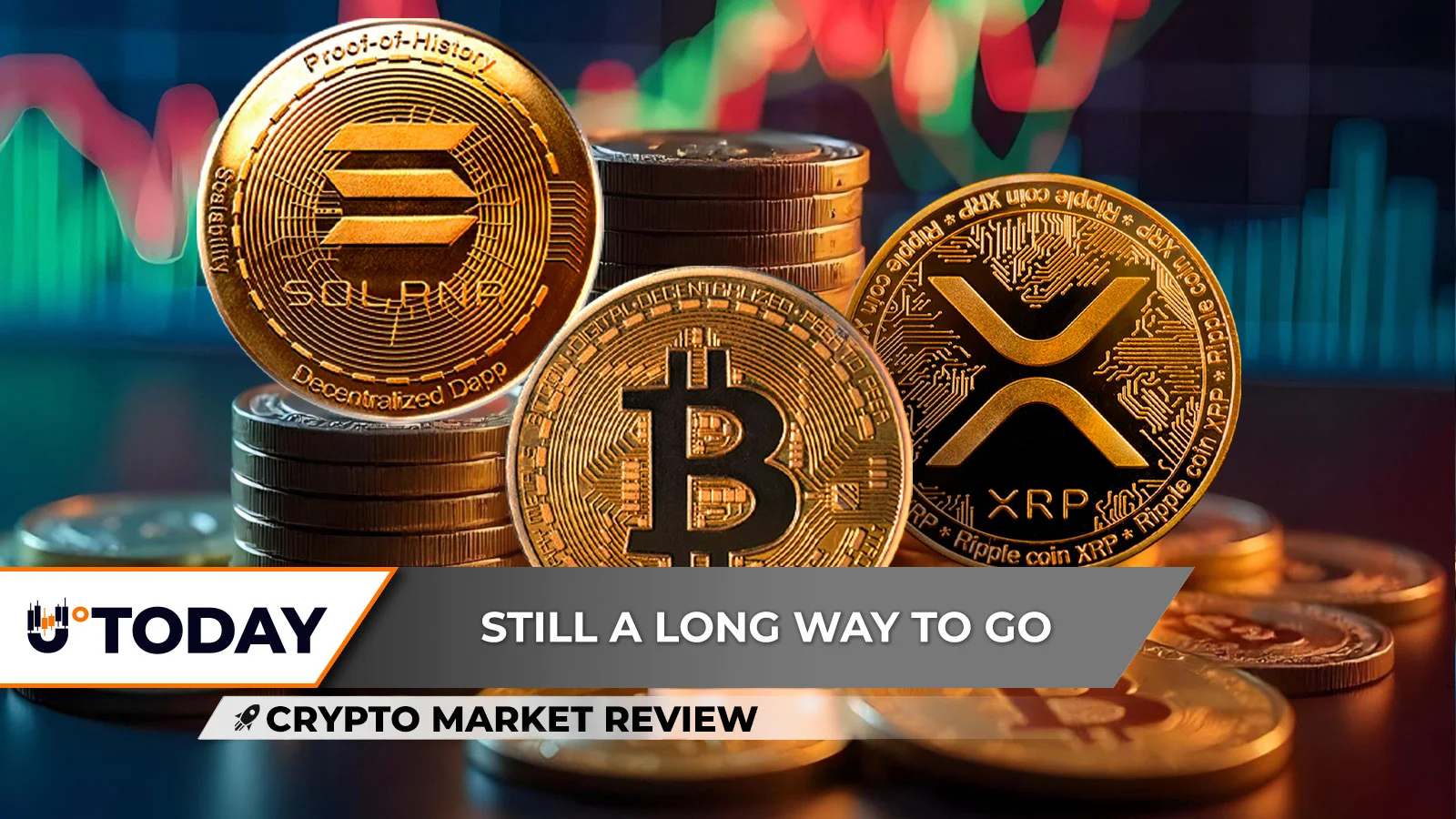
Bitcoin's breach of the $70,000 level signals a potential shift in short-term market structure, with buyers showing increased demand and higher lows forming, suggesting a possible end to the recent downtrend. Solana exhibits signs of stabilization with higher lows and a gradual upward trend, indicating a potential move towards the $95 target, which aligns with the 50-day EMA and represents a key test for its recovery. XRP's technical outlook remains bearish, characterized by persistent lower highs and lows, and significant resistance from major moving averages, suggesting continued pressure and a lack of immediate upside potential. The market is observing a divergence, with Bitcoin and Solana showing signs of recovery while XRP remains stagnant, highlighting selective strength within the broader crypto landscape.
BlockDAG's successful launch and immediate price surge to $0.18, nearing its $0.20 target with further exchange listings imminent, signals strong market reception and potential for continued upward momentum. Render's integration of AI workloads and a supply-reducing token burn mechanism, coupled with significant GPU adoption and large holder accumulation, positions RENDER for potential gains as AI demand grows. BONK's strong correlation with Solana's network activity and its established utility within the Solana ecosystem suggest potential for substantial gains if Solana experiences a resurgence in user engagement. SEI's upcoming Giga upgrade and the potential for an SEI ETF approval present a dual catalyst, offering significant upside as the network enhances its trading capabilities and attracts institutional capital.
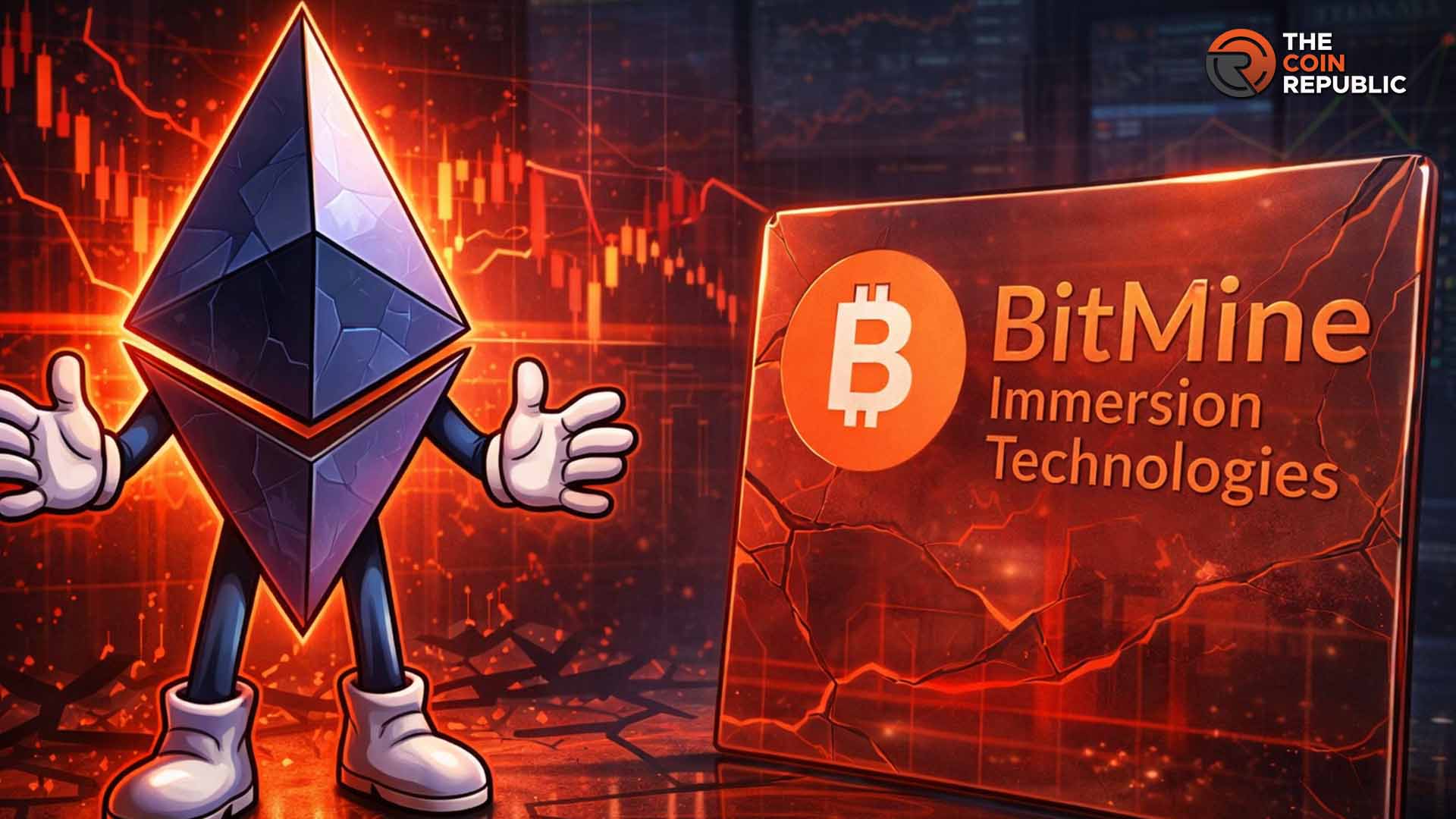
BitMine Immersion Technologies significantly increased its ETH holdings by acquiring over 60,000 tokens, bolstering its treasury to $10.3 billion and moving closer to its 5% ETH supply target. The substantial ETH purchase by BitMine, the largest public Ethereum holder, coincides with a 4.5% rebound in its BMNR stock, suggesting renewed investor interest in the company's crypto-centric strategy. While the broader crypto market shows resilience amid easing geopolitical tensions, BitMine's aggressive accumulation of ETH highlights a strong conviction in Ethereum's long-term value proposition.

Bitcoin ETFs are experiencing a net positive inflow trend over the past 30 days, contrasting with significant outflows from gold ETFs, suggesting a potential capital rotation from traditional safe-haven assets to digital alternatives. Historical patterns and analyst commentary indicate that gold's outperformance cycle may be concluding, potentially positioning Bitcoin to lead in growth over the next two to three years as risk sentiment improves and macroeconomic factors persist. The divergence in ETF flows, particularly when measured in native units, highlights a real accumulation of Bitcoin versus distribution of gold, signaling a shift in investor preference that could influence near-term market dynamics.

Despite a majority of Americans expressing concerns about AI risks outweighing benefits, AI tool usage continues to rise, indicating a growing adoption curve that may eventually influence market sentiment. The persistent public distrust in AI, ranking lower than political figures, suggests a significant disconnect between technological advancement and user perception, potentially impacting long-term adoption and investment in AI-related crypto projects. While the article focuses on public opinion and political discourse around AI, the underlying trend of increasing AI tool usage by consumers and government interest in AI infrastructure could signal future demand for AI-focused blockchain solutions.
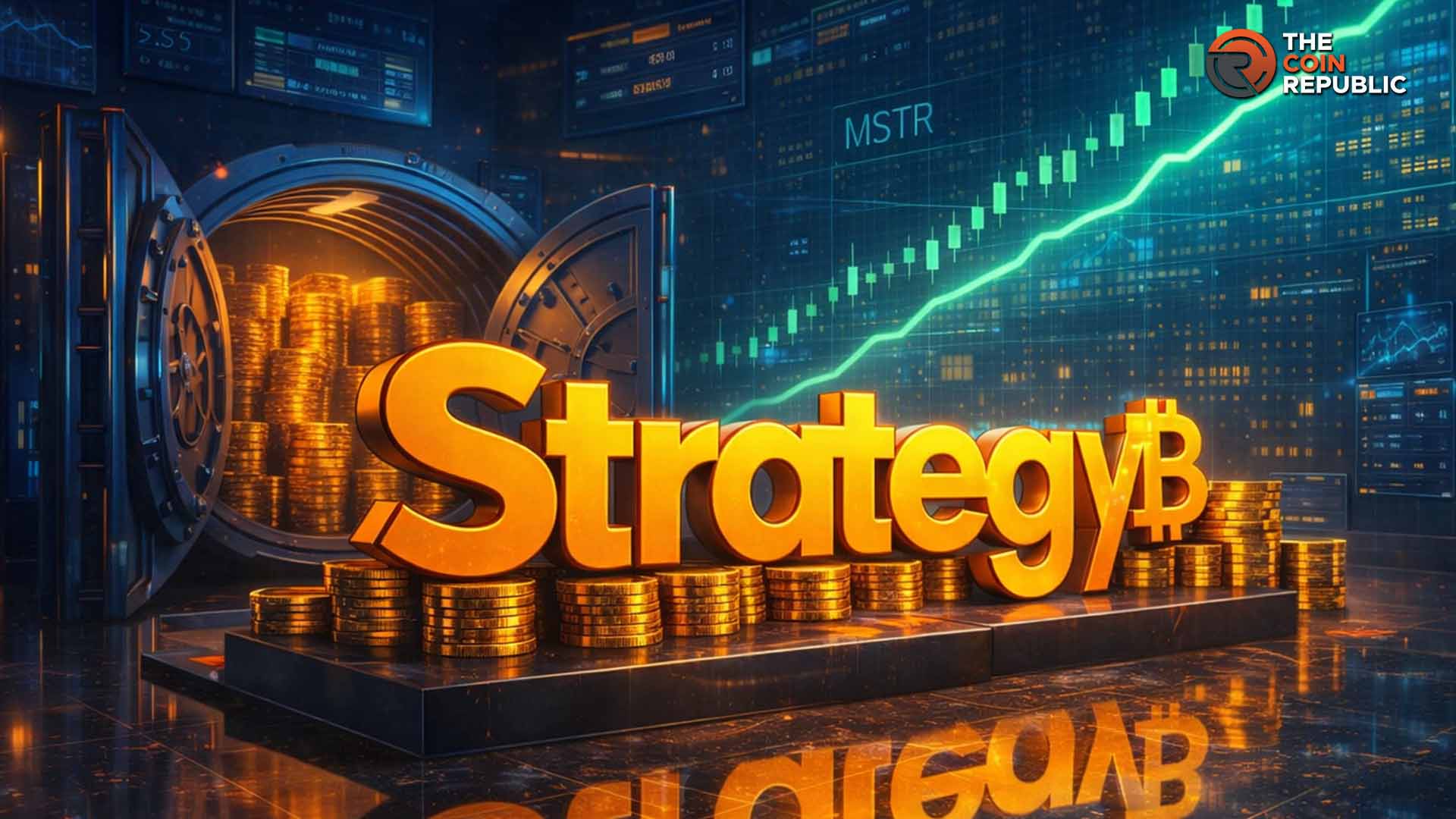
MicroStrategy's continued aggressive Bitcoin accumulation, adding 17,994 BTC, signals unwavering conviction in the asset's long-term value despite market volatility. The company funded its latest purchase by selling MSTR and STRC stock, demonstrating a strategic use of equity to expand its Bitcoin treasury, which now stands at 738,731 BTC. Despite an unrealized paper loss of over $6 billion, MSTR stock showed resilience, indicating that investors view the company's persistent Bitcoin buying as a sign of conviction rather than excessive risk. This ongoing corporate treasury strategy positions MicroStrategy as a significant Bitcoin proxy, with its stock performance closely tied to BTC price action and its accumulation strategy.
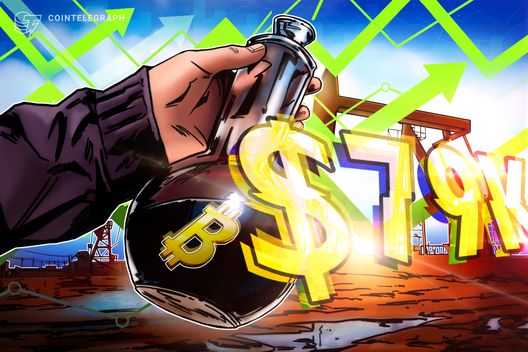
Historical data suggests a potential 20% Bitcoin rally to $79K by end-March, following significant oil price surges, though recent correlations with tech stocks may dilute this effect. The current geopolitical climate and its impact on oil prices introduce significant volatility, making Bitcoin's correlation with tech stocks a more dominant factor for near-term price action than historical oil-driven patterns. Traders should monitor the duration of the Middle East conflict and its influence on inflation and consumer spending, as these macro factors will likely dictate Bitcoin's ability to capitalize on any oil-induced market sentiment.

Moldova's election influence scheme highlights the use of cryptocurrency for illicit cross-border financing, with over $107 million traced through Russian and Kyrgyzstani exchanges. The involvement of TRM Labs and the identification of TokenSpot as a potential sanctions evasion channel underscore the growing importance of blockchain analytics in combating financial crime and geopolitical influence operations. The case suggests that regulatory bodies may increase scrutiny on centralized exchanges operating in regions with lax oversight, potentially impacting liquidity and accessibility for certain platforms.
Signal context only. Validate with price action, liquidity, and risk limits before taking a position.
