
Navigating Crypto News

CoinFeather
Navigating Crypto News

Source, catalyst, and sector overlap from the latest feed.
Tether's commitment to a Big Four audit, though details remain undisclosed, signals a move towards greater transparency and potential regulatory compliance, which could bolster confidence in USDT's reserves. The impending audit is a critical step for Tether to align with regulatory frameworks like the GENIUS Act, potentially reducing systemic risk associated with stablecoin reserves and influencing future stablecoin oversight. While the announcement is positive for stablecoin stability, the lack of a named auditing firm introduces a degree of uncertainty, suggesting a 'watchful' stance until the audit's completion and findings are public.
Live Feed
Loading the broader stream in the same flow as the homepage feed.
Multiple analysts project significant upside for Dogecoin, with targets ranging from $0.44 in the near-term to $2 by 2029, suggesting a potential 350% to 2,500% rally based on historical patterns and technical divergences. Despite bullish technical signals, bearish risks persist below the $0.10 level, with one analyst warning of a potential 35% drop to $0.06 if consolidation continues, highlighting the critical importance of this price threshold for sentiment. Geopolitical tensions, specifically the U.S.-Iran conflict, are identified as a persistent headwind for speculative assets like Dogecoin, potentially diverting capital to safe havens and overriding purely technical bullish outlooks.
Spot Bitcoin ETF inflows have rebounded to $2.5 billion for the month, demonstrating significant investor resilience despite a 40% price drop over the past six months. The strong inflows, particularly for IBIT which ranks in the top 2% of ETFs for YTD flows, suggest sustained institutional conviction in Bitcoin's long-term value, contrasting with historical gold ETF behavior during price downturns. The continued interest from traditional finance players like Morgan Stanley filing for ETFs, alongside substantial institutional buying capacity, indicates potential for further price appreciation as supply tightens.
Rising exchange reserves of 181 billion SHIB signal increased selling pressure, potentially leading to a price decline if demand does not absorb the supply. SHIB's inability to break above the 50 EMA indicates weak bullish momentum, suggesting that any short-term price increases may be corrective rather than indicative of a trend reversal. The confluence of high exchange balances and failure to reclaim key resistance levels increases the probability of a further downward price movement for SHIB.

Bitcoin is demonstrating a notable decoupling from traditional equity markets, holding strong near $70,000 while the S&P 500 experiences a sell-off due to geopolitical tensions, suggesting a potential shift in its role towards a safe-haven asset. Despite recent price drops and negative media sentiment, Bitcoin ETFs are experiencing significant inflows, with BlackRock's IBIT already showing positive year-to-date performance, indicating strong institutional conviction and a potential catalyst for future price appreciation. On-chain data reveals that long-term Bitcoin holders are not selling, a behavior distinct from previous market downturns, which, combined with increasing institutional adoption via ETFs, suggests a potential consolidation phase rather than a traditional bear market. Technical indicators on Bitcoin's 4-hour chart show a bullish MACD crossover and neutral RSI, with key price levels around $71,500 for upside and $68,500 for downside, indicating a critical juncture that could precede a significant price move if key resistance is broken.
Solana's hourly golden cross, coupled with a retest of the $91 level and increased on-chain activity, signals potential for a sustained rally, suggesting traders may interpret this as a bullish setup. Despite bullish technicals, the RSI nearing overbought territory and a large Solana whale unlocking a significant stake introduce potential volatility, warranting caution for traders monitoring selling pressure. The article highlights strong on-chain metrics, including over 100 million daily transactions, which are bolstering investor confidence and could support SOL's price towards $95 if momentum is maintained.
Tether's engagement of a Big Four accounting firm for its first full independent audit signifies a major step towards institutional-grade transparency, potentially setting a new industry standard for stablecoin issuers. This comprehensive audit addresses long-standing market concerns regarding Tether's reserves, aiming to bolster confidence among users and traditional finance participants, which could lead to increased adoption and stability for USDT. The move by Tether to undergo rigorous scrutiny by a top-tier auditor may pressure competitors to enhance their own transparency measures, fostering a more mature and trustworthy stablecoin ecosystem.
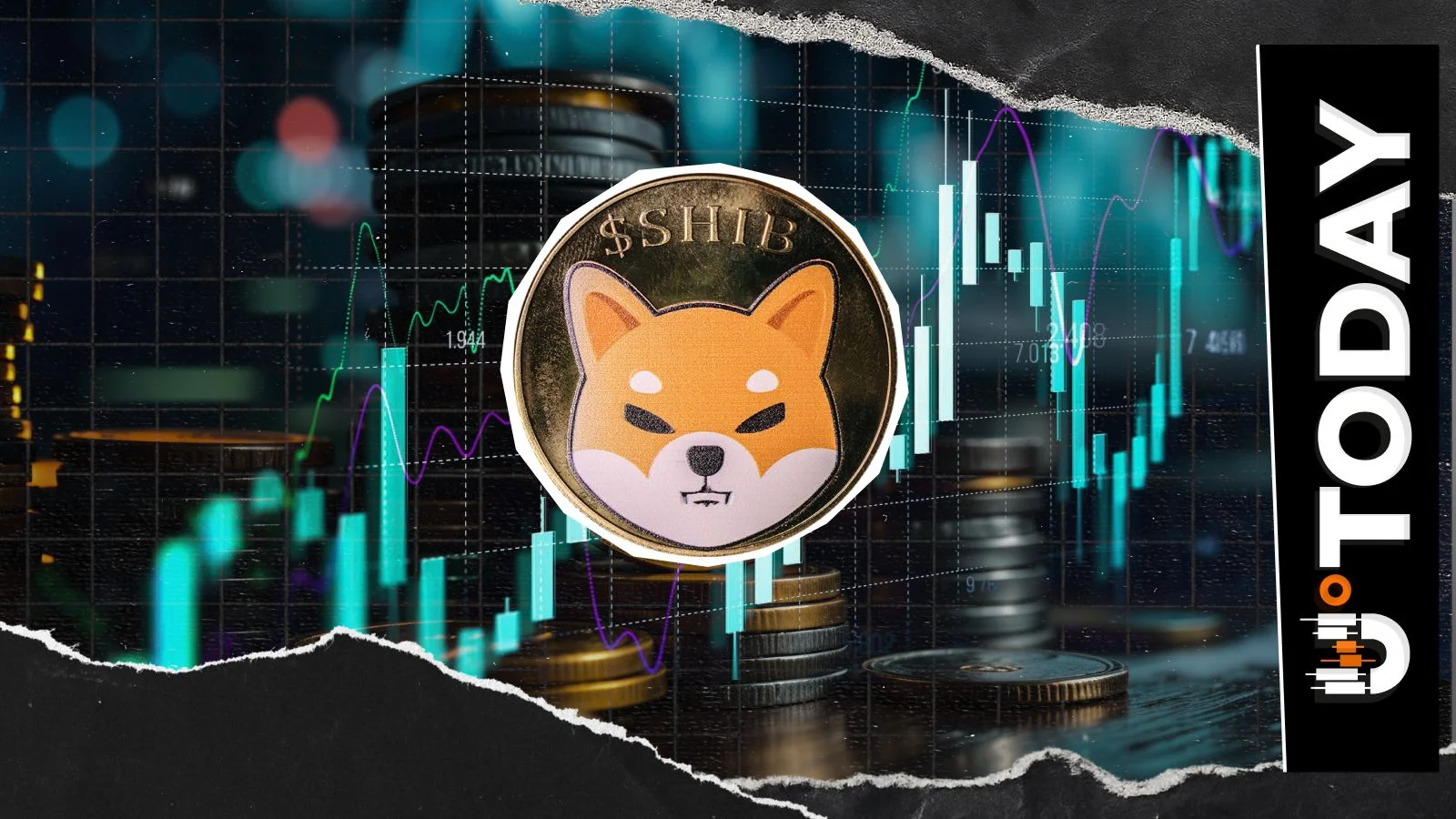
Shiba Inu experienced a significant price surge and an 18% increase in open interest, indicating renewed trader interest and potential short-covering activity. The price action suggests a potential shift in momentum for SHIB, with bulls attempting to reclaim key technical levels like the daily MA 50. A sustained break above the $0.000009 resistance level could signal a broader bullish trend, potentially targeting the $0.00001 psychological level.
A prominent figure from the precious metals sector allocating 10% of his portfolio to XRP signals a potential shift in traditional finance's perception of digital assets, despite his cautious approach. The CEO of Miles Franklin Precious Metals views XRP as a high-risk, high-reward opportunity, emphasizing that its success is contingent on widespread bank adoption for cross-border payments. While acknowledging the speculative nature and usability challenges of crypto, the allocation highlights a strategy of diversifying into digital assets for potential upside without jeopardizing core wealth preservation. The mention of Goldman Sachs' significant XRP exposure, alongside this individual's investment, suggests growing institutional interest that could influence XRP's market dynamics.
Bitcoin's correlation with gold at 79% indicates it is currently trading as a macro-sensitive asset, driven by external geopolitical events rather than internal crypto market dynamics. Geopolitical tensions in the Middle East and a refinery fire in Texas have triggered a broad market sell-off, impacting Bitcoin and other major cryptocurrencies as risk assets. With Bitcoin trading below key support levels, traders should monitor the $69,141 and $68,423 price points for potential further downside if the current macro-driven sentiment persists. The current market environment, characterized by fear and weakening momentum, suggests a cautious approach is warranted for short-term trading strategies.
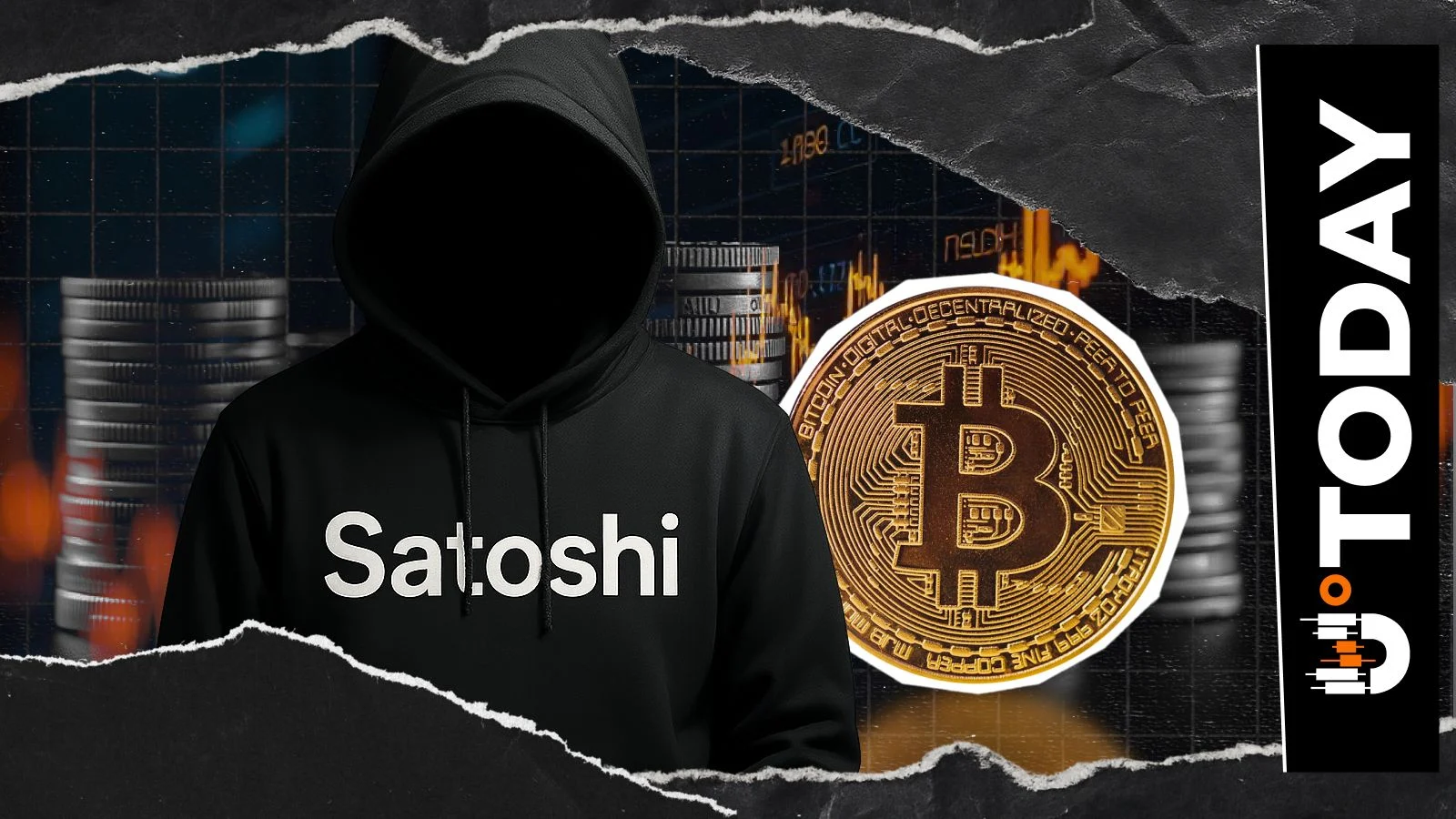
A 2010 BitcoinTalk post highlights an early miner's sentiment of having "missed the bus" with 600 BTC, underscoring the dramatic historical underestimation of Bitcoin's future value. The anecdote serves as a stark reminder of Bitcoin's exponential growth trajectory, with 600 BTC now valued at over $42 million, illustrating the immense long-term wealth creation potential for early adopters. This historical perspective, shared in the context of Bitcoin's current market, may reinforce investor conviction in the asset's long-term prospects despite short-term volatility.

Pi Network's second migration wave is now live, enabling users to move additional Pi tokens to Mainnet and increasing the potential for ecosystem participation. The migration includes referral bonuses for KYC-verified team members, creating an incentive for users to complete verification before the window closes. An analyst highlighted the potential value of accumulated Pi tokens, suggesting early and consistent miners could hold assets worth up to $63,000 if Pi reaches $3. With tokens now migrating to Mainnet, the Pi Network experiment is transitioning from theoretical development to tangible asset movement, potentially attracting renewed interest.

Dogecoin experienced a 6% price surge despite a short-term death cross on its 3-hour chart, indicating potential short covering or a bear trap scenario. The price action suggests that market participants are overlooking bearish technical signals in favor of broader market recovery and short liquidation dynamics, with shorts being liquidated at a significantly higher rate than longs. Near-term price action for DOGE will likely be dictated by its ability to break above the daily MA 50 at $0.096, with potential upside targets at $0.12 and $0.16 if bullish momentum sustains.
Geopolitical de-escalation between the US and Iran has triggered a sharp sell-off in gold, reversing safe-haven demand and pushing prices down from recent highs. The market is repricing geopolitical risk, with a pause in strikes easing fears of energy supply shocks and broader conflict, leading to a risk-on sentiment shift. While gold has pulled back significantly, lingering geopolitical tensions and potential shifts in Fed policy remain key factors to watch for future price direction. The sharp decline in gold, silver, and oil prices indicates a broad unwinding of risk premiums, suggesting a temporary shift away from inflation and supply disruption hedges.
Signal context only. Validate with price action, liquidity, and risk limits before taking a position.
Quick market read from this story
Solana's launch of an enterprise-focused developer platform, backed by major players like Mastercard and Western Union, signals a strategic push to integrate traditional finance with its blockchain for practical use cases like stablecoin settlement and cross-border payments.
The adoption of Solana's platform by established financial institutions indicates a growing trend of enterprise blockchain integration, potentially increasing demand for SOL and enhancing its utility beyond speculative trading.
With a trading module expected later in 2026, the platform's full impact on market liquidity and transaction volume is still developing, suggesting a 'watchlist' approach for immediate trading decisions.
Deep Dive
The Solana Foundation has introduced a new developer platform designed to simplify the creation of financial products on its blockchain for enterprises. This initiative, announced Tuesday, aims to lower technical barriers by integrating infrastructure from over 20 partners into a single, API-driven interface.
The Solana Developer Platform (SDP) is structured around three core modules: digital asset issuance, payment orchestration, and trading. While the trading module is slated for release later in 2026, the platform is already being utilized by major financial firms including Mastercard, Western Union, and Worldpay.
Mastercard is leveraging SDP for stablecoin settlement on the Solana network. Payments processing giant Worldpay is applying it to merchant payments and settlement. Western Union is exploring its use to enhance its cross-border money transfer services through blockchain integration.
Raj Dhamodharan, Mastercard’s EVP of blockchain and digital assets, highlighted the platform's role in enabling direct stablecoin settlement, combining blockchain's speed with Mastercard's network reliability. He stated, "As an early user of Solana Developer Platform, we're helping enable direct stablecoin settlement for customers on select blockchain networks—beginning with Solana—combining the speed and programmability of blockchain with the reliability, security and global reach of the Mastercard network."
The NYSE's collaboration with Securitize to develop systems for tokenized securities signifies a major step towards integrating traditional finance with blockchain infrastructure. Securitize's role as the first digital transfer agent for the NYSE's platform highlights the growing importance of specialized blockchain firms in bridging TradFi and digital assets. This development, alongside Nasdaq's recent pilot program, indicates a broader trend of established financial institutions actively exploring and building out tokenized asset trading capabilities. The focus on "native" securities and round-the-clock trading infrastructure suggests a potential shift in market structure and operational efficiency for traditional assets.
