
Navigating Crypto News

CoinFeather
Navigating Crypto News
Quick market read from this story
Kraken's Wyoming banking arm secured limited direct Federal Reserve account access, a first for a crypto-linked firm, potentially setting a precedent for future institutional integration into U.S. payment rails.
The restricted nature of the Fed account, excluding interest on reserves and emergency lending, suggests regulators are cautiously experimenting with crypto firm access rather than granting full banking privileges.
Despite the limited scope, this development could increase pressure on regulators to clarify oversight frameworks for digital asset firms seeking access to traditional financial infrastructure.
Concerns raised by banking groups and lawmakers regarding money laundering and operational risks highlight ongoing regulatory friction and the need for robust risk management for crypto entities interacting with central bank systems.
Source, catalyst, and sector overlap from the latest feed.
Bitcoin faces immediate selling pressure from both spot and futures markets, suggesting continued short-term downside risk. Despite near-term weakness, Bitcoin is entering a historical accumulation zone, indicating improving long-term risk-reward potential. The current market structure suggests sellers are active across both spot and derivatives, implying a heavier downside than a simple liquidation event. While the long-term outlook improves, the market may experience further consolidation or downside before a sustained upward trend begins.
Justin Sun's accusation of a hidden blacklist function in the WLFI token contract raises serious concerns about project transparency and decentralization, potentially impacting investor trust. The allegations of unfair and opaque governance processes, coupled with a significant token price drop and borrowing activity scrutiny, suggest underlying structural issues within World Liberty Financial. The freezing of Justin Sun's wallet and the subsequent decline in WLFI's value highlight the risks associated with centralized control mechanisms in ostensibly decentralized platforms.
Live Feed
Loading the broader stream in the same flow as the homepage feed.
Bitcoin's potential double top formation near $72,000, coupled with declining volume on the second peak, suggests waning buyer conviction and a potential downside target around $69,000. XRP's price action shows a lack of significant volume accompanying recent declines, indicating potential bearish exhaustion and a possible consolidation or short-term recovery towards $1.38-$1.42 if support holds. Ethereum is exhibiting a constructive consolidation pattern with improving higher lows and stabilizing volume, signaling potential accumulation and a bullish setup for a breakout above $2,300-$2,400.
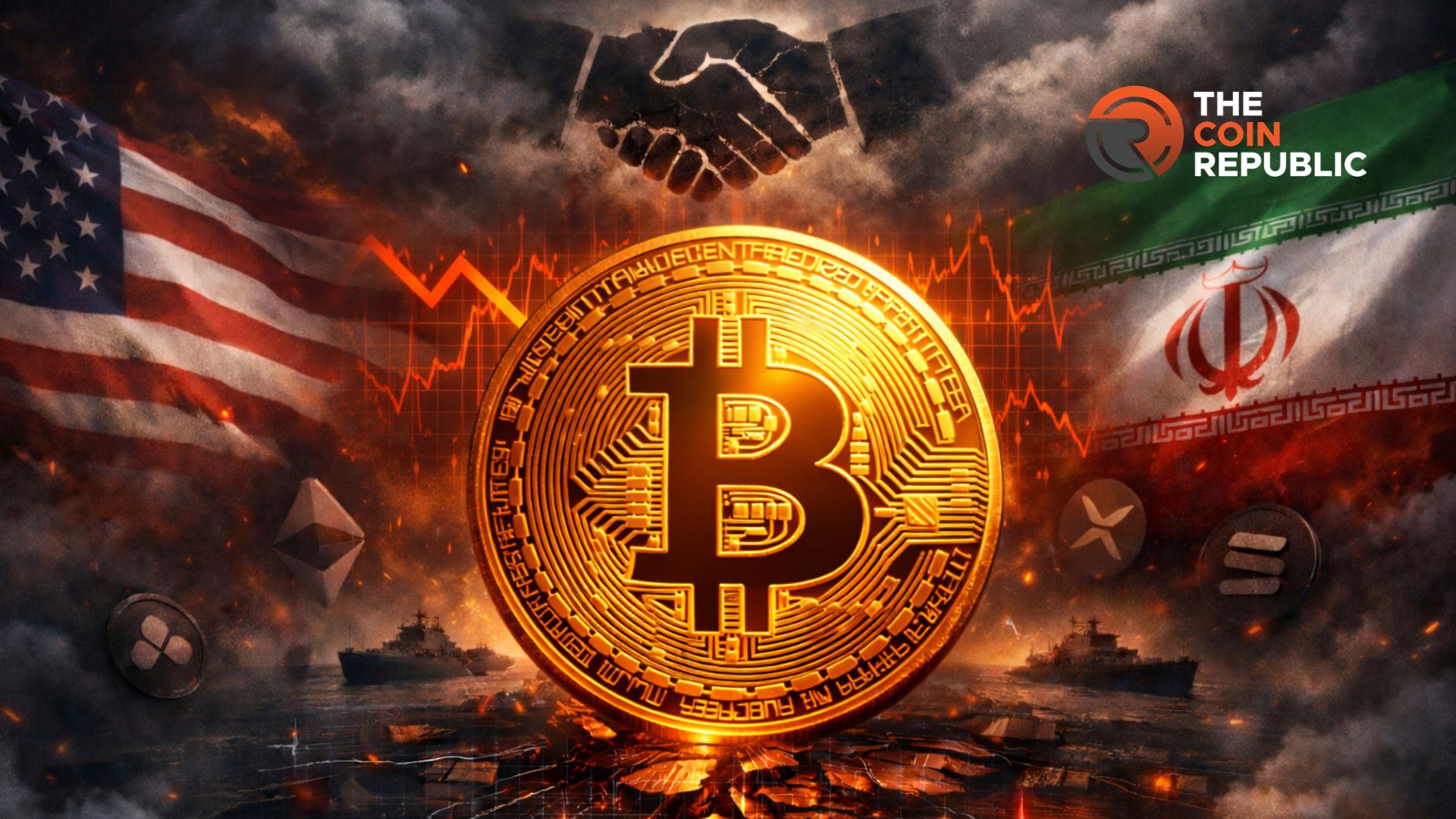
Geopolitical tensions stemming from the US-Iran peace talks collapse are introducing volatility into the crypto market, impacting major assets like Bitcoin and Ethereum. Despite short-term price dips, investors are adopting a cautious stance, avoiding panic selling and awaiting further developments before making significant trading decisions. The crypto market's reaction to geopolitical events highlights its correlation with broader market sentiment and its potential role as a 'refuge' asset similar to gold during times of global uncertainty. The failure of US-Iran negotiations introduces uncertainty, suggesting that crypto prices may face continued pressure and volatility in the near term.
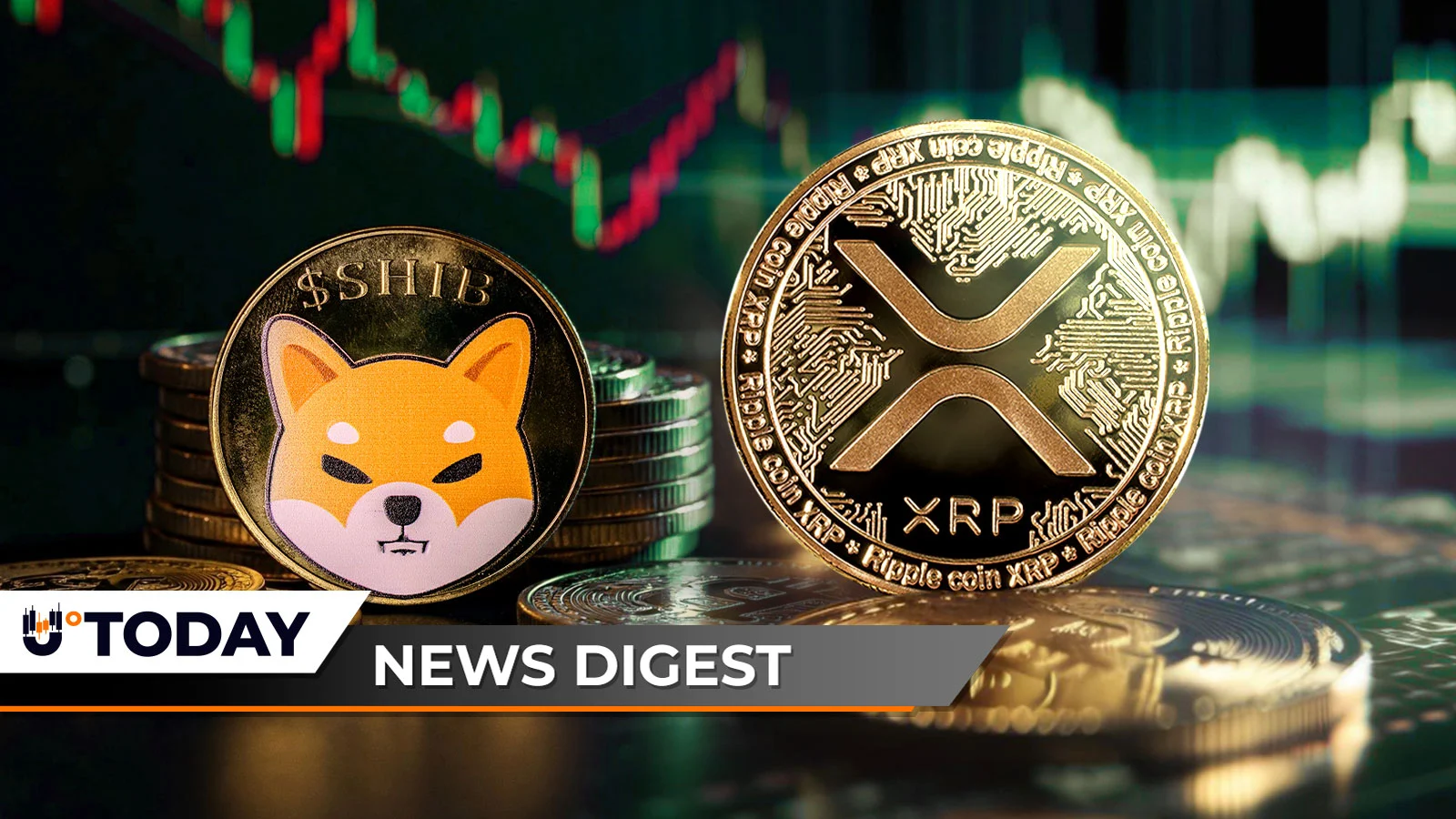
XRP ETF inflows outperforming BTC and ETH suggests a temporary rotation from major assets under pressure into more neutral, liquid alternatives. The significant surge in SHIB token burns, up 237%, indicates strong network activity and a deflationary pressure mechanism, potentially supporting its price rally. Adam Back's repeated denials of being Satoshi Nakamoto, coupled with David Schwartz's analysis on lost keys, reduce the market risk associated with dormant Bitcoin holdings. Charles Hoskinson's public criticism of XRP highlights ongoing inter-project rivalries and differing decentralization philosophies within the crypto space.
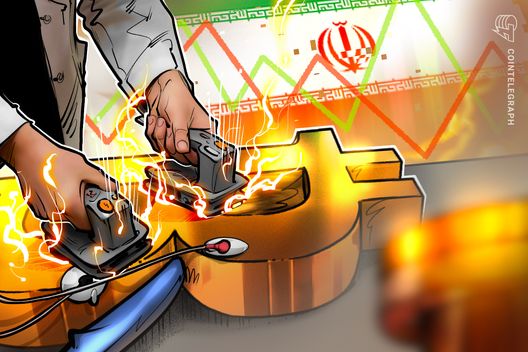
Geopolitical tensions stemming from the Iran conflict are projected to significantly impact global markets through 2026, potentially delaying anticipated interest rate cuts until Q3 or Q4. Bitcoin's recovery above $71,000 is considered fragile, with key resistance at $74,000, suggesting a need for de-escalation of Middle East tensions and a drop in oil prices for further upside. The analyst suggests that a push towards $90,000 for BTC would require a confluence of factors including a ceasefire, lower oil prices, and dovish economic data, indicating a high bar for significant price appreciation.

Anthony Scaramucci predicts widespread corporate Bitcoin adoption, citing SpaceX's continued holding of its BTC treasury despite significant financial losses. SpaceX's upcoming IPO will necessitate the public disclosure of its $603 million Bitcoin holdings, potentially normalizing BTC as a strategic corporate reserve asset. The market may interpret SpaceX's commitment to Bitcoin as a strong proof-of-concept for other corporations considering similar treasury allocations.

Justin Sun's public criticism of the WLFI platform regarding governance and token lockups, coupled with WLFI's threat of legal action, introduces significant reputational risk and potential legal entanglements for both parties. The WLFI token has experienced a sharp decline to an all-time low, exacerbated by news of the platform using its own tokens as collateral for loans, indicating severe market distrust and potential liquidity issues. The controversy surrounding WLFI, including accusations of non-transparent governance and tokenomics, highlights ongoing risks within DeFi protocols and the importance of robust community oversight.
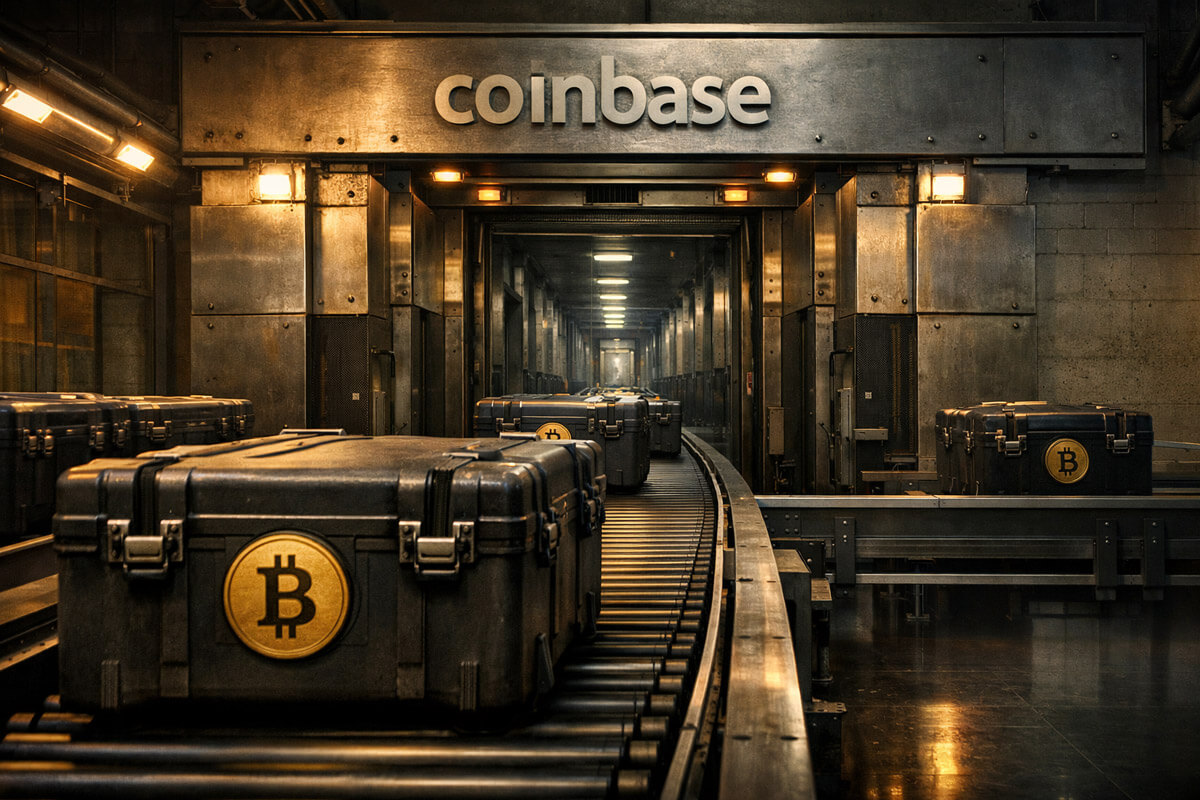
The overwhelming reliance of US Bitcoin ETFs on Coinbase for custody, representing over 80% of assets ($74B+), creates a significant single point of failure risk for the entire spot ETF market. While ETF structures offer asset segregation, a disruption at Coinbase could trigger operational bottlenecks and settlement issues across multiple funds, testing institutional confidence in Bitcoin ETFs. The concentration risk highlights a potential structural vulnerability in the burgeoning Bitcoin ETF market, despite the presence of alternative custodians and Fidelity's self-custody approach. Coinbase's pending OCC national trust charter approval is poised to further solidify its dominant position as the default crypto back-office infrastructure for institutions, potentially exacerbating concentration concerns.

Significant daily inflows into US spot Bitcoin ETFs, exceeding $240 million, indicate sustained institutional demand and support for BTC price above $72,000. Despite strong ETF inflows, mixed sentiment from derivatives data and analyst caution suggest potential for increased volatility and a possible near-term reversal after a short-term rally. Analysts project a potential short-term push towards $76,000 or even $80,000-$85,000 if key resistance levels are reclaimed, but warn of a subsequent reversal to new lows.

The current contraction in DeFi is a necessary consolidation phase, filtering out unsustainable models and revealing resilient protocols with durable economics. Despite protocol shutdowns and security concerns, the expansion of stablecoin market cap and institutional investment in protocols like Morpho indicate capital rotation rather than systemic collapse. DeFi lending remains economically rational in bear markets for long-term holders seeking liquidity without crystallizing losses, offering competitive rates and transparent, albeit algorithmic, liquidation risks. The path to broader DeFi adoption hinges on increased financial literacy and trusted distribution channels that abstract technical complexity, similar to how banks are gradually integrating crypto.

The development of 'Qwopus' demonstrates the increasing capability of open-source AI models to replicate advanced reasoning, potentially democratizing access to powerful AI tools for developers and users. This advancement in AI model distillation allows for high-performance AI to run on consumer hardware, reducing reliance on expensive API services and enhancing data privacy for local applications. The successful replication of Claude Opus's reasoning in a local model, particularly in coding and creative writing tasks, suggests a significant shift in the accessibility and utility of cutting-edge AI for everyday use. The project's success in achieving near-Opus performance on consumer GPUs highlights a trend towards more efficient and accessible AI, which could impact the competitive landscape of AI service providers.
BlockDAG's final allocation phase at a fixed price of $0.0000061, coupled with its listing on 13 exchanges, signals a transition towards broader market accessibility and potential price discovery. Tron's continued high on-chain USDT transaction volume highlights its role in the stablecoin ecosystem, while ongoing discussions around centralization and regulation warrant monitoring for future impact. Dogecoin's market activity is primarily driven by community sentiment and potential payment integrations, indicating its performance is more susceptible to external narrative shifts than fundamental development. Cardano's focus on research-driven development and upgrades like Leios and Midnight aims for long-term scalability and privacy, though its slower development pace may present adoption challenges compared to competitors.
Signal context only. Validate with price action, liquidity, and risk limits before taking a position.
