
Navigating Crypto News

CoinFeather
Navigating Crypto News
Quick market read from this story
Kraken's listing of Pi Network's $PI token on March 13th provides significant market access for a project known for its mobile-first mining approach.
The listing on a major exchange like Kraken is a key catalyst for Pi Network, potentially increasing liquidity and adoption for its utility-focused ecosystem.
Traders should monitor the initial trading performance of $PI post-listing for insights into broader market sentiment towards mobile-mining projects and their tokenomics.
Deep Dive
Cryptocurrency exchange Kraken has announced it will list the $PI token from Pi Network, with trading scheduled to commence on March 13. Pi Network is recognized for its unique mobile-first mining approach, enabling users to mine tokens directly from their smartphones without requiring specialized hardware. The project is actively developing a utility-focused ecosystem, with ongoing efforts by developers to build applications and services that will utilize the Pi token within its expanding network.
Pi Network's core innovation lies in its accessibility, allowing individuals to participate in cryptocurrency mining using only their mobile devices. This democratizes access to token generation, differentiating it from traditional cryptocurrencies that often demand significant computational power or investment in hardware. The project's focus on building a practical ecosystem aims to drive adoption and utility for the Pi token.
Source, catalyst, and sector overlap from the latest feed.
The Memorandum of Understanding between the SEC and CFTC signals a significant step towards regulatory clarity in the US crypto market, potentially reducing conflicts and encouraging institutional investment. This coordinated regulatory approach aims to streamline policy, enforcement, and frameworks, which could lower friction for exchanges and intermediaries and foster lawful innovation. The agreement addresses long-standing agency disagreements on digital asset classification, potentially unlocking billions in sidelined capital by providing a more predictable environment for investors.
Live Feed
Loading the broader stream in the same flow as the homepage feed.

FTMining's cloud mining platform lowers the barrier to entry for Bitcoin mining by eliminating the need for hardware and technical expertise, potentially attracting new retail investors to the asset. The introduction of a registration bonus and various contract options suggests a strategy to onboard new users and generate revenue through rented computing power, impacting the accessibility of Bitcoin mining. While presented as a simplified mining solution, the article focuses on the service provider rather than direct asset appreciation, indicating a neutral stance on immediate price action for BTC itself.
While a $100 XRP price is theoretically possible, it hinges on unprecedented global adoption of Ripple's payment technology and a dramatic expansion of the overall crypto market cap, making it an extremely unlikely near-term scenario. The primary obstacle to a $100 XRP valuation is the immense market capitalization required, estimated at over $6 trillion, which would necessitate XRP becoming one of the most valuable assets globally and rivaling Bitcoin's historical peak market cap. Despite the long-term speculative potential, XRP faces significant competition from stablecoins, CBDCs, and other payment networks, alongside inherent market volatility and supply-side challenges, leading most analysts to project more conservative price targets.

Arthur Hayes maintains a $250,000 Bitcoin price target for 2026, contingent on a shift in global central bank monetary policy towards easing. Traders should monitor Federal Reserve actions and geopolitical developments, as Hayes suggests a potential Bitcoin price drop below $60,000 due to cascading liquidations if tensions escalate. The core catalyst for Hayes's bullish outlook is not war itself, but the subsequent "money printing" by central banks, implying a patient approach is warranted until liquidity conditions improve. Despite the long-term bullish prediction, Hayes advises against immediate investment, highlighting that current tight monetary policy presents headwinds for a near-term crypto rally.

The LITRO project aims to tokenize 1 litre of crude oil, indexed to benchmarks like Brent and WTI, targeting a January 2027 debut to modernize the $6 trillion oil market. By leveraging blockchain for 24/7 trading and redemption, LITRO seeks to replace archaic paper-based systems, potentially reducing settlement times and capital lock-up for a more accessible market. The project's focus on verified reserves and physical redemption, built on Arbitrum, positions it as a significant RWA play aiming to bridge traditional commodity markets with digital assets. With a clear development timeline including a March-May 2026 testnet and MVP completion by end-March 2026, LITRO presents a structured approach to tokenizing a major global commodity.
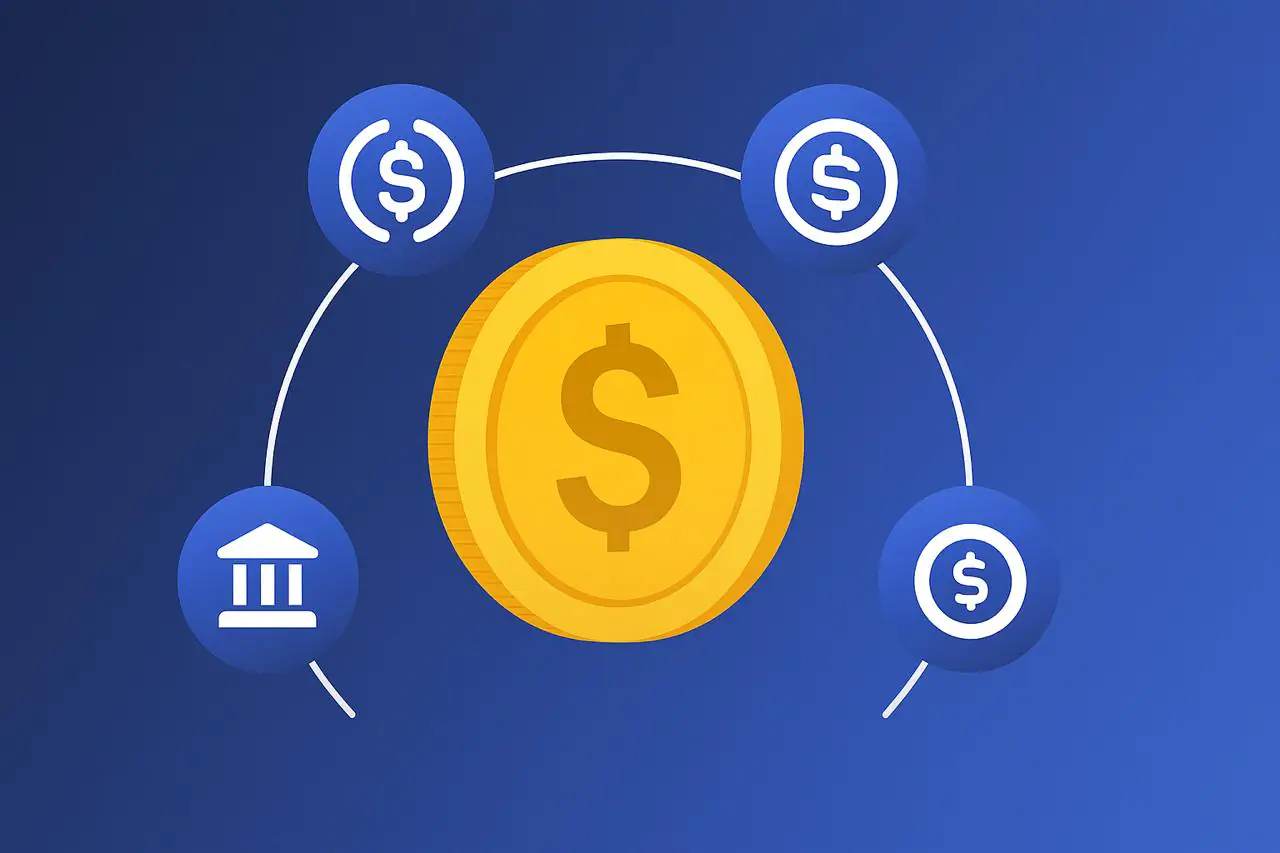
The FDIC's proposed rule to exclude payment stablecoins from federal deposit insurance, including pass-through coverage, signals a clear regulatory stance that stablecoins are not equivalent to bank deposits. This regulatory clarification, stemming from the GENIUS Act, creates a distinct advantage for tokenized deposits issued by FDIC-insured banks over non-bank stablecoin issuers, potentially driving institutional capital towards regulated banking products. The divergence in compliance paths between Circle and Tether, with Tether launching a new OCC-supervised token, highlights the evolving landscape and potential market shifts driven by these new regulatory requirements. The FDIC's proposal, by reinforcing the GENIUS Act's prohibition on government safety nets for stablecoins, suggests that issuers must rely solely on their own reserve infrastructure, increasing counterparty risk for users of non-bank stablecoins.

Metaplanet's strategic pivot to funding Bitcoin infrastructure in Japan signals a proactive approach to capitalize on anticipated regulatory clarity and market growth. The establishment of Metaplanet Ventures, with a significant capital allocation and multi-pronged program (investment, incubation, grants), indicates a long-term commitment to ecosystem development beyond simple BTC accumulation. The initial investment in JPYC Inc., a yen-denominated stablecoin issuer, highlights a focus on building foundational financial tools within Japan's evolving crypto landscape. While Metaplanet maintains its core strategy of BTC accumulation, this expansion into ecosystem building suggests a potential for diversified revenue streams and increased influence within the Japanese crypto market.
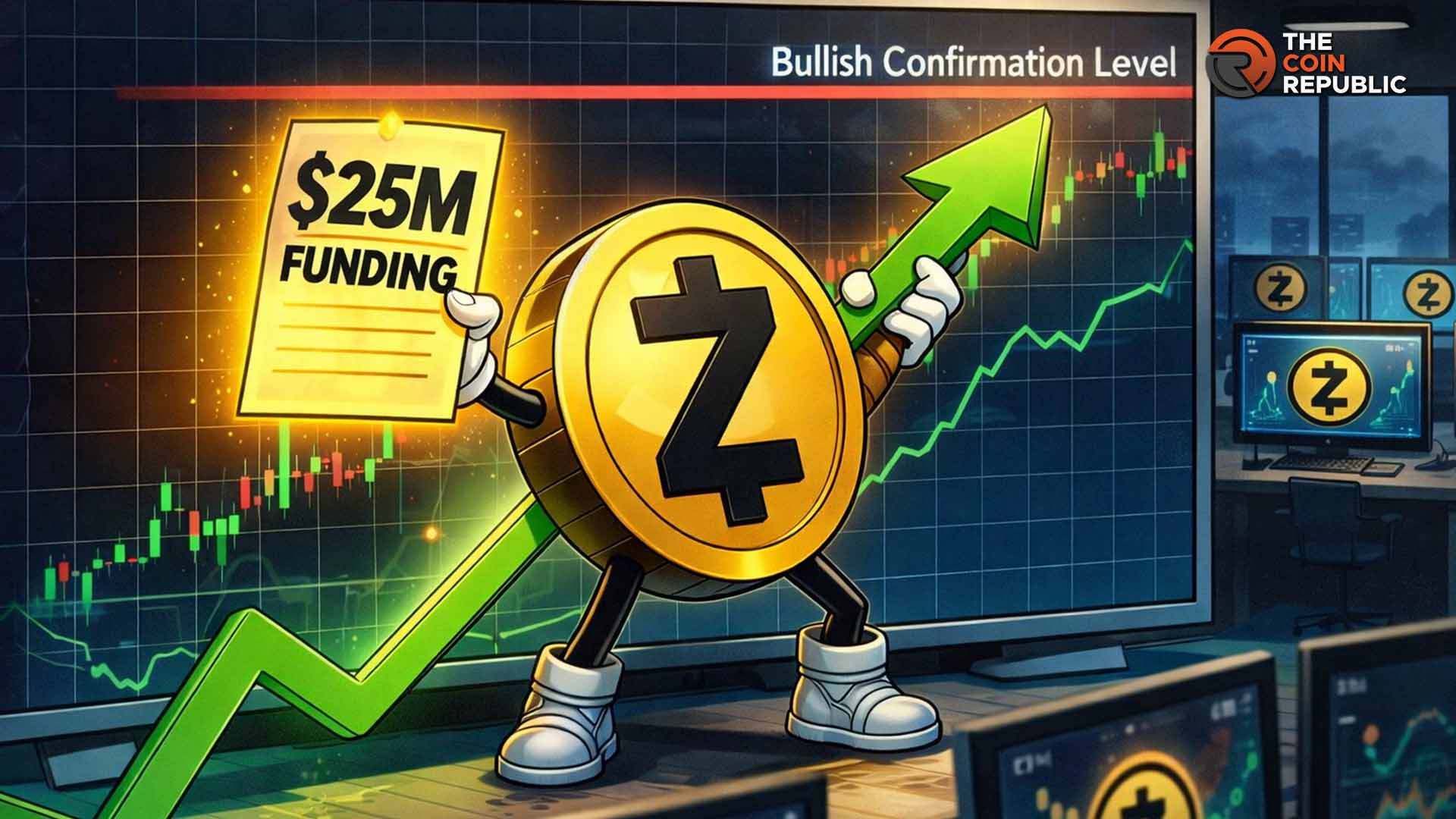
Major VC funding of $25 million for ZODL, the Zcash Open Development Lab, led by Paradigm and a16z, signals renewed institutional confidence and addresses prior governance uncertainty. Accumulation by Zcash whales (182% increase for standard whales, 19% for mega whales) coupled with significant exchange outflows (43%) suggests reduced sell-side pressure ahead of a potential price breakout. The Zcash price must achieve a daily close above $250, supported by a Chaikin Money Flow (CMF) break above its trendline, to confirm the bullish momentum and invalidate the risk of a failed bounce. While the recent 10% rally is positive, the market awaits confirmation above the $250 resistance level, with potential upside targets at $283 and $340 if the bullish case solidifies.

Aave founder Stani Kulechov proposes a significant DAO governance overhaul, suggesting professional teams handle day-to-day decisions to improve efficiency and mitigate political maneuvering. The proposed changes aim to address Aave's governance cracks, highlighted by concentrated voting power (three wallets controlling over 58%) and recent departures of key contributors due to funding and IP disputes. While Aave maintains a substantial $26.5B TVL, the ongoing governance dysfunction poses a risk to its competitive edge in the DeFi sector, potentially impacting investor confidence and future development. Kulechov's call for reform aligns with broader industry trends towards modular governance and liquid democracy, suggesting a potential shift in how DAOs operate to foster more effective decision-making.

Across Protocol's proposal to transition from a DAO to a U.S. C-corporation has triggered an 80% price surge in its ACX token, indicating market optimism towards a traditional corporate structure for institutional deal-making. The proposed structure offers ACX holders a choice between exchanging tokens for equity or a USDC buyout at a 25% premium, creating a floor for the token price and driving speculative interest above the buyout level. This move represents a significant reversal of the prevailing DAO model in DeFi, suggesting that some protocols may find traditional corporate structures more conducive to growth and partnerships. The market reaction, with ACX outperforming BTC and the CoinDesk 20, highlights a potential shift in investor sentiment favoring projects that prioritize pragmatic business structures over pure decentralization for commercial success.
Toncoin is showing signs of structural repair and accumulation, moving away from downside pressure and stabilizing above long-term support. The article presents a bullish long-term outlook for Toncoin, projecting potential price targets of $10 by 2026 and $50 by 2030, contingent on sustained ecosystem expansion and adoption. Traders should monitor the $2.50-$3.00 range as a key resistance level that, if reclaimed, could signal a shift from accumulation to a sustained uptrend.
Signal context only. Validate with price action, liquidity, and risk limits before taking a position.
UEX US is expanding its digital finance ecosystem by integrating traditional payment methods like PayPal and Zelle, aiming to simplify onboarding and asset management for new users. The platform's focus on 'working assets' through daily APY accruals on savings accounts presents a yield-generation opportunity, though users should remain aware of market volatility and inherent risks. By offering familiar withdrawal channels and transparent exchange functionality, UEX US seeks to build user trust and bridge the gap between traditional finance and digital assets. The expansion into asset representations for XAU and XAG, alongside global market plans, indicates a strategic move towards broader digital asset offerings and international reach.
