
Navigating Crypto News

CoinFeather
Navigating Crypto News
Quick market read from this story
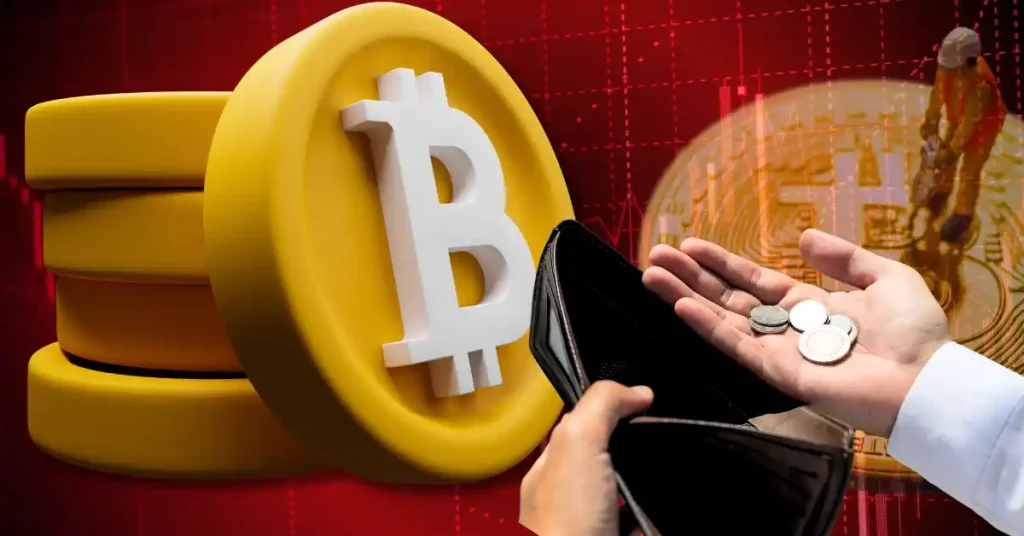
Bitcoin miners are currently operating at a significant loss, with production costs exceeding market price by approximately $20,000 per coin, exacerbated by rising energy prices due to surging oil costs.
Despite operating at a loss, miners are not selling their reserves, with on-chain data showing a significant drop in miner outflows to exchanges, suggesting a potential bottoming of the market cycle.
Historical data from 2019 and 2022 indicates that periods where Bitcoin traded below average production costs often marked cycle lows, implying a potential for a market recovery.
Source, catalyst, and sector overlap from the latest feed.
Ethereum's price is at a critical juncture, with on-chain data indicating potential bottom formation due to low whale unrealized profits, suggesting limited downside risk. Historical indicators show ETH is entering a zone similar to past market bottoms, historically preceding strong upward moves and signaling a potential accumulation phase. Despite short-term selling pressure from geopolitical tensions and rate hike concerns, the combination of whale behavior and historical indicators suggests ETH may be poised for a recovery towards $3,500 if key support levels hold.
Live Feed
Loading the broader stream in the same flow as the homepage feed.
The 14% drop in Brent crude oil prices signifies a rapid unwinding of risk premium previously priced into supply disruption fears, indicating a shift in market sentiment from panic to de-escalation. President Trump's announcement to postpone strikes on Iranian energy infrastructure has directly eased fears of a prolonged Strait of Hormuz closure, leading to a significant sell-off in oil futures. While prices have fallen sharply, Brent crude remains elevated compared to pre-conflict levels, suggesting that residual geopolitical risk premium is still present in the market. Future oil price direction hinges on continued de-escalation, the status of Hormuz shipping, potential IEA reserve releases, and any further signals from the US administration, creating a volatile trading environment.
Dogecoin is approaching a critical long-term support zone near $0.0537, a level that has historically acted as a strong demand area. A rebound from the $0.0537 support could target $0.16, representing a potential 200% rally, contingent on buyers defending this key level. The monthly Relative Strength Index (RSI) for Dogecoin has reached its lowest point in 12 years, historically signaling potential seller exhaustion and a precursor to significant rebounds. Despite recent price action, Dogecoin maintains a rising long-term support structure around $0.10-$0.12, suggesting a potential stabilization zone if buying pressure emerges.
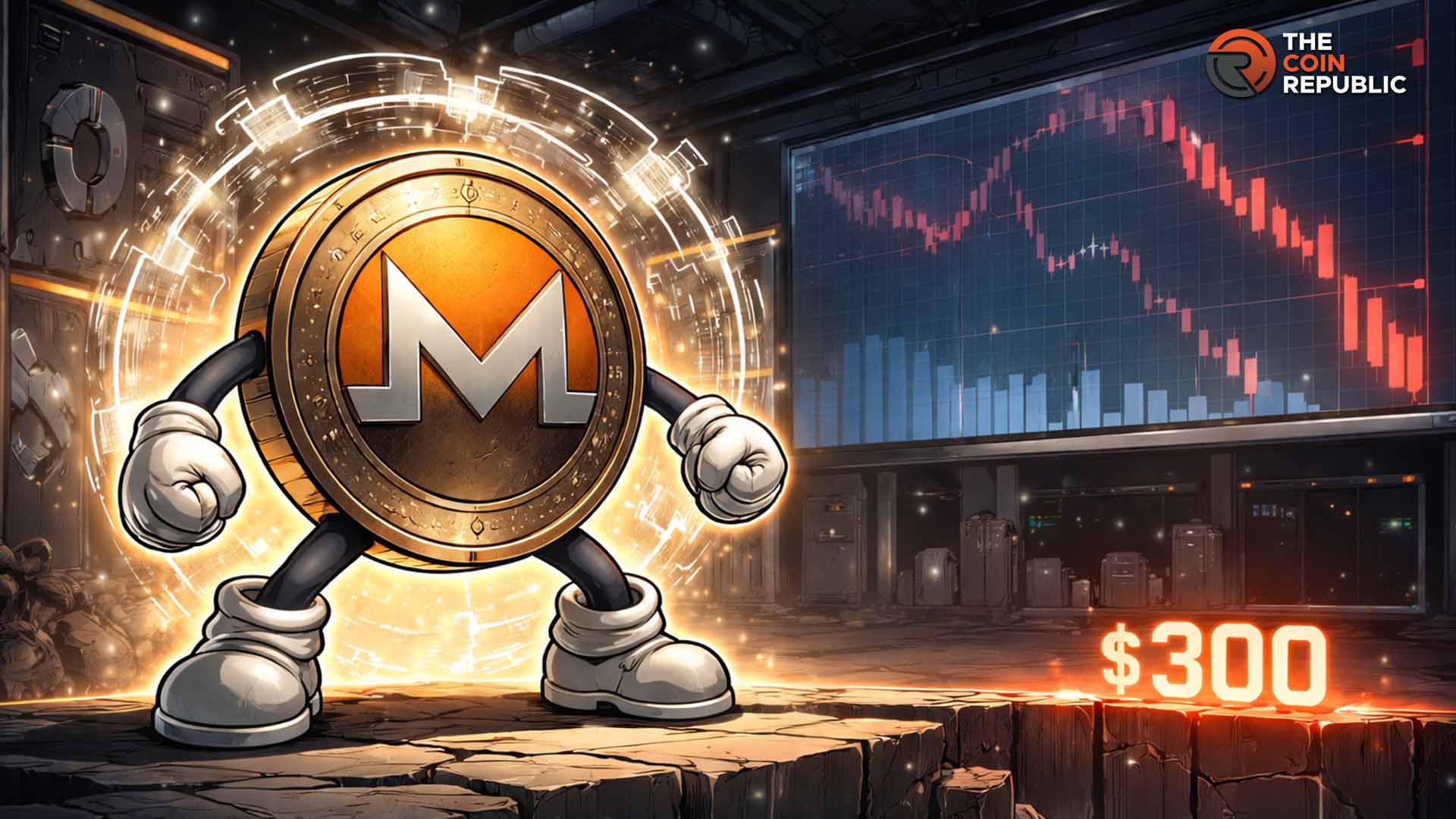
Monero's price action exhibits a bear flag continuation pattern on the chart, suggesting a potential 16% decline towards the $300 level despite recent fundamental upgrades. Increasing exchange inflows coinciding with price gains indicate potential selling pressure building, as traders may be moving XMR to exchanges to exit positions. Despite strong yearly gains and the recent FCMP++ upgrade enhancing privacy features, technical indicators and lopsided futures positioning point to a bearish short-term outlook for XMR. The inability of Monero's price to break above the 200-day moving average at $376 reinforces the bearish technical structure and the probability of further downside.

Brazil's finance minister has delayed a proposed tax on crypto transactions, citing concerns about political conflict during an election year. The proposed tax, which could impose rates up to 3.5% by classifying crypto as foreign exchange operations, faced significant pushback from industry groups arguing it is unconstitutional. This delay suggests a cautious approach to new crypto regulations in Brazil, potentially creating a period of regulatory uncertainty but avoiding immediate adverse market impact from the tax.
Mt Gox's first Bitcoin transfer in four months, though small at $500, signals potential progress in the long-delayed repayment process. The minimal transfer amount suggests a cautious approach by Mt Gox, likely to avoid significant market impact while initiating distributions. Despite the small transfer, the market's focus remains on the $2 billion in Bitcoin held by Mt Gox, with the repayment deadline approaching. The news is largely informational, with the small transfer size and ongoing distribution complexities limiting immediate trading implications.

Traders are placing significant bets on a ceasefire in the Iran conflict via Polymarket, suggesting a potential market relief rally if tensions de-escalate. Despite speculative bets on peace, ongoing geopolitical inflation concerns are pressuring crypto markets, with Bitcoin and Ether showing recent losses. The article highlights a divergence in market sentiment, with some participants anticipating a ceasefire while broader market conditions remain bearish due to geopolitical risks and rising US Treasury yields. While Bitcoin is presented as having a strong value-capture profile, recent ETF outflows and whale selling indicate a lack of immediate bullish conviction from institutional and large holders.

The exploit of Resolv Labs' USR stablecoin, resulting in an $80 million mint and a $25 million cash-out, highlights significant smart contract vulnerabilities in DeFi protocols that can lead to severe de-pegging events. The rapid conversion of illicitly minted USR into ETH and other stablecoins demonstrates a common cash-out path in DeFi exploits, underscoring the need for enhanced on-chain monitoring and preventative measures. Resolv Labs' actions to burn USR and pause protocol functions indicate a reactive approach to a critical security failure, suggesting potential loss of confidence and capital flight from the platform.
HDFC Bank's stock decline is directly linked to the resignation of its part-time chairman and the termination of three senior executives over AT-1 bond mis-selling allegations. The AT-1 bond controversy, involving alleged mis-selling to clients and subsequent losses after Credit Suisse's write-off, has eroded investor confidence in HDFC Bank's governance and client onboarding practices. The departure of senior leadership and the fallout from the bond issue suggest potential ongoing internal scrutiny and reputational damage, which could continue to pressure the stock in the short term.
Solana is approaching a critical technical juncture with a bearish head and shoulders pattern suggesting a potential 12% downside if the neckline support at $88 breaks. Significant exchange outflows of 11.8 million SOL over 96 hours indicate reduced immediate sell pressure, but this is currently overshadowed by the bearish chart pattern, creating mixed signals for traders. The confluence of a bearish reversal pattern and substantial token outflows places SOL at a key decision point, where a breakdown below support could trigger significant selling pressure. Traders should monitor the $88 support level closely; a confirmed break would activate the head and shoulders pattern, while a bounce could invalidate the bearish setup and signal potential upside.

Bitcoin is on track to avoid a historic six-month losing streak, holding above $68,000 and showing early signs of outperformance against gold, which could signal a continuation of the broader uptrend if key support levels hold. The 200-week moving average near $59,000 continues to act as critical support, with Bitcoin consolidating above this level for two months, reinforcing its long-term trend despite recent volatility. The BTC-gold ratio's rebound suggests Bitcoin may be regaining its safe-haven appeal relative to traditional assets, a trend that historically precedes a strengthening of Bitcoin's overall market position.

Ripple CTO Emeritus David Schwartz is offering a small XRP bounty for identifying AI-generated prompts, highlighting a growing concern over AI-generated content in online discourse. The initiative, while small in scale (150 XRP total), serves as a public challenge to critics and signals a potential shift in how prominent figures engage with and verify online arguments. This event underscores the increasing relevance of AI detection and authenticity in digital interactions, a theme that could gain traction across various platforms and communities.

Bitcoin's failure to hold the 200-week EMA at $68,300 signals potential downside risk, with traders eyeing a repeat of January's bear flag pattern that could target sub-$50,000 levels. Geopolitical instability and rising oil prices, coupled with gold entering a bear market, are creating a risk-off environment that is pressuring Bitcoin and other risk assets. The Federal Reserve's hawkish stance on interest rates, with markets repricing potential hikes in 2026, adds further headwinds for risk assets like Bitcoin. Long-term Bitcoin holders are exhibiting capitulation, selling at a loss, which, while indicating fear, could also signal a potential accumulation phase for new buyers if the trend reverses.

The MACD histogram has crossed below zero for the third time since October, historically preceding significant Bitcoin selloffs and indicating a renewed bearish momentum shift. Past instances show that bullish MACD crosses have only resulted in weak, short-lived bounces, suggesting that sellers remain in control and any upward price action may be capped. Traders should heed the MACD's bearish signal, as its consistent accuracy in flagging selloffs since Bitcoin's October high suggests potential downside risk despite recent resilience.

Coordinated networks of fake X accounts are leveraging viral geopolitical content and AI-generated impersonations to drive engagement for crypto scams, highlighting a persistent threat to user capital. The identified scam network generated six-figure profits by promoting pump-and-dump schemes and fake giveaways, indicating the significant financial incentives for malicious actors on social media. Despite platform efforts to combat bots and misinformation, the effectiveness of these measures is questioned as sophisticated scam operations continue to exploit user engagement for illicit gains. Traders should exercise extreme caution with unsolicited crypto promotions originating from social media, particularly those amplified by sensational or unverified content, as the risk of pump-and-dump schemes remains high.
Signal context only. Validate with price action, liquidity, and risk limits before taking a position.
No explicit catalyst tagged.
Scammers are leveraging geopolitical events like the Iran conflict to create fake panic and funnel users into crypto pump-and-dump schemes, highlighting a sophisticated manipulation tactic. The coordinated network of 11 X accounts demonstrates a methodical approach to scamming, involving account acquisition, viral content generation, and rapid username changes to evade detection. The success of these pump-and-dump schemes, generating six-figure profits, underscores the vulnerability of social media users to fear-driven engagement and the need for enhanced due diligence. The ease with which these scams can be operated raises concerns about potential nation-state actors employing similar tactics for more significant disruption, as noted by ZachXBT.
