
Navigating Crypto News

CoinFeather
Navigating Crypto News
Quick market read from this story
Bitcoin's price surge towards $71K demonstrates its sensitivity to geopolitical de-escalation, as improved US-Iran talks reduced risk aversion and triggered significant short liquidations.
The rapid repricing, amplified by $265 million in short liquidations within 15 minutes, highlights the impact of leveraged positions on amplifying price movements following macro news.
Traders should monitor the stability of diplomatic tones and energy market reactions, as sustained de-escalation could support Bitcoin's retest of the $70K-$71K zone, while renewed tensions pose a reversal risk.
The market's quick reaction underscores Bitcoin's increasing correlation with macro risk assets, where shifts in geopolitical sentiment directly influence trading dynamics and capital flows.
Deep Dive
Bitcoin experienced a significant surge, approaching $71,000 on March 23, following positive remarks from President Donald Trump regarding U.S. and Iran talks. Trump described the discussions as "very good and productive" and suggested a pause in military action could help resolve the conflict. This shift in tone from the White House boosted risk appetite across cryptocurrency markets, which had been unsettled by geopolitical uncertainties and threats concerning the Strait of Hormuz.
At the time of reporting, Bitcoin was trading between $68,600 and $68,900. The rapid market repricing demonstrated how quickly sentiment can shift when geopolitical risks diminish. Traders interpreted Trump's comments as a potential delay or avoidance of a severe energy shock, thereby reducing pressure on both crypto and broader risk assets. The rally was further amplified by a substantial liquidation cascade, with approximately $265 million worth of crypto shorts liquidated within 15 minutes of Trump's statement. This forced buying by short sellers accelerated the upside price movement.
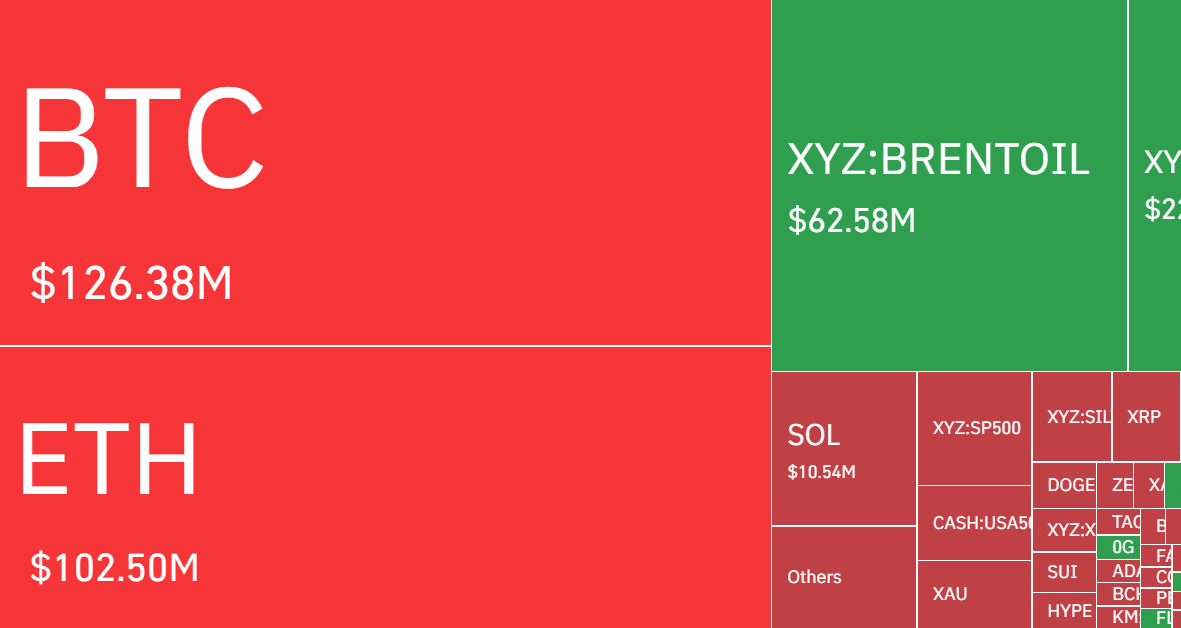
Earlier in the week, Bitcoin had fallen below $70,000, with hundreds of millions in liquidations across major cryptocurrencies, due to fluctuating geopolitical tensions. The recent rebound highlights the impact of leveraged positioning, where political headlines can trigger sharp price movements within minutes. Bitcoin's increasing sensitivity to macroeconomic factors, particularly those affecting oil prices, inflation, and geopolitical risk, means that any de-escalation in conflicts like the one involving Iran is viewed positively for risk assets. This sensitivity is also evident in the derivatives market, where reassuring news can trigger a chain reaction of liquidations and momentum buying.
The future trajectory of Bitcoin will likely depend on the sustained diplomatic tone between the U.S. and Iran. If talks continue to improve and energy markets stabilize, Bitcoin may consolidate its gains and potentially reclaim the $70,000-$71,000 range. Conversely, any resurgence in tensions could lead to a rapid market reversal, pushing leveraged traders back into liquidation zones. The current market dynamics underscore the significant influence of political headlines and leveraged positions on cryptocurrency prices, with even a single statement capable of impacting billions in exposure.
Source, catalyst, and sector overlap from the latest feed.
The S&P 500's drop to its 2026 low, driven by oil price surges and geopolitical tensions, signals a weakening risk appetite that could pressure correlated assets like Bitcoin. Bitcoin's extended decoupling from U.S. equities suggests crypto markets may have priced in macro risks earlier, but a continued S&P 500 decline could still drag Bitcoin lower, with some analysts projecting a drop to $30,000-$40,000. Elevated oil prices and persistent geopolitical risks are increasing inflation concerns, potentially delaying anticipated Federal Reserve interest rate cuts and reducing demand for risk assets across markets.
Coinbase's pursuit of financial inclusion through features like prediction markets has led to user backlash over notification fatigue, indicating a potential disconnect between strategic vision and user experience. The company's response, focusing on notification controls rather than removing prediction markets, suggests a strategy to balance innovation with user comfort, which could impact engagement metrics. While Coinbase aims for a broad financial ecosystem, the current user friction highlights the challenge of integrating speculative features without alienating core users focused on asset storage and traditional trading.
ICICI Bank's stock experienced a 2% decline following the allotment of 28,800 shares for its employee incentive program, indicating potential market sensitivity to share dilution, however minor. The allotment of shares under the ICICI Bank Employees Stock Unit Scheme-2022 is a standard retention and motivation tool, but the market reaction suggests a short-term bearish sentiment among investors. While the share issuance is a routine corporate action, the immediate price drop highlights investor scrutiny on any factor that could impact earnings per share or increase supply, even if intended for employee incentives.
JPMorgan's renewed focus on Ripple's XRP-driven settlement model highlights a potential $120 billion opportunity in cross-border payments, suggesting significant market inefficiency that Ripple aims to capture. The article emphasizes XRP's role as a bridge currency for real-time settlement, contrasting it with slower correspondent banking systems and underscoring its potential to free up trapped liquidity for businesses. Growing institutional interest in blockchain solutions for payments, coupled with Ripple's expansion and regulatory efforts in regions like Brazil, indicates a strategic push towards mainstream adoption and integration.
The 14% drop in Brent crude oil prices signifies a rapid unwinding of risk premium previously priced into supply disruption fears, indicating a shift in market sentiment from panic to de-escalation. President Trump's announcement to postpone strikes on Iranian energy infrastructure has directly eased fears of a prolonged Strait of Hormuz closure, leading to a significant sell-off in oil futures. While prices have fallen sharply, Brent crude remains elevated compared to pre-conflict levels, suggesting that residual geopolitical risk premium is still present in the market. Future oil price direction hinges on continued de-escalation, the status of Hormuz shipping, potential IEA reserve releases, and any further signals from the US administration, creating a volatile trading environment.
Crypto ETFs experienced significant outflows totaling $177 million last week, indicating a potential cooling of institutional interest or profit-taking following recent price surges. Despite recent volatility and ETF outflows, Bitcoin has demonstrated resilience, outperforming traditional assets like the S&P 500 and gold since late February, suggesting underlying strength in its market position. Experts anticipate a potential altcoin rotation in Q2 if Bitcoin breaks the $80,000 'key inflection point,' signaling a shift in market dynamics driven by Bitcoin's performance. Geopolitical developments, specifically news regarding a potential Iran ceasefire, briefly boosted Bitcoin and other cryptocurrencies, highlighting the market's sensitivity to global events.
Bitmine's increased ETH purchasing pace for three consecutive weeks, totaling $138 million in the last week, signals strong conviction from management that the crypto market downturn is nearing its end. Despite significant unrealized losses, the firm's aggressive accumulation of ETH, now representing 3.86% of circulating supply, suggests a strategic bet on a substantial price recovery. The sustained buying activity by a notable entity like Bitmine, led by Thomas Lee, could be interpreted by the market as a bullish signal for Ethereum's future price performance.
Solana's price is consolidating within a range between $68 and $92, with a key resistance at $92 and support at $80, indicating a lack of strong directional momentum. Failure to break above $92 resistance increases the probability of a pullback to the $80 demand zone, which could act as a catalyst for a relief rally if it holds. A breakdown below the $80 support level would likely lead to further downside pressure, potentially testing the $68 range low, suggesting caution for traders anticipating a significant upward move. The current technical indicators, including a bearish MACD and incremental RSI, suggest that buying pressure is not yet sufficient for a sustained bullish breakout, reinforcing the range-bound outlook.
MicroStrategy's reduced pace of Bitcoin acquisition, buying $76.6 million last week compared to over $1 billion previously, signals a potential shift in their accumulation strategy or market conditions influencing their buying power. Despite the reduced weekly purchase, MicroStrategy's total holdings of 762,099 BTC at an average cost of $75,694 remain underwater relative to the current price near $70,000, indicating a long-term conviction despite short-term paper losses. The funding of these purchases through common stock sales suggests that while the company is committed to Bitcoin, it may be relying on equity markets rather than direct treasury assets for its ongoing accumulation.
Live Feed
Loading the broader stream in the same flow as the homepage feed.
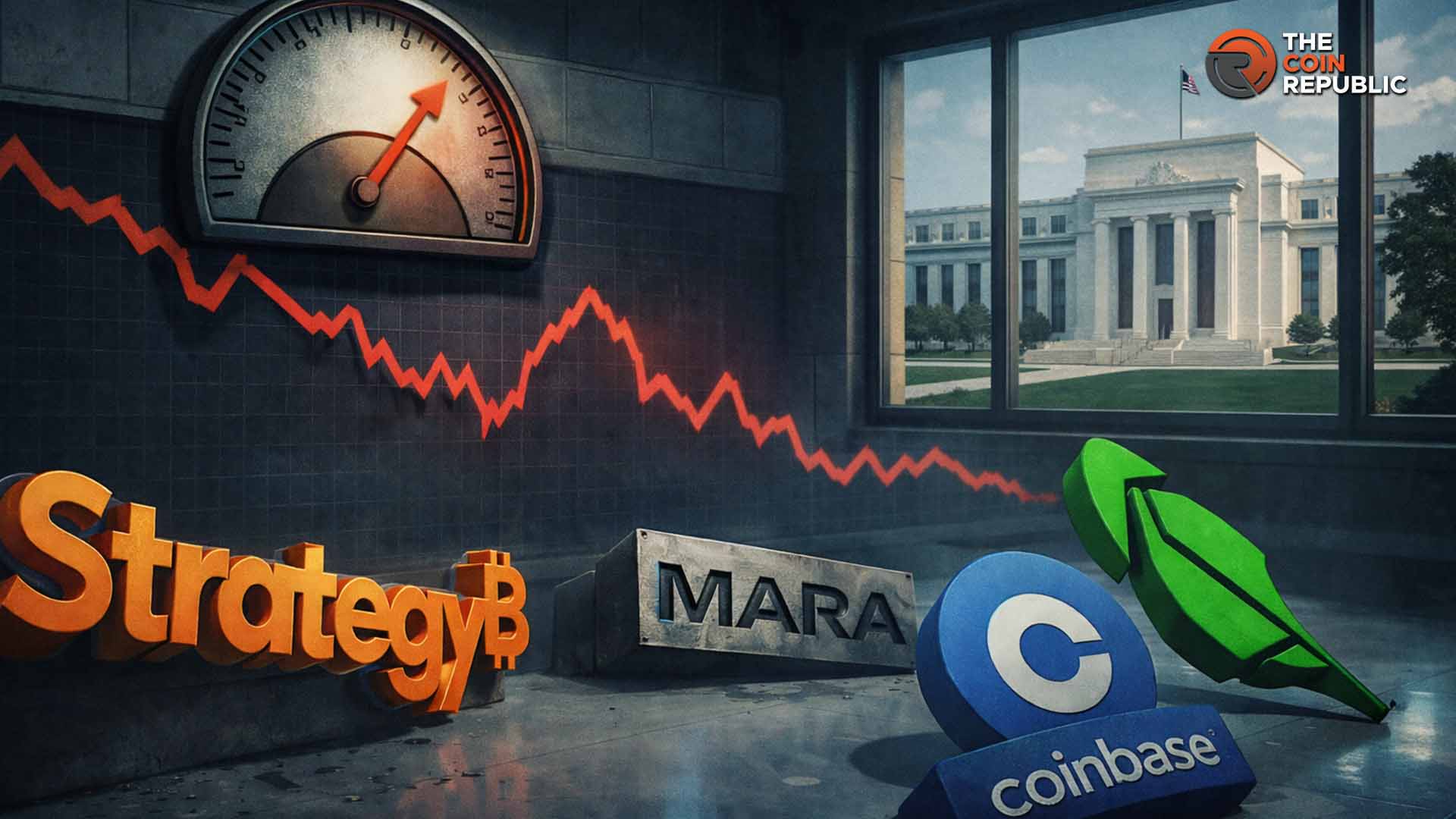
Rising Federal Reserve rate hike expectations are creating a cautious market environment, leading to significant downturns in major crypto-related stocks like MSTR, MARA, COIN, and HOOD. The geopolitical tension between the US and Iran is contributing to broader market caution, impacting investor sentiment and potentially pressuring crypto assets and related equities. Despite short-term declines, Coinbase (COIN) has shown positive signals over longer periods (5-day and 30-day), suggesting resilience or a different fundamental outlook compared to other crypto stocks.

H100 Group's proposed acquisition of Moonshot and Never Say Die, aiming to triple its Bitcoin holdings to 3,500 BTC, signals a significant consolidation trend among European bitcoin treasury firms. The bitcoin-for-bitcoin acquisition structure preserves shareholder exposure while scaling the balance sheet, indicating a strategic approach to growth without immediate dilution. This move positions H100 as a major player in the European institutional bitcoin treasury space, potentially increasing its influence and market relevance. The deal, if completed, represents a substantial capital deployment into Bitcoin by a publicly listed entity, reinforcing institutional confidence in the asset.

Declining exchange outflows for SHIB below the one-billion-token threshold suggest weakening accumulation and increased likelihood of selling pressure. The failure of recent breakout attempts and trading below key EMAs reinforce a bearish technical structure for SHIB, indicating sellers are absorbing short-term optimism. Decreasing trading volume coupled with reduced outflows points to waning investor interest rather than accumulation, suggesting continued downside pressure for SHIB. Traders should monitor for a breakdown below support or a confirmed recovery of the 50 EMA with increased volume, as current on-chain and technical data remain bearish for SHIB.

Michael Saylor's Strategy continues its accumulation strategy by purchasing 1,031 BTC at $74,326, signaling conviction despite the current market trading below its average cost basis. The firm's total holdings now stand at 762,099 BTC, acquired at an average of $75,694, indicating an unrealized loss of approximately $4.3 billion, yet Saylor maintains a long-term 'hodl' perspective. Despite current market fear and an unrealized loss, Strategy's consistent buying below its average cost suggests a belief in future Bitcoin price appreciation, potentially influencing investor sentiment for $MSTR and $STRC.

U.S. legislative deadlock on the CLARITY Act, specifically regarding stablecoin yield, indicates significant regulatory uncertainty that could impact retail participation and exchange revenue. Banks are lobbying to ban stablecoin rewards, citing potential deposit outflows from traditional finance, which could pressure stablecoin issuers and DeFi protocols offering yield. While a ban on stablecoin rewards could slow adoption and shift incentives, the crypto industry may adapt through activity-based rewards or by moving yield programs offshore, with broader regulatory clarity being a key long-term positive. The stall in the CLARITY Act highlights the ongoing conflict between traditional finance and the crypto industry over stablecoin functionality, suggesting potential for continued market volatility around regulatory developments.

Geopolitical de-escalation has triggered a significant risk-on sentiment shift in crypto markets, driving Bitcoin above $71,000 and boosting ETH and XRP. The rapid price surge suggests a combination of capital rotation into risk assets and a technical short squeeze, accelerating upward momentum. Key levels for BTC ($70K support, $73.5K-$75K resistance), ETH ($2,050 support, $2,250-$2,300 resistance), and XRP ($1.30-$1.32 support, $1.50-$1.55 resistance) will determine if this breakout sustains or leads to consolidation. While the immediate catalyst is geopolitical, sustained price action above key resistance levels is required to confirm a broader trend reversal rather than a short-term reaction.
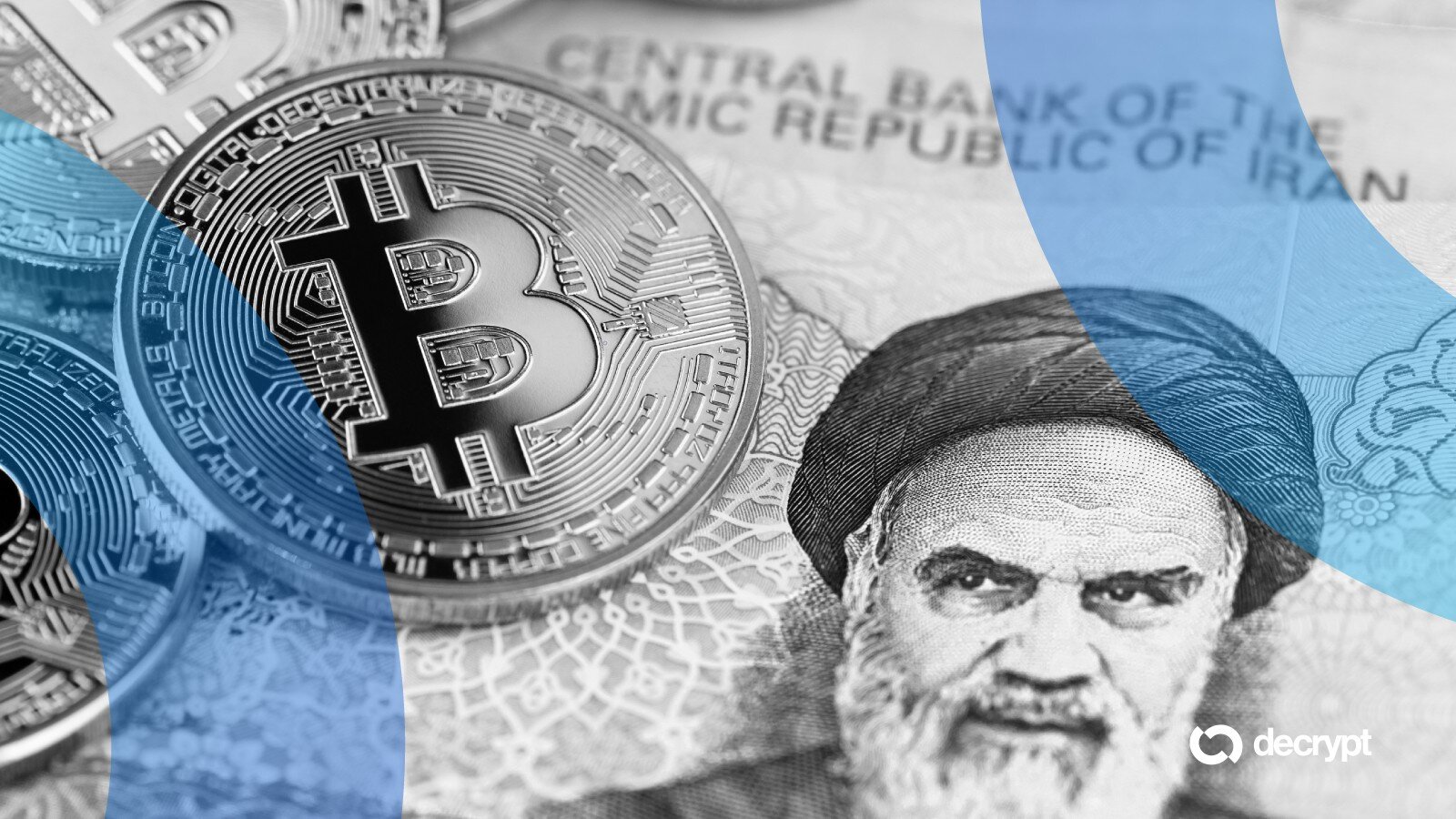
Geopolitical de-escalation, specifically the postponement of Iran strikes, has triggered a significant risk-on sentiment, driving Bitcoin and Ethereum prices up sharply and oil prices down. The potential passage of the Clarity Act, with a reported agreement on stablecoin yield, signals a step towards regulatory clarity for stablecoins, potentially boosting market confidence despite restrictions on passive yield. The rapid growth of Hyperliquid's S&P 500 perpetual futures market indicates increasing demand for on-chain leveraged exposure to traditional financial assets, blurring the lines between TradFi and DeFi. The lawsuit against Gemini shareholders highlights ongoing scrutiny of exchange business models and strategic pivots, particularly concerning prediction markets, and could impact investor trust in similar ventures.

MicroStrategy's continued Bitcoin accumulation, adding 1,031 BTC at an average price of $74,326, reinforces its conviction in BTC as a long-term store of value. The firm's substantial holdings of 762,099 BTC at an average cost of $75,694 indicate a significant capital commitment, potentially influencing market sentiment for Bitcoin. This strategic purchase, while not a new event for MicroStrategy, signals ongoing institutional demand and confidence in Bitcoin's future price appreciation.
Bitcoin experienced a significant price surge, breaking above $71,000, directly correlating with geopolitical de-escalation news from the US. The market reaction suggests a heightened sensitivity to global stability, with Bitcoin acting as a risk-on asset that benefits from reduced geopolitical tensions. The price movement also coincided with substantial liquidations of leveraged long positions, indicating a potential short-term shakeout before further price discovery.

Geopolitical de-escalation signals from the US President have directly led to a risk-on sentiment shift, pushing Bitcoin back above $70,000 and benefiting other major altcoins. The temporary pause in military action against Iran has eased global market risk aversion, causing oil prices to drop and US stock futures to rebound, indicating a broader market recovery. Short sellers experienced significant losses totaling $271 million in the past hour and $364 million over 24 hours due to the unexpected positive market reaction to the geopolitical news.
Despite a recent 2% price increase and a decline in open interest, analysts maintain long-term bullish targets for XRP, projecting potential rallies to $27 based on intact multi-year ascending structures. Analysts suggest that a potential pullback to the $0.70-$0.80 range, while seemingly bearish, could serve as a technical reset before a significant upward move, reinforcing the long-term bullish thesis. The current market action for XRP is interpreted as an early phase of a larger cycle, with a major breakout anticipated only if key support levels, such as the 2020 cycle low, are maintained.
Signal context only. Validate with price action, liquidity, and risk limits before taking a position.
