
Navigating Crypto News

CoinFeather
Navigating Crypto News

Quick market read from this story
Brazil's finance minister has delayed a proposed tax on crypto transactions, citing concerns about political conflict during an election year.
The proposed tax, which could impose rates up to 3.5% by classifying crypto as foreign exchange operations, faced significant pushback from industry groups arguing it is unconstitutional.
This delay suggests a cautious approach to new crypto regulations in Brazil, potentially creating a period of regulatory uncertainty but avoiding immediate adverse market impact from the tax.
Deep Dive
Brazil's new finance minister, Dario Durigan, is reportedly delaying a public consultation on applying a tax on financial operations (IOF) to certain cryptocurrency transactions. This decision aims to avoid potential conflicts with Congress during an election year, according to Reuters.
The postponed consultation involved a draft decree that could classify some crypto transactions as foreign exchange operations. Such classification could subject these transactions to IOF rates ranging from 0.38% to as high as 3.5%, similar to rates applied to overseas purchases and remittances. This proposal has faced significant opposition from industry groups, including ABcripto, ABFintechs, Abracam, ABToken, and Zetta, which collectively represent over 850 companies.
These groups argue that applying IOF to stablecoin transactions would be unconstitutional and violate Brazil's 2022 Virtual Assets Law. They contend that stablecoins are not fiat currency and should not be treated as foreign exchange instruments through administrative means.
The Finance Ministry's interest in taxing crypto transactions gained traction after the central bank classified parts of the crypto market, particularly some stablecoin activities, under foreign exchange rules in February. This classification provided a basis for the ministry and tax authorities to explore IOF applicability.
In addition to the crypto tax consultation, the ministry may also reconsider a separate proposal aimed at ending tax breaks on certain investment securities, further indicating a cautious approach to fiscal policy changes during the election period.
Source, catalyst, and sector overlap from the latest feed.
The CoinDesk 20 Index is showing slight upward momentum, with Bitcoin Cash (BCH) and Solana (SOL) leading the gains, indicating a potential short-term positive sentiment for these specific assets within the broader market. While the CoinDesk 20 Index experienced a modest gain, the performance of individual assets like BCH and SOL suggests selective strength rather than a broad market rally, implying traders should focus on specific asset movements. The report highlights a mixed performance within the CoinDesk 20, with BCH and SOL outperforming while APT and ICP lagged, underscoring the importance of asset-specific analysis in the current market environment.
Bitmine's increased ETH purchasing pace for three consecutive weeks, totaling $138 million in the last week, signals strong conviction from management that the crypto market downturn is nearing its end. Despite significant unrealized losses, the firm's aggressive accumulation of ETH, now representing 3.86% of circulating supply, suggests a strategic bet on a substantial price recovery. The sustained buying activity by a notable entity like Bitmine, led by Thomas Lee, could be interpreted by the market as a bullish signal for Ethereum's future price performance.
H100 Group's proposed acquisition of Moonshot and Never Say Die, aiming to triple its Bitcoin holdings to 3,500 BTC, signals a significant consolidation trend among European bitcoin treasury firms. The bitcoin-for-bitcoin acquisition structure preserves shareholder exposure while scaling the balance sheet, indicating a strategic approach to growth without immediate dilution. This move positions H100 as a major player in the European institutional bitcoin treasury space, potentially increasing its influence and market relevance. The deal, if completed, represents a substantial capital deployment into Bitcoin by a publicly listed entity, reinforcing institutional confidence in the asset.
MicroStrategy's reduced pace of Bitcoin acquisition, buying $76.6 million last week compared to over $1 billion previously, signals a potential shift in their accumulation strategy or market conditions influencing their buying power. Despite the reduced weekly purchase, MicroStrategy's total holdings of 762,099 BTC at an average cost of $75,694 remain underwater relative to the current price near $70,000, indicating a long-term conviction despite short-term paper losses. The funding of these purchases through common stock sales suggests that while the company is committed to Bitcoin, it may be relying on equity markets rather than direct treasury assets for its ongoing accumulation.
Geopolitical de-escalation has triggered a risk-on sentiment, leading to a ~5% surge in Bitcoin and other major cryptocurrencies as investors rotate out of safe-haven assets like gold and bonds. The postponement of U.S. attacks on Iran has directly benefited Bitcoin, pushing it above $71,000, indicating its sensitivity to global macro events and its role as a speculative asset in times of perceived reduced geopolitical risk. The sharp decline in oil prices and liquidations in tokenized Brent futures highlight the interconnectedness of traditional commodity markets and crypto derivatives, with significant price movements in one impacting the other. While the immediate reaction is bullish for crypto, the underlying geopolitical tensions remain, suggesting that this price action may be short-lived and dependent on sustained de-escalation.
U.S. legislative deadlock on the CLARITY Act, specifically regarding stablecoin yield, indicates significant regulatory uncertainty that could impact retail participation and exchange revenue. Banks are lobbying to ban stablecoin rewards, citing potential deposit outflows from traditional finance, which could pressure stablecoin issuers and DeFi protocols offering yield. While a ban on stablecoin rewards could slow adoption and shift incentives, the crypto industry may adapt through activity-based rewards or by moving yield programs offshore, with broader regulatory clarity being a key long-term positive. The stall in the CLARITY Act highlights the ongoing conflict between traditional finance and the crypto industry over stablecoin functionality, suggesting potential for continued market volatility around regulatory developments.
Geopolitical de-escalation, specifically the postponement of Iran strikes, has triggered a significant risk-on sentiment, driving Bitcoin and Ethereum prices up sharply and oil prices down. The potential passage of the Clarity Act, with a reported agreement on stablecoin yield, signals a step towards regulatory clarity for stablecoins, potentially boosting market confidence despite restrictions on passive yield. The rapid growth of Hyperliquid's S&P 500 perpetual futures market indicates increasing demand for on-chain leveraged exposure to traditional financial assets, blurring the lines between TradFi and DeFi. The lawsuit against Gemini shareholders highlights ongoing scrutiny of exchange business models and strategic pivots, particularly concerning prediction markets, and could impact investor trust in similar ventures.
Bitcoin's reclaim of $70,000 is directly linked to a de-escalation of geopolitical tensions, suggesting that macro-driven risk premiums have been a significant factor in recent price action. The pause in US military strikes against Iran has removed a key bearish catalyst, allowing Bitcoin to rally towards immediate upside liquidity targets at $72K-$75K. While the price action is positive, the underlying structural headwinds for Bitcoin, such as underwater holders and the 200-week EMA, remain, indicating that sustained upside will depend on continued positive geopolitical developments or further fundamental catalysts. The standardization of crypto ETF options across major US exchanges is a structural development that improves institutional access and market depth, though its immediate price impact is likely to be gradual.
HDFC Bank's stock decline is directly linked to the resignation of its part-time chairman and the termination of three senior executives over AT-1 bond mis-selling allegations. The AT-1 bond controversy, involving alleged mis-selling to clients and subsequent losses after Credit Suisse's write-off, has eroded investor confidence in HDFC Bank's governance and client onboarding practices. The departure of senior leadership and the fallout from the bond issue suggest potential ongoing internal scrutiny and reputational damage, which could continue to pressure the stock in the short term.
The SEC and CFTC have issued new interpretive guidance classifying most crypto assets as commodities rather than securities, providing much-needed clarity for the industry. Despite the positive development, the guidance is an interpretive rule and can be revised by future commissions, creating uncertainty about its long-term durability. The market's reaction is tempered by the understanding that legislative action from Congress is required for permanent regulatory certainty, as highlighted by Citi's reduced Bitcoin price target. The new framework offers more breathing room for staking, airdrops, and wrapped tokens, but its reliance on current commission interpretation rather than statutory law limits its immediate impact on repricing.
JPMorgan's renewed focus on Ripple's XRP-driven settlement model highlights a potential $120 billion opportunity in cross-border payments, suggesting significant market inefficiency that Ripple aims to capture. The article emphasizes XRP's role as a bridge currency for real-time settlement, contrasting it with slower correspondent banking systems and underscoring its potential to free up trapped liquidity for businesses. Growing institutional interest in blockchain solutions for payments, coupled with Ripple's expansion and regulatory efforts in regions like Brazil, indicates a strategic push towards mainstream adoption and integration.
Despite limited current adoption, stablecoins are positioned to benefit from the long-term growth of AI-driven machine-to-machine payments, which could unlock new use cases for microtransactions and programmable finance. While AI payments are an emerging upside for stablecoins, their core growth thesis remains robust, driven by existing demand in cross-border payments, remittances, and neobanking, indicating a diversified demand base. USDC and its partners like Coinbase are highlighted as key beneficiaries of potential stablecoin adoption in AI payments due to their liquidity and regulatory standing, positioning them as strong proxies for this emerging market segment. Skepticism around early AI payment volume metrics, particularly concerning wash trading, suggests that while the underlying infrastructure is developing, the immediate financial impact on stablecoins may be overstated.
Geopolitical de-escalation signals from a major world leader directly correlated with a rapid price surge in Bitcoin and other major cryptocurrencies, indicating market sensitivity to macro stability. The conditional nature of the five-day pause on strikes highlights the market's reliance on sustained diplomatic progress, suggesting that any breakdown in talks could quickly reverse current price gains. The swift market reaction to Trump's announcement underscores the significant impact of perceived geopolitical risk on digital asset valuations, particularly concerning energy infrastructure and inflation pressures.
Live Feed
Loading the broader stream in the same flow as the homepage feed.
Boyaa Interactive's proposed $70 million crypto treasury expansion, focusing on Bitcoin, signals a continued corporate commitment to digital assets as a strategic reserve and for Web3 initiatives. The company's existing holdings of 4,092 BTC and 302 ETH, acquired at an average cost of $68,211 and $1,661 respectively, indicate a significant integration of crypto into its balance sheet, potentially influencing future treasury management strategies. The need for shareholder approval due to the aggregated transaction size highlights the regulatory scrutiny and reporting requirements for publicly listed companies engaging in substantial crypto acquisitions, particularly under Hong Kong listing rules.
Strategy Inc. continues its aggressive Bitcoin accumulation strategy by purchasing an additional 1,031 BTC, signaling sustained institutional conviction despite current market price fluctuations. The company's funding mechanism, utilizing at-the-market stock sales, provides significant flexibility for future Bitcoin acquisitions, indicating potential for continued market support. Despite an estimated $4 billion in unrealized losses on its current holdings, Strategy's commitment to its Bitcoin-centric model remains firm, highlighting a long-term outlook that prioritizes asset accumulation over short-term price volatility. Strategy's ongoing accumulation, even with Bitcoin trading below its all-time high, reinforces its position as a major corporate holder and suggests a belief in Bitcoin's long-term value proposition, potentially influencing market sentiment.

Crypto ETFs experienced significant outflows totaling $177 million last week, indicating a potential cooling of institutional interest or profit-taking following recent price surges. Despite recent volatility and ETF outflows, Bitcoin has demonstrated resilience, outperforming traditional assets like the S&P 500 and gold since late February, suggesting underlying strength in its market position. Experts anticipate a potential altcoin rotation in Q2 if Bitcoin breaks the $80,000 'key inflection point,' signaling a shift in market dynamics driven by Bitcoin's performance. Geopolitical developments, specifically news regarding a potential Iran ceasefire, briefly boosted Bitcoin and other cryptocurrencies, highlighting the market's sensitivity to global events.
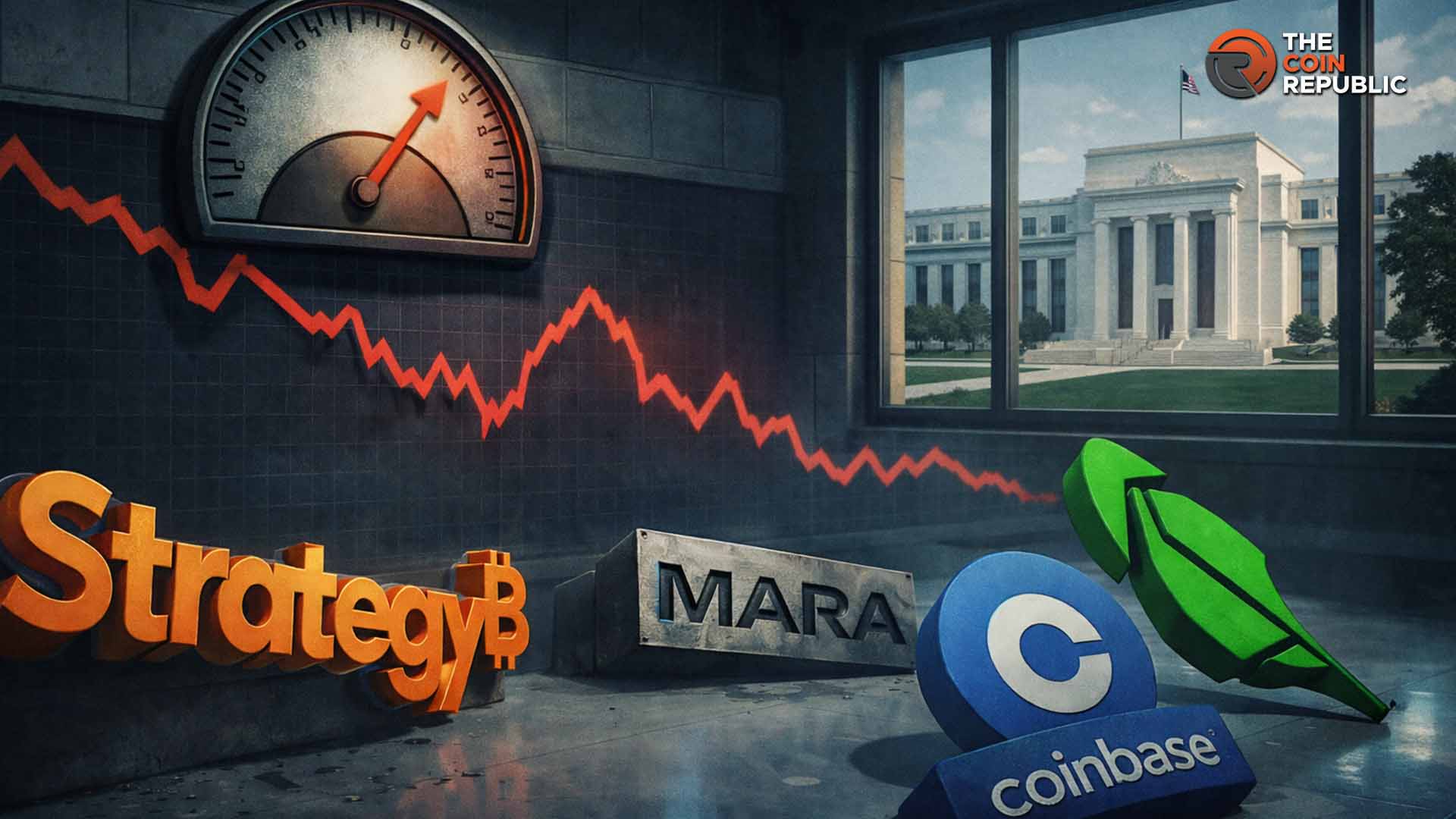
Rising Federal Reserve rate hike expectations are creating a cautious market environment, leading to significant downturns in major crypto-related stocks like MSTR, MARA, COIN, and HOOD. The geopolitical tension between the US and Iran is contributing to broader market caution, impacting investor sentiment and potentially pressuring crypto assets and related equities. Despite short-term declines, Coinbase (COIN) has shown positive signals over longer periods (5-day and 30-day), suggesting resilience or a different fundamental outlook compared to other crypto stocks.
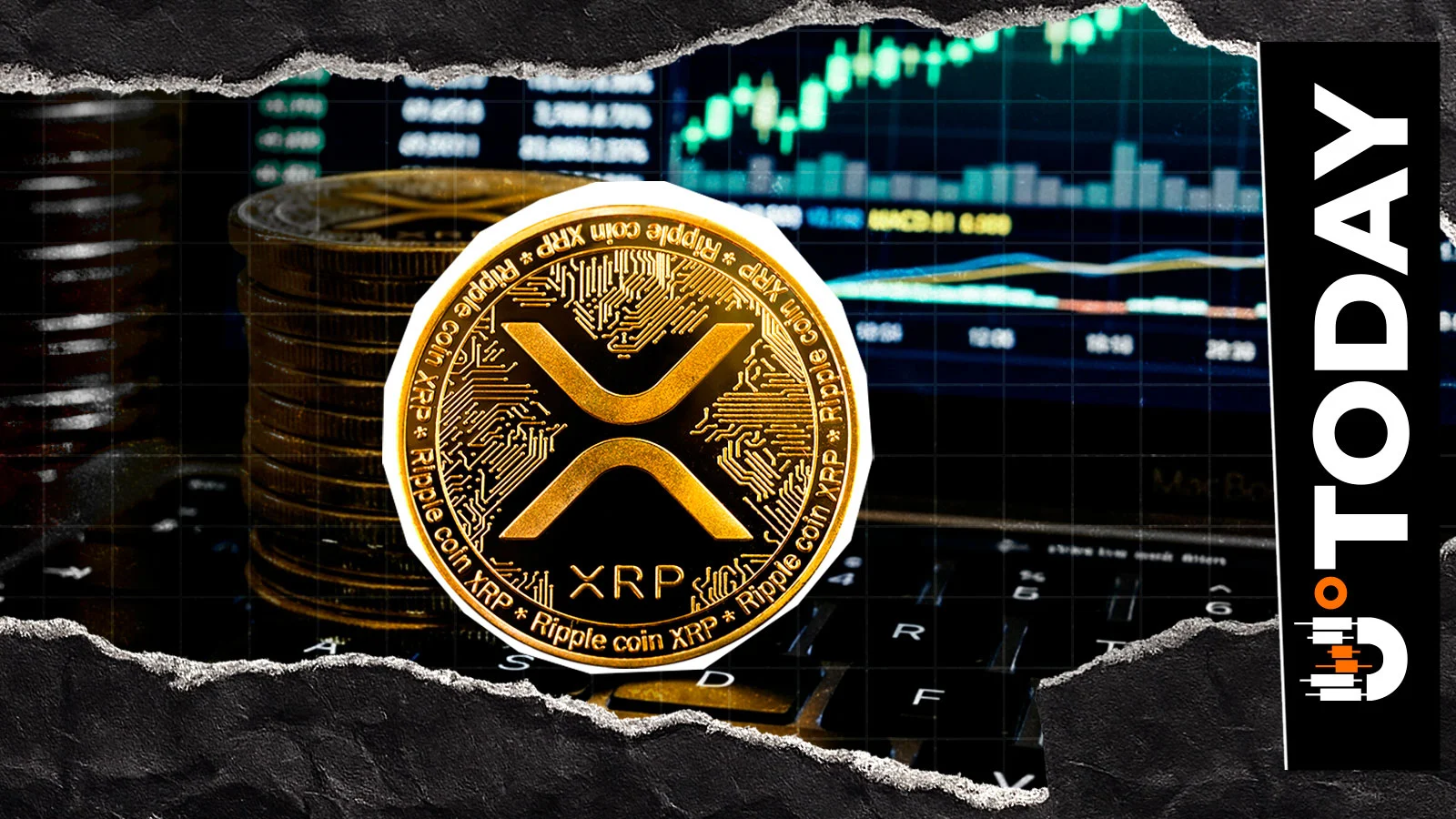
Despite a significant 2,095% surge in XRP futures volume on BitMEX, open interest has declined, indicating traders are adjusting positions rather than accumulating, suggesting caution amidst broader market weakness. XRP's price action shows a breakdown below the daily MA 50 and a continuation of a descending channel, signaling a loss of short-term structure and a bearish outlook for immediate price movements. The limited XRP spot ETF inflows and sustained 'extreme fear' market sentiment further underscore a lack of institutional and retail confidence, reinforcing the bearish short-term outlook for XRP.
The S&P 500's drop to its 2026 low, driven by oil price surges and geopolitical tensions, signals a weakening risk appetite that could pressure correlated assets like Bitcoin. Bitcoin's extended decoupling from U.S. equities suggests crypto markets may have priced in macro risks earlier, but a continued S&P 500 decline could still drag Bitcoin lower, with some analysts projecting a drop to $30,000-$40,000. Elevated oil prices and persistent geopolitical risks are increasing inflation concerns, potentially delaying anticipated Federal Reserve interest rate cuts and reducing demand for risk assets across markets.
Coinbase's pursuit of financial inclusion through features like prediction markets has led to user backlash over notification fatigue, indicating a potential disconnect between strategic vision and user experience. The company's response, focusing on notification controls rather than removing prediction markets, suggests a strategy to balance innovation with user comfort, which could impact engagement metrics. While Coinbase aims for a broad financial ecosystem, the current user friction highlights the challenge of integrating speculative features without alienating core users focused on asset storage and traditional trading.

Declining exchange outflows for SHIB below the one-billion-token threshold suggest weakening accumulation and increased likelihood of selling pressure. The failure of recent breakout attempts and trading below key EMAs reinforce a bearish technical structure for SHIB, indicating sellers are absorbing short-term optimism. Decreasing trading volume coupled with reduced outflows points to waning investor interest rather than accumulation, suggesting continued downside pressure for SHIB. Traders should monitor for a breakdown below support or a confirmed recovery of the 50 EMA with increased volume, as current on-chain and technical data remain bearish for SHIB.
ICICI Bank's stock experienced a 2% decline following the allotment of 28,800 shares for its employee incentive program, indicating potential market sensitivity to share dilution, however minor. The allotment of shares under the ICICI Bank Employees Stock Unit Scheme-2022 is a standard retention and motivation tool, but the market reaction suggests a short-term bearish sentiment among investors. While the share issuance is a routine corporate action, the immediate price drop highlights investor scrutiny on any factor that could impact earnings per share or increase supply, even if intended for employee incentives.

Solana's price is consolidating within a range between $68 and $92, with a key resistance at $92 and support at $80, indicating a lack of strong directional momentum. Failure to break above $92 resistance increases the probability of a pullback to the $80 demand zone, which could act as a catalyst for a relief rally if it holds. A breakdown below the $80 support level would likely lead to further downside pressure, potentially testing the $68 range low, suggesting caution for traders anticipating a significant upward move. The current technical indicators, including a bearish MACD and incremental RSI, suggest that buying pressure is not yet sufficient for a sustained bullish breakout, reinforcing the range-bound outlook.

Michael Saylor's Strategy continues its accumulation strategy by purchasing 1,031 BTC at $74,326, signaling conviction despite the current market trading below its average cost basis. The firm's total holdings now stand at 762,099 BTC, acquired at an average of $75,694, indicating an unrealized loss of approximately $4.3 billion, yet Saylor maintains a long-term 'hodl' perspective. Despite current market fear and an unrealized loss, Strategy's consistent buying below its average cost suggests a belief in future Bitcoin price appreciation, potentially influencing investor sentiment for $MSTR and $STRC.

Geopolitical de-escalation has triggered a significant risk-on sentiment shift in crypto markets, driving Bitcoin above $71,000 and boosting ETH and XRP. The rapid price surge suggests a combination of capital rotation into risk assets and a technical short squeeze, accelerating upward momentum. Key levels for BTC ($70K support, $73.5K-$75K resistance), ETH ($2,050 support, $2,250-$2,300 resistance), and XRP ($1.30-$1.32 support, $1.50-$1.55 resistance) will determine if this breakout sustains or leads to consolidation. While the immediate catalyst is geopolitical, sustained price action above key resistance levels is required to confirm a broader trend reversal rather than a short-term reaction.

MicroStrategy's continued Bitcoin accumulation, adding 1,031 BTC at an average price of $74,326, reinforces its conviction in BTC as a long-term store of value. The firm's substantial holdings of 762,099 BTC at an average cost of $75,694 indicate a significant capital commitment, potentially influencing market sentiment for Bitcoin. This strategic purchase, while not a new event for MicroStrategy, signals ongoing institutional demand and confidence in Bitcoin's future price appreciation.
Signal context only. Validate with price action, liquidity, and risk limits before taking a position.
