
Navigating Crypto News

CoinFeather
Navigating Crypto News

Quick market read from this story
Audius aims to disrupt traditional music streaming by empowering artists with direct control and earnings, a model whose success hinges on broader adoption beyond current Web3 communities.
While AUDIO's current price is significantly below its all-time high, projections suggest potential growth to $1+ by 2030 if user activity, creator monetization, and platform features like NFTs and stablecoin integrations gain traction.
Technical analysis indicates a downtrend with resistance at $0.022, suggesting a potential short-term bounce to $0.0760 on a breakout, but a breakdown below $0.019 could lead to further declines towards $0.0089.
The long-term viability of Audius depends on its ability to transition from a niche experiment to a mainstream music distribution platform, driven by artist adoption and evolving monetization strategies like direct fan payments and NFTs.
Deep Dive
Audius is a decentralized music streaming protocol designed to give artists direct control over their content, audience, and revenue, bypassing traditional labels and opaque royalty systems. Built initially on POA and later migrated to Solana for scalability, the platform allows creators to upload content without approval and receive direct rewards. With over 500,000 monthly active users, Audius has demonstrated demand for an alternative to conventional streaming services, though its long-term success hinges on broader adoption beyond niche Web3 communities.
The native token, AUDIO, is currently trading around $0.02013, significantly down from its all-time highs. The live price is approximately $0.01997581. Market data shows a market cap of $28,055,118.93 and a 24-hour volume of $6,668,021.3735. The circulating and total supply are both around 1,404,454,783 AUDIO. The all-time high was recorded at $4.9944 on March 27, 2021, while the all-time low was $0.0187 on February 28, 2026 (note: this date appears to be a typo in the source, likely intended for the future).
Audius's value is intrinsically linked to its real-world usage, including uploads, streams, and creator earnings, positioning it as a bet on the future of digital ownership in music. CoinPedia's analysis suggests that if Audius successfully fosters a strong creator economy and expands its user base, AUDIO could reach approximately $0.076 in 2026. The platform is evolving with community-led content moderation and copyright systems, alongside improvements to its reward mechanisms where artists earn AUDIO tokens based on engagement. Future developments may include direct fan payments, subscriptions, and the sale of music as NFTs, as well as the integration of stablecoins for paid content and artist tokens.
Technical analysis indicates a current downtrend for AUDIO, with price action consolidating between $0.019 and $0.021. A breakout above $0.022 with significant volume could lead to a short-term rally, potentially towards $0.0760. Conversely, a drop below $0.019 might see the price fall towards $0.0089. Long-term predictions vary, with potential highs estimated at $0.0760 for 2026, $0.18 for 2027, $0.243 for 2028, $0.672 for 2029, and potentially reaching $1.21 by 2030, contingent on widespread adoption of blockchain-based music rights and decentralized platforms.
External market analyses from platforms like Changelly, CoinCodeX, and Digitalcoinprice offer varied predictions, with some forecasting highs well over $1 by 2030. Key considerations for Audius's growth include its ability to attract more users and artists, enhance creator monetization, and navigate competition. While the platform offers greater artist control and potentially lower transaction fees compared to rivals, it currently lacks robust copyright protection and faces the challenge of establishing itself in a nascent Web3 music ecosystem.
Source, catalyst, and sector overlap from the latest feed.
Pi Network's Mainnet upgrade to Protocol 20 lays the groundwork for smart contract functionality, signaling a move towards building decentralized applications and DeFi platforms. Despite short-term price fluctuations, the analyst suggests focusing on Pi Network's underlying infrastructure development, indicating that current market price may not reflect the project's long-term utility building. The broader market context highlights a shift towards blockchain integration with traditional finance and other technologies like AI, suggesting that projects with real-world utility and user adoption will drive long-term value.
Amundi's launch of a $100M tokenized fund utilizing Chainlink for data integrity signals significant institutional adoption of blockchain technology within regulated European frameworks. The integration of Chainlink's oracle services for NAV data on-chain highlights the critical role of decentralized infrastructure in bridging traditional finance with blockchain for tokenized real-world assets. The fund's operation across Ethereum and Stellar, coupled with low entry barriers, suggests a broader trend towards increased accessibility and efficiency in institutional-grade digital asset products. Market sentiment indicates that this level of TradFi adoption, particularly from a major asset manager like Amundi, may still be undervalued by the broader crypto market.
The Bank of Japan's decision to maintain interest rates at 0.75% amid global instability and rising oil prices creates a stable, albeit cautious, monetary environment that could indirectly support risk assets like Bitcoin and Ethereum as investors seek yield. While the BOJ's pause might offer some stability to crypto markets, the underlying global tensions and potential for future rate adjustments mean that the impact on Bitcoin and other cryptocurrencies remains uncertain, warranting a watchful approach. The article notes a recent 4.47% dip in the overall crypto market, with Bitcoin falling from $76,000 to $70,223, suggesting that broader market sentiment and macroeconomic factors, rather than just the BOJ's decision, are currently driving price action.
The listing of ETHFI on Upbit with a KRW pair provides direct access to the South Korean retail market, a significant driver for the initial 20% price spike. While ETHFI experienced a sharp initial surge post-listing, the price has since cooled off, indicating profit-taking and a typical post-listing price action pattern. Arthur Hayes' accumulation and positive commentary on Ether.fi's revenue growth suggest underlying confidence in the project's fundamentals beyond the immediate listing event. The sustained activity and market reception in the Korean market post-listing will be crucial for ETHFI's continued price performance, especially after the initial hype subsides.
Bitcoin's retreat below $71,000 introduces market volatility, creating divergent price action for altcoins like RIVER, DEXE, and QNT. RIVER Coin shows strong bullish momentum driven by system updates and partnerships, with technical indicators suggesting a potential rise to $40. Dexe Coin has achieved a 4-month high, exhibiting robust bullish sentiment and technicals that point towards further upside potential towards $7.5-$8.3. Quant (QNT) is consolidating within a tight pattern, indicating a potential breakout; however, it faces resistance at the 200-day EMA, suggesting a neutral-to-bullish outlook pending confirmation.
Moonbeam's GLMR token is positioned as a critical infrastructure play, with its future value heavily dependent on the increasing adoption of cross-chain interoperability and the strengthening of the Polkadot ecosystem. The projected price targets for GLMR, ranging from $0.48 by 2026 to $5.78 by 2030, are contingent on successful developer retention, increased user adoption in sectors like GameFi and DeFi, and the implementation of network upgrades such as Elastic Scaling. Despite a current trading price significantly below its all-time highs, GLMR's deflationary tokenomics, with a substantial portion of transaction fees being burned, could provide a foundational support for price appreciation if network activity increases. The article presents a price prediction scenario that is optimistic but acknowledges significant competition and the need for Moonbeam to maintain its relevance as a bridge between major ecosystems like Ethereum and Polkadot.
A sophisticated phishing campaign is impersonating the new Pudgy World game, targeting users with fake wallet interfaces to steal credentials, highlighting ongoing security risks in the gaming and NFT space. The attack's detailed wallet UI forgeries suggest a well-resourced threat actor, indicating a persistent and evolving threat landscape for crypto-related scams targeting digital asset holders. While the direct financial impact on Pudgy Penguins or its users is currently unknown, such phishing attempts underscore the critical need for enhanced user education and security protocols within the broader crypto ecosystem.
G Coin's market debut is tied to an existing ecosystem with significant on-chain activity, suggesting a potential for immediate utility-driven demand rather than a purely speculative launch. The token is explicitly defined as a utility token, with the whitepaper clarifying that holders do not receive equity, dividends, or governance rights, limiting potential upside beyond its functional use. Playnance's tokenomics model focuses on time-based release schedules for unsold tokens and tokens lost in gameplay, indicating a controlled supply approach over permanent burns. Despite the existing user base, the success of G Coin hinges on its ability to translate current ecosystem activity into sustained token usage, with no guaranteed value or financial return promised to holders.
Enjin Coin (ENJ) experienced a significant price surge of over 25% accompanied by a 2500% increase in trading volume, indicating strong market participation and a potential shift from its recent downtrend. The rally is attributed to a broader rotation into gaming and NFT tokens, suggesting that ENJ's price action is currently influenced by sector-wide sentiment rather than project-specific catalysts. While the price is testing resistance near $0.03, the RSI entering overbought territory suggests the current upward momentum may be stretched, warranting caution for short-term traders. A sustained hold above $0.025 could lead to further upside towards $0.033-$0.038, but failure to maintain current levels may result in a pullback to the $0.022 or $0.018 support zones.
Meta's decision to shutter Horizon Worlds for VR signals a significant retreat from its ambitious metaverse strategy, reflecting substantial financial losses and a pivot towards mobile-first experiences. The substantial $80 billion in losses for Meta's Reality Labs division underscores the financial challenges of building a VR-centric metaverse, potentially impacting investor confidence in similar ventures. The shift away from VR for Horizon Worlds, mirroring trends in successful platforms like Fortnite and Roblox, suggests a pragmatic adjustment to market realities and user adoption patterns. The decline of metaverse tokens like AXS, SAND, and MANA by over 98% from their peaks highlights the waning interest and speculative bubble burst in the blockchain-based metaverse sector.
Live Feed
Loading the broader stream in the same flow as the homepage feed.

XRP's technical setup suggests a potential 20% rally to $1.70-$1.72 if it holds the mid-$1.40s support, aligning with a bull flag breakout retest. Record XRP withdrawals from South Korea's Upbit exchange, coupled with a shift to positive whale flows, indicate a potential accumulation phase similar to historical rallies. The confluence of a bullish technical pattern and on-chain accumulation signals from Korean retail and large holders suggests a near-term upside potential for XRP.
Geopolitical tensions in the Middle East are driving a significant risk premium in Brent crude, pushing prices to $111/barrel and sparking speculation of $150-$200 levels. Despite the current spike, the futures market suggests traders anticipate a normalization of prices towards the low $100s by Q1 end and mid-$110s over 12 months, indicating a belief that extreme levels are low probability. The tight inventory, limited spare capacity, and prior strategic reserve draws create an upside risk for oil prices if diplomatic efforts fail and shipping lanes remain disrupted. The volatility in oil prices is directly impacting consumer costs and inflation expectations, potentially influencing central bank policy and driving short-term trading activity across related financial instruments.
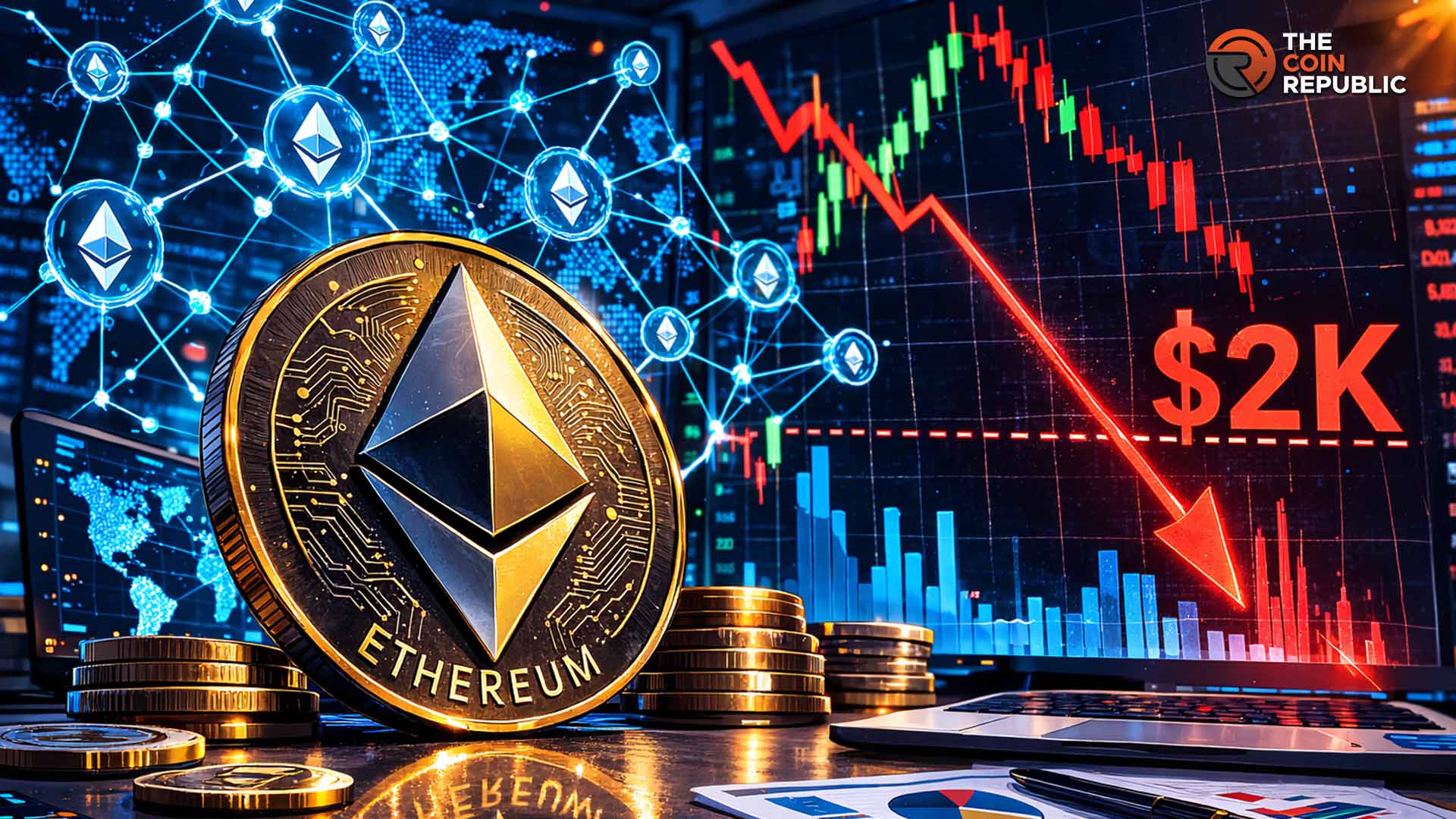
Despite a recent price drop below $2,000, Ethereum's network activity has surged, with daily active addresses reaching 1.1 million in February, indicating accumulation by long-term holders and potential for future price appreciation. The significant increase in staked Ether (37.85 million) and decreasing exchange reserves suggest a tightening liquid supply, which could amplify price movements when demand returns. Ethereum is approaching a key resistance level, and its ability to break through or hold the current support zone will determine its short-term trajectory, with the 21-week EMA near $2,700 as a potential target if momentum builds.
Prediction markets indicate a significant probability, with odds ranging from 65% to 71%, that Bitcoin will fall below $55,000 by the end of 2026, reflecting current market sentiment and macroeconomic concerns. Despite the bearish outlook on price, traders on prediction platforms show low conviction, under 15%, for MicroStrategy to sell its substantial Bitcoin holdings in 2026, suggesting continued accumulation by major corporate holders. Recent net negative flows into US spot Bitcoin ETFs, particularly from Fidelity, coupled with broader macroeconomic uncertainties, are contributing to downward pressure on BTC price, signaling a cautious investor sentiment.

Bitcoin's price discovery has structurally shifted from spot demand to a derivatives-driven market, influenced by futures, options, and ETF hedging mechanics. The increasing correlation with traditional risk assets like the Nasdaq highlights Bitcoin's integration into global macro portfolios, amplifying volatility during liquidity cycles. While scarcity remains a core attribute, Bitcoin's marginal price is now largely set by liquidity dynamics and the cost of capital within the derivatives ecosystem. The evolution of financial products, including ETFs and derivatives, is transforming Bitcoin into a portfolio building block, enabling more sophisticated investor strategies and risk management.
Historical FOMC patterns suggest potential Bitcoin price declines of 6% to 30% in 2026, targeting levels around $67,000 or even $50,000. A dense liquidity cluster in the lower price range acts as a magnet, indicating that downside pressure may persist until these leveraged positions are cleared. The confluence of recurring FOMC selloffs and liquidation heatmap analysis points to significant downside risk for Bitcoin in the near to medium term.
The massive 20 million XRP on-chain transfer at an ultra-low fee highlights XRP Ledger's efficiency for institutional-grade settlements, reinforcing its value proposition for liquidity providers. Recent whale accumulation of XRP, coupled with Ripple's expansion into Brazil and potential VASP license, suggests growing confidence and strategic positioning ahead of potential catalysts. The convergence of institutional interest, such as Evernorth's Nasdaq listing plans, with on-chain activity and global expansion signals a maturing XRP ecosystem and potential for deeper integration with traditional finance. While the large XRP transfer itself is not a definitive signal, its timing and efficiency, alongside broader ecosystem developments, indicate XRP is entering a period of heightened activity and market attention.

The ECB's proactive search for experts to integrate a digital euro into existing payment infrastructure signals a significant step towards potential adoption, indicating a shift from theoretical planning to practical implementation. While the ECB focuses on a digital euro, the parallel development of the Qivalis project by European banks highlights a growing interest in stablecoin solutions for blockchain payments, potentially creating a competitive landscape. The ECB's preparatory work and potential 2029 rollout timeline suggest a long-term strategic play in digital currency, which could influence traditional financial systems and digital asset integration over the next several years.
AI chips need DRAM and HBM, and Micron is a key supplier. Check 2026 price targets, earnings forecasts, and risks before betting on more upside in MU.
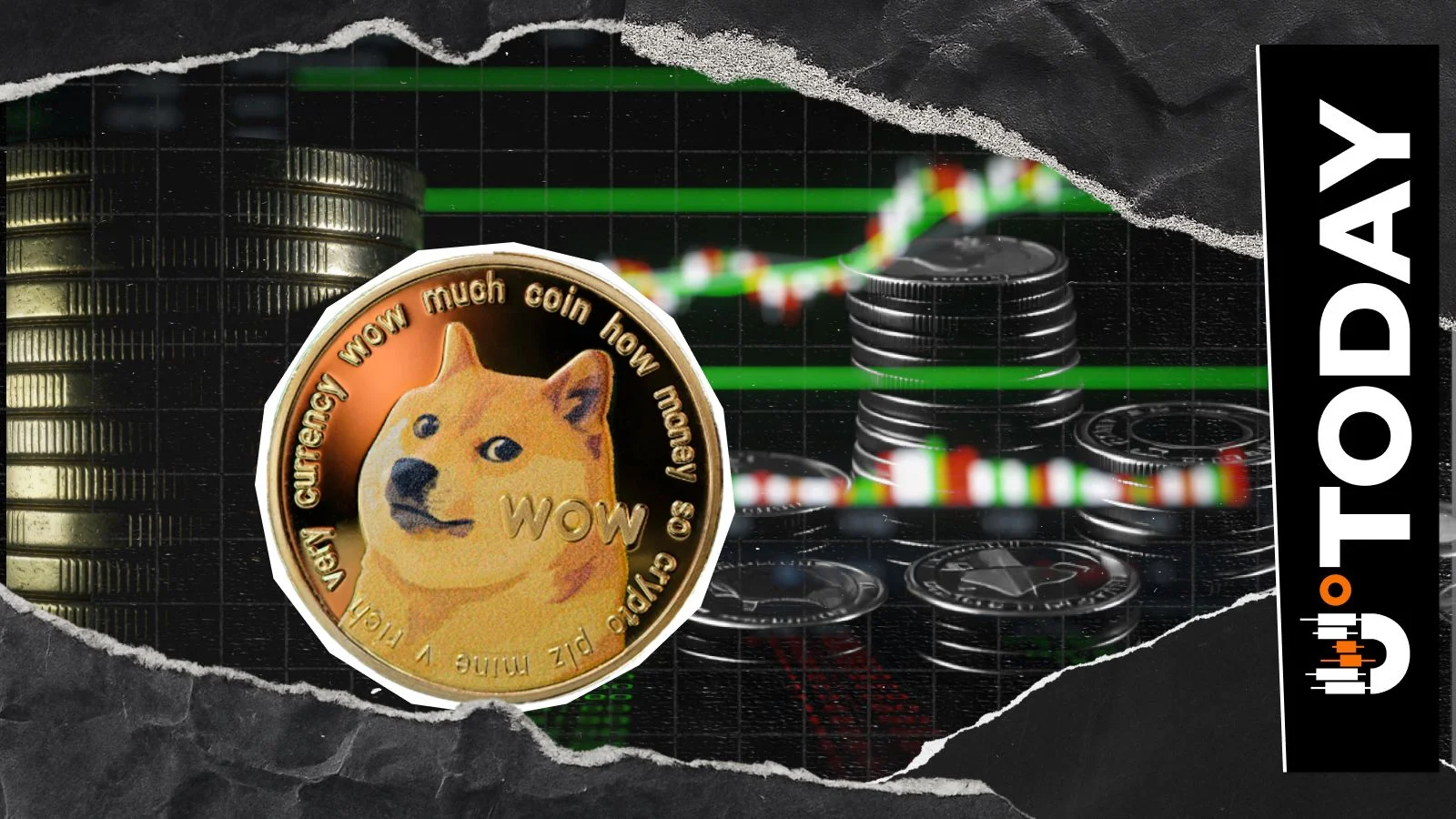
Dogecoin futures open interest hints at a likely price reset as DOGE falls below $0.10.

Significant open interest in deep out-of-the-money Bitcoin put options suggests traders are employing volatility strategies or selling premium rather than outright bearish bets. Despite geopolitical tensions, the overall options market sentiment remains slightly bullish with a put-call ratio below 1, indicating more call options are being traded. The concentration of open interest at $75,000 and $125,000 strikes alongside the $20,000 puts indicates a wide range of market expectations, from upside potential to tail-risk hedging. The $20,000 put option's popularity, while appearing bearish, is likely a premium-selling strategy due to the low probability of such a drastic price drop, suggesting a focus on income generation or volatility plays.

Michael Saylor reiterates Bitcoin as the 'ultimate hedge against chaos' despite recent price drops in BTC, gold, and silver, signaling conviction in its uncorrelated value proposition. Bitcoin's recent price decline to $69,190, a drop of over 8.5% in 24 hours, contrasts with its prior surge to $76,000, indicating market uncertainty and a flight to USD amid geopolitical and policy concerns. MicroStrategy's significant Bitcoin holdings are currently showing an unrealized loss of 8.44% based on an average purchase price of $75,696, yet Saylor views this as an entry opportunity rather than a signal to exit.
Rivian's stock rally is underpinned by a stronger 2026 delivery outlook and the upcoming R2 SUV launch, signaling a potential inflection point for the EV maker. The strategic partnership with Volkswagen, including up to $5.8 billion in funding, provides crucial capital and manufacturing support, aiming to significantly reduce costs and accelerate platform development. Analysts view 2026 as a critical 'inflection year' for Rivian, with R2 deliveries and VW cash infusion targeting substantial improvements in automotive gross margins by 2027. The stock has transitioned from speculative to a high-beta execution play, with its valuation now dependent on Rivian's ability to meet delivery targets, execute the R2 ramp-up, and successfully integrate the VW joint venture.

The CFTC's first information-sharing agreement with a professional sports league, MLB, signals a growing regulatory framework for prediction markets tied to real-world events. This collaboration with MLB and Polymarket as an exclusive partner aims to enhance the integrity of prediction markets by mitigating fraud and manipulation risks. The establishment of a federal regulatory approach for prediction markets, as opposed to state-by-state regulation, simplifies compliance and potentially encourages broader adoption.
Gold has experienced an 8% pullback from recent highs, driven by shifting interest rate expectations and hawkish Fed commentary, which has increased real yields and strengthened the dollar. Despite the short-term correction, major financial institutions maintain a bullish outlook for gold, forecasting a return to higher price levels by year-end, supported by anticipated Fed rate cuts and continued central bank demand. The primary risks to the bullish gold narrative include prolonged high interest rates, a stronger dollar, and a significant slowdown in inflation, which could lead to extended consolidation rather than an immediate resumption of the uptrend. The current pullback is interpreted as a classic bull-market correction within a larger uptrend, rather than a definitive cycle top, suggesting potential buying opportunities at support levels.

US regulators are signaling a bifurcated future for on-chain dollar equivalents, where bank-issued tokenized deposits will retain FDIC insurance while payment stablecoins will not, potentially shifting competitive advantages back to traditional finance infrastructure. This regulatory distinction could lead to market segmentation, with stablecoins potentially dominating open, permissionless networks for payments and transfers, while tokenized deposits become the preferred instrument for institutional settlement and regulated asset markets due to their insured status. The FDIC's proposed stance creates a clear competitive dynamic: banks can offer insured on-chain money, while non-bank stablecoins may lose a key differentiator, forcing them to rely on network effects and programmability to maintain market share.

A Coinbase subdomain linked to its Commerce tool reportedly directed users to a withdrawal page asking to enter their seed phrases, raising concerns among security observers.
Evernorth's planned Nasdaq listing via SPAC, backed by significant institutional funding including Ripple and SBI Holdings, aims to create a regulated XRP treasury, potentially unlocking new avenues for institutional XRP exposure. The development leverages recent regulatory clarity classifying XRP as a commodity, which could reduce perceived risk and encourage broader adoption of XRP-related financial products. While the SPAC merger and treasury strategy are positive developments, XRP's price action remains constrained below key resistance levels, suggesting that market sentiment is still cautious despite fundamental and regulatory improvements.

Tether's new AI framework enables large language model training on consumer smartphones, potentially democratizing AI development and reducing reliance on centralized cloud providers. The framework's use of BitNet architecture and LoRA fine-tuning significantly lowers memory requirements, making AI model development more accessible and cost-effective. This development aligns with a broader trend of crypto firms investing in AI infrastructure, signaling a convergence of blockchain and artificial intelligence technologies. By supporting non-Nvidia hardware and mobile GPUs, Tether's initiative aims to decentralize AI compute power, challenging the dominance of traditional high-performance computing setups.
Find out what analysts expect for PulseChain in 2026, with realistic price forecasts, token supply insights, and long-term market outlook.
Signal context only. Validate with price action, liquidity, and risk limits before taking a position.
