
Navigating Crypto News

CoinFeather
Navigating Crypto News
Quick market read from this story
Hyperliquid's HYPE token experienced a significant price surge driven by a technical breakout above key resistance levels, indicating renewed investor interest.
A 178% increase in 24-hour trading volume, coupled with robust derivatives activity totaling $2.85 billion, suggests strong speculative positioning and potential for continued upward momentum.
The bullish sentiment is further supported by a long/short ratio skewed towards longs on Binance and widespread trading volume across major exchanges, pointing to broad market participation.
Short liquidations during the rally likely exacerbated price increases, a common phenomenon that can accelerate upward trends when triggered by significant price movements.
Deep Dive
The native token of Hyperliquid, HYPE, has experienced a dramatic surge in trading activity and price. In the last 24 hours, trading volume increased by approximately 178%, propelling the token's price into the $34 range. This sharp rise is attributed to a technical breakout above key resistance levels and a significant increase in derivatives activity, which has boosted liquidity and price momentum.
The rally was primarily triggered by HYPE breaking decisively above a cluster of moving averages in the $30-$32 range, which had previously acted as resistance on the daily chart. This breakout likely activated algorithmic buying and stop orders, intensifying the upward movement. The price's move beyond this established resistance zone fueled further momentum.
The surge in price coincided with robust derivatives activity, with Hyperliquid recording approximately $2.85 billion in futures volume within a single day. This indicates a substantial increase in speculative trading. Data on long/short positioning, particularly on Binance, shows a slight majority of long positions, with top traders exhibiting even more skewed bullish sentiment, nearing a 1.6 ratio in favor of long exposure. This imbalance suggests traders are anticipating further upside continuation.
Exchange flow statistics also reflect a sharp increase in trading activity, with significant capital movements observed in futures flow data over shorter timeframes. Liquidation data indicates that some short positions were closed out during the rally, which can further accelerate price increases as traders covering losing positions buy back the asset.
Trading volume distribution across major exchanges highlights the broad interest in HYPE. Binance alone recorded about $750 million in HYPE trading activity. Significant volumes were also observed on Bybit, MEXC, and OKX. This widespread participation across multiple platforms suggests a growing market interest rather than isolated trading activity.
Source, catalyst, and sector overlap from the latest feed.
The significant decline in Bitcoin exchange balances to an all-time low suggests a strong investor preference for self-custody, potentially leading to a supply shock as fewer BTC are available for trading. With only one million Bitcoins remaining to be mined, the combination of reduced exchange supply and diminishing new supply could create upward price pressure if demand remains constant or increases. Robert Kiyosaki's repeated calls to accumulate Bitcoin and Ethereum alongside gold and silver, amidst warnings of a major market crash in 2026, reinforce a narrative of these assets as hedges against traditional financial system instability.
Peter Schiff's critique of MicroStrategy's STRC preferred stock highlights a potential cash flow crunch by 2026, suggesting a forced liquidation of Bitcoin holdings if dividend payments cannot be sustained. The core risk identified is MicroStrategy's reliance on issuing STRC to fund Bitcoin purchases, creating a recursive debt structure that requires either new capital or Bitcoin sales to service its high yield. If MicroStrategy is forced to sell Bitcoin, it could introduce significant selling pressure on BTC, especially if the market perceives this as a systemic risk to corporate Bitcoin treasury strategies.
Veteran trader Peter Brandt's "banana split" technical analysis suggests Bitcoin is poised for a significant upward move, as the current consolidation forms a rounded bottom on a decade-long macro support line. The confluence of a short-term rounded bottom ('little banana') forming directly on Bitcoin's long-term upward-curving channel support ('big banana') historically precedes major parabolic rallies. Despite recent price action testing resistance above $70,000, Brandt's analysis implies that accumulated momentum within the consolidation bowl could fuel a substantial breakout, making this a critical juncture for BTC.
Ripple's achievement of $100 billion in processed volume validates blockchain-based payment infrastructure for institutional use, signaling growing adoption beyond remittance. The milestone, coupled with the rapid growth of its stablecoin RLUSD to $1 billion market cap, suggests increasing institutional trust and utility for Ripple's integrated financial solutions. With over 75 regulatory licenses and strategic acquisitions enhancing custody and payment capabilities, Ripple is positioning itself as a comprehensive enterprise-grade financial infrastructure provider, potentially impacting traditional payment systems.
Bitcoin's breach of the $70,000 level signals a potential shift in short-term market structure, with buyers showing increased demand and higher lows forming, suggesting a possible end to the recent downtrend. Solana exhibits signs of stabilization with higher lows and a gradual upward trend, indicating a potential move towards the $95 target, which aligns with the 50-day EMA and represents a key test for its recovery. XRP's technical outlook remains bearish, characterized by persistent lower highs and lows, and significant resistance from major moving averages, suggesting continued pressure and a lack of immediate upside potential. The market is observing a divergence, with Bitcoin and Solana showing signs of recovery while XRP remains stagnant, highlighting selective strength within the broader crypto landscape.
Vitalik Buterin's vision for 'one-click' distributed staking via DVT-lite could significantly lower institutional barriers to ETH staking, potentially increasing demand and decentralization. The Ethereum Foundation's successful test of DVT-lite with 72,000 ETH demonstrates a practical step towards simplifying staking infrastructure, reducing risks associated with single-node failures. Despite current price action, the substantial queue for ETH staking highlights persistent demand, suggesting that ease of access through technologies like DVT-lite could unlock further capital inflows. The development of DVT-lite addresses a core decentralization challenge by making complex staking operations more accessible, which could have long-term implications for Ethereum's network security and validator distribution.
BlockDAG's successful launch and immediate price surge to $0.18, nearing its $0.20 target with further exchange listings imminent, signals strong market reception and potential for continued upward momentum. Render's integration of AI workloads and a supply-reducing token burn mechanism, coupled with significant GPU adoption and large holder accumulation, positions RENDER for potential gains as AI demand grows. BONK's strong correlation with Solana's network activity and its established utility within the Solana ecosystem suggest potential for substantial gains if Solana experiences a resurgence in user engagement. SEI's upcoming Giga upgrade and the potential for an SEI ETF approval present a dual catalyst, offering significant upside as the network enhances its trading capabilities and attracts institutional capital.
The XRP Ledger is set to introduce enhanced privacy features via amendment XLS-372, enabling Confidential MPTs which could significantly boost institutional adoption by balancing privacy with selective disclosure. A recent US Treasury shift recognizing privacy tools as a user right provides a favorable regulatory backdrop for XRPL's privacy enhancements, potentially positioning it as a compliant haven for private transactions. The integration of mixer-like functionality through Confidential MPTs on XRPL, supported by regulatory tailwinds, signals a move towards greater transactional privacy for XRP, potentially altering its market perception.
Cardano's introduction of programmable tokens via CIP-0113 enables enhanced control for asset issuers, including KYC/AML compliance and asset freezing, positioning it for regulated DeFi and RWA tokenization. The new standard allows for modular logic integration into tokens, facilitating specialized use cases for securities, real estate, and stablecoins without core network changes. This development signals Cardano's strategic move into the regulated DeFi space, aiming to attract institutional interest and capture market share in tokenized assets. While a live preview is available, a professional security audit is pending, indicating that full mainnet deployment and broader adoption will require further validation.
Upcoming U.S. inflation data is a key macroeconomic driver that could significantly influence crypto market sentiment and Federal Reserve interest rate expectations. Polkadot's planned economic upgrade, including a DOT supply cap and emissions cut, represents a structural change to its tokenomics that warrants monitoring for potential price impact. The week ahead features several project-specific announcements from Solstice/Kamino and Succinct, which could introduce short-term volatility or trading opportunities if details are market-moving. Geopolitical tensions and their impact on commodity prices, particularly crude oil, add a layer of macro uncertainty that traders will be watching for spillover effects into digital asset markets.
Geopolitical de-escalation signals, as indicated by Trump's comments on the Iran conflict, are driving a risk-on sentiment, leading to a rally in Bitcoin and other crypto assets as the US Dollar Index (DXY) weakens. Despite the short-term rally, Bitcoin remains in a broader downtrend, requiring a sustained move towards $98,000 with established support levels to signal a trend reversal. Increased open interest in BTC and ETH futures, coupled with positive funding rates across most tokens, suggests renewed capital inflows and a predominantly bullish outlook among traders, though protective puts remain pricier than calls. The market is pricing out uncertainty related to geopolitical events, as evidenced by the drop in BTC and ETH implied volatility, but significant volatility could still emerge on a BTC price move above $75,000.
CFTC Chair Selig is shifting regulatory focus from enforcement to a 'minimum effective dose' model, aiming to foster domestic crypto innovation by providing clearer frameworks for derivatives and tokenized assets. A joint CFTC-SEC initiative to establish a unified taxonomy for digital assets and regulate perpetual futures could significantly clarify jurisdictional ambiguities and bring offshore products into US regulatory oversight. The proposed regulatory framework for blockchain-based derivatives infrastructure, targeted for completion by August 2026, signals a proactive approach to integrating new technologies into traditional financial markets. By prioritizing fraud and market abuse over technical violations and deprioritizing non-core areas like climate risk, the CFTC aims to streamline its operations and focus on its core responsibilities, potentially impacting resource allocation for crypto oversight.
The milestone of 95% of all Bitcoin mined signifies a critical juncture where the diminishing new supply rate intensifies the scarcity narrative, potentially supporting long-term holder value. Shrinking block subsidies are forcing miners to diversify into AI and high-performance computing, creating a strategic shift that could impact network security if transaction fees do not adequately compensate for reduced block rewards. The debate over Bitcoin's long-term security model, driven by declining subsidies and potentially insufficient transaction fees, highlights a structural challenge that could affect the entire crypto ecosystem if not resolved.
Bitcoin has reached a significant supply milestone with 20 million coins mined, leaving only 1 million remaining, which could increase scarcity and support price appreciation. Despite macro headwinds and extreme fear sentiment, BTC price is rallying towards $70,000, driven by substantial whale accumulation and a significant drop in exchange reserves. While some analysts predict further upside, others foresee a potential drop, and a contrarian view from Terence Howard predicting Bitcoin's collapse highlights the current market uncertainty and divergence of opinions. The recent surge in whale activity and BTC moving off exchanges suggests a short-term bullish outlook from large holders, potentially signaling a recovery phase despite broader market fear.
Live Feed
Loading the broader stream in the same flow as the homepage feed.

Tokenized stocks have crossed the $1 billion market cap threshold, signaling significant growth and increasing institutional interest in the RWA sector. Market consolidation is evident with Ondo Finance and xStocks dominating over 80% of the tokenized equity market, highlighting the importance of established infrastructure and regulatory navigation for success. The broader RWA market, excluding stablecoins, now stands at approximately $26 billion, indicating a strong trend towards tokenizing traditional financial assets on-chain.
The CLARITY Act is framed as a critical regulatory lifeline for U.S. banks needing to modernize and engage with digital assets, rather than solely a benefit for crypto firms. Former CFTC Chair Chris Giancarlo's perspective suggests that regulatory clarity on digital assets is essential for the stability and competitiveness of the U.S. banking sector, implying potential for significant traditional finance integration if passed. With White House support and increasing odds for approval, the CLARITY Act's passage could unlock substantial investment into next-generation financial infrastructure, potentially accelerating fintech adoption and modernizing U.S. banking.

Strategy (MSTR) executed a record STRC equity issuance, generating approximately $300 million in volume to fund its bitcoin accumulation strategy. The company amended its sales agreement to allow multiple agents for STRC sales, potentially increasing the efficiency and volume of future equity issuances used for bitcoin purchases. The estimated purchase of 1,420 BTC from Monday's activity reinforces Strategy's ongoing commitment to expanding its bitcoin holdings, signaling continued demand from a major corporate accumulator. STRC's recent dividend rate increase to 11.5% and its description as a high-yield instrument may attract investor interest, indirectly supporting MSTR's ability to fund bitcoin acquisitions.

Thailand's intensified anti-money laundering efforts have led to the freezing of over 10,000 crypto accounts, signaling increased regulatory scrutiny on illicit fund flows within the digital asset space. The crackdown, involving stricter KYC and transfer delay measures, indicates a proactive stance by Thai authorities to curb fraud and enhance the security of crypto transactions. This development underscores a growing global trend of regulatory bodies implementing robust AML/KYC protocols for digital assets, potentially impacting operational compliance for exchanges operating in the region.

South Korea's FIU proposed a 6-month partial business suspension and up to $36.5M in fines for Bithumb, signaling a significant regulatory crackdown on major exchanges. The proposed sanctions stem from systemic AML/KYC failures, unreported overseas dealings, and suspicious transaction reporting gaps, directly impacting Bithumb's operational integrity and future IPO plans. This aggressive regulatory action against Bithumb, following similar measures against Upbit and Korbit, indicates a broader trend of increased enforcement in South Korea's crypto market under the Virtual Asset User Protection Act. Bithumb's CEO faces a reprimand and its compliance officer is slated for dismissal, highlighting the personal accountability being enforced by regulators and potentially deterring future compliance lapses.
Over $50 billion in XRP supply is currently underwater, indicating significant unrealized losses for a large portion of holders and suggesting potential selling pressure if prices do not recover. The substantial unrealized losses on XRP highlight broader altcoin market weakness, with many tokens trading near all-time lows, which could prolong investor caution. XRP faces a critical juncture where a sustained price recovery is needed to move underwater supply back into profit and restore market sentiment, otherwise, prolonged weakness risks capitulation. On-chain data reveals that 36.8 billion XRP tokens are held at a loss, underscoring the magnitude of the current market drawdown and the challenges for investors who bought at higher price points.

Ethereum's price is approaching key resistance levels above $2,000, with record leverage indicating aggressive speculative positioning by traders. High leverage and concentrated short liquidations near $2,030 suggest a potential for accelerated price swings due to cascading liquidations if resistance breaks. Increased derivatives activity and leverage, while signaling potential volatility, do not necessarily translate to sustained spot demand, warranting caution. The current market structure, characterized by elevated leverage and proximity to resistance, creates a volatile setup where a breakout could be amplified by short squeezes.

US spot Bitcoin ETFs saw a return of $167 million in inflows, reversing recent outflows and indicating renewed investor interest as BTC approached $70,000. Despite a broader crypto market rebound, altcoin ETFs for ETH, XRP, and SOL experienced continued outflows, suggesting a divergence in investor sentiment between Bitcoin and other major cryptocurrencies. The geopolitical easing, particularly regarding potential de-escalation in the Middle East, appears to have positively influenced Bitcoin's price and ETF flows, while altcoin outflows persist.

Significant capital is flowing into AI infrastructure development, evidenced by AirTrunk's record $1.24B green loan for its Tokyo data center expansion. The substantial financing underscores the growing demand for cloud services and AI-specific computing power in key markets like Japan. This development highlights the increasing intersection of traditional finance and the digital infrastructure required for AI, potentially benefiting companies involved in hardware and cloud services.
The maturation of the crypto market has led to the rise of specialized hedge funds, indicating increased institutional adoption and sophisticated capital deployment strategies. Crypto hedge funds are diversifying beyond simple token trading, engaging in venture capital, early-stage token investments, and complex trading strategies, signaling a deeper integration into the broader financial ecosystem. The continued growth and influence of crypto hedge funds suggest they will play an increasingly significant role in driving innovation, providing liquidity, and shaping capital allocation within the digital asset space. The article highlights key players like Pantera Capital, Multicoin Capital, and Grayscale Investments, underscoring their impact on venture funding, early-stage projects, and providing regulated access to digital assets for institutional investors.
Ripple executive Markus Infanger positions XRP as the central 'glue' for institutional DeFi, highlighting its role in liquidity and settlement on the XRP Ledger. The XRP Ledger's auto-bridging feature is emphasized as a mechanism enabling efficient cross-asset transactions, even without direct trading pairs, by using XRP as an intermediary. Ongoing development of institutional lending tools on XRPL suggests a strategic push to establish the ledger as a comprehensive platform for blockchain-based financial services. The narrative suggests XRP is being developed to serve as a foundational asset for a more integrated and efficient decentralized financial ecosystem.
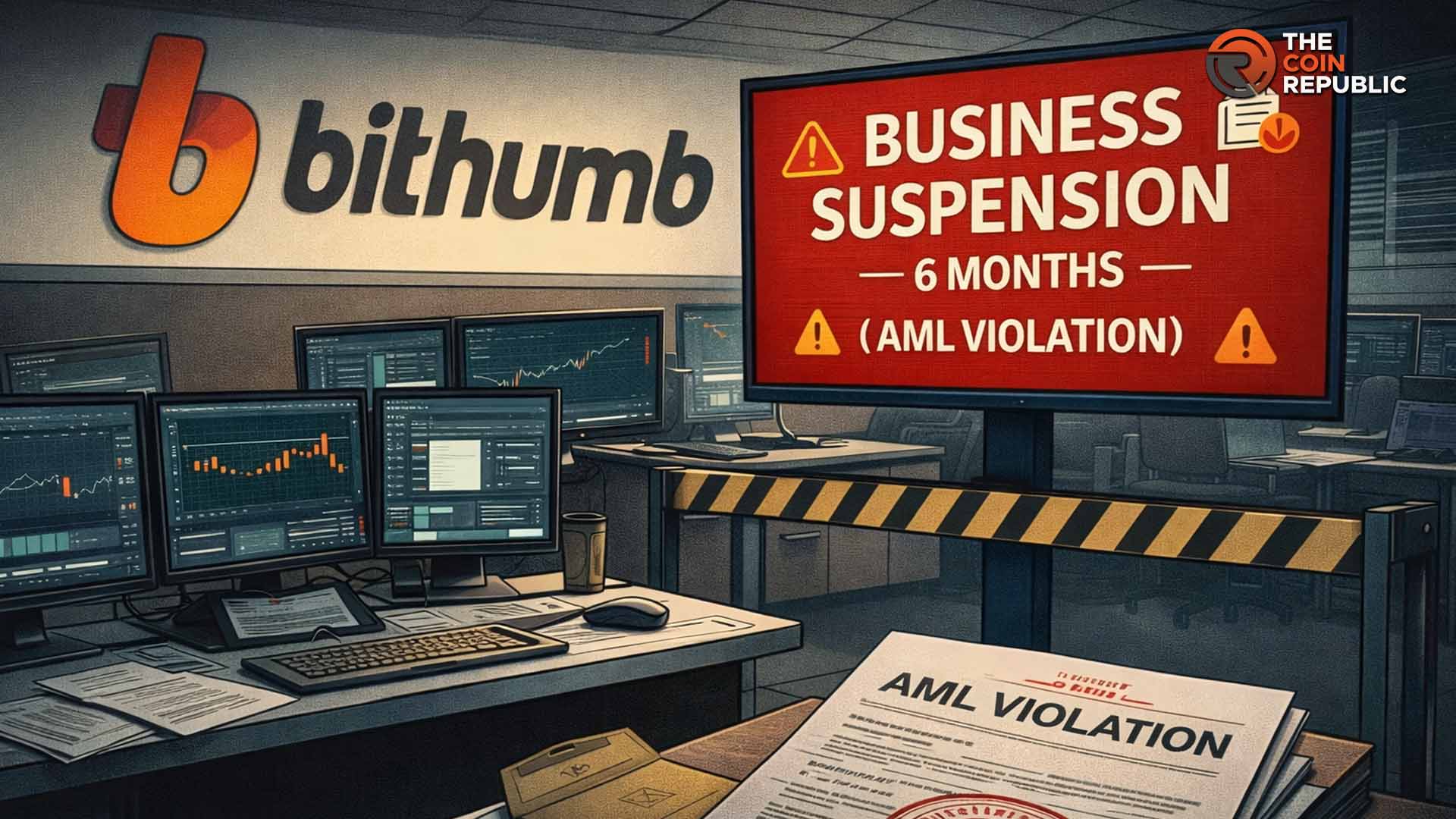
South Korean regulators are intensifying AML and KYC enforcement, signaling a stricter operating environment for domestic crypto exchanges. Bithumb's potential six-month partial business suspension, primarily affecting new user withdrawals, highlights the direct impact of regulatory compliance failures on exchange operations. The ongoing scrutiny of Bithumb, Coinone, and GOPAX indicates a broader trend of regulatory review across major South Korean crypto platforms, potentially impacting market liquidity and user confidence.
Signal context only. Validate with price action, liquidity, and risk limits before taking a position.
