
Navigating Crypto News

CoinFeather
Navigating Crypto News
Source, catalyst, and sector overlap from the latest feed.
Veteran trader Peter Brandt disputes the validity of the 'cup and handle' pattern for Bitcoin, directly challenging the $500,000 price prediction based on this technical analysis. Brandt's rejection of the pattern, drawing parallels to gold's successful rally, suggests that market participants relying on this specific technical setup for Bitcoin may be misinterpreting chart structures. The commentary highlights the importance of rigorous technical analysis and warns against applying patterns across different asset classes without proper validation, potentially tempering speculative optimism.
Live Feed
Loading the broader stream in the same flow as the homepage feed.

BlockDAG's current trading performance on CoinStore, including its top 100 ranking and strong initial staking metrics, demonstrates significant pre-existing demand that could be amplified by future Tier 1 US exchange listings. The anticipated Tier 1 US exchange listings represent a critical catalyst for BlockDAG, expected to unlock access to a larger trader base, attract institutional capital, and significantly increase market visibility and liquidity. The project's price targets of $0.20, $0.40, and $0.50 are explicitly linked to staged exchange listing events, suggesting a structured rollout plan that traders can follow for potential entry and exit points. While current trading on CoinStore shows promise, the core value proposition and potential for a 100x surge are contingent on the successful execution of upcoming Tier 1 US exchange listings, making this the primary event to monitor.
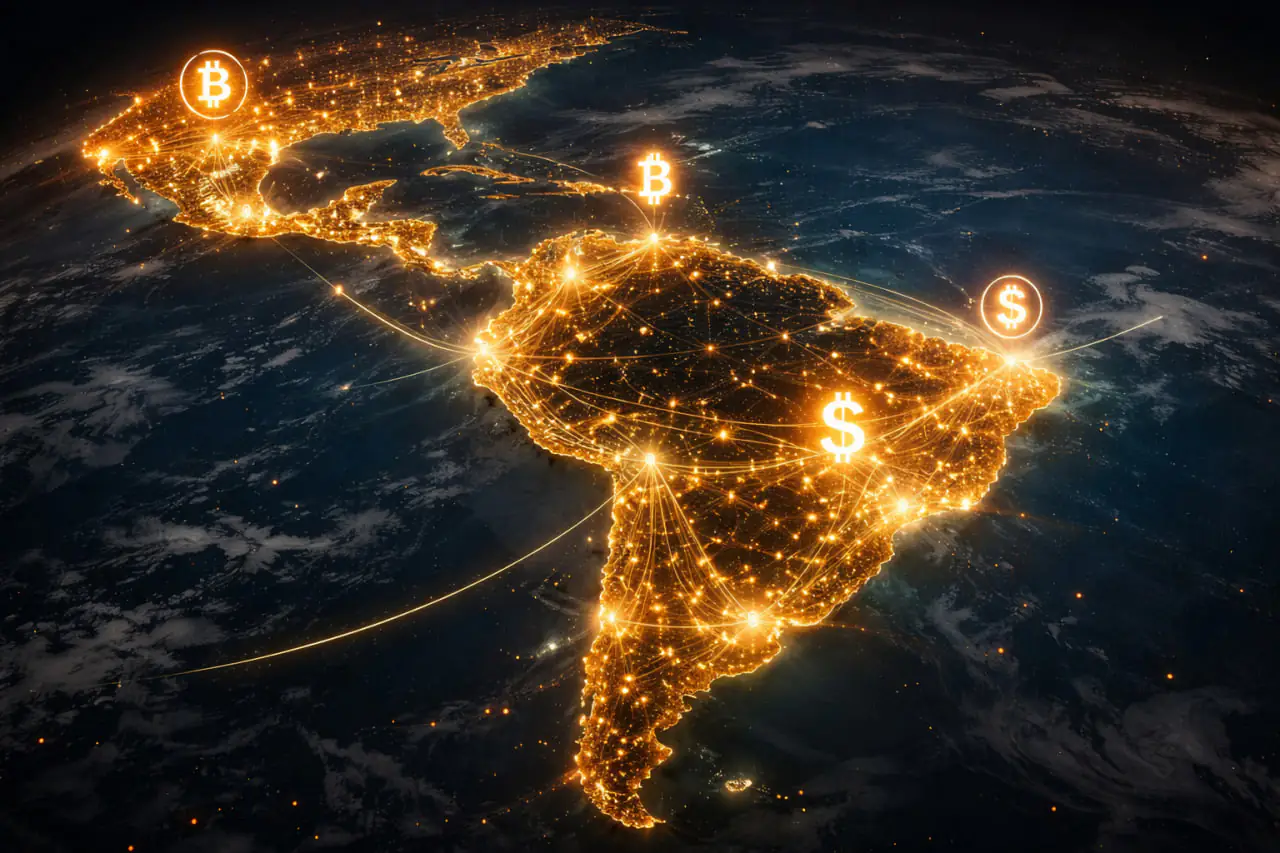
Latin America's crypto market surged to $730 billion in 2025, driven by stablecoin adoption for payments and inflation hedging, indicating a shift from speculative use to functional financial infrastructure. Brazil and Argentina lead regional adoption, with Brazil showing significant institutional growth and Peru exhibiting the fastest per capita user expansion, highlighting diverse market dynamics. Upcoming VASP licensing and AML reporting regulations in 2026 across Brazil, Argentina, and Mexico will test the market's resilience and could impact major exchanges like Binance, which handles over 50% of regional activity.
CZ's prediction of a Bitcoin super cycle, driven by institutional adoption and regulatory clarity, suggests a potential shift away from traditional four-year cycles, favoring utility-focused projects. The article highlights Pepeto's presale as a direct beneficiary of CZ's super cycle thesis, emphasizing its exchange infrastructure development as key to capturing institutional capital flows. With $7.5M raised and a focus on exchange tools, Pepeto is positioned to capitalize on the predicted influx of tokenized assets, aiming for significant returns upon its listing.
Kazakhstan's $350 million allocation to crypto infrastructure signals sovereign validation of the sector, potentially driving demand for related projects like exchange infrastructure providers. The article promotes Pepeto as a significant opportunity, highlighting its $7.8M presale raise during a period of market fear and its focus on exchange infrastructure, drawing parallels to past successful meme coins. Despite a general altcoin downturn, the article suggests a potential crypto market explosion driven by institutional interest and specific project developments, positioning Pepeto as a key beneficiary.

A prolonged U.S.-Iran conflict could drive increased government deficit spending, potentially devaluing fiat currencies and creating a favorable macro environment for Bitcoin as a non-sovereign asset. The potential for lower interest rates, driven by the need to finance increased debt and maintain Treasury market stability, combined with rising debt levels, historically supports Bitcoin's performance, suggesting a bullish macro outlook. While a war-driven surge in oil prices could introduce stagflationary risks, the strategist argues that even such an environment may benefit Bitcoin as policymakers prioritize financial stability over inflation control.
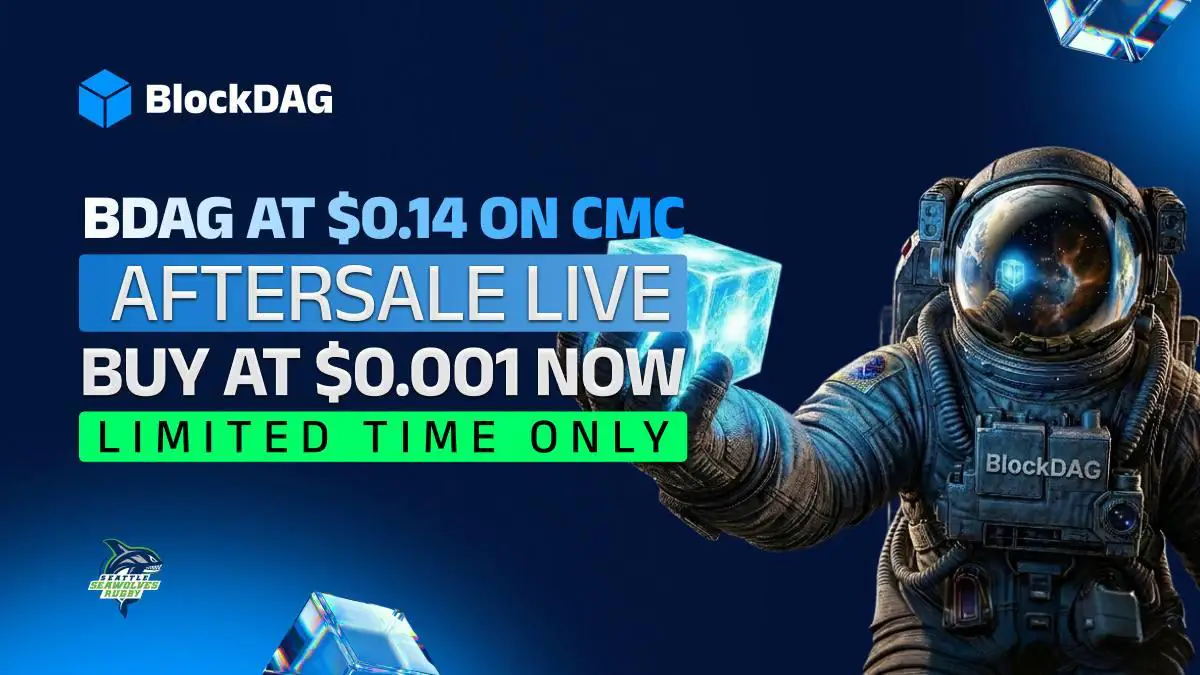
Dogecoin's multi-year bullish pennant suggests potential for a 10x rally if resistance is broken, indicating a long-term accumulation play for patient investors. Ethereum faces short-term bearish pressure below key levels despite increased trading volume, suggesting a cautious outlook until selling pressure subsides. BlockDAG's aftersale offers a unique 140x entry potential at $0.001 against a $0.14 listing price, presenting a speculative opportunity for traders seeking high-risk, high-reward plays before its official market debut. The market exhibits a bifurcated sentiment, with established assets like DOGE and ETH showing mixed signals while new projects like BlockDAG aim to capture speculative capital through aggressive pricing strategies.

Bitcoin's resilience above $65,000 amid traditional market volatility suggests potential defensive capital inflow, as traders seek alternatives to oil-sensitive assets. The pullback in crude oil prices from $120 to $95 has eased pressure on risk assets, contributing to the recovery in Bitcoin and Ether prices. Circle's USDC adoption for insurance payments highlights growing utility for stablecoins in traditional finance, potentially boosting confidence in the asset class. While short-term bounces are expected in traditional markets, persistent weakness suggests a cautious outlook for broader risk assets, with Bitcoin's ability to hold above $70,000 being a key indicator.

Hyperliquid's record $720M weekend volume highlights increasing demand for on-chain macro trading, driven by commodity volatility. The surge in oil and silver-linked trades on Hyperliquid indicates a growing intersection between traditional market events and decentralized derivatives platforms. Despite record trading volumes, the HYPE token price remains significantly below its peak, suggesting a decoupling between platform activity and native token valuation. Geopolitical tensions and commodity price shocks are emerging as significant catalysts for on-chain derivatives trading, potentially attracting new capital flows into the DeFi space.
Amina's integration as the first regulated bank participant on the EU's 21X DLT pilot platform signifies a crucial step in bridging traditional finance with tokenized securities markets. This development addresses interoperability concerns, a key barrier to institutional tokenization adoption, by connecting regulated banks with blockchain-based issuance and trading venues. While the EU's DLT pilot regime aims to foster innovation, its current limitations and Amina's participation will be closely watched to determine if it can accelerate scaling and competitiveness against other jurisdictions. The increasing involvement of traditional financial institutions in tokenized real-world assets, exemplified by Amina's move, suggests a growing trend towards integrating digital asset infrastructure with established capital markets.
Ethereum's derivatives market is showing signs of a structural reset, with Binance's 30-day average open interest hitting its lowest point since May 2025, indicating a cooling off of leverage and speculation. The decline in open interest suggests traders are reducing exposure and adopting more cautious strategies, potentially clearing out excessive leverage and creating conditions for more organic price movements. This stabilization in the derivatives environment, characterized by reduced leverage, could set the stage for a new cycle of activity and potentially influence future price action for ETH.
Digital asset funds saw significant net inflows of $619 million last week, primarily driven by Bitcoin and Ethereum, indicating sustained institutional interest despite macro headwinds. Solana (SOL) is holding a critical $81 support level, with analysts suggesting a reclaim of the $87 zone is necessary for bulls to regain momentum and target a potential move towards $100. Despite overall inflows, XRP experienced $30.3 million in outflows, highlighting divergent investor sentiment within the altcoin market. Geopolitical tensions and rising oil prices contributed to a late-week risk-off sentiment, leading to outflows on Thursday and Friday after substantial early-week inflows.
Signal context only. Validate with price action, liquidity, and risk limits before taking a position.
Quick market read from this story
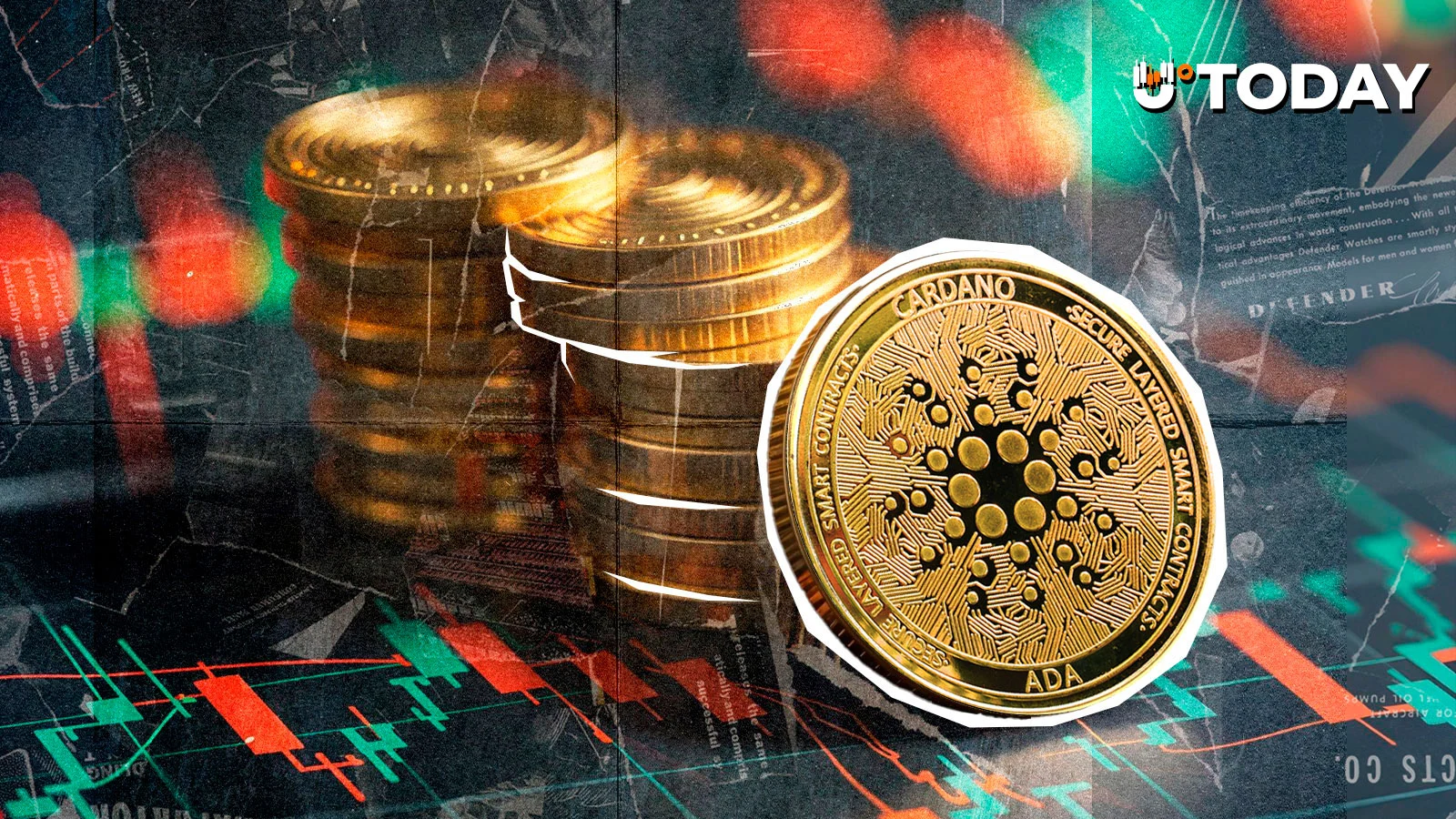
Cardano's introduction of programmable tokens via CIP-0113 enables enhanced control for asset issuers, including KYC/AML compliance and asset freezing, positioning it for regulated DeFi and RWA tokenization.
The new standard allows for modular logic integration into tokens, facilitating specialized use cases for securities, real estate, and stablecoins without core network changes.
This development signals Cardano's strategic move into the regulated DeFi space, aiming to attract institutional interest and capture market share in tokenized assets.
While a live preview is available, a professional security audit is pending, indicating that full mainnet deployment and broader adoption will require further validation.
Deep Dive
The Cardano Foundation has announced a significant milestone with the release of a programmable token platform based on the new CIP-0113 standard. This development aims to position Cardano as a leading platform for the tokenization of real-world assets such as stocks, real estate, and bonds, as well as for the creation of regulated stablecoins.
Previously, Cardano tokens were native assets offering speed and security but lacked issuer control. The CIP-0113 standard introduces 'smart objects' with built-in rule frameworks, granting issuers greater control. Key capabilities include embedding modular logic directly into tokens, enabling KYC and AML compliance through automatic sanctions list verification, and implementing access management for transactions between verified wallets.
Furthermore, the standard allows for enforced actions such as freezing assets by court order or restoring access for lost keys. The system's modular design supports various rule sets for different asset types like securities or real estate without altering the core network.
A live preview platform connected to the test network has been launched, serving as a risk-free sandbox environment. The next phases involve a professional security audit to ensure smart contract verification for mainnet use and the development of specialized substandards for regulated financial instruments like securities.
This initiative represents Cardano's strategic move to capture the growing market for regulated Decentralized Finance (DeFi).
A significant withdrawal of $28.4 million in DOGE from Kraken to an unknown wallet suggests potential accumulation by large holders at current price levels. The timing of this whale activity ahead of the US CPI report implies a strategic move to position for potential volatility and price action post-announcement. Reduced exchange supply from this large withdrawal could decrease immediate selling pressure, making DOGE more susceptible to upward price movements if macroeconomic data is favorable.
