
Navigating Crypto News

CoinFeather
Navigating Crypto News

Quick market read from this story
Binance's lawsuit against the Wall Street Journal, while a familiar tactic, is now being interpreted by the market as a sign of increased confidence due to a perceived friendlier US regulatory and political climate.
The shift in market perception suggests that negative press for Binance may carry less weight and trigger a smaller 'fear premium' compared to previous cycles, potentially impacting competitor positioning.
While a friendlier political backdrop is noted, ongoing legal challenges and scrutiny, particularly regarding Iran sanctions, indicate that Binance still faces significant legal vulnerabilities, creating a divergence in potential market interpretations.
The market is evaluating whether Binance's aggressive legal stance reflects genuine confidence stemming from a reduced regulatory overhang or an overestimation of its insulation from enforcement risks.
Deep Dive
Binance has filed a lawsuit against The Wall Street Journal and Dow Jones, alleging false and defamatory claims in a February 23 report concerning approximately $1 billion in transfers allegedly linked to Iran-backed groups. This legal action, filed on March 11, marks a continuation of Binance's history of challenging media coverage it deems hostile, a tactic previously employed against Forbes and Bloomberg's Hong Kong publisher.
While suing media outlets is not new for Binance, the current legal challenge is occurring against a significantly different backdrop. Previous instances, in 2020 and 2022, occurred during a period of heightened regulatory danger. However, the current lawsuit follows a period of perceived softer US enforcement, including the SEC's dismissal of its civil case against Binance with prejudice, reported involvement of Trump-linked World Liberty's USD1 in MGX's $2 billion investment in Binance, and a pardon for Binance founder Changpeng Zhao (CZ) by former President Donald Trump.
Despite the potentially friendlier US political climate, Binance continues to face scrutiny. In February 2026, Senator Richard Blumenthal initiated an inquiry into alleged sanctions exposure related to Iran and Russia. Furthermore, a federal judge in late February 2026 denied Binance's attempt to move certain customer-loss claims into arbitration. Although Binance and CZ secured the dismissal of a lawsuit by victims of 64 attacks on March 6, the judge permitted the plaintiffs to amend their complaint, indicating that legal vulnerabilities persist.
The timeline of events highlights this evolving risk landscape: Binance and the SEC jointly requested a pause in legal proceedings in February 2025, leading to the SEC's dismissal of the case in May 2025. That same month, USD1 was reportedly used in MGX's $2 billion Binance investment, and in October 2025, CZ received a pardon. The lawsuit against the WSJ now follows this sequence.
The market's interpretation of damaging headlines about Binance may be shifting. For years, such news was often seen as a precursor to regulatory action. However, with a potentially less hostile US regulatory environment, these headlines might trigger less fear. This change is significant for competitor positioning and how the market prices Binance's legal challenges. Binance's decision to escalate to open legal combat, rather than playing defense, suggests a belief that the downside of fighting back is now lower.
Binance's business strength remains substantial. According to CoinGecko, the exchange held 38.3% of total spot volume in December 2025 and 39.2% for the full year 2025. As of February 2026, Binance served approximately 300 million users and held around $44 billion in Bitcoin in customer wallets.
The bull case suggests that the market increasingly believes the old US crackdown template is no longer as effective against Binance, making the WSJ lawsuit a sign of confidence. The bear case posits that investors are underestimating Binance's remaining legal vulnerabilities, such as the Iran-related controversy and ongoing litigation. A black swan scenario involves a formal US sanctions or national security action stemming from the Iran-related reporting, which would drastically alter the risk assessment.
The core investor question is whether the market's perception of Binance's risk has fundamentally changed. If damaging headlines no longer signal imminent regulatory blows, their panic-inducing power diminishes, potentially shrinking Binance's "enforcement discount" and impacting competitors who benefited from past "Binance fear." The market's reading of Binance's lawsuit against the press, viewed through the lens of a potentially more favorable US policy backdrop, is the key development to watch.
Source, catalyst, and sector overlap from the latest feed.
A significant $50 million loss occurred on Aave due to a user overriding a slippage warning, highlighting critical UX flaws in DeFi interfaces for large transactions. The incident resulted in substantial profits for MEV bots and block builders on Ethereum, demonstrating the ongoing extraction of value from user errors within the ecosystem. While Aave and CoW Protocol refunded fees, the event underscores the need for improved safeguards and clearer warnings to prevent catastrophic user errors in high-value DeFi trades. The potential identification of the trader as a known figure like Garrett Jin adds a layer of scrutiny to large-scale DeFi operations and risk management practices.
The escalating physical coercion incidents in France targeting crypto holders, including kidnappings and home invasions, highlight a critical shift from cybersecurity threats to personal security risks for digital asset owners. This trend forces a re-evaluation of self-custody's security model, as hardware wallets and private key protection are insufficient against real-world violence and extortion. The French government's response, offering emergency police services and security briefings, underscores the severity and systemic nature of this evolving criminal phenomenon, impacting the perception of France as a crypto-friendly jurisdiction. The increasing targeting of private individuals, not just industry insiders, suggests a broader operational security challenge for all crypto holders, necessitating adaptations like multisig, key separation, and lower public profiles.
The Federal Reserve's upcoming vote on a revised Basel capital proposal is a critical determinant for how banks will integrate Bitcoin into their balance sheets, potentially shifting the focus from legal permission to economic feasibility. A more favorable capital treatment for Bitcoin exposures could unlock significant bank-led custody, financing, and market-making services, thereby increasing Bitcoin's bankability and potentially its price stability. Conversely, a punitive capital framework would reinforce Bitcoin's status as a balance sheet hazard for large banks, limiting institutional adoption and keeping it on the periphery of the regulated financial system. The outcome of this regulatory review is poised to significantly influence the near-term trajectory of institutional Bitcoin adoption and its integration into traditional finance.
BlackRock's launch of the Staked Ethereum Trust ETF (ETHB) reframes Ethereum from a complex tech bet to a yield-bearing asset, potentially attracting traditional investors seeking income and broadening its appeal beyond pure crypto speculation. The ETHB product simplifies Ethereum's narrative for mainstream investors by emphasizing monthly income potential and brokerage account accessibility, directly addressing previous investor complaints about unstaked Ether lacking yield. While Grayscale previously offered staking rewards in its ETPs, BlackRock's involvement signifies mainstream ratification and leverages its vast distribution network, potentially shifting capital allocation towards ETH as a hybrid growth and yield asset. The success of ETHB hinges on whether the yield proposition outweighs ETH's inherent volatility and staking risks, with a potential 'black swan' scenario involving operational, liquidity, or regulatory issues impacting high-visibility products.
Bitcoin has demonstrated resilience by outperforming gold, silver, and major US equity indexes since the escalation of geopolitical tensions in Iran, indicating its growing role as a macro hedge despite traditional headwinds. The recent price surge and recovery, supported by significant spot Bitcoin ETF inflows and a reset of leveraged positions after an initial sell-off, suggest underlying demand is absorbing volatility in a more institutionalized market. Despite the rebound, market sentiment remains cautiously bearish with analysts pointing to a broader bear market context, negative funding rates, and whales reducing long positions, suggesting potential for short squeezes but also continued overhead resistance. Near-term price action for Bitcoin is likely to be dictated by its ability to break through significant sell walls and liquidity zones around $72,000-$74,000, with support levels identified between $70,500-$71,000 and deeper liquidity around $69,000.
The US Court of Appeals has definitively rejected Custodia Bank's bid for a master account, signaling a significant hurdle for crypto-focused banks seeking direct access to Federal Reserve payment systems. This ruling reinforces the Federal Reserve's discretion in granting master accounts, potentially limiting future applications from similar institutions and impacting their operational capabilities. While Custodia faces a setback, Kraken's recent acquisition of a master account suggests a bifurcated approach by regulators, potentially offering limited access to select crypto firms.
Custodia's legal defeat against the Federal Reserve regarding master accounts signals a continued regulatory hurdle for crypto banks seeking direct access to central bank infrastructure. Despite Custodia's loss, the Fed's recent limited master account grant to Kraken and ongoing policy work indicate a potential shift towards regulated crypto firms gaining indirect access to payment rails. The court's decision, while negative for Custodia, highlights the evolving regulatory landscape where direct challenges to the Fed's authority are unlikely to succeed, pushing firms to adapt to new, albeit limited, access pathways. The divergence between Custodia's failed direct approach and Kraken's successful limited account acquisition suggests a bifurcated regulatory strategy by the Fed, favoring established entities or specific operational models.
The Bitcoin Policy Institute is targeting a March-August 2026 window for a de minimis tax exemption for Bitcoin transactions, but warns that legislative bandwidth is shrinking, potentially delaying opportunities for years. Current US tax policy treats Bitcoin spending as a taxable event, hindering its adoption as a medium of exchange, with a de minimis exemption aiming to resolve this by excluding small transactions from capital gains reporting. The urgency for Bitcoin tax legislation is heightened by Senator Lummis's departure in January 2027, suggesting that failure to pass a bill in the upcoming months could significantly postpone any favorable tax treatment.
Circle's stock performance, doubling since February and outperforming major indices, signals strong institutional confidence in stablecoin adoption beyond speculative crypto use cases. The pilot of stablecoin payments for insurance premiums by Aon, alongside Wells Fargo's trademark filing for crypto services, indicates a growing integration of digital assets into traditional finance, potentially driving demand for stablecoins. Canaan's decision to increase its Bitcoin and Ether reserves, contrary to many competitors, suggests a strategic bet on future price appreciation despite current market downturns and post-halving pressures. The expansion of stablecoin use into traditional finance, exemplified by Aon's insurance premium pilot and Wells Fargo's potential crypto services, points to a structural shift that could increase demand for stablecoins like USDC.
Hong Kong's regulatory approval for HSBC and Standard Chartered to issue stablecoins signals a significant step towards mainstream adoption and institutional integration within the region's digital asset ecosystem. The limited issuance of licenses, with 36 firms applying, suggests a stringent regulatory environment that prioritizes established financial institutions, potentially leading to a more stable and compliant stablecoin market. Standard Chartered's plan for an HKD-backed stablecoin, alongside HSBC's active involvement despite not joining the sandbox, indicates a strategic push by major banks to capture market share in the burgeoning digital currency space. The anticipated March 24th approval date for these licenses presents a near-term catalyst that could influence market sentiment and potentially drive demand for regulated stablecoin offerings.
Kraken-linked SPAC, KRAKacquisition, is actively seeking a crypto-native target valued up to $10 billion, signaling potential consolidation and increased institutional interest in the sector. The SPAC's broad search across stablecoins, DeFi, and payments indicates a strategic move to align with areas showing strong Wall Street appeal, potentially bringing new capital and public market access to these segments. With Kraken itself considering an IPO, the SPAC's activity suggests a broader strategy to leverage public markets and potentially integrate acquired entities with the exchange's ecosystem. The mention of Bitcoin as a 'hard asset hedge' in the SPAC's filing highlights a narrative that could influence investor sentiment towards digital assets during periods of economic uncertainty.
Live Feed
Loading the broader stream in the same flow as the homepage feed.
Shiba Inu's technical breakout above the 26 EMA, coupled with increasing volume, signals a potential shift from its recent downtrend, though long-term resistance remains a key hurdle. Ethereum's recovery above the 50 EMA suggests a potential move towards $2,500, driven by improving momentum indicators, but the 200 EMA still presents a significant long-term challenge. XRP is attempting to break through the $1.50 resistance level, which aligns with key moving averages, potentially initiating a trend reversal if sustained, though market volatility poses a risk. The article highlights a broader market recovery across major altcoins, but notes a potential concern with increasing exchange inflows, which could signal future selling pressure.
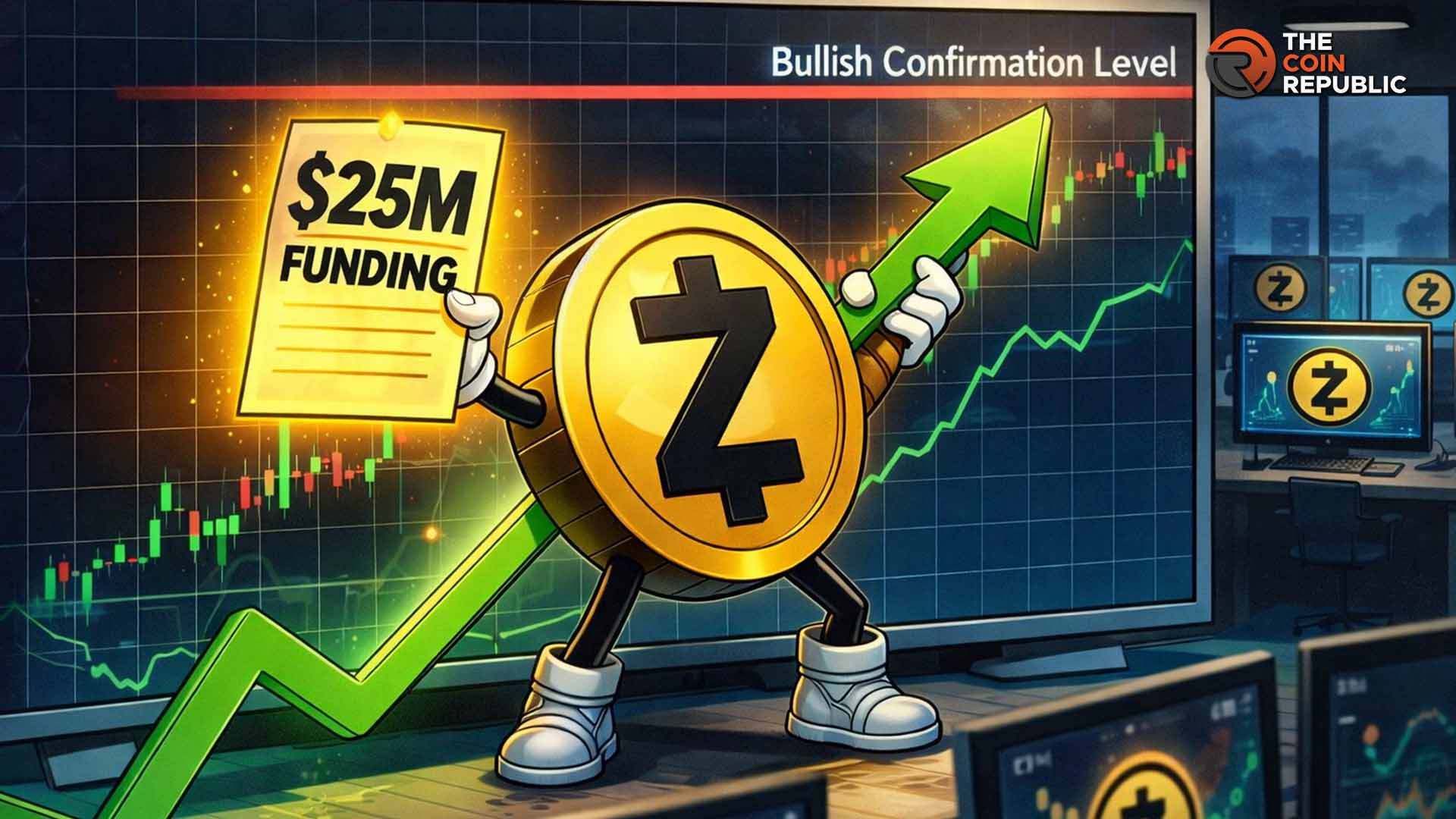
Zcash price experienced a 10% rally driven by a significant $25 million funding round for ZODL, indicating renewed institutional confidence after previous team uncertainties. Accumulation by whales, evidenced by a 182% increase in standard whale holdings and a 19% rise in mega whale holdings alongside exchange outflows, suggests strong conviction prior to the funding news. The immediate price action is contingent on Zcash breaking the $250 resistance level, with a daily close above this mark needed to confirm the bullish divergence and sustained upward momentum.

Despite significant growth in XRP Ledger's network activity, including a surge in daily payments and tokenized asset value, XRP's price has declined year-to-date, indicating a decoupling of utility from market valuation. The analysis suggests that increased XRP Ledger usage, particularly for stablecoin and RWA transactions, may not translate to sustained XRP token demand due to its transient role as a bridge currency, contrasting with traditional DeFi staking or locking mechanisms. While XRP's DeFi Total Value Locked (TVL) remains low relative to its market cap, the substantial growth in tokenized real-world assets and stablecoin volume presents a potential long-term bullish case if this trend continues, though current market cap is driven by speculation. Given the current price action and the identified gap between network usage and token value, the market is likely awaiting clearer signals of sustained XRP demand or a shift in speculative positioning, making a near-term catalyst for significant price appreciation uncertain.

Sharplink reported a significant $734.6 million net loss primarily due to unrealized declines in its substantial Ether holdings, highlighting the direct impact of Ethereum's price volatility on corporate treasuries. Despite substantial paper losses, Sharplink maintained its Ethereum accumulation strategy and reported strong revenue growth from staking and Ether conversions, indicating a focus on long-term treasury productivity over short-term market fluctuations. The company's stock experienced a sharp initial surge upon announcing its Ether treasury strategy, followed by a significant decline, underscoring investor sensitivity to both the strategic shift and subsequent market volatility. Sharplink's continued institutional accumulation of Ether, alongside other large corporate holders like BitMine, suggests a persistent demand driver for Ethereum, contingent on broader market liquidity and price action.
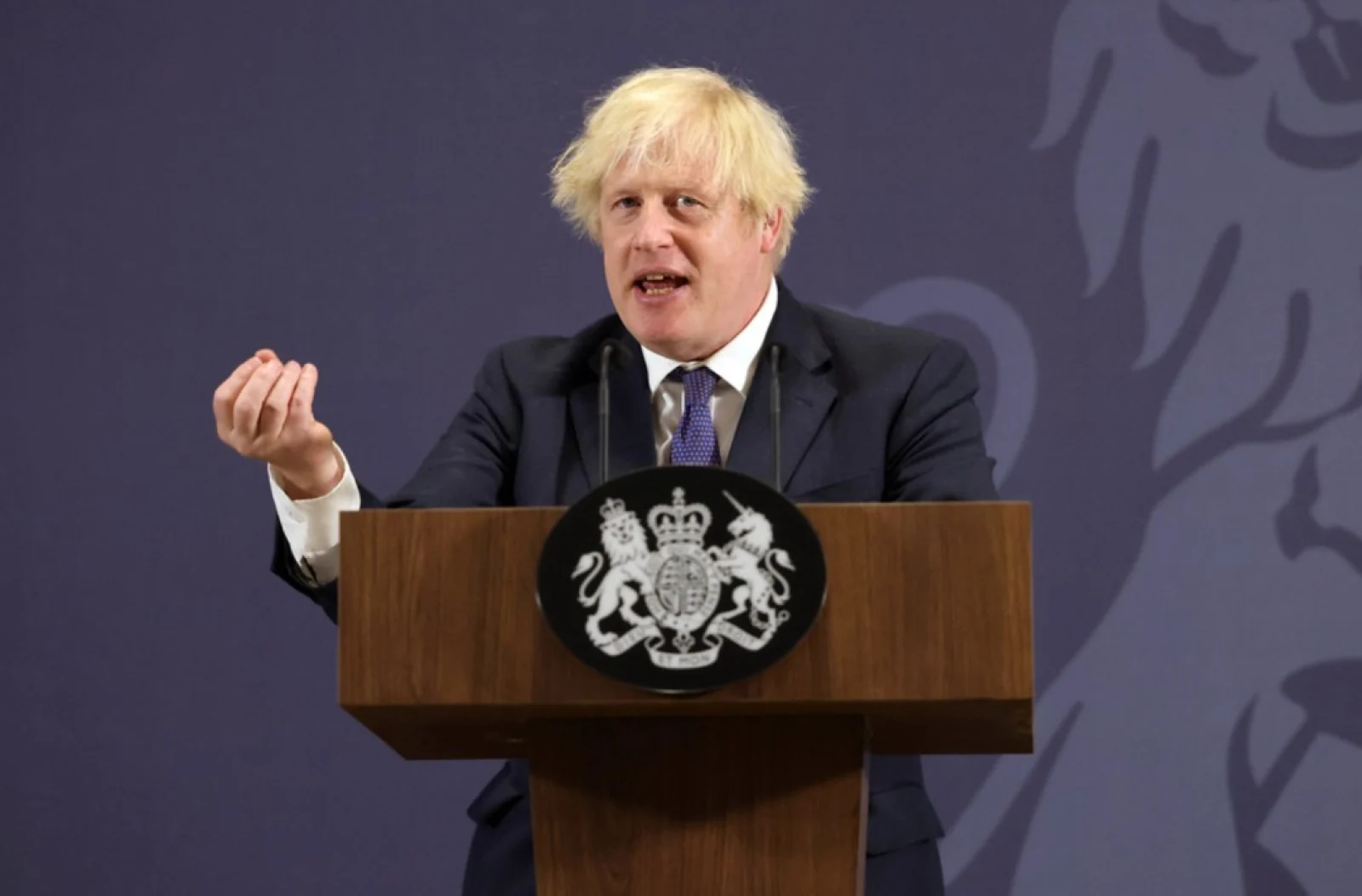
Former UK PM Boris Johnson's strong criticism of Bitcoin as a 'giant Ponzi scheme' highlights ongoing regulatory and public perception challenges for the crypto industry. Johnson's remarks contrast sharply with his own administration's past efforts to position the UK as a crypto hub, suggesting a potential shift in political sentiment or a strategic rhetorical stance. The comparison of Bitcoin unfavorably to Pokémon cards and gold underscores a fundamental disconnect in perceived value and intrinsic backing, which could influence investor sentiment towards assets lacking tangible collateral.

Mizuho's report indicates a significant shift in stablecoin usage, with USDC surpassing USDT in adjusted year-to-date transaction volume, suggesting a potential change in preferred transactional stablecoin. Despite USDC's volume lead, Tether's USDT maintains a dominant market capitalization, highlighting a divergence between transactional utility and overall market value that traders should monitor. The ongoing regulatory debate in the US regarding stablecoin yield and market structure could impact the future growth and adoption of stablecoins like USDC and USDT.
Dogecoin is at a critical technical juncture, with its Exponential Moving Average (EMA) acting as a key resistance level around the $0.10 mark. A decisive break above the EMA could trigger a significant rally, while failure to hold current levels risks a decline towards $0.084, indicating a high-volatility setup. The price action of Dogecoin is heavily influenced by Bitcoin's performance, suggesting that BTC's trajectory will be a primary driver for DOGE's near-term movement. Analysts are presenting both bullish and bearish scenarios, highlighting the uncertainty and the need for traders to monitor the $0.10 level and BTC's trend for directional cues.

On-chain data suggests a significant accumulation zone for ETH near $2,800, indicating potential upside if resistance is broken. Despite on-chain accumulation signals, cautious sentiment in the Ether futures market, evidenced by declining open interest after testing resistance, suggests limited immediate upside momentum. The divergence between on-chain accumulation and futures market caution implies a potential for choppy price action around current levels, with a clear break above resistance needed for sustained rallies. Technical indicators like the 200-day SMA also align with the $2,800 target, but the current derivatives market positioning indicates traders are not aggressively positioning for this move yet.
Shiba Inu's price has surged 11% this week, with technical indicators like Bollinger Bands suggesting a potential further 22% upside to $0.00000760. The current price action for SHIB mirrors a strong bullish period observed in December 2025, indicating potential for continued upward momentum if market conditions remain favorable. Historical data shows the lower Bollinger Band acting as strong support for SHIB, reinforcing the bullish outlook following recent tests of this level.

Circle's USYC token has surpassed BlackRock's BUIDL, becoming the largest tokenized U.S. Treasury fund at $2.2 billion, indicating strong investor demand for on-chain yield and collateral options. The rapid growth of tokenized Treasuries, now exceeding $11 billion, highlights a significant shift towards utilizing these assets for capital efficiency and as a safe haven during market downturns. Binance's integration of USYC as collateral for institutional derivatives on BNB Chain appears to be a key driver of its recent surge, demonstrating a practical, high-volume use case for tokenized RWA. The increasing competition and market share shifts between Circle and BlackRock in the tokenized Treasury space signal a maturing RWA sector with significant growth potential.

The FBI's investigation into malware distributed via Steam games highlights a persistent threat vector targeting gamers, potentially impacting user funds and data security. While the direct impact on specific crypto assets is not detailed, the recurring nature of these attacks on gaming platforms suggests a need for increased vigilance among users holding digital assets linked to gaming ecosystems. The FBI's active pursuit of victims indicates a serious regulatory and law enforcement focus on illicit activities within the gaming and crypto intersection, which could lead to future crackdowns or stricter platform oversight.
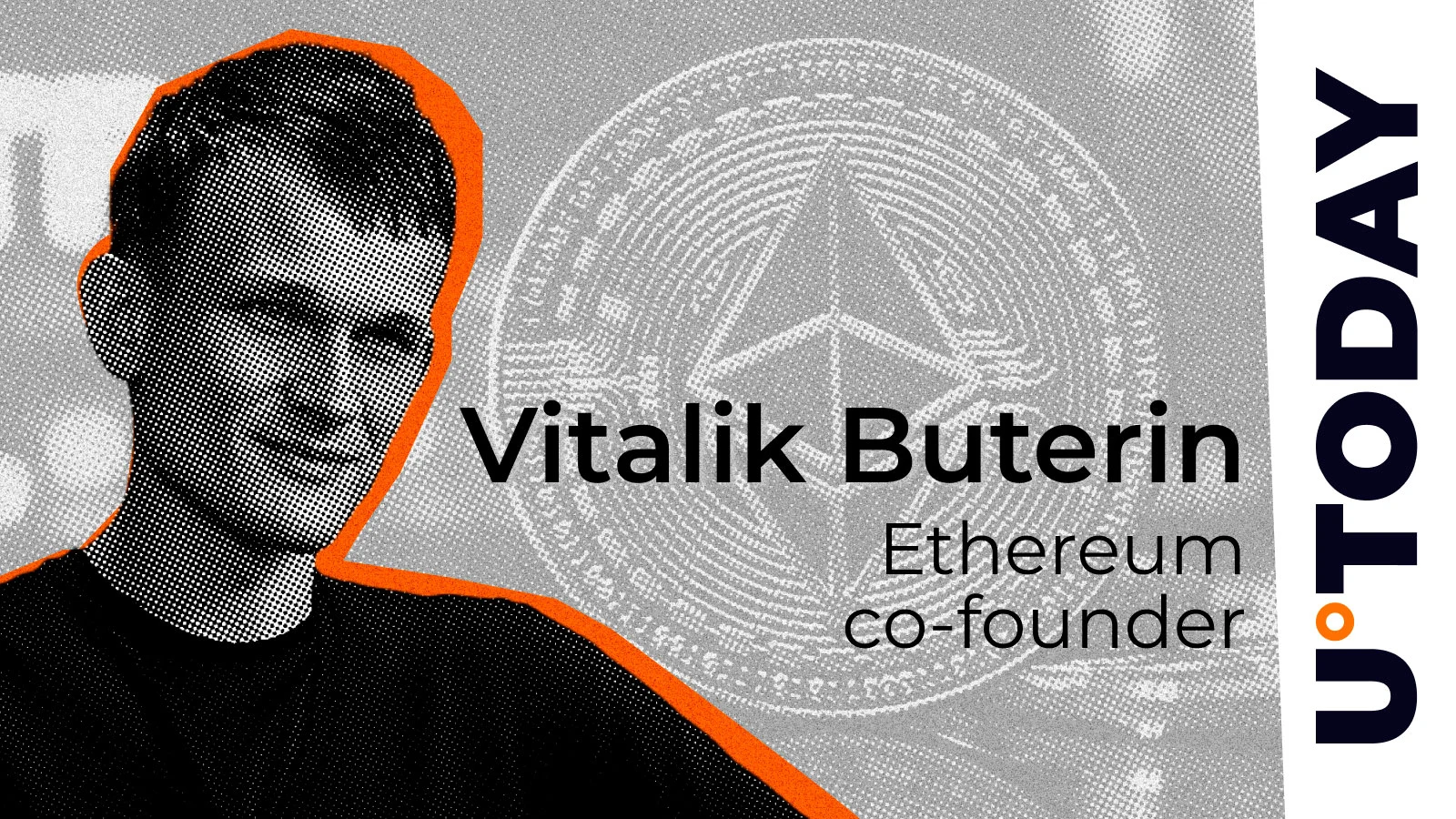
Vitalik Buterin's introduction of the EF Mandate signals a renewed focus on Ethereum's core principles of decentralization, censorship resistance, and security, potentially reinforcing its long-term value proposition against more specialized blockchains. The 'CROPS' framework (censorship resistance, open source, privacy, security) outlined in the mandate provides a clear strategic direction for the Ethereum Foundation, emphasizing foundational strengths over chasing transient trends. By articulating a 'walkaway test' and critiquing blockchains that chase immediate use cases, Buterin positions Ethereum as a defensive, foundational technology, implying a strategic divergence from competitors focused on rapid adaptation.

Bitcoin is approaching new monthly highs, indicating sustained bullish momentum driven by strong weekly returns. Analysts are closely monitoring key price levels that BTC must surpass to maintain its upward trajectory and confirm continued strength. The current market sentiment suggests a positive outlook for Bitcoin, with potential for further price appreciation if critical resistance levels are broken.
Signal context only. Validate with price action, liquidity, and risk limits before taking a position.
