
Navigating Crypto News

CoinFeather
Navigating Crypto News

Quick market read from this story
Despite significant growth in XRP Ledger's network activity, including a surge in daily payments and tokenized asset value, XRP's price has declined year-to-date, indicating a decoupling of utility from market valuation.
The analysis suggests that increased XRP Ledger usage, particularly for stablecoin and RWA transactions, may not translate to sustained XRP token demand due to its transient role as a bridge currency, contrasting with traditional DeFi staking or locking mechanisms.
While XRP's DeFi Total Value Locked (TVL) remains low relative to its market cap, the substantial growth in tokenized real-world assets and stablecoin volume presents a potential long-term bullish case if this trend continues, though current market cap is driven by speculation.
Given the current price action and the identified gap between network usage and token value, the market is likely awaiting clearer signals of sustained XRP demand or a shift in speculative positioning, making a near-term catalyst for significant price appreciation uncertain.
Deep Dive
Despite a significant surge in network activity on the XRP Ledger (XRPL), including daily payments reaching 2.7 million and automated market maker (AMM) pools exploding to 27,000, the value of the XRP token has declined by 26% year-to-date. This disconnect between network usage and token valuation presents a key puzzle for the market.
Recent data from XRPSCAN reveals that daily successful payments on the XRPL have climbed to over 2.7 million, a substantial increase from approximately 1 million in late 2025. The network is consistently processing between 2 and 2.8 million transactions daily, with transaction speeds ranging from 20 to 26 per second.
The ecosystem for AMM pools has also seen explosive growth, now featuring nearly 27,000 active pools that support over 16,000 unique tokens. Furthermore, the value of tokenized real-world assets on the ledger has risen by 35% in the past 30 days, reaching $461 million, according to RWA.xyz. Stablecoin transfer volume over the same period reached $1.19 billion.
XRP is currently trading at $1.37, marking a 26% decrease year-to-date and standing 62% below its late-2025 peak of $3.65. This performance challenges the conventional crypto thesis where increased network activity typically drives token value through higher demand. While metrics for XRP suggest robust utility, its price action has diverged from this pattern.
Analysts suggest a structural reason for this divergence: the growing activity on XRPL is increasingly fueled by Ripple's stablecoin, RLUSD, and tokenized assets. While these utilize XRP as a bridge currency for settlement, they may not create the sustained demand typically associated with assets locked in DeFi protocols or staked over extended periods. This results in increased network activity without a corresponding increase in token scarcity.
The limited scale of XRPL's decentralized finance (DeFi) sector further highlights this. With a total value locked (TVL) of $47.54 million, as reported by DeFiLlama, XRPL's DeFi ecosystem is a small fraction compared to its $84 billion market cap. This contrasts sharply with platforms like Solana, which holds around $4 billion in TVL, and Ethereum, with over $40 billion. XRP's market capitalization appears to be driven more by speculative positioning and expectations, such as potential ETF approvals, rather than capital deeply integrated into on-chain productive activities.
Daily trading volume on XRPL's native decentralized exchange (DEX) averages between $4 million and $8 million, which is modest for a Layer 1 blockchain, especially one ranked fifth by market capitalization. Although the 27,000 AMM pools represent significant liquidity, the total dollar value remains relatively low compared to XRP's overall market scale.
The tokenization of real-world assets (RWAs) presents a more positive outlook for XRPL. With $461 million in distributed asset value and $1.5 billion in represented asset value, XRPL is demonstrating strength in specific tokenization categories, outperforming several larger blockchains. The stablecoin market cap on the ledger stands at $339 million, held by 35,800 users. The significant 30-day RWA transfer volume of $149 million, an increase of over 1,300%, suggests genuine institutional engagement.
Historically, March has seen an average return of 18% for XRP. The current support zone between $1.27 and $1.30 has proven resilient. Should macroeconomic conditions stabilize and geopolitical tensions ease, a potential relief rally to $1.60 or higher is considered plausible.
Source, catalyst, and sector overlap from the latest feed.
Custodia's legal defeat against the Federal Reserve regarding master accounts signals a continued regulatory hurdle for crypto banks seeking direct access to central bank infrastructure. Despite Custodia's loss, the Fed's recent limited master account grant to Kraken and ongoing policy work indicate a potential shift towards regulated crypto firms gaining indirect access to payment rails. The court's decision, while negative for Custodia, highlights the evolving regulatory landscape where direct challenges to the Fed's authority are unlikely to succeed, pushing firms to adapt to new, albeit limited, access pathways. The divergence between Custodia's failed direct approach and Kraken's successful limited account acquisition suggests a bifurcated regulatory strategy by the Fed, favoring established entities or specific operational models.
Circle's USYC token has surpassed BlackRock's BUIDL, becoming the largest tokenized U.S. Treasury fund at $2.2 billion, indicating strong investor demand for on-chain yield and collateral options. The rapid growth of tokenized Treasuries, now exceeding $11 billion, highlights a significant shift towards utilizing these assets for capital efficiency and as a safe haven during market downturns. Binance's integration of USYC as collateral for institutional derivatives on BNB Chain appears to be a key driver of its recent surge, demonstrating a practical, high-volume use case for tokenized RWA. The increasing competition and market share shifts between Circle and BlackRock in the tokenized Treasury space signal a maturing RWA sector with significant growth potential.
Arthur Hayes highlights Hyperliquid's strong revenue and genuine trading activity as key differentiators, suggesting a potential $150 price target for HYPE based on its disciplined tokenomics and expanding market access. Hyperliquid's ability to offer 24/7 trading on non-traditional assets like oil and equity indices with high leverage presents a unique value proposition, attracting traders seeking alternatives to traditional markets. Hayes's bullish stance on HYPE is contingent on sustained revenue and continued team token supply restraint, with a sharp rise in P/E ratio or increased competition posing potential risks to the thesis. Beyond Hyperliquid, Hayes identifies Zcash as a privacy-focused narrative with potential upside due to increasing concerns over blockchain surveillance and AI analysis.
Geopolitical tensions in the Middle East have triggered a sharp, albeit potentially short-lived, pullback in Bitcoin and other risk assets, demonstrating crypto's sensitivity to global macro events. Despite the intraday dip, Bitcoin remains in a net gain for the 24-hour period, suggesting underlying bullish momentum may persist if geopolitical concerns do not escalate further. The market's reaction highlights the correlation between crypto and traditional risk assets, with gold's pullback and oil's rise indicating a flight to safety that temporarily sidelined crypto investors.
A dormant whale's $7 million investment in TRUMP tokens, triggered by a Mar-a-Lago gala announcement, demonstrates speculative interest in politically-linked memecoins. The TRUMP token experienced a 60% rally following the gala news, highlighting the sensitivity of memecoins to event-driven narratives and influencer activity. Despite the recent surge, TRUMP remains significantly down from its all-time high, indicating high volatility and speculative risk associated with the asset.
Bitcoin's reclaim of the $70,000 level is primarily driven by a shift in geopolitical sentiment, suggesting that macro-economic stability is a key driver for near-term price action. Improved social sentiment and institutional buying provide a foundation for the current rebound, indicating a potential shift from fear to cautious optimism among market participants. While current price action is positive, the outlook remains sensitive to geopolitical developments and key resistance levels around $80,000, suggesting a need for continued monitoring. The narrative around regulatory clarity, specifically the Clarity Act and stablecoin frameworks, is contributing to a more stable outlook, reinforcing investor confidence.
Veteran investor Stanley Druckenmiller predicts stablecoins could dominate global payments within 10-15 years, citing their efficiency, speed, and cost advantages over traditional systems. Druckenmiller's outlook suggests a significant potential shift in financial infrastructure, favoring blockchain-based payment solutions over current fiat systems. Despite his positive view on stablecoins for payments, Druckenmiller remains skeptical of cryptocurrencies like Bitcoin as a store of value, highlighting a divergence in perceived utility within the digital asset space. The commentary from a high-profile investor like Druckenmiller could influence institutional sentiment and adoption of stablecoins for payment use cases.
Despite Bitcoin's recent price surge above $73,000 driven by macroeconomic concerns and geopolitical tensions, its strong correlation with tech stocks and reactive ETF flows suggest the ongoing correction may not be over. Weak US economic data and rising oil prices are creating a risk-off environment, pushing some investors towards scarce assets like Bitcoin, but also potentially limiting retail capital available for crypto investments due to inflationary pressures. Spot Bitcoin ETF flows appear to be reacting to price movements rather than leading them, as evidenced by the recent rally followed by a price slip when inflows reversed, indicating that ETF activity may not be a primary driver of sustained upward momentum. While Bitcoin has shown resilience by holding the $70,000 level and testing support, its 50-day correlation with the Nasdaq at 84% and underperformance relative to gold suggest that a definitive end to the bear market is not yet confirmed.
The DOJ's decision to retry Roman Storm on money laundering and sanctions charges following a hung jury highlights the ongoing legal scrutiny of crypto mixers and developer liability. The retrial, expected in fall 2026, will focus on key charges, potentially impacting the broader narrative around privacy tools and open-source code in the crypto space. Despite a conviction on operating an unlicensed money transmitting business, the jury's inability to reach a verdict on other charges suggests a complex legal battle ahead, creating uncertainty for Tornado Cash and its ecosystem.
Shiba Inu's technical breakout above the 26 EMA, coupled with increasing volume, signals a potential shift from its recent downtrend, though long-term resistance remains a key hurdle. Ethereum's recovery above the 50 EMA suggests a potential move towards $2,500, driven by improving momentum indicators, but the 200 EMA still presents a significant long-term challenge. XRP is attempting to break through the $1.50 resistance level, which aligns with key moving averages, potentially initiating a trend reversal if sustained, though market volatility poses a risk. The article highlights a broader market recovery across major altcoins, but notes a potential concern with increasing exchange inflows, which could signal future selling pressure.
Live Feed
Loading the broader stream in the same flow as the homepage feed.
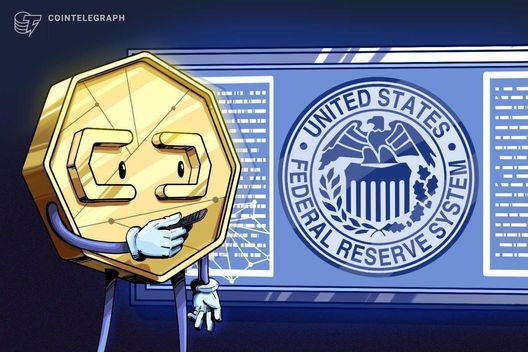
The US Court of Appeals has definitively rejected Custodia Bank's bid for a master account, signaling a significant hurdle for crypto-focused banks seeking direct access to Federal Reserve payment systems. This ruling reinforces the Federal Reserve's discretion in granting master accounts, potentially limiting future applications from similar institutions and impacting their operational capabilities. While Custodia faces a setback, Kraken's recent acquisition of a master account suggests a bifurcated approach by regulators, potentially offering limited access to select crypto firms.
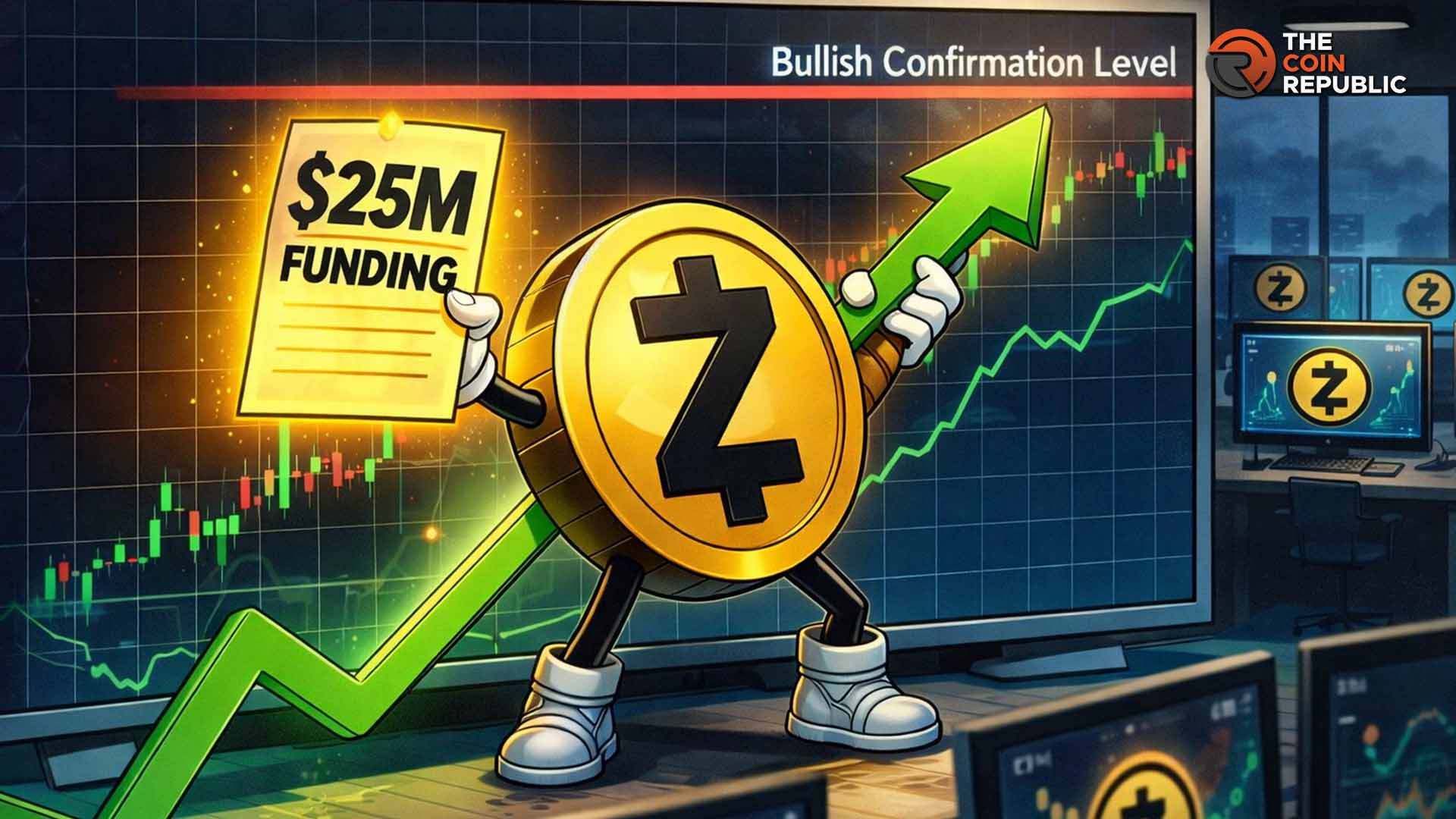
Zcash price experienced a 10% rally driven by a significant $25 million funding round for ZODL, indicating renewed institutional confidence after previous team uncertainties. Accumulation by whales, evidenced by a 182% increase in standard whale holdings and a 19% rise in mega whale holdings alongside exchange outflows, suggests strong conviction prior to the funding news. The immediate price action is contingent on Zcash breaking the $250 resistance level, with a daily close above this mark needed to confirm the bullish divergence and sustained upward momentum.

Sharplink reported a significant $734.6 million net loss primarily due to unrealized declines in its substantial Ether holdings, highlighting the direct impact of Ethereum's price volatility on corporate treasuries. Despite substantial paper losses, Sharplink maintained its Ethereum accumulation strategy and reported strong revenue growth from staking and Ether conversions, indicating a focus on long-term treasury productivity over short-term market fluctuations. The company's stock experienced a sharp initial surge upon announcing its Ether treasury strategy, followed by a significant decline, underscoring investor sensitivity to both the strategic shift and subsequent market volatility. Sharplink's continued institutional accumulation of Ether, alongside other large corporate holders like BitMine, suggests a persistent demand driver for Ethereum, contingent on broader market liquidity and price action.

Binance's lawsuit against the Wall Street Journal, while a familiar tactic, is now being interpreted by the market as a sign of increased confidence due to a perceived friendlier US regulatory and political climate. The shift in market perception suggests that negative press for Binance may carry less weight and trigger a smaller 'fear premium' compared to previous cycles, potentially impacting competitor positioning. While a friendlier political backdrop is noted, ongoing legal challenges and scrutiny, particularly regarding Iran sanctions, indicate that Binance still faces significant legal vulnerabilities, creating a divergence in potential market interpretations. The market is evaluating whether Binance's aggressive legal stance reflects genuine confidence stemming from a reduced regulatory overhang or an overestimation of its insulation from enforcement risks.
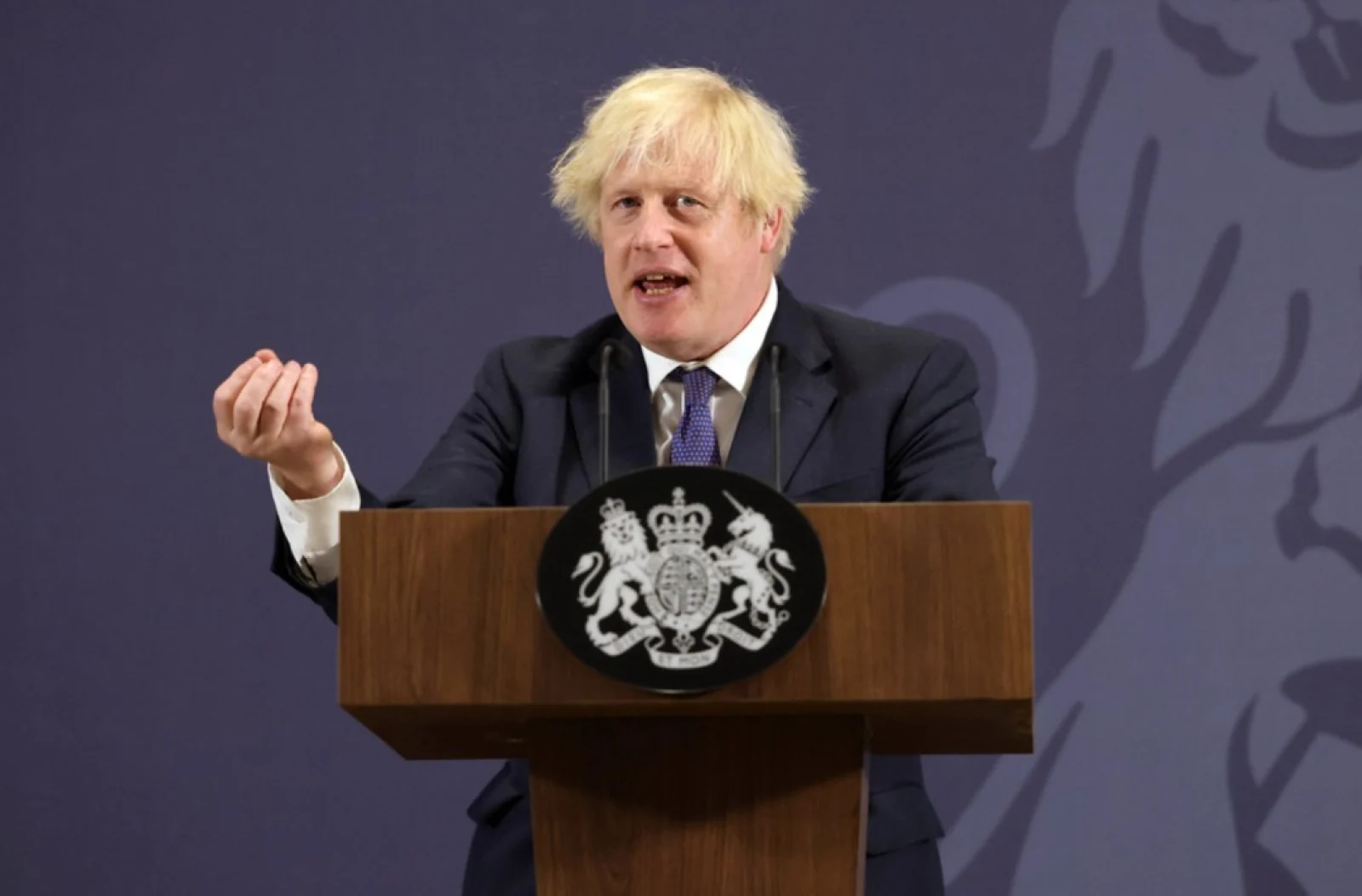
Former UK PM Boris Johnson's strong criticism of Bitcoin as a 'giant Ponzi scheme' highlights ongoing regulatory and public perception challenges for the crypto industry. Johnson's remarks contrast sharply with his own administration's past efforts to position the UK as a crypto hub, suggesting a potential shift in political sentiment or a strategic rhetorical stance. The comparison of Bitcoin unfavorably to Pokémon cards and gold underscores a fundamental disconnect in perceived value and intrinsic backing, which could influence investor sentiment towards assets lacking tangible collateral.

The Bitcoin Policy Institute is targeting a March-August 2026 window for a de minimis tax exemption for Bitcoin transactions, but warns that legislative bandwidth is shrinking, potentially delaying opportunities for years. Current US tax policy treats Bitcoin spending as a taxable event, hindering its adoption as a medium of exchange, with a de minimis exemption aiming to resolve this by excluding small transactions from capital gains reporting. The urgency for Bitcoin tax legislation is heightened by Senator Lummis's departure in January 2027, suggesting that failure to pass a bill in the upcoming months could significantly postpone any favorable tax treatment.

Mizuho's report indicates a significant shift in stablecoin usage, with USDC surpassing USDT in adjusted year-to-date transaction volume, suggesting a potential change in preferred transactional stablecoin. Despite USDC's volume lead, Tether's USDT maintains a dominant market capitalization, highlighting a divergence between transactional utility and overall market value that traders should monitor. The ongoing regulatory debate in the US regarding stablecoin yield and market structure could impact the future growth and adoption of stablecoins like USDC and USDT.
Dogecoin is at a critical technical juncture, with its Exponential Moving Average (EMA) acting as a key resistance level around the $0.10 mark. A decisive break above the EMA could trigger a significant rally, while failure to hold current levels risks a decline towards $0.084, indicating a high-volatility setup. The price action of Dogecoin is heavily influenced by Bitcoin's performance, suggesting that BTC's trajectory will be a primary driver for DOGE's near-term movement. Analysts are presenting both bullish and bearish scenarios, highlighting the uncertainty and the need for traders to monitor the $0.10 level and BTC's trend for directional cues.

On-chain data suggests a significant accumulation zone for ETH near $2,800, indicating potential upside if resistance is broken. Despite on-chain accumulation signals, cautious sentiment in the Ether futures market, evidenced by declining open interest after testing resistance, suggests limited immediate upside momentum. The divergence between on-chain accumulation and futures market caution implies a potential for choppy price action around current levels, with a clear break above resistance needed for sustained rallies. Technical indicators like the 200-day SMA also align with the $2,800 target, but the current derivatives market positioning indicates traders are not aggressively positioning for this move yet.
Shiba Inu's price has surged 11% this week, with technical indicators like Bollinger Bands suggesting a potential further 22% upside to $0.00000760. The current price action for SHIB mirrors a strong bullish period observed in December 2025, indicating potential for continued upward momentum if market conditions remain favorable. Historical data shows the lower Bollinger Band acting as strong support for SHIB, reinforcing the bullish outlook following recent tests of this level.

A significant $50 million loss occurred on Aave due to a user overriding a slippage warning, highlighting critical UX flaws in DeFi interfaces for large transactions. The incident resulted in substantial profits for MEV bots and block builders on Ethereum, demonstrating the ongoing extraction of value from user errors within the ecosystem. While Aave and CoW Protocol refunded fees, the event underscores the need for improved safeguards and clearer warnings to prevent catastrophic user errors in high-value DeFi trades. The potential identification of the trader as a known figure like Garrett Jin adds a layer of scrutiny to large-scale DeFi operations and risk management practices.

Circle's stock performance, doubling since February and outperforming major indices, signals strong institutional confidence in stablecoin adoption beyond speculative crypto use cases. The pilot of stablecoin payments for insurance premiums by Aon, alongside Wells Fargo's trademark filing for crypto services, indicates a growing integration of digital assets into traditional finance, potentially driving demand for stablecoins. Canaan's decision to increase its Bitcoin and Ether reserves, contrary to many competitors, suggests a strategic bet on future price appreciation despite current market downturns and post-halving pressures. The expansion of stablecoin use into traditional finance, exemplified by Aon's insurance premium pilot and Wells Fargo's potential crypto services, points to a structural shift that could increase demand for stablecoins like USDC.
Signal context only. Validate with price action, liquidity, and risk limits before taking a position.
