
Navigating Crypto News

CoinFeather
Navigating Crypto News

Quick market read from this story
US March inflation surged to 3.3% year-over-year, driven by energy prices, creating a hawkish overhang for the Federal Reserve and tightening financial conditions for risk assets like Bitcoin.
Bitcoin's muted reaction to the inflation data suggests a decoupling from traditional safe-haven behavior, instead trading as a rates-sensitive risk asset influenced by liquidity and the cost of capital.
The market awaits April and May inflation data to determine if the March surge is a temporary energy shock or the start of broader price pressures, which will dictate the Fed's policy path and Bitcoin's recovery potential.
Institutional demand via Bitcoin ETFs provides a structural support layer, but sustained price appreciation hinges on cooling macro pressures and a clearer path towards potential Fed policy easing.
Source, catalyst, and sector overlap from the latest feed.
The departure of a key AI developer from Bittensor and allegations of centralized control have triggered a significant market sell-off, wiping out nearly $900 million in market cap and highlighting governance fragilities within the AI crypto sector. Accusations of 'decentralization theatre' and aggressive token dumping by a departing developer have eroded trust, leading to a 27% price drop in TAO and substantial liquidations, underscoring the risks of internal disputes spilling into public markets. Bittensor's proposed 'lock-based subnet ownership' aims to address governance concerns and prevent future 'exit liquidity' scenarios, potentially signaling a structural shift towards greater developer accountability and investor protection. Despite the immediate price impact and internal conflict, Bittensor's underlying technological achievements in decentralized AI training and continued institutional interest suggest potential for recovery and resilience.
Live Feed
Loading the broader stream in the same flow as the homepage feed.
The CLARITY Act's legislative progress is facing increased scrutiny due to ethical concerns surrounding Donald Trump's memecoin activities, potentially influencing the bill's final provisions and market structure framework. Despite ethical headwinds from memecoin controversies, key figures like David Sacks and Treasury Secretary Scott Bessent are pushing for the CLARITY Act's swift passage, signaling a coordinated effort to establish regulatory clarity before the upcoming elections. Disagreements persist between law enforcement and DeFi advocates regarding provisions that could exempt crypto developers from licensing, creating a complex negotiation dynamic that could impact innovation and regulatory oversight. Coinbase's renewed support for the CLARITY Act, following earlier objections, indicates a potential resolution on stablecoin interest payment provisions and suggests growing industry alignment towards the bill's passage.

The increasing adoption of crypto-backed cards for everyday retail purchases signifies a shift from niche speculation to practical utility, suggesting broader integration into consumer spending habits by 2026. Faster payment clearing, reduced international transaction friction, and dynamic reward programs offered by crypto-backed payment solutions are enhancing the checkout experience, potentially driving increased consumer loyalty and spending. Millennials and Gen Z are leading the adoption of crypto-backed spending, indicating that retailers focusing on these demographics must embrace digital-first payment methods to maintain relevance and capture market share.

Everything EV token is experiencing a surge in attention driven by high staking APRs, attracting both genuine believers and short-term opportunists. Despite increased user interest and staking activity, a significant decline in Total Value Locked (TVL) suggests that capital is not remaining committed, raising sustainability concerns. The project's reliance on high yields and limited liquidity venues indicates a potentially fragile growth model, warranting a cautious approach to its price action. While the project highlights its experienced team and self-funded capital, market performance is ultimately dictated by capital flows, which currently show signs of volatility.
Deribit to register a Bitcoin and Ethereum options expiry event that is worth $2.2 billion.

The revival of Ryoshi's founding principles for Shiba Inu emphasizes community holding and contribution, signaling a focus on long-term resilience over short-term price action. While the message aims to reinforce community commitment, it lacks specific catalysts or developments, suggesting a neutral near-term market implication for SHIB. The article references broader market catalysts like CPI data, indicating that SHIB's price movement may be more influenced by macroeconomic factors than internal messaging.
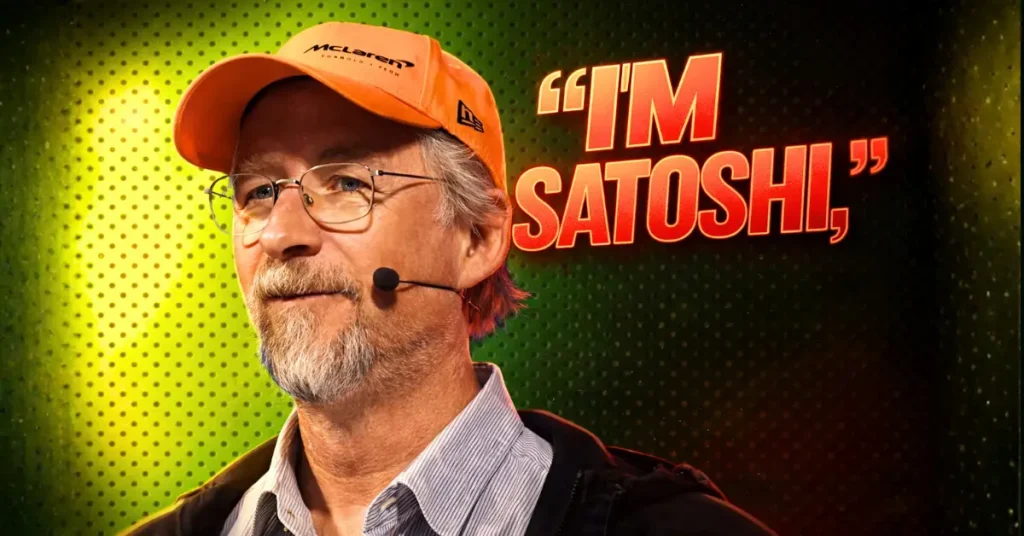
Adam Back, CEO of Blockstream, has publicly denied being Satoshi Nakamoto in response to a New York Times investigation, reinforcing his prior statements. Back's detailed response, including his confirmation of receiving the first email from Satoshi Nakamoto in 2008, adds context to the ongoing mystery but does not provide definitive proof of Satoshi's identity. The market impact of this denial is likely minimal as it reiterates existing information and does not introduce new catalysts for price movement in Bitcoin or related assets.

Bitcoin approached new local highs near $73,000 following slightly cooler-than-expected US CPI data, indicating potential positive market sentiment despite significant gasoline price increases. The mixed inflation signals, with a historic surge in gasoline prices but overall CPI below expectations, suggest continued uncertainty regarding Federal Reserve interest rate policy, limiting immediate strong directional moves. Traders are closely monitoring key resistance levels around $73,000-$74,000 and support near $71,000, with price action within a narrowing wedge pattern suggesting a potential breakout is imminent.

The White House has issued a warning to staff regarding the use of confidential information for market bets, following suspicious oil futures trades that coincided with a major policy announcement on Iran. This event has intensified scrutiny on potential insider trading by officials and politically connected individuals, potentially leading to stricter regulations for prediction markets and commodity futures. Multiple bipartisan bills have been introduced in Congress aimed at banning government officials, including members of Congress and the President, from participating in prediction markets, signaling a significant regulatory push.

Adam Back's assertion of Satoshi Nakamoto's British nationality, while speculative, adds a narrative layer to the ongoing mystery surrounding Bitcoin's creator. The discussion around Satoshi's identity and potential motivations for anonymity, referencing historical cryptography figures, highlights the enduring importance of privacy and security in the crypto space. While this news is primarily narrative-driven, it touches upon the foundational aspects of Bitcoin's origin, which could indirectly influence long-term sentiment for BTC holders.
Major corporations like Coca-Cola and American Airlines exploring on-chain payments via Ripple Treasury signals a significant shift towards enterprise adoption of blockchain for treasury functions. The integration of Ripple Treasury with traditional systems like SWIFT indicates a closing gap between legacy finance and digital assets, potentially driving broader institutional interest and capital inflow. This development highlights the practical application of blockchain technology in improving cross-border payments, liquidity management, and decision-making for large enterprises, moving beyond speculative use cases.
Ethereum's network activity has reached a new all-time high in total transfer count, surpassing 1.3 million transactions on a 7-day SMA, indicating robust user engagement despite current market price stagnation. The surge in Ethereum's network activity, driven by increased usage in DeFi, Layer-2 solutions, and smart contract applications, suggests underlying demand that could precede a price recovery. While Ethereum's price has been trading sideways, the significant increase in transaction volume is a classic indicator of growing demand, which historically can lead to reduced circulating supply and upward price pressure.

French officials are advocating for stricter MiCA regulations on non-euro stablecoins, signaling a potential increase in regulatory scrutiny for stablecoin issuers and users within the EU. The proposed reporting requirement for self-custodial crypto wallets exceeding 5,000 euros in France could lead to greater transparency and potential tax implications for individuals holding significant crypto assets. These dual regulatory pushes from France indicate a hardening stance on crypto oversight in Europe, potentially impacting the adoption and use of certain stablecoins and self-custody solutions.

Bitcoin's price action above $73K is being significantly supported by MicroStrategy's ongoing STRC share purchases, which are converting into substantial Bitcoin acquisitions and indicating continued near-term bullish momentum. Galaxy's strategic pivot towards AI infrastructure, evidenced by its Helios facility leasing to CoreWeave, is beginning to yield positive financial results, suggesting a successful transition beyond traditional crypto mining and trading. The Clarity Act's potential passage is gaining traction with key endorsements from Treasury Secretary Bessent and Brian Armstrong, signaling a possible resolution to US crypto regulatory uncertainty, particularly concerning stablecoin yields. Gemini's strategic assets, specifically its EU and UK regulatory licenses, are attracting interest from potential buyers focused on compliance rather than a full exchange takeover, highlighting a distressed valuation for the company's core operations.

Shibarium's daily transaction count has increased by 33%, indicating a rebound in network activity that may be correlated with SHIB's recent price uptick. Recent infrastructure upgrades, including a server migration and full chain reindexing, suggest potential preparation for future network expansions like Shibarium layer 3, which could support sustained growth. The correlation between SHIB's price recovery and increased Shibarium activity, alongside Bitcoin's move above $71,000, suggests a potential positive sentiment shift for the Shiba Inu ecosystem.
Signal context only. Validate with price action, liquidity, and risk limits before taking a position.
No explicit catalyst tagged.
Bitcoin miners are increasingly reliant on the block subsidy as transaction fees contribute less than 1% of revenue, highlighting price and operational efficiency as key survival factors. The upcoming difficulty adjustment is projected to decrease by approximately 5%, offering marginal relief to miners, but the core challenge of low fee revenue remains. Miners with high-cost operations, legacy equipment, or weak balance sheets face significant pressure, while efficient operators with strong treasuries and strategic flexibility are better positioned to navigate the current environment. A notable trend is the strategic pivot towards AI and HPC contracts, with some miners projecting up to 70% of revenue from these sectors, indicating a diversification beyond pure Bitcoin mining.
