
Navigating Crypto News

CoinFeather
Navigating Crypto News

Quick market read from this story
Cardano's golden cross on the 2-hour chart signals a potential short-term bullish trend, but its ability to sustain momentum hinges on breaking out of the current $0.233-$0.2935 range.
The increase in Cardano whale addresses holding over 10 million ADA to a four-month high suggests accumulating sentiment from larger holders, potentially creating a bullish divergence if price remains suppressed.
Despite the golden cross, ADA's price action remains range-bound, indicating that broader market sentiment and macroeconomic factors, such as inflation and Fed policy, are currently overshadowing technical signals.
The emergence of signs of a structural floor in the broader crypto market, coupled with ADA's sideways trading, suggests a period of consolidation before a potential breakout, influenced by overall market trends.
Source, catalyst, and sector overlap from the latest feed.
Hyperliquid's HYPE token has achieved an all-time high against Coinbase stock (COIN), signaling a significant shift in market perception favoring decentralized derivatives platforms over traditional centralized exchanges. The platform's surge in open interest and daily volume, exceeding $8.28 billion, highlights its growing dominance in on-chain derivatives and its success in tokenizing traditional assets like oil and gold, positioning it as a key competitor to established players. Hyperliquid's tokenomics, with 97% of revenue directed towards buybacks, is a key driver of its current rally, indicating that market participants are valuing deflationary mechanisms and aggressive reward structures.
Live Feed
Loading the broader stream in the same flow as the homepage feed.

Exodus Pay's launch aims to bridge the gap between self-custodial wallets and everyday spending, potentially increasing utility for stablecoins and Bitcoin by enabling direct use at Visa/Apple Pay merchants. The feature's phased rollout, starting in five US states and expanding nationwide by mid-April, suggests a strategic approach to regulatory compliance while signaling a significant push for broader crypto adoption in payments. By positioning Exodus Pay as an alternative to third-party payment apps, the company seeks to leverage self-custody advantages, potentially attracting users concerned about account control and transaction censorship.
Institutional investors continue to overlook meme coin ETFs, as evidenced by the muted reaction to a Pepe coin ETF filing and the low inflows into Dogecoin ETFs, suggesting a lack of demand for highly speculative digital assets beyond established cryptocurrencies. Despite regulatory clarity that allows for meme coin ETFs, the market is demonstrating a clear preference for established assets like Bitcoin and Ethereum, with altcoin ETFs collectively holding a small fraction of total assets under management. The limited success of Dogecoin ETFs, ranking 17th in inflows, indicates that even with product availability, the underlying asset's speculative nature and lack of a strong institutional investment case hinder broader adoption.
Privacy coins like DASH, ZEC, DCR, and XMR have experienced a significant breakout rally since April 4, driven by a broader market risk-on rotation potentially triggered by geopolitical news. The surge is supported by increased trading volume and a narrative shift, with privacy features increasingly viewed as essential for operational confidentiality by businesses, not just for anonymity. Despite regulatory headwinds and exchange delistings, the increasing peer-to-peer volumes and a split in regional regulatory approaches suggest a potential for sustained growth in privacy coin usage and value. If the current risk-on market sentiment persists, the current privacy coin rally could signal a broader market repositioning towards privacy-centric assets, moving beyond niche use cases.

The Bank of France is raising concerns about the dominance of dollar-denominated stablecoins in the EU, signaling a potential regulatory push to favor Euro-based alternatives and protect financial autonomy. The upcoming launch of a joint Euro stablecoin by nine European banks by late 2026, coupled with regulatory proposals to restrict non-Euro stablecoin usage, indicates a strategic move to bolster the Euro's position in the digital asset market. The contrasting regulatory approaches between the EU (MiCA) and the US (GENIUS Act) highlight a divergence in philosophy regarding stablecoin development, with potential implications for global payment infrastructure and currency dominance. The Bank of France's emphasis on wholesale tokenized central bank money services and the digital euro, alongside private sector initiatives, suggests a multi-pronged strategy to modernize the Eurozone's payment systems and counter dollarization.

U.S. financial regulators are flagging significant cybersecurity risks associated with advanced AI models like Anthropic's Mythos, signaling increased scrutiny on AI's integration into critical financial infrastructure. The potential for AI models to identify and exploit software vulnerabilities presents a dual-use dilemma, requiring proactive defense strategies from financial institutions to mitigate AI-assisted cyber threats. Anthropic's cautious approach to releasing Mythos, limiting access due to its advanced capabilities, suggests a growing awareness of AI's potential misuse and the industry's evolving approach to responsible AI deployment.
Coinbase CEO Brian Armstrong's public backing of the Clarity Act signals a significant shift, indicating that the exchange perceives a narrowing of disagreements on key legislative points, potentially paving the way for clearer U.S. crypto regulations. The evolving stance on the Clarity Act, particularly regarding stablecoin yield provisions, suggests that industry players are becoming more amenable to regulatory frameworks that balance innovation with oversight, a crucial development for market structure. Despite growing support, ongoing policy challenges related to AML and sanctions compliance for stablecoins, coupled with political divisions, indicate that the path to final legislation remains complex, warranting a cautious outlook. The article notes Coinbase Global (COIN) shares declined 2.71% to $166.57, reflecting investor uncertainty amidst the unfolding regulatory landscape, suggesting that market participants are awaiting concrete legislative outcomes rather than just industry endorsements.
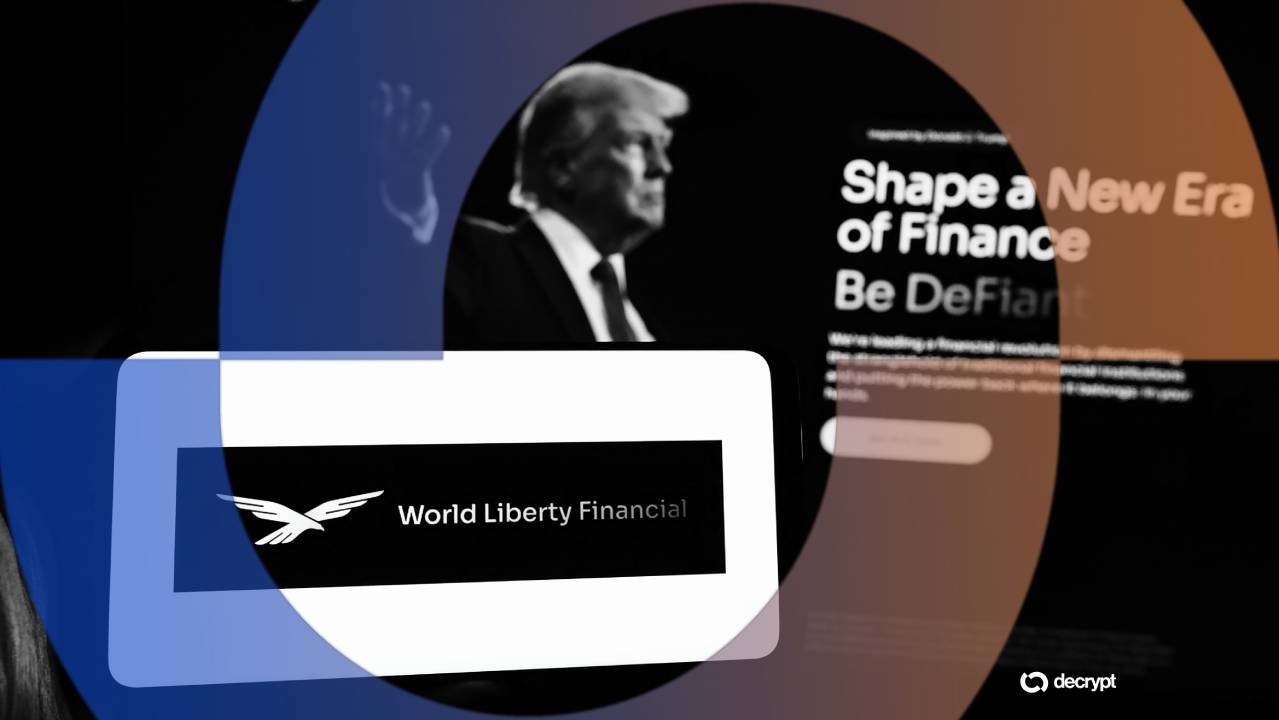
World Liberty Financial's governance token WLFI experienced a significant market cap drop of $427 million due to concerns over its DeFi loan strategy and a proposed token unlock. The project's substantial USDC loans from Dolomite, collateralized by a large portion of WLFI supply, have raised fears of potential bad debt for the DeFi protocol if liquidated. A proposed governance vote to unlock early holder tokens introduces supply-side pressure, potentially exacerbating price declines if not managed with a clear vesting schedule. Despite assurances of not being near liquidation, the lack of clarity on debt repayment and the transfer of borrowed stablecoins to exchanges suggest underlying financial strain.

Public disputes between founders of major exchanges like OKX and Binance, while not directly impacting trading, can create reputational noise and highlight ongoing governance or historical issues. The resurfacing of decade-old allegations between Star Xu and CZ, triggered by CZ's memoir, suggests lingering unresolved conflicts that could potentially resurface in future regulatory or legal contexts. The $1 billion wager proposed by CZ and rejected by Xu due to compliance concerns underscores the increasing regulatory scrutiny on major crypto entities and their founders.

Allegations of centralized control by BitTensor's founder have led to a significant departure of a key builder, impacting TAO's price and raising questions about the network's decentralization claims. The market reaction to the dispute, with TAO falling over 18%, indicates that investor confidence is sensitive to governance issues and perceived centralization within AI-focused blockchain projects. The departure of Covenant AI and the deprecation of its subnets suggest a potential fragmentation or reduction in network activity, which could negatively affect future development and adoption. Despite founder denials, the market's negative response to the dispute highlights the importance of transparent governance and clear communication in maintaining investor trust for decentralized AI networks.

Accusations of centralization by a major subnet operator have triggered a significant price drop in TAO, signaling potential loss of confidence and reduced network activity. Technical analysis suggests TAO could face further downside, with fractal patterns indicating a potential 25% to 45% decline from current levels. The substantial liquidation of long positions highlights strong bearish sentiment among traders, reinforcing the downward price pressure on TAO. The departure of Covenant AI and the 'decentralization theater' narrative pose a fundamental challenge to Bittensor's core value proposition, impacting its long-term growth prospects.

The core argument for digital asset adoption hinges on providing market participants with choice across networks, tokenization sequencing, custody models, and wallet solutions, rather than imposing a single standard. A lack of interoperability and forced choices could lead to fragmented ecosystems and recreate past financial market inefficiencies, hindering the potential of Web3. The author emphasizes that successful digital asset evolution requires collaboration between infrastructure providers, tech firms, and regulators to build frameworks prioritizing compatibility and interoperability. The article suggests that tokenization should be approached with caution and intentionality, allowing market participants to decide the pace and assets to tokenize based on evolving infrastructure and demand.
The CLARITY Act's legislative progress is facing increased scrutiny due to ethical concerns surrounding Donald Trump's memecoin activities, potentially influencing the bill's final provisions and market structure framework. Despite ethical headwinds from memecoin controversies, key figures like David Sacks and Treasury Secretary Scott Bessent are pushing for the CLARITY Act's swift passage, signaling a coordinated effort to establish regulatory clarity before the upcoming elections. Disagreements persist between law enforcement and DeFi advocates regarding provisions that could exempt crypto developers from licensing, creating a complex negotiation dynamic that could impact innovation and regulatory oversight. Coinbase's renewed support for the CLARITY Act, following earlier objections, indicates a potential resolution on stablecoin interest payment provisions and suggests growing industry alignment towards the bill's passage.
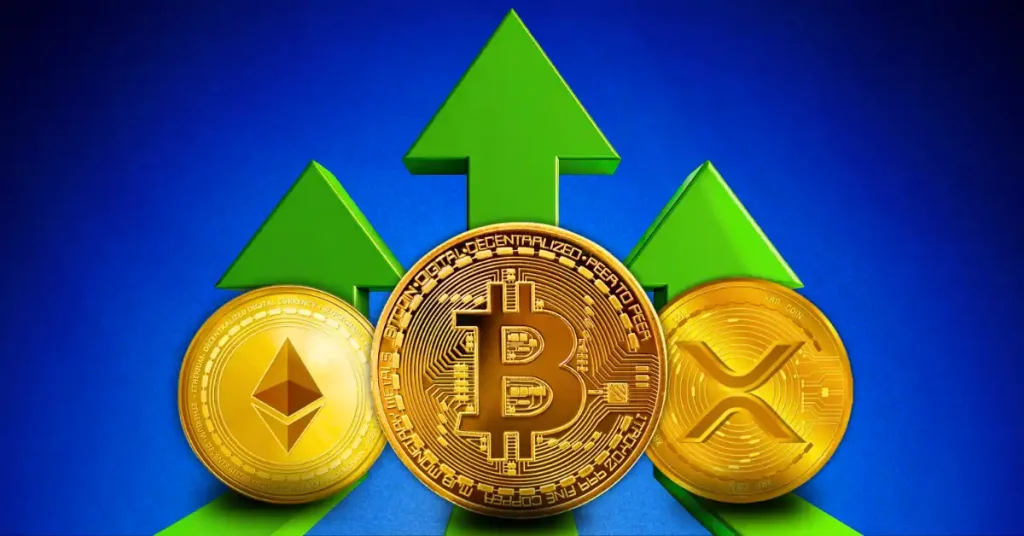
Japan's regulatory clarity classifying crypto as financial products is a key driver for the current market rally, potentially increasing institutional confidence and adoption. Bitcoin is testing a critical resistance zone between $72,000 and $76,000, with a sustained break above this level potentially signaling a move towards $85,000–$86,000. Ethereum's bullish inverse head and shoulders pattern remains intact above $2,150–$2,250, targeting $2,430, but a break below this support would invalidate the setup. XRP is holding a crucial support zone around $1.30–$1.35, suggesting limited downside risk as long as this level is maintained, with potential sideways trading expected.
Signal context only. Validate with price action, liquidity, and risk limits before taking a position.
No explicit catalyst tagged.
Dogecoin is actively experimenting with quantum-resistant cryptography, a proactive measure against future threats posed by quantum computing. The successful execution of an experimental post-quantum secure transaction on the Dogecoin mainnet signals progress in securing the network against advanced cryptographic attacks. While the development is significant for long-term network security, it represents ongoing research and experimentation rather than an immediate catalyst for price action. Dogecoin's UTXO-based ledger structure allows individual users to mitigate some quantum risks through practices like avoiding address reuse, providing a degree of inherent resilience.
