
Navigating Crypto News

CoinFeather
Navigating Crypto News
Quick market read from this story
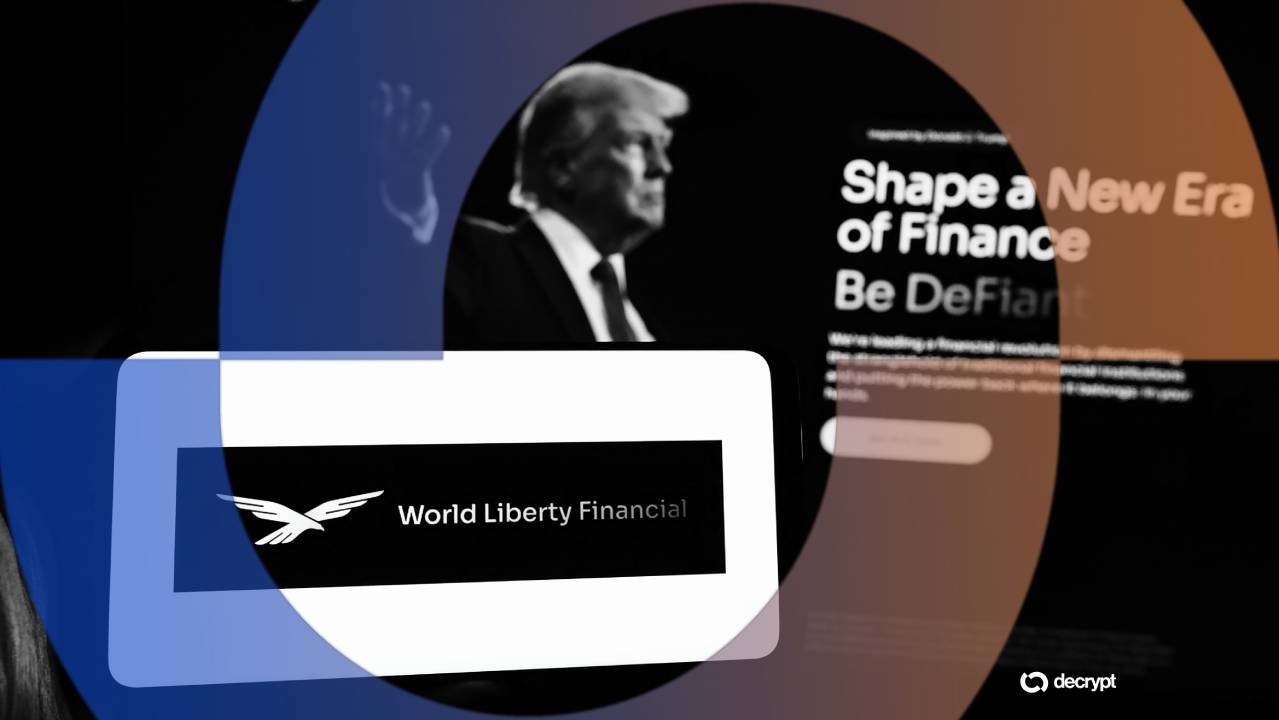
World Liberty Financial's governance token WLFI experienced a significant market cap drop of $427 million due to concerns over its DeFi loan strategy and a proposed token unlock.
The project's substantial USDC loans from Dolomite, collateralized by a large portion of WLFI supply, have raised fears of potential bad debt for the DeFi protocol if liquidated.
A proposed governance vote to unlock early holder tokens introduces supply-side pressure, potentially exacerbating price declines if not managed with a clear vesting schedule.
Despite assurances of not being near liquidation, the lack of clarity on debt repayment and the transfer of borrowed stablecoins to exchanges suggest underlying financial strain.
Source, catalyst, and sector overlap from the latest feed.
xAI's lawsuit against Colorado's AI law highlights a critical regulatory battleground, potentially impacting how AI companies, including those in crypto, navigate state-specific compliance and First Amendment rights concerning AI-generated content. The legal challenge by xAI, driven by concerns over compelled speech and algorithmic discrimination mandates, signals increased friction between AI developers and state regulators, which could lead to broader legal precedents affecting AI innovation and deployment. While the lawsuit focuses on AI regulation, it occurs alongside separate legal issues for xAI's Grok chatbot concerning deepfake image generation, suggesting a complex risk profile for the company that could influence investor sentiment and market perception.
Live Feed
Loading the broader stream in the same flow as the homepage feed.
Institutional investors continue to overlook meme coin ETFs, as evidenced by the muted reaction to a Pepe coin ETF filing and the low inflows into Dogecoin ETFs, suggesting a lack of demand for highly speculative digital assets beyond established cryptocurrencies. Despite regulatory clarity that allows for meme coin ETFs, the market is demonstrating a clear preference for established assets like Bitcoin and Ethereum, with altcoin ETFs collectively holding a small fraction of total assets under management. The limited success of Dogecoin ETFs, ranking 17th in inflows, indicates that even with product availability, the underlying asset's speculative nature and lack of a strong institutional investment case hinder broader adoption.
Dogecoin is actively experimenting with quantum-resistant cryptography, a proactive measure against future threats posed by quantum computing. The successful execution of an experimental post-quantum secure transaction on the Dogecoin mainnet signals progress in securing the network against advanced cryptographic attacks. While the development is significant for long-term network security, it represents ongoing research and experimentation rather than an immediate catalyst for price action. Dogecoin's UTXO-based ledger structure allows individual users to mitigate some quantum risks through practices like avoiding address reuse, providing a degree of inherent resilience.
XRP's exchange reserves have declined to 2.74 billion, indicating increased demand and a potential shift in investor sentiment from selling to holding or buying. A significant decrease in exchange reserves suggests holders are moving XRP to private wallets, a bullish signal often preceding price appreciation. With XRP trading at $1.35 and showing a 1.67% daily increase, the current on-chain metrics suggest a potential near-term target of $1.40.

US CPI data for March showed a 0.9% month-over-month increase and a 3.3% year-over-year rise, indicating persistent inflation above the Fed's 2% target, primarily driven by energy prices due to geopolitical tensions. Despite the slightly lower-than-expected CPI print, market participants assign a 0% probability to an interest rate cut at the April FOMC meeting, with 98.4% odds of rates remaining unchanged, reflecting ongoing concerns about inflation. Bitcoin experienced a brief surge to $73,000 following the CPI release, demonstrating its sensitivity to macroeconomic data and interest rate expectations, with analysts eyeing $80,000 as the next potential target.
Cardano's market cap has surpassed Bitcoin Cash, reclaiming a top 10 spot, driven by a mild price rebound and positive on-chain metrics. The shift in ranking is attributed to ADA's 2.9% weekly gain versus BCH's 0.21%, reflecting a broader market rally and potential rotation into altcoins. Cardano-specific developments, including growing whale activity and hints of AI integration by Charles Hoskinson, are bolstering investor confidence. Upcoming upgrades like Midnight and Ouroboros Leios, alongside improved developer activity, suggest a strengthening fundamental outlook for ADA relative to BCH.
XRP's Ichimoku Cloud is showing early bullish signals with a Tenkan-Kijun crossover, suggesting a potential trend shift despite still trading below the Kumo, indicating caution is warranted until a full breakout is confirmed. The combination of oversold RSI readings on higher timeframes and compressing volatility, historically a precursor to sharp price movements, presents a potential setup for a XRP breakout. While Ripple's on-chain transfer of 25 million XRP introduces an element of intrigue, its implication for selling pressure remains unclear, requiring further observation of market reaction. The current technical setup for XRP, characterized by early bullish Ichimoku signals and low trading volume, suggests a critical juncture where accumulation may precede a significant volatility event.
Privacy coins like DASH, ZEC, DCR, and XMR have experienced a significant breakout rally since April 4, driven by a broader market risk-on rotation potentially triggered by geopolitical news. The surge is supported by increased trading volume and a narrative shift, with privacy features increasingly viewed as essential for operational confidentiality by businesses, not just for anonymity. Despite regulatory headwinds and exchange delistings, the increasing peer-to-peer volumes and a split in regional regulatory approaches suggest a potential for sustained growth in privacy coin usage and value. If the current risk-on market sentiment persists, the current privacy coin rally could signal a broader market repositioning towards privacy-centric assets, moving beyond niche use cases.
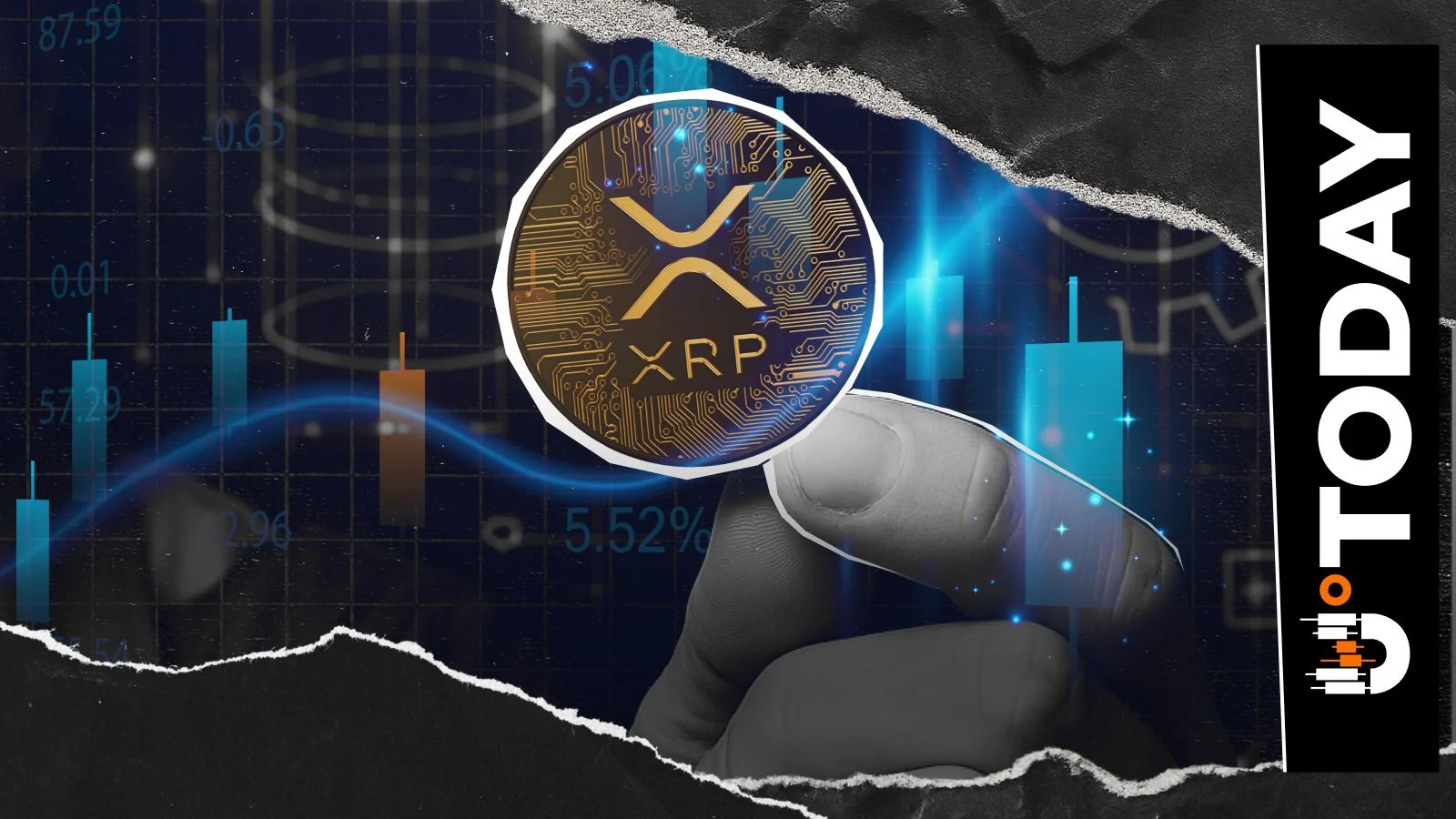
A significant +83% increase in XRP's futures balance suggests aggressive underlying activity despite low spot price volatility, indicating a potential breakout is imminent. The surge in futures balance, coupled with skewed long/short ratios on major exchanges, points to increased leveraged bets on upside, creating a fragile market susceptible to crowded positioning risks. Elevated long liquidations despite minimal price movement signal that short-term volatility is flushing leveraged longs, suggesting the market may not yet be ready for a sustained upward move. The combination of long-heavy positioning, low spot volatility, and increasing futures exposure places XRP in a high-pressure area, implying a significant move is possible in either direction.
The Bank of France is raising concerns about the dominance of dollar-denominated stablecoins in the EU, signaling a potential regulatory push to favor Euro-based alternatives and protect financial autonomy. The upcoming launch of a joint Euro stablecoin by nine European banks by late 2026, coupled with regulatory proposals to restrict non-Euro stablecoin usage, indicates a strategic move to bolster the Euro's position in the digital asset market. The contrasting regulatory approaches between the EU (MiCA) and the US (GENIUS Act) highlight a divergence in philosophy regarding stablecoin development, with potential implications for global payment infrastructure and currency dominance. The Bank of France's emphasis on wholesale tokenized central bank money services and the digital euro, alongside private sector initiatives, suggests a multi-pronged strategy to modernize the Eurozone's payment systems and counter dollarization.
Coinbase CEO Brian Armstrong's public backing of the Clarity Act signals a significant shift, indicating that the exchange perceives a narrowing of disagreements on key legislative points, potentially paving the way for clearer U.S. crypto regulations. The evolving stance on the Clarity Act, particularly regarding stablecoin yield provisions, suggests that industry players are becoming more amenable to regulatory frameworks that balance innovation with oversight, a crucial development for market structure. Despite growing support, ongoing policy challenges related to AML and sanctions compliance for stablecoins, coupled with political divisions, indicate that the path to final legislation remains complex, warranting a cautious outlook. The article notes Coinbase Global (COIN) shares declined 2.71% to $166.57, reflecting investor uncertainty amidst the unfolding regulatory landscape, suggesting that market participants are awaiting concrete legislative outcomes rather than just industry endorsements.

Public disputes between founders of major exchanges like OKX and Binance, while not directly impacting trading, can create reputational noise and highlight ongoing governance or historical issues. The resurfacing of decade-old allegations between Star Xu and CZ, triggered by CZ's memoir, suggests lingering unresolved conflicts that could potentially resurface in future regulatory or legal contexts. The $1 billion wager proposed by CZ and rejected by Xu due to compliance concerns underscores the increasing regulatory scrutiny on major crypto entities and their founders.

Accusations of centralization by a major subnet operator have triggered a significant price drop in TAO, signaling potential loss of confidence and reduced network activity. Technical analysis suggests TAO could face further downside, with fractal patterns indicating a potential 25% to 45% decline from current levels. The substantial liquidation of long positions highlights strong bearish sentiment among traders, reinforcing the downward price pressure on TAO. The departure of Covenant AI and the 'decentralization theater' narrative pose a fundamental challenge to Bittensor's core value proposition, impacting its long-term growth prospects.

The core argument for digital asset adoption hinges on providing market participants with choice across networks, tokenization sequencing, custody models, and wallet solutions, rather than imposing a single standard. A lack of interoperability and forced choices could lead to fragmented ecosystems and recreate past financial market inefficiencies, hindering the potential of Web3. The author emphasizes that successful digital asset evolution requires collaboration between infrastructure providers, tech firms, and regulators to build frameworks prioritizing compatibility and interoperability. The article suggests that tokenization should be approached with caution and intentionality, allowing market participants to decide the pace and assets to tokenize based on evolving infrastructure and demand.
Signal context only. Validate with price action, liquidity, and risk limits before taking a position.
Zcash has experienced a significant price surge of over 62% this week, outperforming major cryptocurrencies like Bitcoin and Ethereum, indicating strong short-term bullish momentum. Market sentiment on ZEC is increasingly optimistic, with prediction markets favoring a further 10% rise to $420 in April, suggesting traders anticipate continued upward price action. While a specific catalyst is unclear, the broader market rally, potentially influenced by geopolitical events, is lifting privacy coins like ZEC and DASH, though other privacy tokens show mixed performance. The recent patching of a critical vulnerability in Zcash's node software at the end of March may have de-risked the asset, potentially contributing to renewed investor confidence and the current price appreciation.
