
Navigating Crypto News

CoinFeather
Navigating Crypto News

Quick market read from this story
World Liberty Financial is proposing a phased unlock for WLFI tokens, moving away from an immediate full release in response to early holder backlash and potential legal action.
The decision to implement a structured vesting plan signals a shift in tokenomics management, potentially impacting liquidity and holder sentiment for WLFI.
With approximately 75% of WLFI tokens still locked, the upcoming governance vote on a phased unlock schedule is a critical event for early investors seeking access to their holdings.
Source, catalyst, and sector overlap from the latest feed.
Bitget’s IPO Prime will debut with preSPAX, a Republic-issued token tied to SpaceX’s post-IPO performance rather than direct ownership of the company’s shares.
Aethir has contained a bridge exploit, limiting losses to under $90,000, which suggests a swift and effective response to a security incident. Despite the exploit, Aethir's main ATH supply on Ethereum remains unaffected, indicating that the core asset value is likely preserved. The platform's commitment to a compensation plan and detailed post-mortem report signals transparency and an effort to rebuild trust with its user base. The incident, while unfortunate, highlights ongoing security risks in DeFi bridges and the importance of rapid incident response for affected projects.
Live Feed
Loading the broader stream in the same flow as the homepage feed.
Concerns over centralized governance within Bittensor, highlighted by Covenant AI's exit, have triggered a significant price drop for TAO, signaling investor apprehension about the project's decentralization claims. The dispute, involving accusations of concentrated power and suspended subnet emissions, has led to an 18.7% decline in TAO's price, indicating a negative market reaction to governance issues. While Bittensor's founder denies direct control over emissions, the market's interpretation of these governance disputes as a fundamental flaw could lead to sustained downward pressure on TAO.
Dogecoin is approaching a critical long-term support level at $0.061, which analysts believe could trigger a 15x surge to $1.41 if maintained. The current price action is interpreted as a potential fifth wave in a long-term Elliott Wave structure, suggesting a significant upward movement is possible if key support holds. Failure to hold the $0.061 support level would invalidate the bullish outlook and signal a structural breakdown, potentially leading to further downside.
Mortgage rates are showing a slight downward trend but remain range-bound, indicating a lack of strong directional conviction in the broader market. Inflationary pressures, particularly from oil prices, are a key factor keeping mortgage rates elevated, suggesting that a sustained move towards 6% is contingent on easing geopolitical and economic concerns. The gradual nature of rate adjustments implies that significant repricing events are unlikely in the short term, requiring traders to monitor inflation reports, employment data, and energy prices for actionable signals. While not a direct crypto event, the dynamics of traditional finance markets like mortgage rates can influence overall liquidity and investor sentiment, indirectly impacting risk assets.

The CoinDesk 20 Index experienced a slight decline of 0.2%, indicating a broad market sentiment shift driven by underperforming assets like HBAR and ADA. Hedera (HBAR) and Cardano (ADA) are identified as key laggards within the CoinDesk 20, suggesting potential localized selling pressure or a lack of positive momentum for these specific assets. With only six out of twenty assets trading higher, the overall market breadth is weak, reinforcing a cautious outlook for the short-term performance of the broader crypto market.
Japan's reclassification of crypto as financial assets, particularly impacting XRP, signals a significant regulatory shift that could unlock institutional adoption for cross-border settlements. Sustained institutional demand for Bitcoin ETFs, with over $343 million in recent inflows and BlackRock leading, reinforces BTC's price stability above $70,000 and suggests continued positive market sentiment. Binance CEO's strong advocacy for passkeys over traditional passwords and SMS-based 2FA highlights a critical security upgrade needed to combat escalating crypto fraud, impacting user protection strategies. The upcoming CPI report introduces a key macroeconomic variable that could influence short-term liquidity and risk appetite for Bitcoin and the broader crypto market.

Bitcoin miners are increasingly reliant on the block subsidy as transaction fees contribute less than 1% of revenue, highlighting price and operational efficiency as key survival factors. The upcoming difficulty adjustment is projected to decrease by approximately 5%, offering marginal relief to miners, but the core challenge of low fee revenue remains. Miners with high-cost operations, legacy equipment, or weak balance sheets face significant pressure, while efficient operators with strong treasuries and strategic flexibility are better positioned to navigate the current environment. A notable trend is the strategic pivot towards AI and HPC contracts, with some miners projecting up to 70% of revenue from these sectors, indicating a diversification beyond pure Bitcoin mining.

Bitcoin Everlight's launch of its Shard model aims to democratize Bitcoin rewards by enabling passive income from transaction fees without hardware, potentially attracting retail investors seeking yield. The project's infrastructure play, designed to enhance Bitcoin's speed and cost-effectiveness without altering core rules, positions it as a complementary solution to traditional mining and Layer 2 scaling. With over $2.9M raised in its BTCL presale and plans for CEX/DEX listings, the project signals strong early investor interest and aims for significant liquidity and market accessibility post-launch.
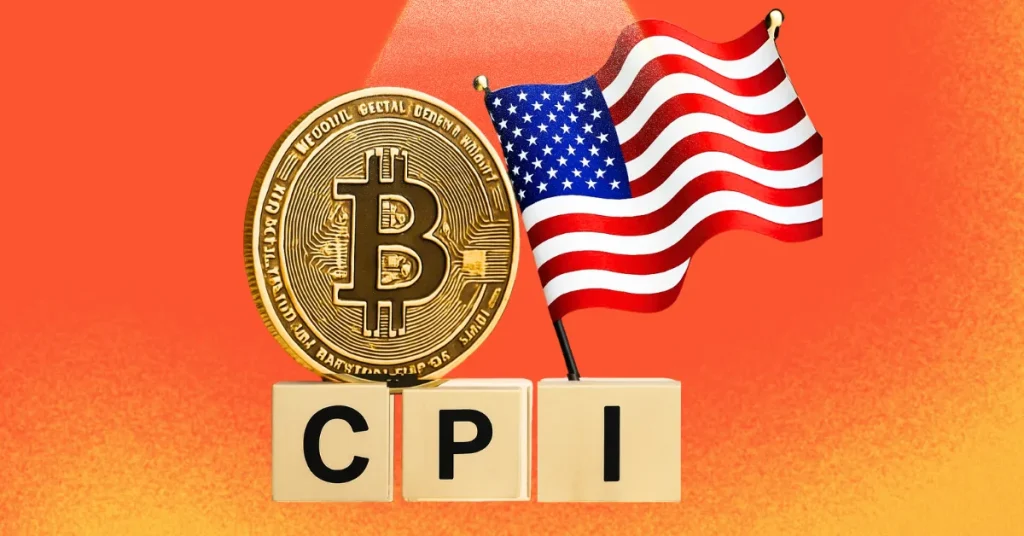
US inflation data for March shows a headline CPI of 3.3%, slightly below expectations and driven primarily by energy costs, suggesting underlying price pressures remain relatively contained. While the headline CPI increase may initially be perceived as a negative for risk assets, the stable core inflation at 2.6% indicates that broader inflationary forces are not accelerating, which could be interpreted as a neutral to slightly bullish signal for markets sensitive to interest rate policy. The market's reaction to this CPI report will be crucial for assessing Bitcoin and other cryptocurrencies' sensitivity to macroeconomic data, particularly in the context of potential future Federal Reserve monetary policy adjustments.
The March CPI print of 3.3% YoY, below consensus, was largely driven by a 21.2% surge in gasoline prices, indicating a supply shock rather than broad economic overheating. Core inflation at 2.6% annually and 0.2% monthly provides the Federal Reserve an analytical exit to maintain its rate path and keep cuts on the table, viewing the energy spike as transitory. Historically, energy-driven CPI spikes have led to a short-term crypto sell-off (5-8%) followed by a recovery within 2-3 days, suggesting the current data supports looking through the headline inflation figure. Market participants will closely monitor the Fed's commentary for confirmation of this interpretation, as a deviation from this stance would represent the primary risk to Bitcoin's medium-term direction.

Binance's proactive offer for UAE staff relocation due to regional conflict highlights operational resilience and employee welfare focus, suggesting a stable operational outlook despite geopolitical headwinds. The disruption of major crypto and business events in the UAE due to regional tensions underscores the sensitivity of the crypto industry to geopolitical instability and its impact on event-driven catalysts. Despite the offer of relocation, Binance's reaffirmation of commitment to the UAE as a key hub indicates a strategic intent to maintain presence and operations in the region, signaling confidence in its long-term market position.

Bitcoin showed resilience, holding near $72,000 following the release of March CPI data that indicated a less-than-expected rise in core inflation. The core CPI reading of 0.2% suggests that underlying inflation pressures may be moderating, potentially influencing future Federal Reserve monetary policy decisions. While headline inflation was driven up by energy costs due to geopolitical events, the softer core number provides a degree of relief, preventing a more hawkish immediate market reaction.
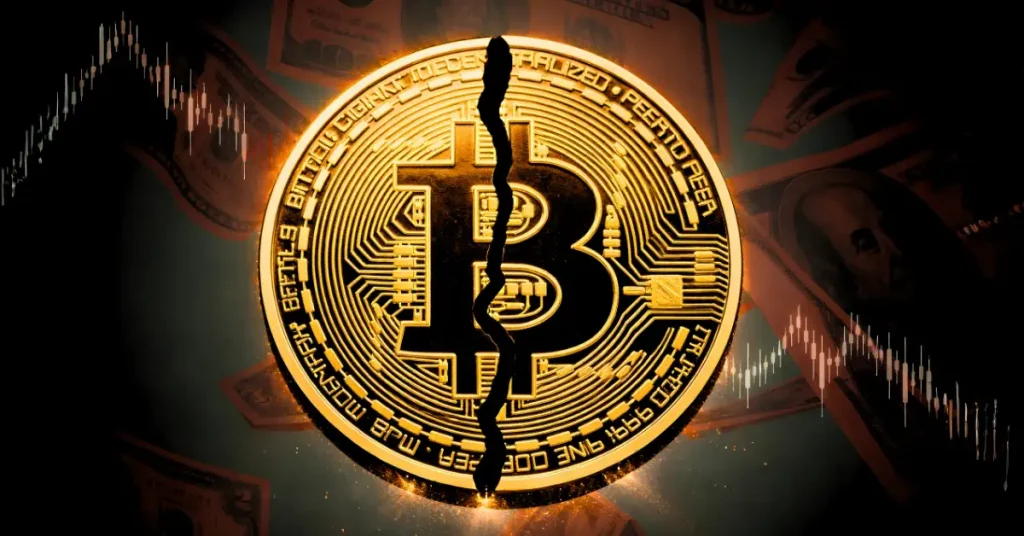
Prediction markets and technical indicators suggest a significant probability of Bitcoin falling below $55,000 by 2026, with analysts pointing to weakening liquidity and repeating bear market patterns as key drivers for potential downside toward the $47K-$38K range in the coming months. The current market structure, characterized by bearish technical signals like the Stochastic RSI and potential 'second fakeout' patterns, indicates that Bitcoin may not have found its bottom, requiring a strong break above $76K with substantial volume to invalidate the bearish outlook. Weakening liquidity and historical bear market patterns, where short-term rallies precede sharp declines, suggest that current price action could be a bull trap, increasing the likelihood of a further correction rather than a sustained upward trend.

Binance's relocation of UAE staff due to regional conflict signals heightened geopolitical risk impacting operational stability for major crypto exchanges. The move suggests a potential shift in Binance's operational focus and talent distribution, possibly influencing its strategic priorities in Asia. Increased safety concerns and operational disruptions in the UAE may lead to broader industry reassessment of regional risk exposure.
Dogecoin price stalls as it trades within the Ichimoku Kumo. Bulls and bears await a decisive close to confirm the next directional trend.
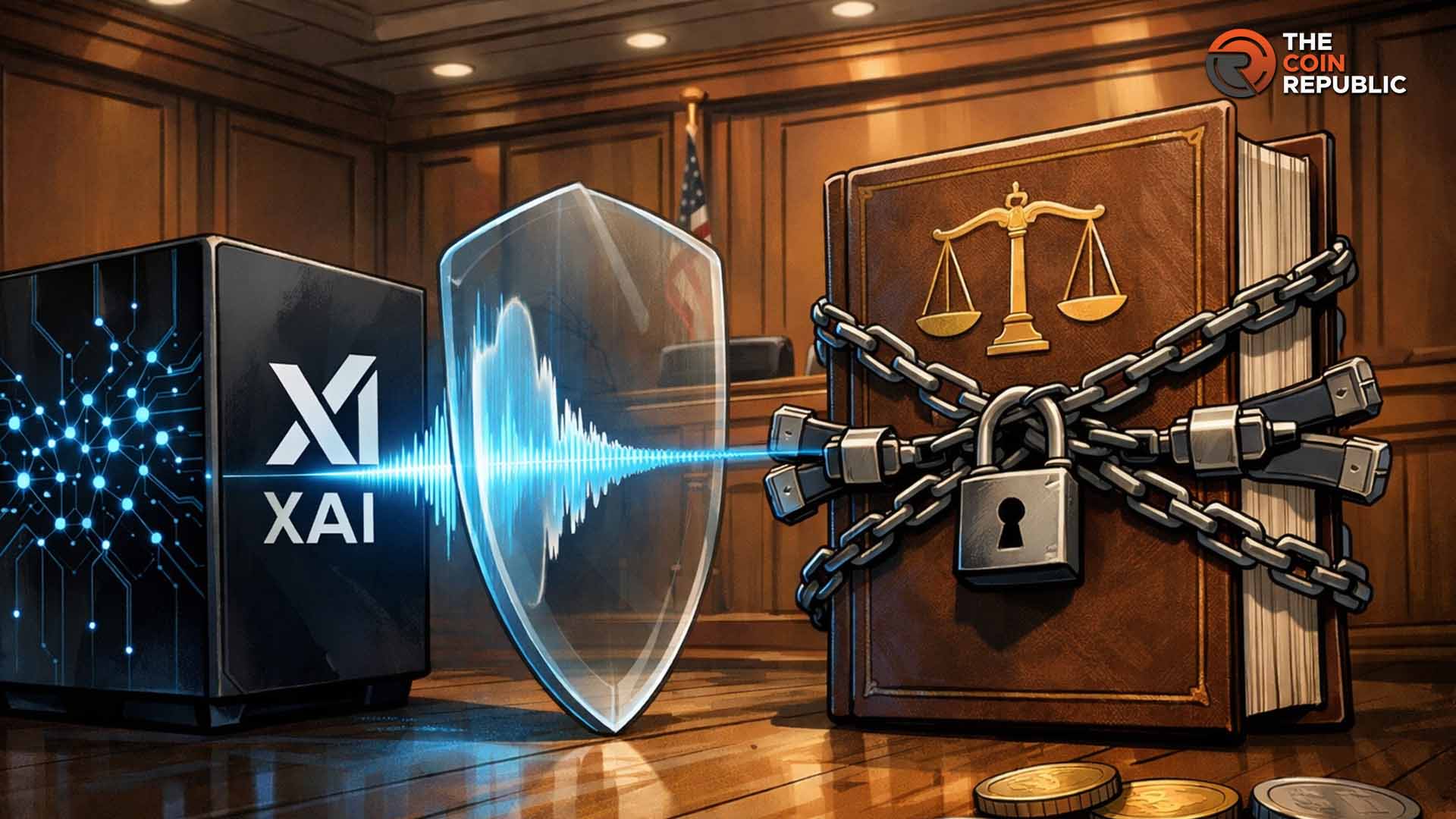
xAI's lawsuit against Colorado's AI regulation law highlights a growing conflict between AI developers and state-level regulatory efforts, potentially impacting the broader AI sector's development and deployment. The legal challenge by Elon Musk's xAI over free expression for its Grok chatbot suggests a potential precedent for how AI companies will navigate and contest future AI-specific legislation. The debate over state-specific AI laws versus a unified federal approach, as advocated by figures like David Sacks, indicates market uncertainty and potential compliance challenges for AI firms operating across different jurisdictions. While the lawsuit focuses on AI regulation, the mention of X's recent move into paid crypto promotions could signal a broader strategy by Elon Musk's entities to integrate AI and crypto, though this specific article does not directly link the lawsuit to crypto price action.

Ripple CTO Emeritus David Schwartz suggests Satoshi Nakamoto's keys are likely lost, removing the theoretical market risk of dormant Bitcoin holdings impacting price. The long-standing debate over Satoshi's identity is overshadowed by the practical reality of inaccessible Bitcoin, implying that the ~1 million BTC will not be moved. Schwartz's analysis focuses on the improbability of anyone ignoring such a vast fortune, framing the lost keys as a de facto permanent supply reduction for Bitcoin.
Signal context only. Validate with price action, liquidity, and risk limits before taking a position.
