
Navigating Crypto News

CoinFeather
Navigating Crypto News

Quick market read from this story
The White House has issued a warning to staff regarding the use of confidential information for market bets, following suspicious oil futures trades that coincided with a major policy announcement on Iran.
This event has intensified scrutiny on potential insider trading by officials and politically connected individuals, potentially leading to stricter regulations for prediction markets and commodity futures.
Multiple bipartisan bills have been introduced in Congress aimed at banning government officials, including members of Congress and the President, from participating in prediction markets, signaling a significant regulatory push.
Source, catalyst, and sector overlap from the latest feed.
Accusations of centralization by a major subnet operator have triggered a significant price drop in TAO, signaling potential loss of confidence and reduced network activity. Technical analysis suggests TAO could face further downside, with fractal patterns indicating a potential 25% to 45% decline from current levels. The substantial liquidation of long positions highlights strong bearish sentiment among traders, reinforcing the downward price pressure on TAO. The departure of Covenant AI and the 'decentralization theater' narrative pose a fundamental challenge to Bittensor's core value proposition, impacting its long-term growth prospects.
Live Feed
Loading the broader stream in the same flow as the homepage feed.
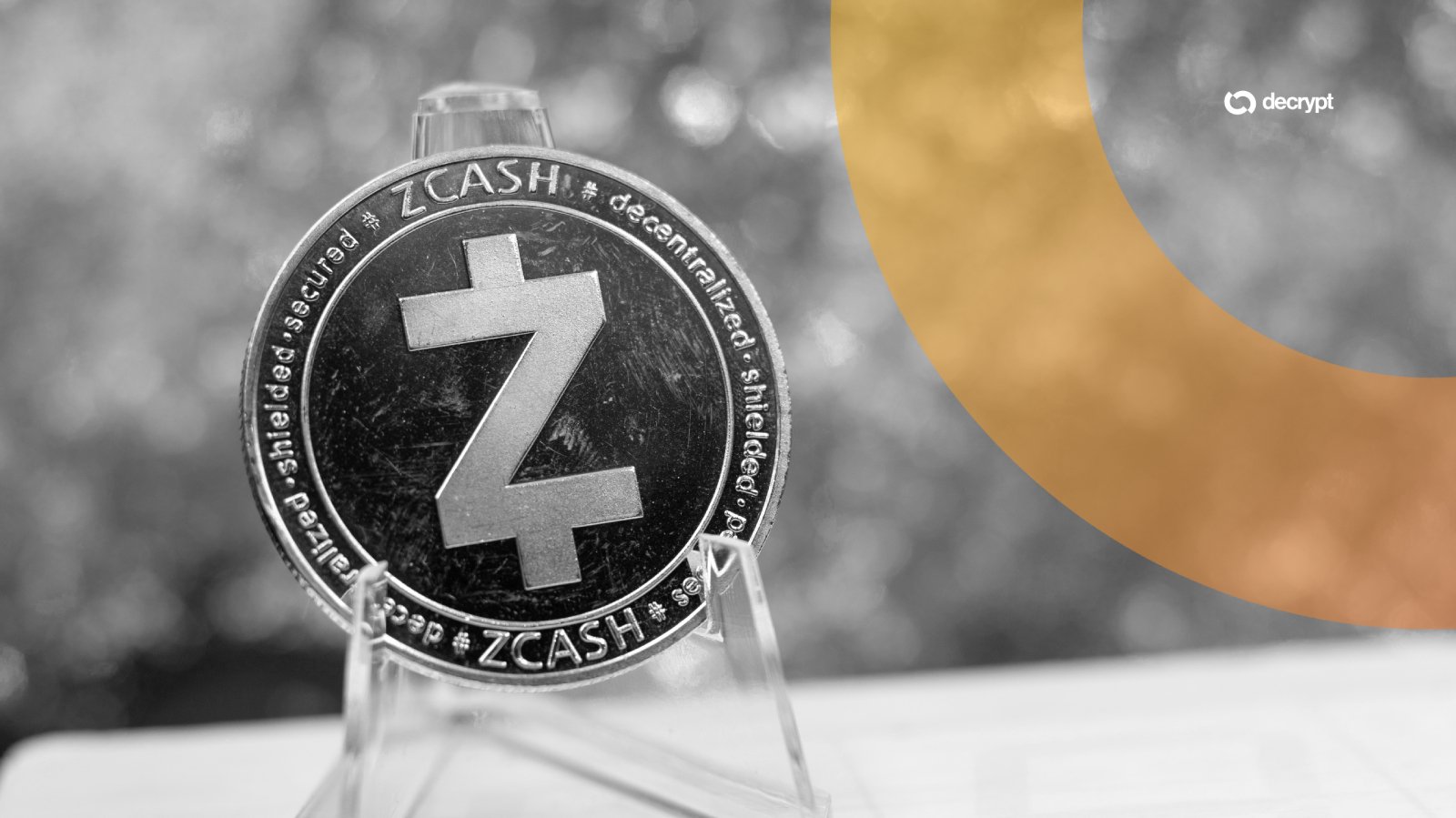
Zcash has experienced a significant price surge of over 62% this week, outperforming major cryptocurrencies like Bitcoin and Ethereum, indicating strong short-term bullish momentum. Market sentiment on ZEC is increasingly optimistic, with prediction markets favoring a further 10% rise to $420 in April, suggesting traders anticipate continued upward price action. While a specific catalyst is unclear, the broader market rally, potentially influenced by geopolitical events, is lifting privacy coins like ZEC and DASH, though other privacy tokens show mixed performance. The recent patching of a critical vulnerability in Zcash's node software at the end of March may have de-risked the asset, potentially contributing to renewed investor confidence and the current price appreciation.

Exodus Pay's launch aims to bridge the gap between self-custodial wallets and everyday spending, potentially increasing utility for stablecoins and Bitcoin by enabling direct use at Visa/Apple Pay merchants. The feature's phased rollout, starting in five US states and expanding nationwide by mid-April, suggests a strategic approach to regulatory compliance while signaling a significant push for broader crypto adoption in payments. By positioning Exodus Pay as an alternative to third-party payment apps, the company seeks to leverage self-custody advantages, potentially attracting users concerned about account control and transaction censorship.
Institutional investors continue to overlook meme coin ETFs, as evidenced by the muted reaction to a Pepe coin ETF filing and the low inflows into Dogecoin ETFs, suggesting a lack of demand for highly speculative digital assets beyond established cryptocurrencies. Despite regulatory clarity that allows for meme coin ETFs, the market is demonstrating a clear preference for established assets like Bitcoin and Ethereum, with altcoin ETFs collectively holding a small fraction of total assets under management. The limited success of Dogecoin ETFs, ranking 17th in inflows, indicates that even with product availability, the underlying asset's speculative nature and lack of a strong institutional investment case hinder broader adoption.
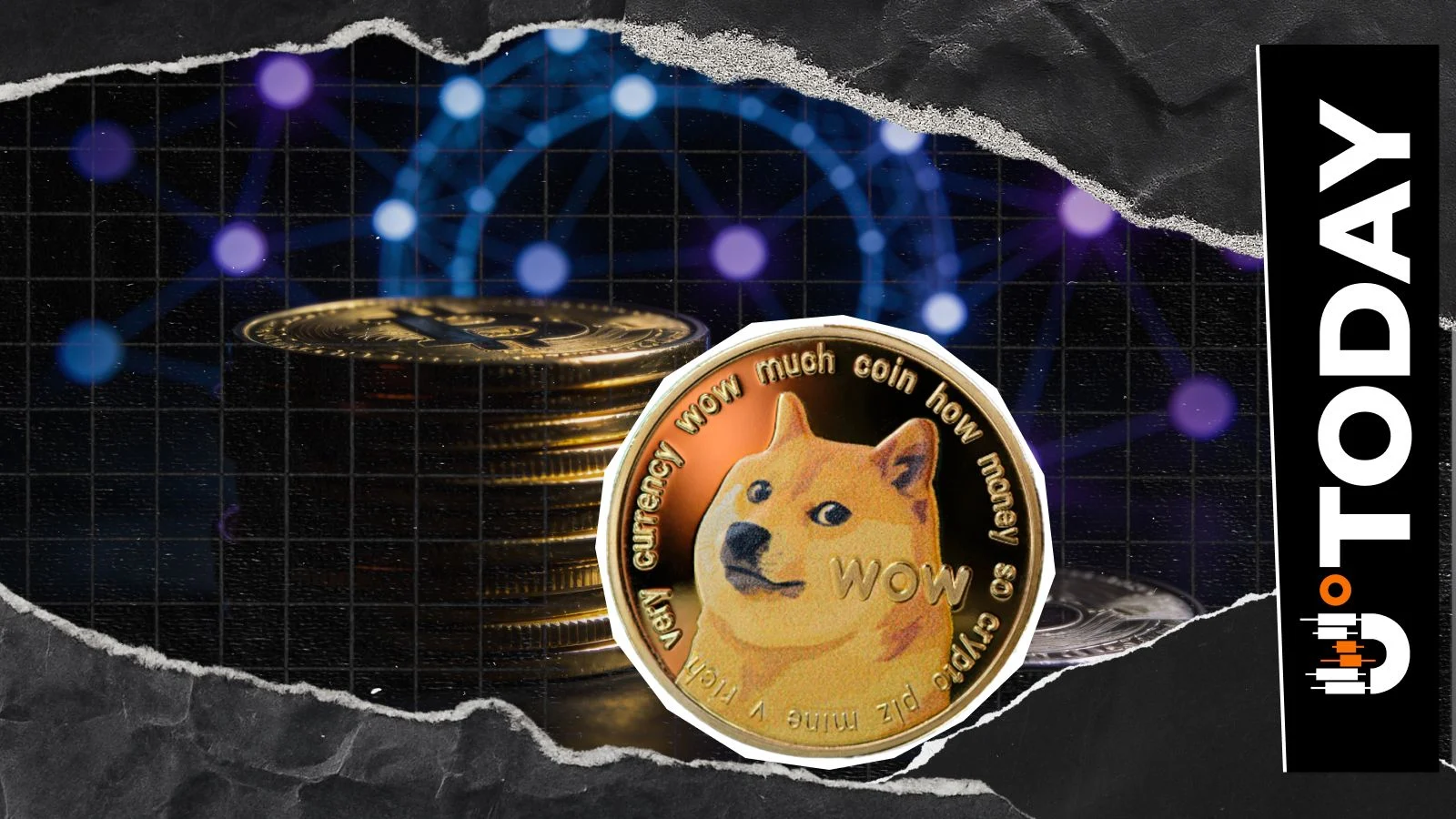
Dogecoin is actively experimenting with quantum-resistant cryptography, a proactive measure against future threats posed by quantum computing. The successful execution of an experimental post-quantum secure transaction on the Dogecoin mainnet signals progress in securing the network against advanced cryptographic attacks. While the development is significant for long-term network security, it represents ongoing research and experimentation rather than an immediate catalyst for price action. Dogecoin's UTXO-based ledger structure allows individual users to mitigate some quantum risks through practices like avoiding address reuse, providing a degree of inherent resilience.
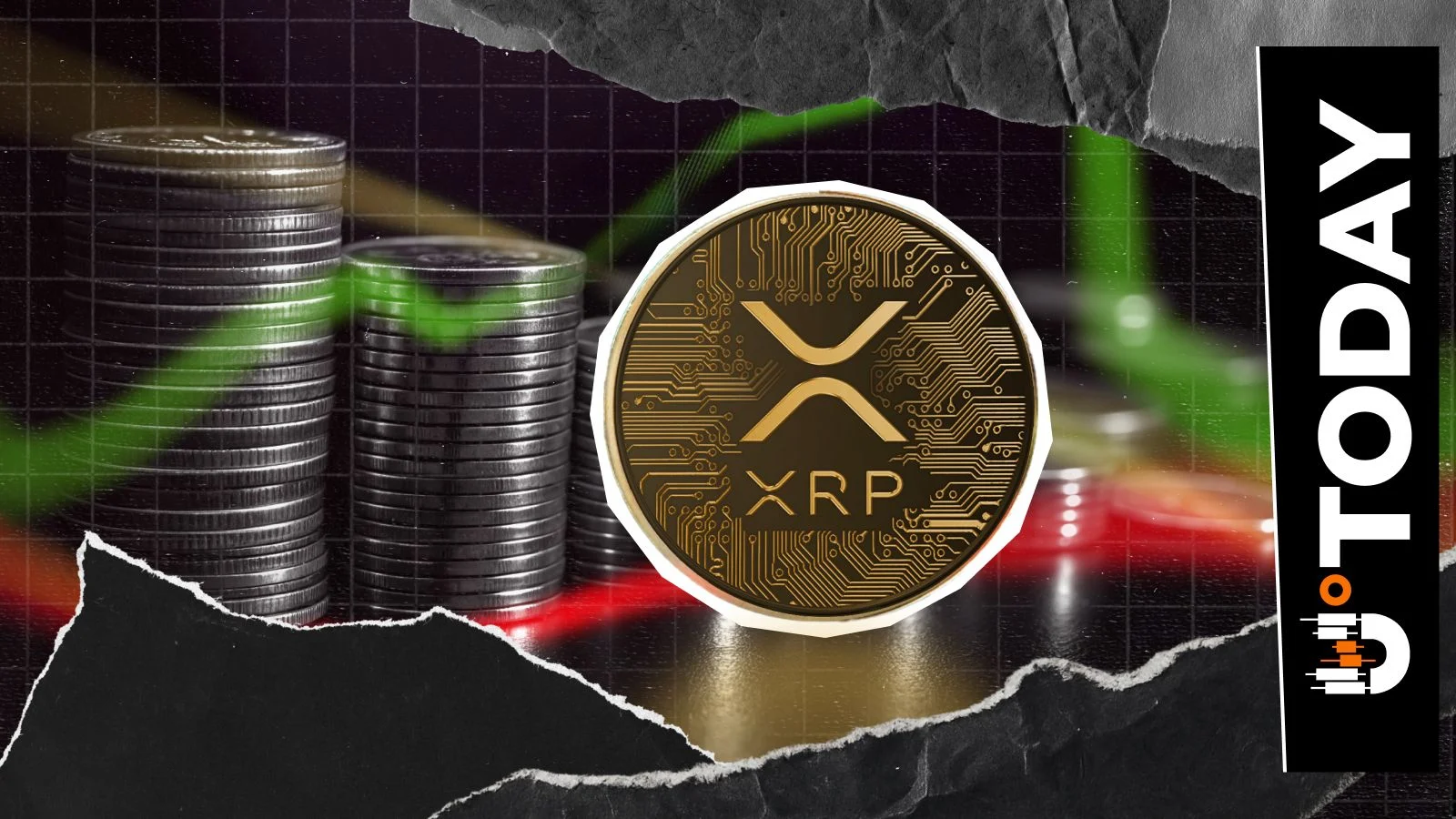
XRP's exchange reserves have declined to 2.74 billion, indicating increased demand and a potential shift in investor sentiment from selling to holding or buying. A significant decrease in exchange reserves suggests holders are moving XRP to private wallets, a bullish signal often preceding price appreciation. With XRP trading at $1.35 and showing a 1.67% daily increase, the current on-chain metrics suggest a potential near-term target of $1.40.
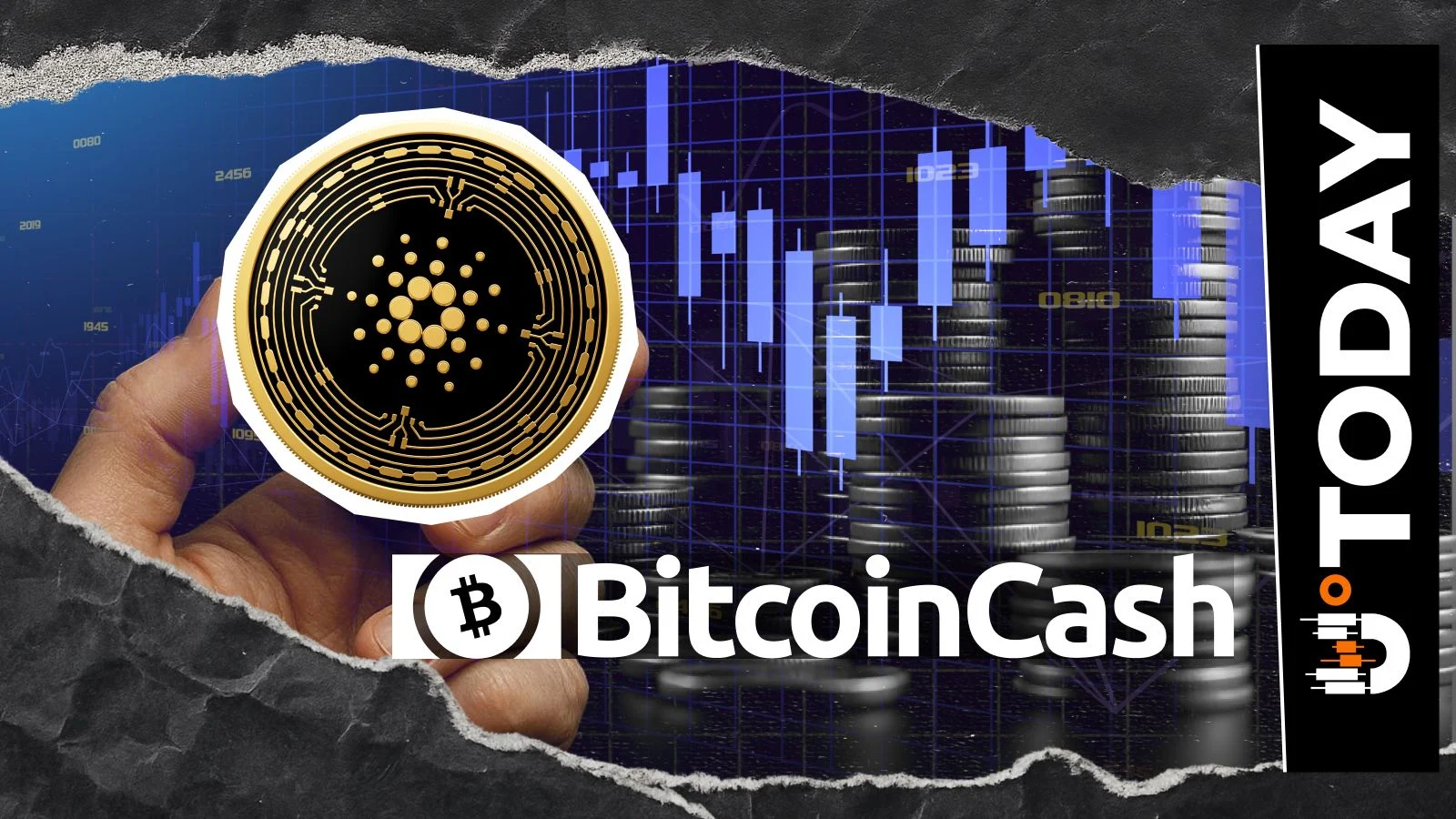
Cardano's market cap has surpassed Bitcoin Cash, reclaiming a top 10 spot, driven by a mild price rebound and positive on-chain metrics. The shift in ranking is attributed to ADA's 2.9% weekly gain versus BCH's 0.21%, reflecting a broader market rally and potential rotation into altcoins. Cardano-specific developments, including growing whale activity and hints of AI integration by Charles Hoskinson, are bolstering investor confidence. Upcoming upgrades like Midnight and Ouroboros Leios, alongside improved developer activity, suggest a strengthening fundamental outlook for ADA relative to BCH.
XRP's Ichimoku Cloud is showing early bullish signals with a Tenkan-Kijun crossover, suggesting a potential trend shift despite still trading below the Kumo, indicating caution is warranted until a full breakout is confirmed. The combination of oversold RSI readings on higher timeframes and compressing volatility, historically a precursor to sharp price movements, presents a potential setup for a XRP breakout. While Ripple's on-chain transfer of 25 million XRP introduces an element of intrigue, its implication for selling pressure remains unclear, requiring further observation of market reaction. The current technical setup for XRP, characterized by early bullish Ichimoku signals and low trading volume, suggests a critical juncture where accumulation may precede a significant volatility event.
Privacy coins like DASH, ZEC, DCR, and XMR have experienced a significant breakout rally since April 4, driven by a broader market risk-on rotation potentially triggered by geopolitical news. The surge is supported by increased trading volume and a narrative shift, with privacy features increasingly viewed as essential for operational confidentiality by businesses, not just for anonymity. Despite regulatory headwinds and exchange delistings, the increasing peer-to-peer volumes and a split in regional regulatory approaches suggest a potential for sustained growth in privacy coin usage and value. If the current risk-on market sentiment persists, the current privacy coin rally could signal a broader market repositioning towards privacy-centric assets, moving beyond niche use cases.

U.S. financial regulators are flagging significant cybersecurity risks associated with advanced AI models like Anthropic's Mythos, signaling increased scrutiny on AI's integration into critical financial infrastructure. The potential for AI models to identify and exploit software vulnerabilities presents a dual-use dilemma, requiring proactive defense strategies from financial institutions to mitigate AI-assisted cyber threats. Anthropic's cautious approach to releasing Mythos, limiting access due to its advanced capabilities, suggests a growing awareness of AI's potential misuse and the industry's evolving approach to responsible AI deployment.
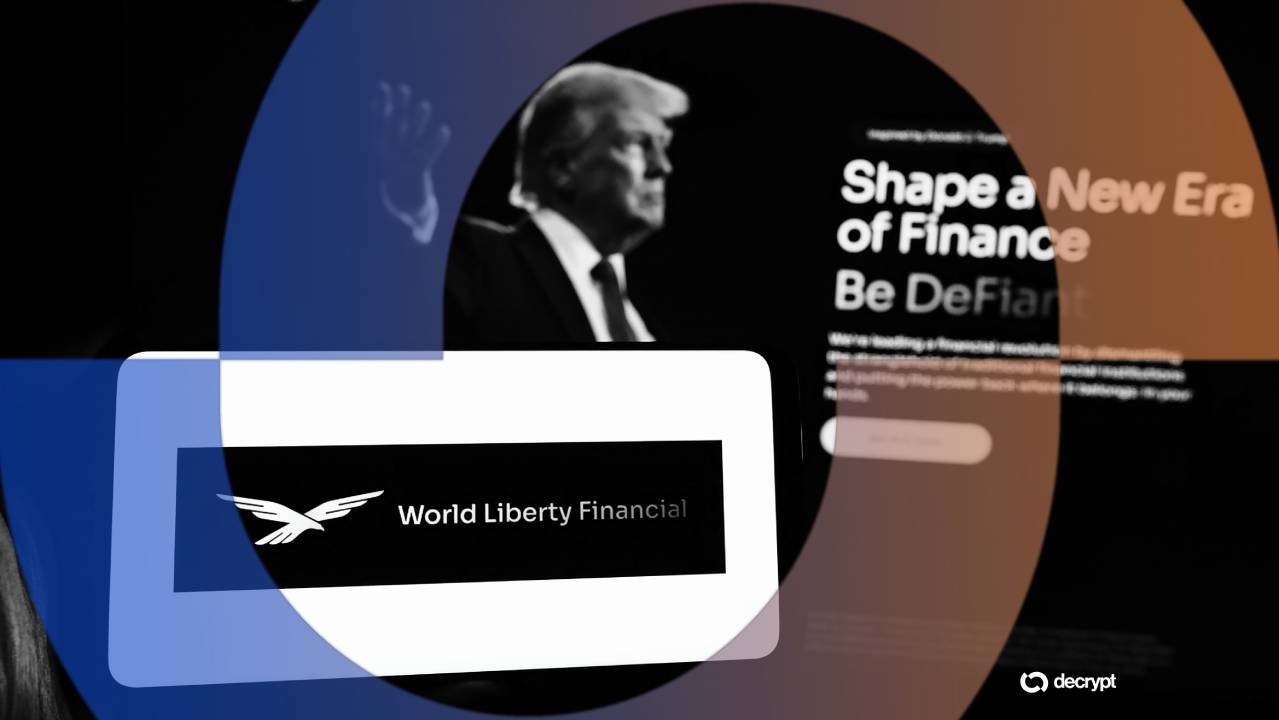
World Liberty Financial's governance token WLFI experienced a significant market cap drop of $427 million due to concerns over its DeFi loan strategy and a proposed token unlock. The project's substantial USDC loans from Dolomite, collateralized by a large portion of WLFI supply, have raised fears of potential bad debt for the DeFi protocol if liquidated. A proposed governance vote to unlock early holder tokens introduces supply-side pressure, potentially exacerbating price declines if not managed with a clear vesting schedule. Despite assurances of not being near liquidation, the lack of clarity on debt repayment and the transfer of borrowed stablecoins to exchanges suggest underlying financial strain.

Allegations of centralized control by BitTensor's founder have led to a significant departure of a key builder, impacting TAO's price and raising questions about the network's decentralization claims. The market reaction to the dispute, with TAO falling over 18%, indicates that investor confidence is sensitive to governance issues and perceived centralization within AI-focused blockchain projects. The departure of Covenant AI and the deprecation of its subnets suggest a potential fragmentation or reduction in network activity, which could negatively affect future development and adoption. Despite founder denials, the market's negative response to the dispute highlights the importance of transparent governance and clear communication in maintaining investor trust for decentralized AI networks.

The core argument for digital asset adoption hinges on providing market participants with choice across networks, tokenization sequencing, custody models, and wallet solutions, rather than imposing a single standard. A lack of interoperability and forced choices could lead to fragmented ecosystems and recreate past financial market inefficiencies, hindering the potential of Web3. The author emphasizes that successful digital asset evolution requires collaboration between infrastructure providers, tech firms, and regulators to build frameworks prioritizing compatibility and interoperability. The article suggests that tokenization should be approached with caution and intentionality, allowing market participants to decide the pace and assets to tokenize based on evolving infrastructure and demand.
Signal context only. Validate with price action, liquidity, and risk limits before taking a position.
Bitcoin approached new local highs near $73,000 following slightly cooler-than-expected US CPI data, indicating potential positive market sentiment despite significant gasoline price increases. The mixed inflation signals, with a historic surge in gasoline prices but overall CPI below expectations, suggest continued uncertainty regarding Federal Reserve interest rate policy, limiting immediate strong directional moves. Traders are closely monitoring key resistance levels around $73,000-$74,000 and support near $71,000, with price action within a narrowing wedge pattern suggesting a potential breakout is imminent.
