
Navigating Crypto News

CoinFeather
Navigating Crypto News

Quick market read from this story
Whale accumulation of TRUMP tokens suggests a short-term bullish sentiment among large holders anticipating a Mar-a-Lago event, despite the token trading near record lows.
The TRUMP token faces significant headwinds from ongoing political scrutiny and regulatory investigations into its association with Donald Trump, introducing substantial risk despite potential event-driven interest.
The intersection of a political event with a memecoin's price action, coupled with regulatory pressure, creates a volatile and uncertain trading environment for the TRUMP token.
Source, catalyst, and sector overlap from the latest feed.
The Fellowship PAC's initial $300,000 expenditure to Nxum Group, co-founded by Tether US CEO Bo Hines, raises questions about transparency and potential self-dealing within crypto political funding. This development marks the first significant ad buy from the crypto-focused Fellowship PAC, signaling increased engagement in U.S. midterm elections and potential influence campaigns for digital asset policy. While Tether International denies affiliation, the direct financial link between a PAC associated with the stablecoin issuer and a firm led by its US CEO highlights the growing intersection of crypto finance and political lobbying.
Live Feed
Loading the broader stream in the same flow as the homepage feed.

A new proposal suggests Bitcoin can achieve quantum resistance through transaction design changes, avoiding protocol-level upgrades and forks. The proposed method replaces current elliptic-curve cryptography with hash-based puzzles and Lamport signatures, shifting computational work to transaction creators. While a potential workaround, the solution is presented as a last-resort measure due to high computational costs and transaction size limitations, indicating it's not a scalable fix for widespread adoption. The development highlights ongoing efforts to address theoretical quantum threats, with companies like Google and Cloudflare already preparing for a post-quantum era by 2029.

The Pi Network's PIRC token design implies a stablecoin-like liquidity for Pi, directly contradicting its observed volatile price action on centralized exchanges. A fundamental disconnect exists between Pi's DEX pricing mechanisms and its CEX speculative trading, raising transparency concerns within the community. The project's silence on the pricing paradox suggests a potential strategic avoidance of addressing the technical inconsistencies between its internal and external market valuations.
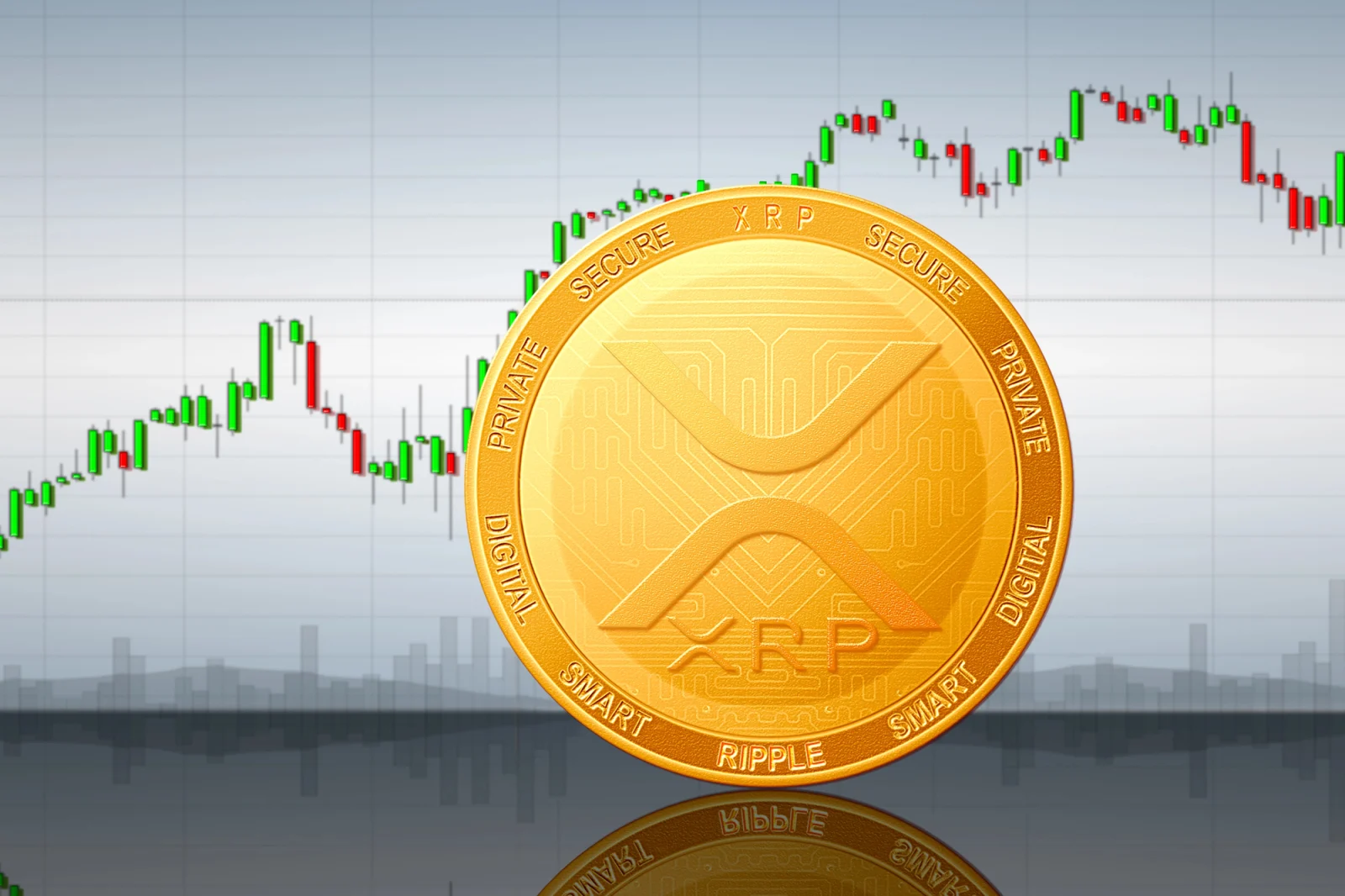
XRP's resurgence to the top 4 by market cap, challenging BNB, signals a potential shift in market positioning, though the overall trend remains downward. The asset is establishing a local base with improving short-term structure, indicating reduced selling pressure, but faces significant resistance at the $1.37-$1.40 range. Investors should view this period as transitional; a break above resistance could lead to further gains, while failure may result in a decline back to the $1.25 level.

Bitcoin is holding above $71,000 despite a weakening geopolitical catalyst, indicating resilience but a lack of on-chain confirmation for sustained demand. The market faces a "confirmation gap" where price action is outrunning on-chain activity, suggesting current support may be flow-driven (ETFs) rather than settlement-driven. Subdued transaction fees and restrained network activity contrast with price resilience, posing a key test for whether Bitcoin can maintain gains without broader on-chain validation. The failed U.S.-Iran talks remove the assumption of a stable macro reset, making the current price action more indicative of a risk-asset reflex than a new demand cycle.
Ethereum's break below the 50 SMA on high volume, coupled with all major holder cohorts at near-zero unrealized profit, signals a weakening technical structure and potential for further downside pressure. The current on-chain data, showing mid-tier whales already in loss and large holders at breakeven, suggests that near-term selling pressure may originate from holders looking to limit damage or exit positions. The $2,175-$2,180 support level is critical as it represents the line between a potential recovery and a return to 2022 bear market conditions, with the broken 50 SMA now acting as overhead resistance. The lack of a resolution in the Iran talks serves as a macro catalyst that has removed previous support, leading to the current technical breakdown and on-chain pressure.
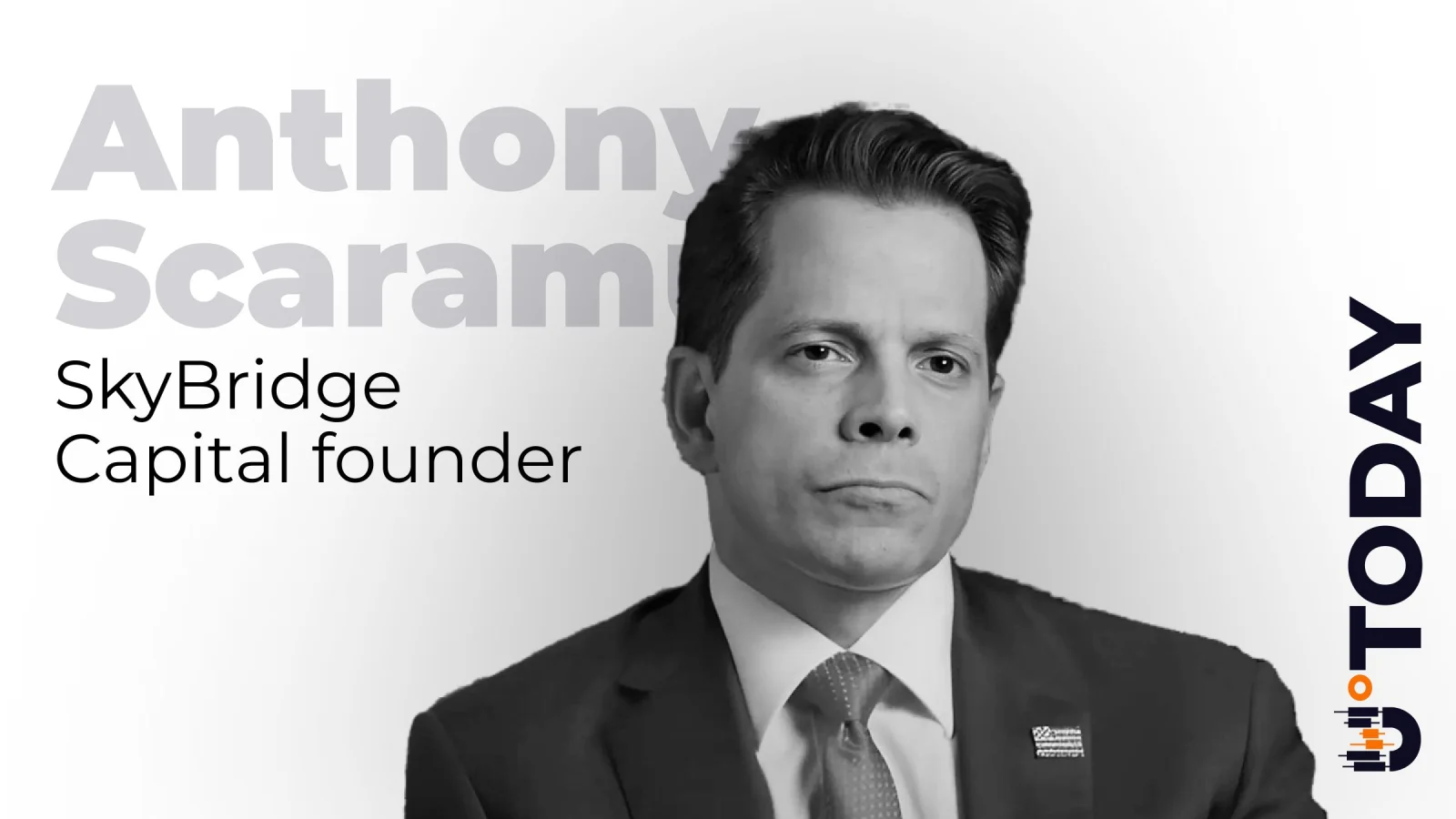
Anthony Scaramucci's commentary suggests that despite recent price volatility and liquidations, the fundamental value of Bitcoin remains unchanged, implying that long-term holders should maintain conviction. The article highlights a significant weekend sell-off with substantial liquidations, indicating short-term speculative positions were heavily impacted, which could lead to further short-term price discovery. Scaramucci's 'nothing stops this train' assertion, coupled with his acknowledgment of a potential bear market and revised price targets, frames the current downturn as a test of endurance rather than a fundamental failure of the asset.
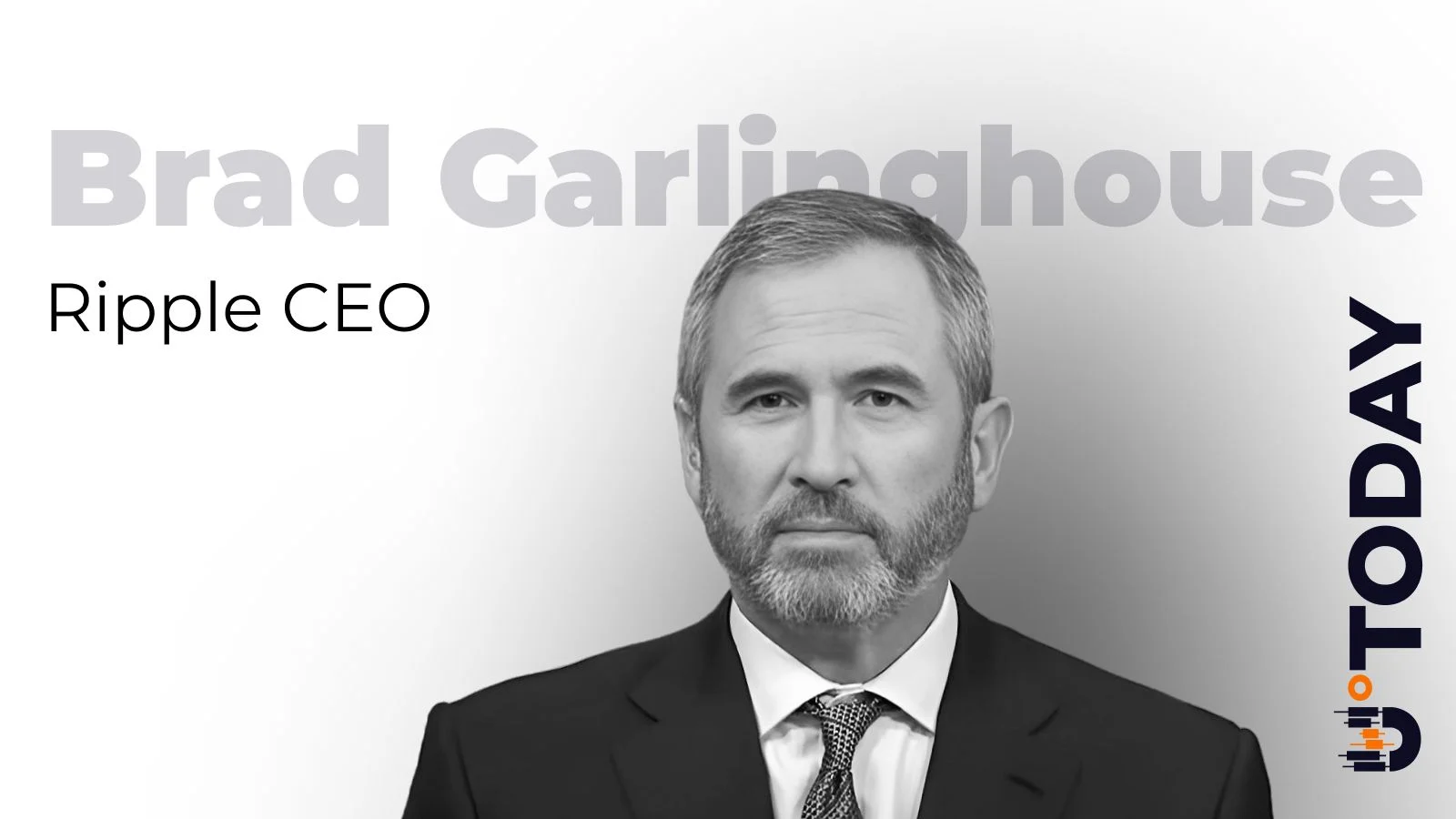
The XRP community is being warned about ongoing impersonation scams on social media, particularly on Instagram, targeting users with fake giveaways. Scammers are impersonating Ripple CEO Brad Garlinghouse and other officials, requesting users send XRP with promises of larger returns, a tactic highlighted by Ripple CTO Emeritus David Schwartz. Ripple reiterates its policy against asking for funds or personal information, emphasizing that official communications will not occur through unofficial channels like Telegram, and advising users to be wary of fake livestreams and deepfake videos.

The public dispute between Craig Wright and David Schwartz highlights differing philosophical views on decentralization and protocol governance, potentially influencing market perception of Bitcoin's immutability versus XRP's controlled evolution. Wright's accusation that Schwartz projects XRP-style control onto Bitcoin suggests a narrative clash that could impact investor confidence in the fundamental design principles of different blockchain ecosystems. This debate, while philosophical, touches upon core tenets of blockchain design, implying that ongoing discussions about control and governance could be a subtle factor for traders evaluating the long-term value proposition of Layer 1 protocols.
X's reduction in payouts to crypto news aggregators signals a shift away from incentivizing content aggregation towards original creation, potentially impacting information flow and market analysis quality. The move by X to curb revenue for aggregators could lead to a cleaner information environment by reducing noise from repetitive 'BREAKING' news, potentially benefiting smaller, original content creators. Traders may need to adapt to potentially slower dissemination of aggregated news, while focusing more on direct sources or analysts who can provide original insights amidst reduced aggregator influence. While aiming to improve content quality, there's a risk that X's policy change could inadvertently remove valuable, rapid information filtering provided by some aggregators, impacting market participants' access to timely data.

Polymarket's brief appearance in Google News search results, attributed to an error, highlights the ongoing integration challenges and visibility issues for decentralized prediction markets within mainstream information ecosystems. Despite the error, Polymarket's prior partnerships with Google Finance, X, and MetaMask indicate a strategic push for broader adoption and integration, suggesting continued efforts to bridge prediction markets with traditional platforms. The article's discussion on the low profitability of most Polymarket traders underscores the speculative nature of prediction markets and suggests that while adoption may grow, consistent financial success remains a significant hurdle for the average participant.

Peter Schiff's commentary on Bitcoin's price dip highlights a recurring narrative from skeptics, but the market context shows a significant liquidation event impacting over-leveraged traders. The recent price drop, while framed by Schiff as a sign of overvaluation, triggered substantial liquidations, indicating potential short-term volatility and pressure on leveraged positions. Despite Schiff's bearish pronouncements, the article notes Bitcoin's substantial long-term gains, suggesting that short-term price fluctuations are often amplified by market sentiment and leverage.

The termination of Ether Machine's SPAC merger highlights a cautious market sentiment towards new public listings of crypto-focused firms, potentially impacting future institutional fundraising efforts. Deteriorating market conditions cited as the reason for the deal's collapse suggest broader macroeconomic headwinds are influencing the crypto industry's traditional finance integration plans. The failure of this $1.5 billion ETH fund plan, coupled with other Ethereum treasury exits, indicates a potential shift away from large-scale ETH accumulation strategies among institutional players.
Signal context only. Validate with price action, liquidity, and risk limits before taking a position.
Geopolitical tensions, specifically related to Iran, are causing Western banks to de-risk trade finance, leading commodity traders to seek alternative settlement methods like stablecoins. The increasing reliance on stablecoins like USDT for trade settlement highlights their growing utility beyond crypto trading, driven by demand for fast, liquid, and accessible cross-border payment solutions. While stablecoins offer a workaround for traders facing banking restrictions, they are currently viewed as a temporary solution rather than a fundamental fix for trade finance inefficiencies. The 'debanking' trend in commodity markets, exacerbated by geopolitical risks, could inadvertently accelerate broader crypto adoption as traditional financial institutions withdraw.
