
Navigating Crypto News

CoinFeather
Navigating Crypto News

Quick market read from this story
Increased U.S. enforcement actions, including an FBI-created token sting operation, signal a shift towards prosecuting crypto market manipulation as wire fraud, impacting market integrity and investor trust.
The pervasive nature of wash trading, particularly in lower-cap tokens and unregulated exchanges, highlights a persistent challenge for market participants and regulators seeking to establish fair trading environments.
While enforcement actions like the DOJ's case against alleged wash trading firms may initially create uncertainty, they are likely to strengthen the asset class long-term by fostering greater institutional scrutiny and weeding out illicit practices.
The FBI's novel approach of using a custom token to expose manipulation services indicates a more sophisticated and proactive stance by law enforcement, suggesting a higher likelihood of future crackdowns on market manipulation.
Deep Dive
U.S. federal prosecutors have charged 10 individuals in connection with an alleged international operation to manipulate cryptocurrency markets through wash trading, a scheme involving the artificial inflation of trading volumes and prices. The case, which stemmed from an undercover FBI operation using a self-created token to identify firms offering manipulation services, highlights the persistent issue of fake volume in the crypto space.
The indictment targets individuals linked to firms such as Gotbit, Vortex, Antier, and Contrarian, accusing them of coordinating trades to create a false impression of demand before selling tokens at inflated prices. Experts like Jason Fernandes of AdLunam and Stefan Muehlbauer of Certik confirmed that wash trading remains a widespread problem, particularly for lower-cap tokens and on unregulated exchanges. "It’s far more common than most investors realize," stated Fernandes.
This enforcement action follows a previous case where Gotbit Founder Aleksei Andriunin pleaded guilty to wire fraud and conspiracy to commit market manipulation, agreeing to forfeit $23 million for his role in a "wide-ranging conspiracy" to manipulate token prices for clients.
Wash trading persists in the crypto market because liquidity is often perceived as volume, which in turn attracts attention, listings, and capital. "Volume attracts attention, listings and capital, so inflating it becomes a shortcut to relevance," explained Fernandes. The practice involves coordinated accounts trading with each other to simulate demand, a service often outsourced to market makers paid to create the illusion of organic trading activity.
Fernandes noted that this manipulation is not limited to rogue actors but often involves projects, market-making firms, and even exchanges themselves, all benefiting from higher reported volumes. The U.S. Department of Justice indicated that the indicted firms used such tactics to inflate volumes and prices, leading to the sale of tokens at artificially high levels to unsuspecting investors.
Research supports the prevalence of inflated activity, with a Columbia University analysis of Polymarket finding approximately 25% of its historical volume showed signs of wash trading. Earlier data from Dune Analytics also suggested that tens of billions in NFT trading volume on Ethereum stemmed from similar wash trading activities.
Stefan Muehlbauer of CertiK emphasized that the U.S. Department of Justice's actions signal a coordinated global crackdown on crypto market manipulation. "The ‘wild west’ era of crypto market manipulation is facing a coordinated, global crackdown," he stated, adding that wash trading remains a significant concern despite these indictments.
The underlying incentives for wash trading remain strong, as token issuers often face pressure to meet exchange listing requirements tied to trading volume. Muehlbauer described the core motivation as creating an "illusion of value," which distorts price discovery, masks weak liquidity, and misdirects capital based on false signals. "Victims are investors relying on that liquidity and high volume data," Fernandes added, noting that wash trading leads to "mispriced risk and capital flowing based on signals that aren’t real."
The FBI's use of an undercover token to identify manipulation services marks a significant shift, signaling that crypto market structure is now firmly in the realm of enforcement. This increased scrutiny is pushing market participants to differentiate between legitimate liquidity provision and outright manipulation. While regulated exchanges are enhancing surveillance tools and analysts are looking beyond headline volume to metrics like order book depth and slippage, the DOJ case underscores the pervasive nature of wash trading and its detrimental impact on trust in crypto markets.
Fernandes believes that such enforcement actions, while highlighting current issues, may ultimately strengthen the asset class by moving crypto from a loosely policed frontier market to one that can withstand institutional scrutiny. Muehlbauer concluded, "the message to the industry is clear: what was once brushed off as ‘market making’ is now being prosecuted as wire fraud and market manipulation."
Source, catalyst, and sector overlap from the latest feed.
Coinbase's x402 protocol joining the Linux Foundation signals a move towards open-source standardization for AI-driven micro-transactions, potentially addressing limitations of traditional finance. The broad industry support from major tech and finance players like Google, Stripe, and AWS indicates significant interest in developing a common infrastructure for agentic commerce. This initiative could establish a new standard for high-frequency, low-value transactions, akin to SSL for web security, which may unlock new use cases for AI agents and decentralized systems.
Postquant Labs' launch of a quantum-classical blockchain testnet, in collaboration with D-Wave, explores the potential for quantum computing to enhance blockchain performance, contrasting with the prevailing view of quantum computing as a threat to encryption. The testnet's success hinges on proving quantum advantage in speed, energy efficiency, and solution quality for specific optimization problems, a claim currently supported by internal tests but awaiting independent verification before a mainnet launch. While D-Wave provides hardware access and consultation, their involvement is limited, and the testnet's utility token, QUIP, is designed to reward participants for computation, creating a potential new economic model for network resources.
SoFi's new business banking platform integrates traditional fiat with stablecoins, aiming to streamline 24/7 financial operations for crypto-native companies. The platform's ability to convert USD to stablecoins and vice-versa instantly within a regulated bank reduces reliance on multiple intermediaries and settlement delays. Early partnerships with major crypto firms like Cumberland and Wintermute suggest strong industry interest in bridging traditional finance and digital asset infrastructure. The launch of SoFiUSD, a stablecoin issued directly by a regulated bank, could set a precedent for compliant stablecoin issuance within traditional financial systems.
Europe's first onchain IPO by Lise and ST Group signifies a major step in tokenizing traditional securities, potentially lowering costs and increasing efficiency for future public offerings. This development validates the EU's DLT pilot regime and sets a precedent for other European exchanges and smaller firms seeking public market access via blockchain. The successful execution of this onchain IPO could accelerate the adoption of tokenized assets and blockchain infrastructure within traditional finance, impacting established market players.
The $250 million Drift exploit highlights that DeFi security risks extend beyond smart contracts to the management and auditing of administrative keys, suggesting a need for enhanced operational security protocols. The exploit on Drift, a Solana-based DEX, has contributed to SOL's price decline, underscoring the interconnectedness of protocol security and the performance of underlying Layer 1 assets. The incident emphasizes that compromised administrative keys can grant 'god-like control,' enabling attackers to manipulate critical parameters like collateral markets and oracles, leading to substantial asset drain.
Ripple's CTO addressed concerns about bank adoption of XRP by stating that banks would not decline profitable infrastructure simply because a vendor benefits alongside them, implying that the adoption of Ripple's services is not solely dependent on XRP's direct use. Despite Ripple's overall success in processing $13 trillion in payments, the article highlights that a significant portion of banks using RippleNet only leverage it for messaging, with XRP not being used as a bridge asset in many transactions, indicating a gap between Ripple's infrastructure adoption and XRP's direct utility. The potential passage of the CLARITY Act is identified as a key variable that could alter the adoption landscape for XRP by providing a clear compliance pathway for banks to use XRP as a bridge asset, suggesting that regulatory clarity is a primary catalyst for broader XRP adoption. Ripple's recent launch of Digital Asset Accounts and Unified Treasury, following its national trust bank charter, integrates XRP and RLUSD into corporate treasury management, offering a unified interface for digital assets and fiat, which could influence institutional adoption strategies.
A potential deal on stablecoin rewards within the CLARITY Act could resolve a key dispute, signaling progress towards broader regulatory clarity for digital assets and potentially easing institutional adoption concerns. The resolution of the stablecoin rewards debate, a primary sticking point, could accelerate the passage of the CLARITY Act, which aims to define SEC and CFTC jurisdiction, thereby reducing regulatory uncertainty for crypto firms. While a deal on stablecoin rewards is anticipated this week, the broader market structure bill's markup is still slated for later in April, indicating that while progress is being made, the full legislative outcome remains subject to further negotiation and committee action. The CLARITY Act's potential to provide legal clarity for assets like XRP, as suggested by Evernorth, could unlock significant institutional interest and adoption if it clarifies their classification as commodities rather than securities.
The Clarity Act's stablecoin yield provisions are nearing a legislative deal, potentially unlocking a key revenue stream for U.S. exchanges like Coinbase and reducing reliance on offshore platforms. Despite banking sector concerns, Coinbase's CLO stated there is no evidence of significant deposit flight to stablecoins, potentially easing regulatory fears and paving the way for bill passage. The potential passage of the Clarity Act, with a 65% probability according to prediction markets, could provide much-needed regulatory clarity, impacting Coinbase's stock performance and the broader stablecoin market.
The US Treasury's proposed GENIUS rule establishes a federal framework for stablecoin governance, aiming to transition the market from fragmented regulation to a coordinated national system. The rule defines a $10 billion ceiling for state-licensed stablecoin issuers, signaling that larger-scale operations will be required to operate under federal oversight, potentially driving market concentration. This regulatory clarity, while potentially increasing compliance overhead, could reduce uncertainty for institutional adoption and pave the way for significant market growth, as projected by financial institutions. The proposed framework prioritizes federal control over reserve assets, redemption, and compliance, indicating that future stablecoin innovation and issuance will occur on Washington's terms.
HDFC Bank's stock shows a slight uptick despite ongoing penalties against executives for AT1 bond mis-selling, indicating market resilience to internal compliance issues. The continued disciplinary actions against multiple executives, including severe penalties for some, suggest a significant internal control failure that may continue to weigh on investor sentiment. The bond mis-selling controversy, linked to the Credit Suisse AT1 bond write-off, highlights risks in complex financial products and potential regulatory scrutiny for banks involved in such instruments.
Bitcoin Everlight (BTCL) is launching a new platform aiming to democratize Bitcoin earnings through a $100 entry point, potentially attracting new retail investors seeking passive income without direct mining or fractional ownership. The project highlights a shift towards infrastructure utility, positioning itself as a high-efficiency transaction and routing layer for Bitcoin, which could signal a broader trend of projects building on top of established Layer 1s. With a projected listing price of $0.03110 and current presale tokens at $0.0012, early participants are positioned for significant potential upside if the project achieves its stated goals and market adoption. The emphasis on security through audits by Spywolf and Solidproof, along with KYC for the team, aims to build institutional-grade trust, which is crucial for attracting broader investor interest in a new token offering.
Pi Network's upcoming cross-chain bridge aims to enhance interoperability, potentially unlocking new utility and integrations with other blockchains. The integration of KYB verification alongside the bridge suggests a strategic move towards onboarding legitimate Web2 and Web3 businesses, signaling a push for real-world adoption. Despite significant infrastructure development, Pi Coin's price action remains subdued, indicating that the market is awaiting tangible utility growth and broader ecosystem adoption before repricing.
Live Feed
Loading the broader stream in the same flow as the homepage feed.
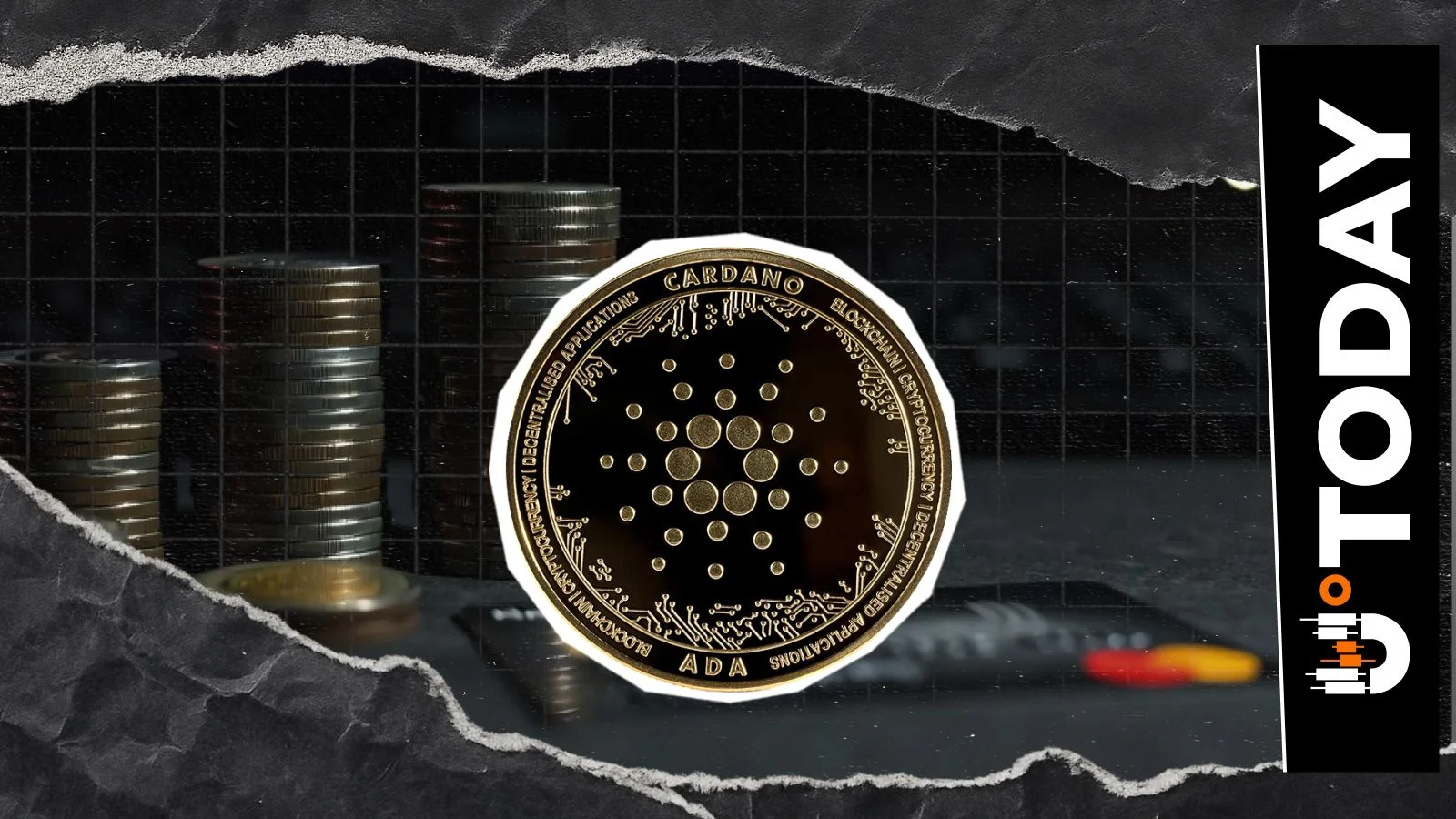
EMURGO's progress in the Mastercard "qualification stage" for Cardano integration signals a potential for increased institutional adoption and payment network integration for ADA. While not a confirmed partnership, reaching the qualification stage suggests Cardano's technical capabilities are being evaluated, which could lead to broader use cases and potential price appreciation if successful. The call for community support highlights the importance of demonstrating a strong user base to Mastercard, potentially influencing demand for services if Cardano is integrated into their crypto initiatives.

Bitcoin has broken a critical support level around $66,894, failing to reclaim it on retest, which shifts the near-term structure lower and increases the probability of further downside toward $61,726. The concurrent rise in the US Dollar Index and Brent crude oil creates a tighter macro environment for risk assets, suggesting that any immediate Bitcoin recovery will face increased headwinds. The price action indicates that buyers are losing urgency to defend support levels, a pattern that has historically led to deeper price discovery towards established lower support zones.

Tokenization's true value lies in upgrading existing liquid assets like dollars and bonds, not in niche or illiquid assets, as this approach leverages massive existing demand and reduces financial frictions. The success of stablecoins demonstrates that tokenizing highly liquid assets with established frameworks creates immediate utility and network effects, paving the way for tokenized treasuries and equities. Applying tokenization to core financial primitives like money and debt compresses settlement times and reduces intermediary costs, fundamentally altering financial operations and capital efficiency. While NFTs and bespoke RWAs have cultural or speculative value, their fragmented and legally ambiguous nature prevents them from becoming a foundational economic layer, unlike liquid assets.

Metaplanet's significant Q1 Bitcoin acquisition of 5,075 BTC, averaging $79,900, positions it as the third-largest corporate Bitcoin treasury, signaling continued institutional adoption and a strategic shift towards Bitcoin as a primary treasury asset. The firm's ambitious '555 Million Plan' targeting 100,000 BTC by year-end and 210,000 BTC by 2027, despite recent stock price underperformance, indicates a strong conviction in Bitcoin's long-term value and a potential catalyst for future capital raises. Metaplanet's rise in treasury rankings, partly due to MARA Holdings' large BTC sale, highlights the dynamic nature of corporate Bitcoin holdings and the potential for significant shifts based on individual company strategies and market conditions.
Geopolitical tensions and increased risk aversion are pressuring silver prices, with a stronger USD and rising oil prices exacerbating the sell-off. Silver's technical breakdown below the $72.41 pivot suggests potential for further downside, with key support levels identified around the mid-$60s. The market is repricing risk assets due to heightened Middle East conflict concerns, impacting investor sentiment and leading to a flight towards safer assets like the US dollar.
Bitcoin experienced a significant price drop to $66,000, driven by a shift in geopolitical sentiment related to Iran, causing it to erase recent gains and trade below key technical levels. Despite the broader market downturn, specific altcoins like STO, NOM, and ONT are showing resilience and outperforming due to their own organic catalysts, suggesting sector-specific opportunities amidst macro-driven volatility. ONT's recent surge is attributed to a significant partnership with European officials for the eIDAS 2.0 framework, highlighting the potential for real-world adoption to drive token value independently of broader market sentiment. The market is exhibiting a divergence where macro-economic and geopolitical news heavily impacts major assets like BTC and ETH, while individual project developments and partnerships are creating isolated bullish narratives for select altcoins.

The Drift Protocol exploit, while significant, has indirectly created artificial buy pressure on Ethereum by converting stolen assets into ETH, masking underlying demand weakness. Ethereum's current price stability above $2,000 is fragile, supported by event-driven capital rather than organic market conviction, suggesting potential for sharp moves in either direction. Traders should monitor the flow of the $267M in ETH accumulated post-exploit; its movement could signal a shift from temporary support to accelerated downside pressure.
Scottie Pippen's personal financial journey, marked by significant career earnings and subsequent setbacks, highlights the volatility of wealth management, even for high-profile individuals. Pippen's engagement with Bitcoin, including his claims of receiving price predictions from Satoshi Nakamoto, introduces a celebrity endorsement angle to the cryptocurrency market, potentially influencing retail sentiment despite the speculative nature of his claims. The article frames Pippen's crypto involvement as part of a broader trend of celebrity adoption, suggesting his voice could attract attention to digital assets, though his lack of technical expertise limits direct market impact.
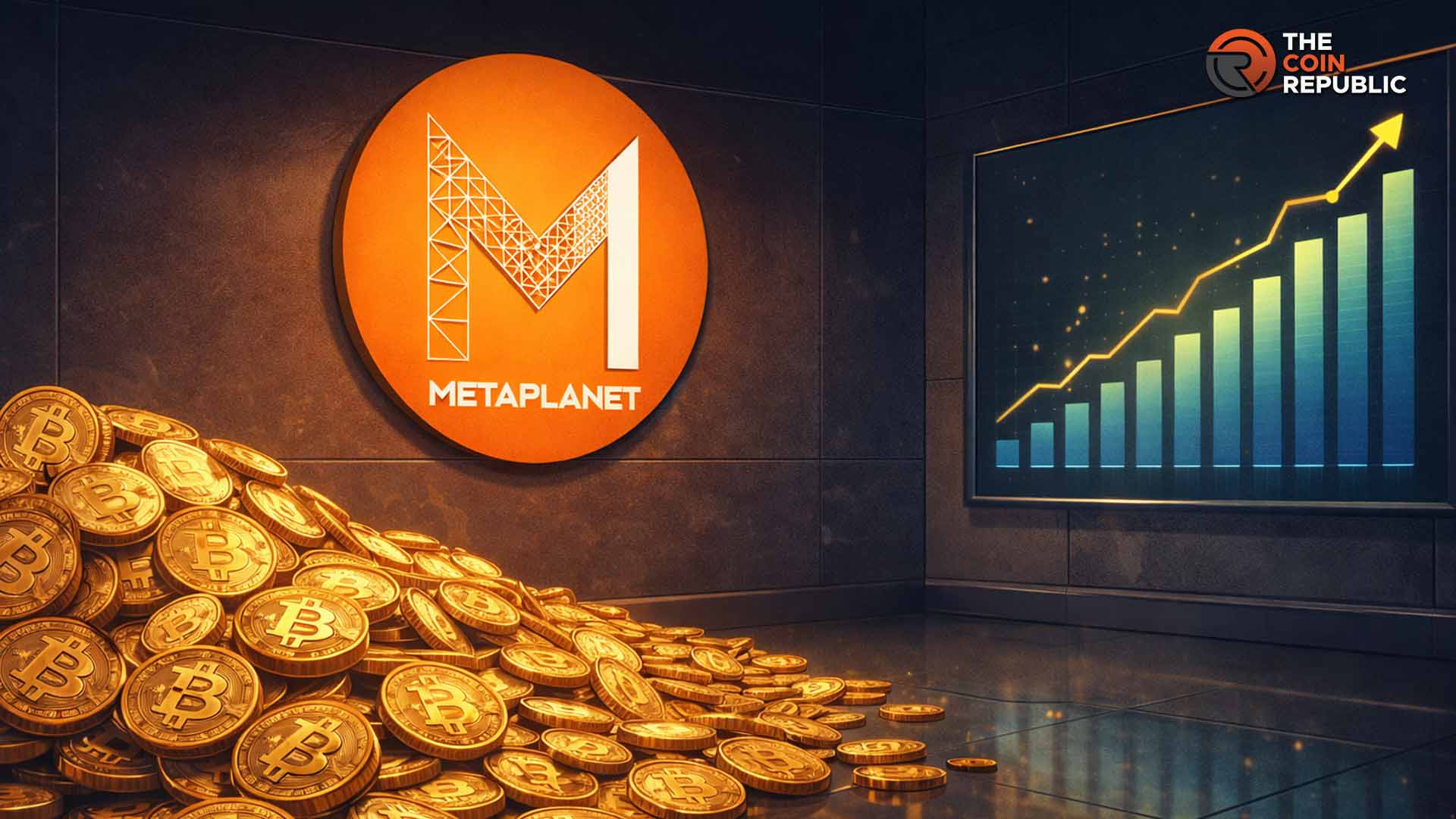
Metaplanet's continued Bitcoin accumulation, adding 5,075 BTC in Q1 2026, signals sustained corporate belief in Bitcoin as a reserve asset despite mixed market sentiment. The negative Coinbase Premium indicates subdued demand from US investors, suggesting a potential divergence between institutional accumulation and retail sentiment in the short term. With 43% of Bitcoin supply now held at a loss and testing the realized price, the market may be nearing a bottoming phase as weaker holders capitulate, potentially setting up for a future recovery. The contrasting signals of corporate buying and weak US retail demand create a complex market dynamic, implying potential volatility as these forces play out.
The ISM Manufacturing PMI rising above 50 for three consecutive months signals a potential shift in macroeconomic conditions that historically correlates with crypto bull runs, suggesting improved liquidity and risk appetite could drive asset prices higher. Raoul Pal's analysis linking Bitcoin's performance directly to the business cycle, specifically the ISM, suggests a five-year cycle peaking around 2026, implying that current macro trends could be a primary driver for the next major crypto rally, potentially overriding traditional halving cycle timelines. Institutional investors' expectation for crypto price increases within 12 months and plans to boost exposure in 2026, as indicated by a Coinbase survey, suggests growing institutional conviction that could fuel significant capital inflows into the market. While manufacturing expansion is a bullish signal, ongoing geopolitical developments and regulatory uncertainties in the US remain key external risks that could temper the positive macro outlook and impact crypto market performance.
Shiba Inu indicator that suggests traders' positioning takes a hit as the crypto market sees fresh selling.

Binance's launch of the Digital Resilience Lab in Ukraine signifies a strategic investment in fostering Web3 development and digital infrastructure within a key geopolitical region. The program's focus on grants, mentorship, and ecosystem support for students, veterans, and entrepreneurs suggests a long-term commitment to building local talent and practical blockchain solutions. This initiative by Binance highlights a broader trend of major crypto players engaging in nation-building and digital resilience efforts, potentially influencing future adoption and regulatory landscapes.
Signal context only. Validate with price action, liquidity, and risk limits before taking a position.
