
Navigating Crypto News

CoinFeather
Navigating Crypto News
Source, catalyst, and sector overlap from the latest feed.
Renewed geopolitical tensions stemming from President Trump's speech are driving a sharp decline in US stock futures, signaling increased market anxiety and a potential risk-off sentiment. Surging oil prices, up 9% for WTI, directly impact economic costs and corporate margins, creating headwinds for equity markets that are already sensitive to inflation and supply chain concerns. The timing of key economic data releases, particularly the March jobs report, juxtaposed with a shortened trading week and ongoing geopolitical uncertainty, suggests heightened volatility upon market reopening. Despite the focus on geopolitical events, the market's reaction to the Iran conflict and rising oil prices indicates a persistent sensitivity to supply-side shocks that could influence broader asset class performance.
Live Feed
Loading the broader stream in the same flow as the homepage feed.

Long-term holder supply approaching historical bear market bottom levels suggests a potential floor, but the market may face several more months of range-bound trading before a sustained recovery. The current market dynamic is characterized by 'time pain' rather than sharp price drops, indicating a period of consolidation that could test investor patience and lead to exhaustion. While 80% of Bitcoin supply is held by long-term holders, the historical 85% threshold for confirmed bear market bottoms suggests further accumulation or holding is needed, implying a lack of immediate bullish catalysts.
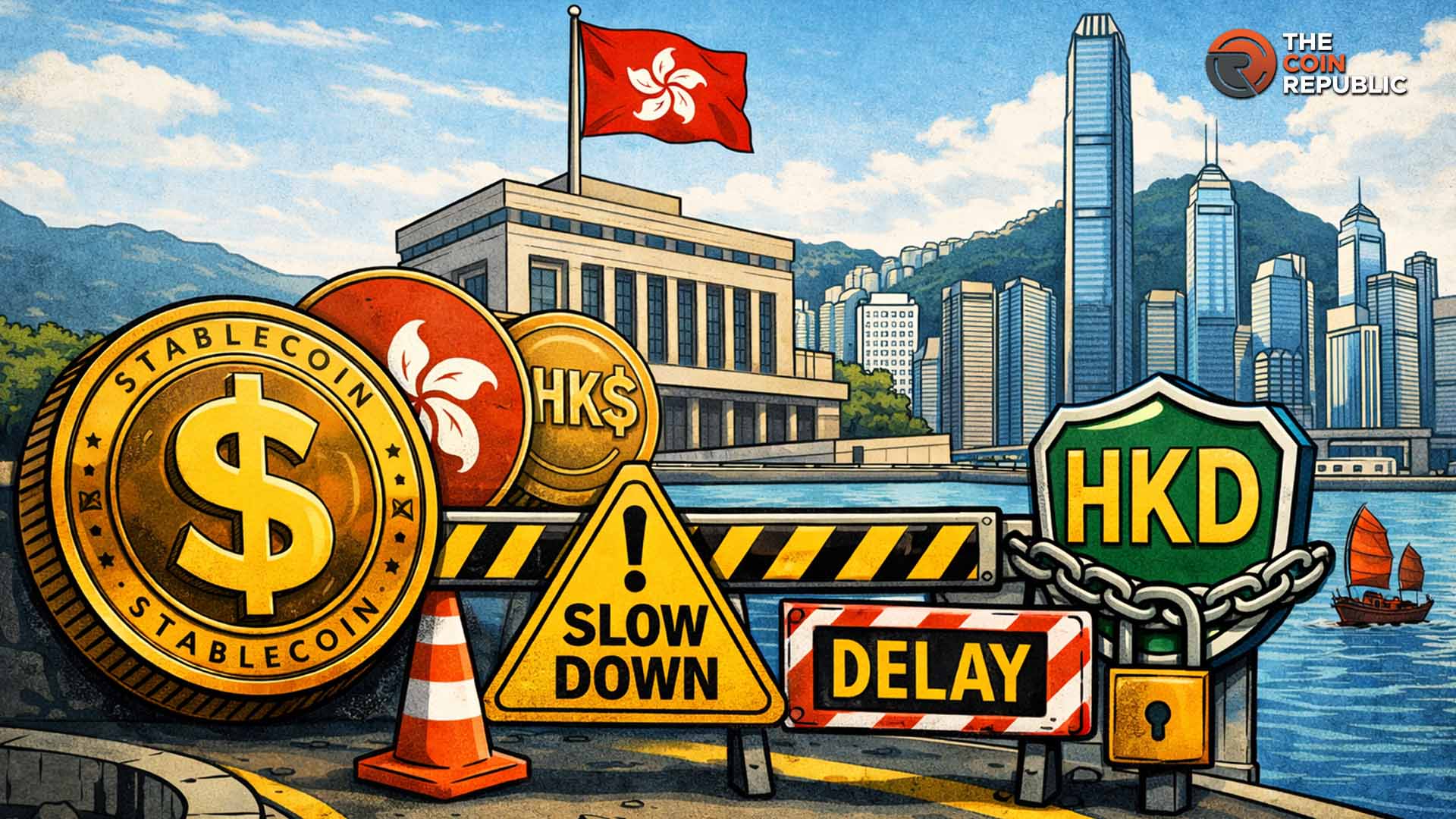
Hong Kong's missed March target for HKD stablecoin licenses introduces near-term uncertainty for issuers and potential investors. The delay underscores the Hong Kong Monetary Authority's commitment to stringent AML and KYC compliance, signaling a preference for regulated growth over rapid market entry. While execution is slower than anticipated, the established regulatory framework and continued institutional interest from banks like HSBC and Standard Chartered suggest potential for future credibility and adoption once licenses are granted.

The continued relevance of MetaTrader 4 (MT4) for algorithmic trading, driven by its extensive library of Expert Advisors (forex robots), highlights a persistent demand for accessible automated trading tools among retail traders. MT4's robust backtesting and demo testing capabilities, combined with its low system requirements, provide a strong foundation for strategy development and refinement, making it a preferred platform despite the existence of newer successors like MT5. The established ecosystem and deep integration of custom trading robots with MT4 present a significant barrier to adoption for newer platforms, indicating that legacy systems can maintain market share through specialized functionality and user familiarity.

The CoinDesk 20 Index experienced a broad-based decline of 4.5%, with all constituent assets trading lower, indicating a general market downturn affecting major cryptocurrencies. Uniswap (UNI) and Solana (SOL) were the laggards, falling 7.7% and 6.9% respectively, suggesting specific weakness or profit-taking in these altcoins within the broader market sell-off. The uniform decline across all CoinDesk 20 constituents points to a lack of positive catalysts or prevailing bearish sentiment, making it difficult to identify individual outperformers in the short term.
Stellar (XLM) has surpassed XRP Ledger in RWA tokenization by developer activity and distributed asset value, indicating a potential shift in institutional adoption towards XLM for RWA initiatives. Significant outflows of SHIB from exchanges to cold storage suggest a long-term accumulation strategy by large holders, potentially reducing immediate selling pressure but with current technical trends remaining weak. Binance's launch of Apple (AAPL) and other traditional asset futures signals a growing convergence between TradFi and crypto, potentially increasing trading volume and user demand for such hybrid instruments. Rising oil prices above $100 and strengthening dollar are increasing inflation concerns, reducing the likelihood of near-term Fed rate cuts and pressuring risk assets like Bitcoin, shifting market sentiment towards defensive plays.

Coinbase's x402 protocol joining the Linux Foundation signals a move towards open-source standardization for AI-driven micro-transactions, potentially addressing limitations of traditional finance. The broad industry support from major tech and finance players like Google, Stripe, and AWS indicates significant interest in developing a common infrastructure for agentic commerce. This initiative could establish a new standard for high-frequency, low-value transactions, akin to SSL for web security, which may unlock new use cases for AI agents and decentralized systems.
StakeStone (STO) has experienced a dramatic 200% price surge in 24 hours, driven by significant whale accumulation and increased derivatives trading volume. Speculation around a potential StakeStone airdrop is a key narrative fueling the current rally, attracting users seeking future rewards. Despite strong momentum, the parabolic price action of STO presents elevated volatility risks, with potential for sharp pullbacks if leverage unwinds or large holders distribute. The risk-reward profile for STO is becoming increasingly asymmetric at current price levels, suggesting caution for new entrants as key resistance and support zones are identified.

Canada's proposed ban on crypto donations to political parties highlights a growing global concern over the traceability of digital assets in political financing, potentially impacting how crypto is perceived and regulated in other jurisdictions. The move, driven by concerns over foreign interference and election security, suggests a regulatory trend towards increased scrutiny of crypto's role in sensitive areas, which could lead to broader restrictions if not addressed by the industry. While the direct impact on major cryptocurrencies like BTC and ETH is minimal given the limited current use in Canadian political donations, the regulatory precedent could influence future policy decisions affecting crypto adoption and integration into traditional financial systems.
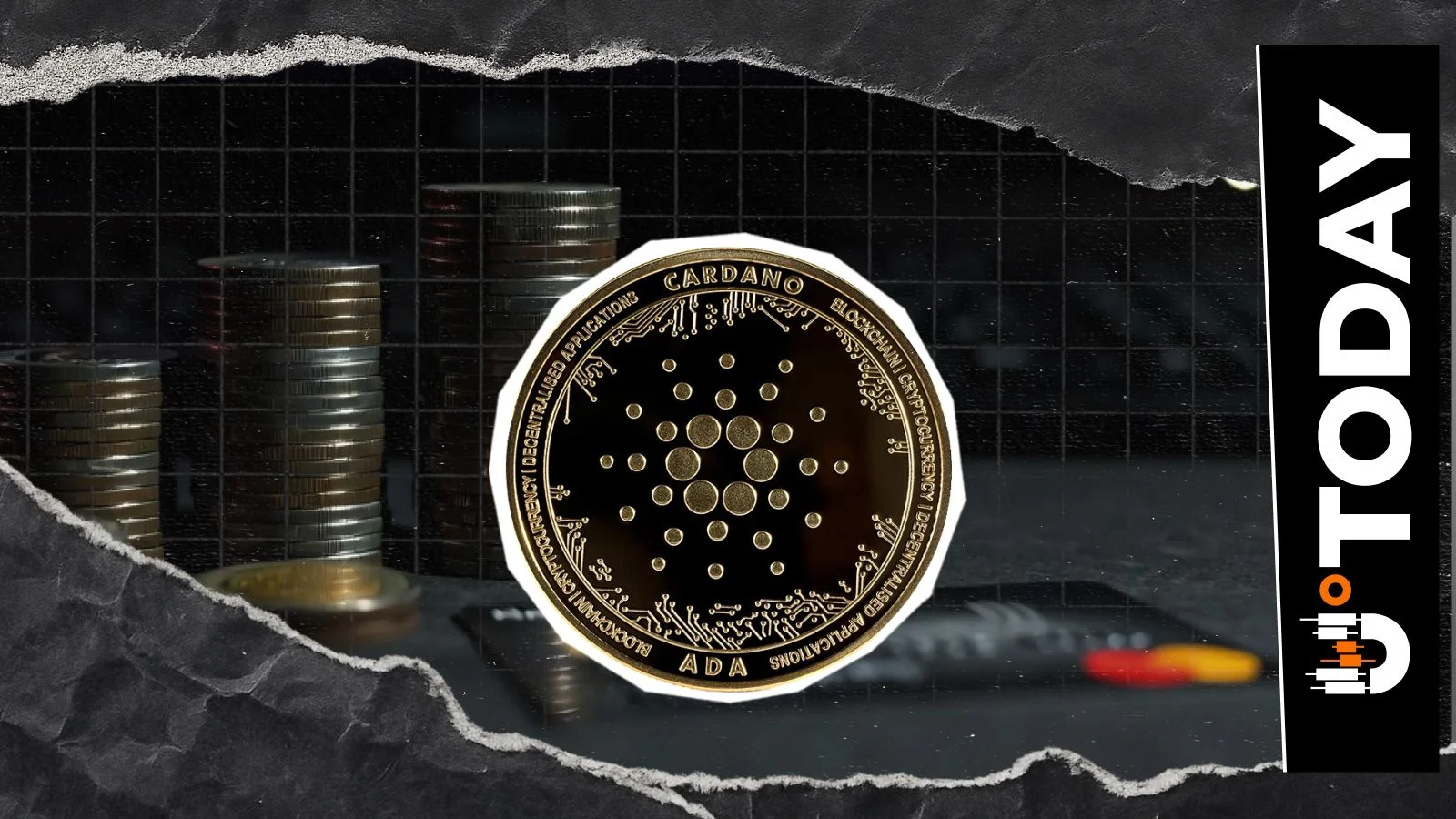
EMURGO's progress in the Mastercard "qualification stage" for Cardano integration signals a potential for increased institutional adoption and payment network integration for ADA. While not a confirmed partnership, reaching the qualification stage suggests Cardano's technical capabilities are being evaluated, which could lead to broader use cases and potential price appreciation if successful. The call for community support highlights the importance of demonstrating a strong user base to Mastercard, potentially influencing demand for services if Cardano is integrated into their crypto initiatives.

Bitcoin has broken a critical support level around $66,894, failing to reclaim it on retest, which shifts the near-term structure lower and increases the probability of further downside toward $61,726. The concurrent rise in the US Dollar Index and Brent crude oil creates a tighter macro environment for risk assets, suggesting that any immediate Bitcoin recovery will face increased headwinds. The price action indicates that buyers are losing urgency to defend support levels, a pattern that has historically led to deeper price discovery towards established lower support zones.

Bitcoin Everlight (BTCL) is launching a new platform aiming to democratize Bitcoin earnings through a $100 entry point, potentially attracting new retail investors seeking passive income without direct mining or fractional ownership. The project highlights a shift towards infrastructure utility, positioning itself as a high-efficiency transaction and routing layer for Bitcoin, which could signal a broader trend of projects building on top of established Layer 1s. With a projected listing price of $0.03110 and current presale tokens at $0.0012, early participants are positioned for significant potential upside if the project achieves its stated goals and market adoption. The emphasis on security through audits by Spywolf and Solidproof, along with KYC for the team, aims to build institutional-grade trust, which is crucial for attracting broader investor interest in a new token offering.

Tokenization's true value lies in upgrading existing liquid assets like dollars and bonds, not in niche or illiquid assets, as this approach leverages massive existing demand and reduces financial frictions. The success of stablecoins demonstrates that tokenizing highly liquid assets with established frameworks creates immediate utility and network effects, paving the way for tokenized treasuries and equities. Applying tokenization to core financial primitives like money and debt compresses settlement times and reduces intermediary costs, fundamentally altering financial operations and capital efficiency. While NFTs and bespoke RWAs have cultural or speculative value, their fragmented and legally ambiguous nature prevents them from becoming a foundational economic layer, unlike liquid assets.

Metaplanet's significant Q1 Bitcoin acquisition of 5,075 BTC, averaging $79,900, positions it as the third-largest corporate Bitcoin treasury, signaling continued institutional adoption and a strategic shift towards Bitcoin as a primary treasury asset. The firm's ambitious '555 Million Plan' targeting 100,000 BTC by year-end and 210,000 BTC by 2027, despite recent stock price underperformance, indicates a strong conviction in Bitcoin's long-term value and a potential catalyst for future capital raises. Metaplanet's rise in treasury rankings, partly due to MARA Holdings' large BTC sale, highlights the dynamic nature of corporate Bitcoin holdings and the potential for significant shifts based on individual company strategies and market conditions.

Ripple's CTO addressed concerns about bank adoption of XRP by stating that banks would not decline profitable infrastructure simply because a vendor benefits alongside them, implying that the adoption of Ripple's services is not solely dependent on XRP's direct use. Despite Ripple's overall success in processing $13 trillion in payments, the article highlights that a significant portion of banks using RippleNet only leverage it for messaging, with XRP not being used as a bridge asset in many transactions, indicating a gap between Ripple's infrastructure adoption and XRP's direct utility. The potential passage of the CLARITY Act is identified as a key variable that could alter the adoption landscape for XRP by providing a clear compliance pathway for banks to use XRP as a bridge asset, suggesting that regulatory clarity is a primary catalyst for broader XRP adoption. Ripple's recent launch of Digital Asset Accounts and Unified Treasury, following its national trust bank charter, integrates XRP and RLUSD into corporate treasury management, offering a unified interface for digital assets and fiat, which could influence institutional adoption strategies.
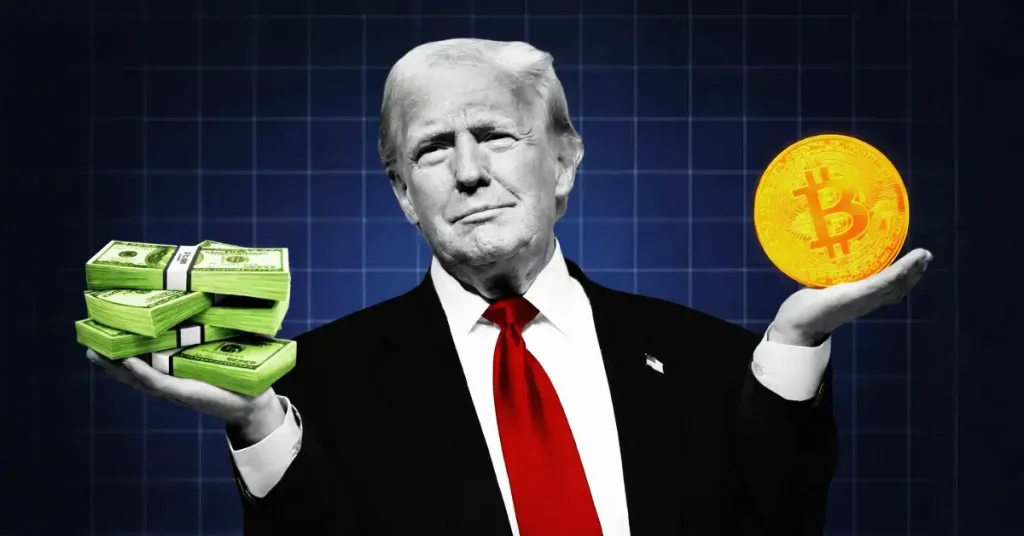
Bitcoin experienced a significant price drop to $66,000, driven by a shift in geopolitical sentiment related to Iran, causing it to erase recent gains and trade below key technical levels. Despite the broader market downturn, specific altcoins like STO, NOM, and ONT are showing resilience and outperforming due to their own organic catalysts, suggesting sector-specific opportunities amidst macro-driven volatility. ONT's recent surge is attributed to a significant partnership with European officials for the eIDAS 2.0 framework, highlighting the potential for real-world adoption to drive token value independently of broader market sentiment. The market is exhibiting a divergence where macro-economic and geopolitical news heavily impacts major assets like BTC and ETH, while individual project developments and partnerships are creating isolated bullish narratives for select altcoins.

The Drift Protocol exploit, while significant, has indirectly created artificial buy pressure on Ethereum by converting stolen assets into ETH, masking underlying demand weakness. Ethereum's current price stability above $2,000 is fragile, supported by event-driven capital rather than organic market conviction, suggesting potential for sharp moves in either direction. Traders should monitor the flow of the $267M in ETH accumulated post-exploit; its movement could signal a shift from temporary support to accelerated downside pressure.

Postquant Labs' launch of a quantum-classical blockchain testnet, in collaboration with D-Wave, explores the potential for quantum computing to enhance blockchain performance, contrasting with the prevailing view of quantum computing as a threat to encryption. The testnet's success hinges on proving quantum advantage in speed, energy efficiency, and solution quality for specific optimization problems, a claim currently supported by internal tests but awaiting independent verification before a mainnet launch. While D-Wave provides hardware access and consultation, their involvement is limited, and the testnet's utility token, QUIP, is designed to reward participants for computation, creating a potential new economic model for network resources.
Signal context only. Validate with price action, liquidity, and risk limits before taking a position.
Quick market read from this story
Scottie Pippen's personal financial journey, marked by significant career earnings and subsequent setbacks, highlights the volatility of wealth management, even for high-profile individuals.
Pippen's engagement with Bitcoin, including his claims of receiving price predictions from Satoshi Nakamoto, introduces a celebrity endorsement angle to the cryptocurrency market, potentially influencing retail sentiment despite the speculative nature of his claims.
The article frames Pippen's crypto involvement as part of a broader trend of celebrity adoption, suggesting his voice could attract attention to digital assets, though his lack of technical expertise limits direct market impact.
Deep Dive
NBA legend Scottie Pippen, renowned for his role in the 1990s Chicago Bulls dynasty, has a financial narrative marked by both significant triumphs and considerable turbulence. Despite earning over $100 million in NBA salary alone, his net worth is currently estimated at $20 million, a figure impacted by early contract decisions, financial mismanagement, and a later embrace of the cryptocurrency world.
Pippen's journey began in Hamburg, Arkansas, with humble beginnings in a large family. His rise to NBA superstardom was remarkable, culminating in his selection by the Chicago Bulls in 1987. Alongside Michael Jordan, Pippen became a key figure in the Bulls' six NBA championships, celebrated for his versatility, defense, and impact on the game. However, an early long-term contract significantly undervalued his contributions during the team's dominant era.
While Pippen's career earnings surpassed $100 million through NBA salaries and endorsements, his wealth faced significant erosion. Reports suggest substantial losses from poor investment decisions, including failed real estate ventures and mismanagement by advisors. Despite these setbacks, he continued to generate income through endorsements and media projects like "The Last Dance."
Geopolitical uncertainty stemming from the Iran conflict and rising energy prices is driving a risk-off sentiment, pressuring Bitcoin below key technical levels. Bitcoin's break below its ascending channel suggests a shift in momentum, with traders watching the $67,000 level as potential resistance and $64,000 as the next downside target. Increased macro pressures from higher oil and gas prices are reducing risk appetite, a pattern that typically leads to capital rotation away from crypto assets. The market faces continued volatility as investors await clearer de-escalation signals from the geopolitical situation, with potential for rapid shifts if tensions ease.
