
Navigating Crypto News

CoinFeather
Navigating Crypto News
Quick market read from this story
Binance's launch of the Digital Resilience Lab in Ukraine signifies a strategic investment in fostering Web3 development and digital infrastructure within a key geopolitical region.
The program's focus on grants, mentorship, and ecosystem support for students, veterans, and entrepreneurs suggests a long-term commitment to building local talent and practical blockchain solutions.
This initiative by Binance highlights a broader trend of major crypto players engaging in nation-building and digital resilience efforts, potentially influencing future adoption and regulatory landscapes.
Deep Dive
Binance co-CEO Richard Teng has launched a new initiative, the Digital Resilience Lab, aimed at advancing Web3 innovation and bolstering digital resilience in Ukraine. This program is a collaborative effort between Ukraine’s Ministry of Digital Transformation and local tech organizations.
The Digital Resilience Lab will provide up to $500,000 in grants to support students, veterans, and entrepreneurs. In addition to financial aid, participants will receive mentorship and ecosystem support to develop practical blockchain solutions. The initiative underscores Binance's dedication to promoting blockchain education, enhancing infrastructure, and fostering real-world Web3 applications.
Source, catalyst, and sector overlap from the latest feed.
Geopolitical tensions and oil price spikes significantly influenced crypto market behavior in March 2026, overshadowing traditional fundamentals and leading to volatile price action driven by news headlines rather than technical analysis. Despite broader market uncertainty, selective altcoins like Bittensor (TAO) and MemeCore demonstrated significant gains (+67%), indicating capital rotation into narrative-driven assets amidst a backdrop of reduced leverage and faster fear pricing by crypto markets. The narrative of Bitcoin's supply shock intensified with the 20 million BTC mined milestone, yet whale activity declined and large transactions decreased, suggesting a lack of strong conviction from major holders despite retail accumulation. Aggressive shorting in derivatives markets, evidenced by deeply negative funding rates, fueled violent price swings and liquidations, highlighting the market's sensitivity to leverage and the potential for rapid repricing events.
Live Feed
Loading the broader stream in the same flow as the homepage feed.
Lamar Odom's foray into meme coins, including his own ODOM token, highlights a trend of celebrities leveraging their platform for crypto ventures, though the speculative nature of meme coins suggests limited fundamental market impact. The article details Lamar Odom's significant financial fluctuations, from over $100 million earned in the NBA to a current estimated net worth of $20-30 million, underscoring the volatility of athlete earnings and personal financial management. Odom's involvement in cryptocurrency, particularly with a token aimed at supporting addiction recovery, represents a niche application of digital assets for social causes, but its market impact is likely to remain minimal.
A significant unlock of over 2.6 million SOL tokens, valued at $211 million, has occurred, raising immediate concerns about potential selling pressure from a large holder. The timing of the token unlock coincides with a 6.52% price drop in SOL, suggesting the whale may be reacting to market weakness or preparing to exit a position. While token unlocks are common on Solana, this large volume could impact short-term price action if the holder decides to liquidate, especially given the current bearish market sentiment for SOL.

Geopolitical tensions in the Middle East are causing investors to remain on the sidelines, creating a holding pattern in crypto markets despite an otherwise improving macro backdrop. While short-term volatility is expected due to headline-driven swings tied to oil prices, Grayscale notes that underlying structural adoption trends and resilient valuations could support a future upward price movement. The market is awaiting greater clarity on the geopolitical situation; a de-escalation could lead to a rapid repricing towards a more supportive macro environment, while continued conflict may prolong pressure on growth and delay recovery. Despite current uncertainty, the growth in stablecoin supply and continued inflows into spot crypto products suggest underlying stability and potential opportunities for long-term investors.

Long-term holder supply approaching historical bear market bottom levels suggests a potential floor, but the market may face several more months of range-bound trading before a sustained recovery. The current market dynamic is characterized by 'time pain' rather than sharp price drops, indicating a period of consolidation that could test investor patience and lead to exhaustion. While 80% of Bitcoin supply is held by long-term holders, the historical 85% threshold for confirmed bear market bottoms suggests further accumulation or holding is needed, implying a lack of immediate bullish catalysts.

XRP faces significant structural headwinds due to its large circulating supply and ongoing escrow releases, which create consistent sell-side pressure and limit price appreciation potential. The asset's current market capitalization and technical indicators suggest a weaker position relative to top-tier cryptocurrencies like Bitcoin and Ethereum, indicating a low probability of entering the 'big three'. A substantial portion of XRP holders being underwater creates overhead resistance, hindering upward price momentum and contributing to grinding price action rather than sharp rallies. Despite potential positive outlooks, XRP's relative performance is hampered by capital and institutional interest favoring Bitcoin and Ethereum, with stablecoins like USDT dominating liquidity infrastructure.
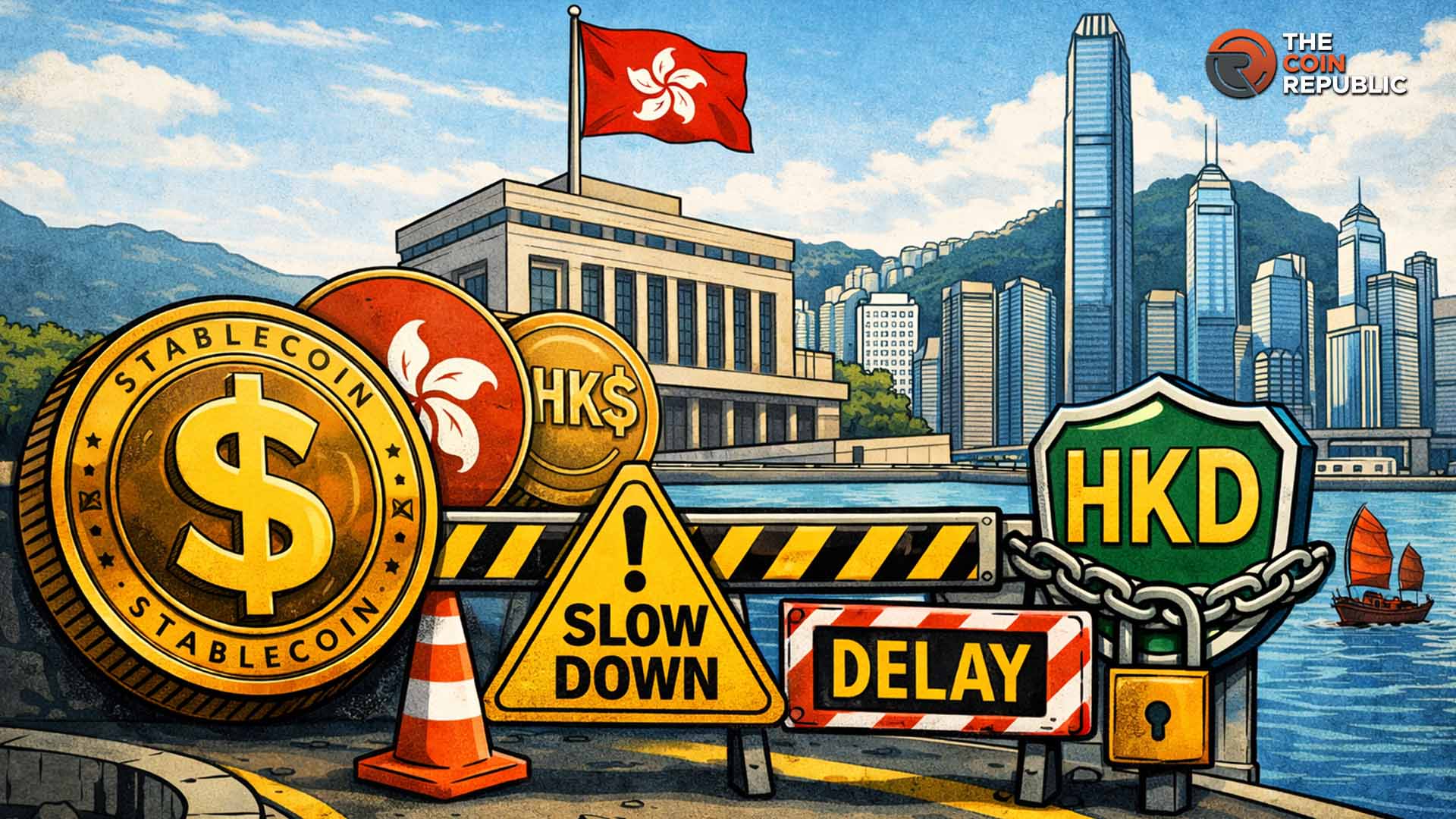
Hong Kong's missed March target for HKD stablecoin licenses introduces near-term uncertainty for issuers and potential investors. The delay underscores the Hong Kong Monetary Authority's commitment to stringent AML and KYC compliance, signaling a preference for regulated growth over rapid market entry. While execution is slower than anticipated, the established regulatory framework and continued institutional interest from banks like HSBC and Standard Chartered suggest potential for future credibility and adoption once licenses are granted.

The continued relevance of MetaTrader 4 (MT4) for algorithmic trading, driven by its extensive library of Expert Advisors (forex robots), highlights a persistent demand for accessible automated trading tools among retail traders. MT4's robust backtesting and demo testing capabilities, combined with its low system requirements, provide a strong foundation for strategy development and refinement, making it a preferred platform despite the existence of newer successors like MT5. The established ecosystem and deep integration of custom trading robots with MT4 present a significant barrier to adoption for newer platforms, indicating that legacy systems can maintain market share through specialized functionality and user familiarity.

David Schwartz clarifies Ripple's motivation for bank adoption of XRP, emphasizing utility over direct monetary incentives for Ripple, which suggests a focus on sustainable integration rather than short-term price pumps. The discussion highlights the potential for XRP to become a significant bridge currency, with Ripple's ongoing product launches and XRP Ledger adoption by firms like Aviva Investors indicating a strategic push for real-world asset integration. While Ripple benefits financially from XRP adoption, Schwartz's statement implies that the primary driver is the utility and value proposition for the adopting institutions, potentially mitigating concerns about Ripple manipulating XRP's price for its own gain.
Renewed geopolitical tensions stemming from President Trump's speech are driving a sharp decline in US stock futures, signaling increased market anxiety and a potential risk-off sentiment. Surging oil prices, up 9% for WTI, directly impact economic costs and corporate margins, creating headwinds for equity markets that are already sensitive to inflation and supply chain concerns. The timing of key economic data releases, particularly the March jobs report, juxtaposed with a shortened trading week and ongoing geopolitical uncertainty, suggests heightened volatility upon market reopening. Despite the focus on geopolitical events, the market's reaction to the Iran conflict and rising oil prices indicates a persistent sensitivity to supply-side shocks that could influence broader asset class performance.
Geopolitical uncertainty stemming from the Iran conflict and rising energy prices is driving a risk-off sentiment, pressuring Bitcoin below key technical levels. Bitcoin's break below its ascending channel suggests a shift in momentum, with traders watching the $67,000 level as potential resistance and $64,000 as the next downside target. Increased macro pressures from higher oil and gas prices are reducing risk appetite, a pattern that typically leads to capital rotation away from crypto assets. The market faces continued volatility as investors await clearer de-escalation signals from the geopolitical situation, with potential for rapid shifts if tensions ease.
Signal context only. Validate with price action, liquidity, and risk limits before taking a position.
The post SoFi Launches 24/7 Crypto Banking on Solana With Mastercard, Galaxy, Wintermute on Board appeared first on Coinpedia Fintech News For years, the knock on traditional banking has been simple: markets move around the clock, but banks do not. SoFi is building the alternative. The nationally chartered US bank launched Big Business Banking today, an enterprise platform that lets companies hold deposits, move money, and settle transactions at any hour through fiat or crypto, all …
