
Navigating Crypto News

CoinFeather
Navigating Crypto News
Source, catalyst, and sector overlap from the latest feed.
The arrest of a key facilitator in a transnational crypto scam network highlights a global effort to dismantle illicit operations, potentially reducing the prevalence of crypto-related fraud. Increased law enforcement action against scam compounds, supported by blockchain tracing tools, signals a maturing regulatory environment that could indirectly benefit legitimate crypto adoption by improving ecosystem trust. This development underscores the growing intersection of organized crime and cryptocurrency, emphasizing the need for enhanced crypto forensics and cross-border cooperation to combat financial crime.
Rising US 10-year Treasury yields to 4.42% are tightening financial conditions, signaling a potential shift in investor preference towards safer assets over riskier ones like Bitcoin and equities. Despite macro headwinds, Bitcoin has shown relative resilience, trading in a tight range near $68,000 and outperforming equities in recent weeks, suggesting underlying accumulation during dips. Options market data indicates caution with downside protection being bought, but not panic, implying that while investors are hedging, a severe selloff is not yet priced in. The market's focus is shifting to macroeconomic forces, with continued yield increases potentially pressuring Bitcoin to trade more on macro signals than crypto-specific developments.
Live Feed
Loading the broader stream in the same flow as the homepage feed.

GameStop's decision to pledge its entire Bitcoin holdings as collateral for a covered call strategy, rather than selling, indicates a shift from a passive treasury reserve to an active income-generating approach, potentially signaling a change in its broader crypto thesis. The company's $131.6 million loss on digital assets, primarily due to accounting derecognition and unrealized losses, highlights the financial risks and complexities of corporate Bitcoin treasury management, especially when combined with derivative strategies. While GameStop's core retail business faces revenue declines, the strategic use of its Bitcoin collateral for options trading, coupled with a significant cash position, suggests a focus on financial engineering and potential future acquisitions rather than direct crypto market participation.

The article positions Pepeto as a potential 220x return opportunity, leveraging a Binance listing as a key catalyst amidst a broader market downturn for Bitcoin. Despite Bitcoin's 20% drop, the narrative suggests a discounted entry point for Pepeto, aiming to replicate the success of meme coins like DOGE with a functional exchange backing. The project highlights $8 million raised and 193% APY staking as indicators of conviction, aiming to capitalize on market fear to attract early investors before its exchange listing.

The significant liquidation of $300 million in Bitcoin and Ether longs indicates a crowded bullish sentiment unwinding, suggesting a potential short-term bearish pressure as leveraged positions are forced out. A broader risk-off sentiment, driven by rising oil prices and geopolitical concerns, is dragging down crypto assets alongside equities, implying that macro factors are currently overriding crypto-specific developments. While most altcoins are underperforming, ONDO's gains from tokenizing Franklin Templeton ETFs highlight a specific RWA narrative gaining traction, potentially creating isolated opportunities amidst general market weakness. The continued demand for put options and negative funding rates on certain altcoins like XRP suggest that traders are anticipating further downside, reinforcing a bearish outlook for these specific assets.
Nexa's upcoming halving event in 2026, reducing block rewards by 50%, is a fundamental supply-side shock designed to increase scarcity and potentially influence price dynamics over the long term. The halving event is a critical milestone for Nexa, signaling a shift in its tokenomics that could impact miner profitability and encourage greater efficiency in network operations. While historically correlated with bull cycles for Bitcoin, Nexa's halving is not a direct price catalyst but rather a structural event that may spur speculation and align with long-term value appreciation narratives if demand persists.

Solana's TD Sequential indicator flashing a buy signal on the 4-hour chart suggests potential short-term trend exhaustion and a possible reversal, aligning with stabilizing price action. Dominance in the RWA tokenization sector, capturing nearly 98% of on-chain spot equity volume, indicates strong fundamental adoption and network utility for Solana. The historical pattern of a monthly bullish engulfing candle preceding major Solana rallies is being monitored, suggesting that a confirmed pattern could signal a broader trend reversal and unlock significant upside momentum. Key levels to watch are $75-$80 for support and $90-$95 for resistance, with a breakout above the latter potentially accelerating price towards $110-$120, supported by both technical and on-chain data.

Decentraland's MANA is showing signs of potential recovery, with on-chain metrics like rising Open Interest and a positive 30-day MVRV ratio indicating renewed trader interest and short-term holder profitability. Despite a significant decline since 2021, MANA is retesting a critical support level established in early 2021, suggesting a potential reversal if it can maintain a weekly close above $0.35, which could pave the way for a $1.00 target. Accumulation by mid-tier 'whale' and 'shark' wallet tiers, coupled with positive funding rates, suggests that significant market participants are positioning for potential upside, providing a foundational support for future price action. Long-term price predictions for MANA range significantly, with forecasts for 2030 suggesting a potential high of $5.15, contingent on growing metaverse adoption and user activity within Decentraland.

Pi Network's price predictions for 2026-2030 range from $0.85 to $22.00, indicating a speculative outlook based on potential future adoption and market conditions rather than current utility. Despite attracting millions of users for mobile mining, Pi Coin faces significant challenges due to a lack of exchange listings, limited liquidity, and minimal real-world integration, which are hindering its price recovery and relevance. The article presents a highly speculative price forecast for Pi Coin, with projected highs of $3.50 in 2026 and $22.00 by 2030, but these targets are not supported by current fundamental developments or clear catalysts.
Mortgage rates have reached a 7-month high of 6.62%, signaling increased borrowing costs that could dampen demand during the crucial spring home-buying season. Geopolitical tensions and persistent inflation concerns are driving Treasury yields higher, directly impacting mortgage rates and creating market uncertainty. Despite a recent surge in rates, purchase applications remain slightly above last year's levels, indicating underlying buyer caution rather than a complete withdrawal from the market. The current volatility in mortgage rates, influenced by global events and economic data, presents a challenging environment for buyers and sellers alike, with potential for delayed decisions.

Vietnam detained ONUS-linked suspects in an alleged token fraud case as police described price manipulation, false promotions and centralized market control.

Significant net outflows from Bitcoin and Ethereum ETFs on March 26 indicate institutional investors are reducing exposure amid market uncertainty and upcoming options expiries. The concentration of leverage and open interest on major exchanges suggests a fragile market structure driven by a limited set of participants, amplifying short-term volatility risks. Upcoming Bitcoin and Ethereum options expiries totaling $16.4 billion could introduce short-term market friction as traders manage positions ahead of settlement. Subdued activity in Solana and XRP ETFs points to a cautious, wait-and-see approach for smaller-cap crypto products, reflecting selective institutional engagement.
Bitcoin's current consolidation near $68,000, coupled with derivatives data showing weak conviction and rising leverage, suggests a potential liquidity sweep to $66K before any upward move to $72K. The dominance of perpetual futures volume over spot indicates a market driven by leveraged positions, increasing the likelihood of sharp, volatility-driven price action rather than a steady trend. Traders should anticipate potential short-term downside volatility as Bitcoin tests lower liquidity zones around $66K-$68K, which could precede a move towards the $70K-$72K resistance area.
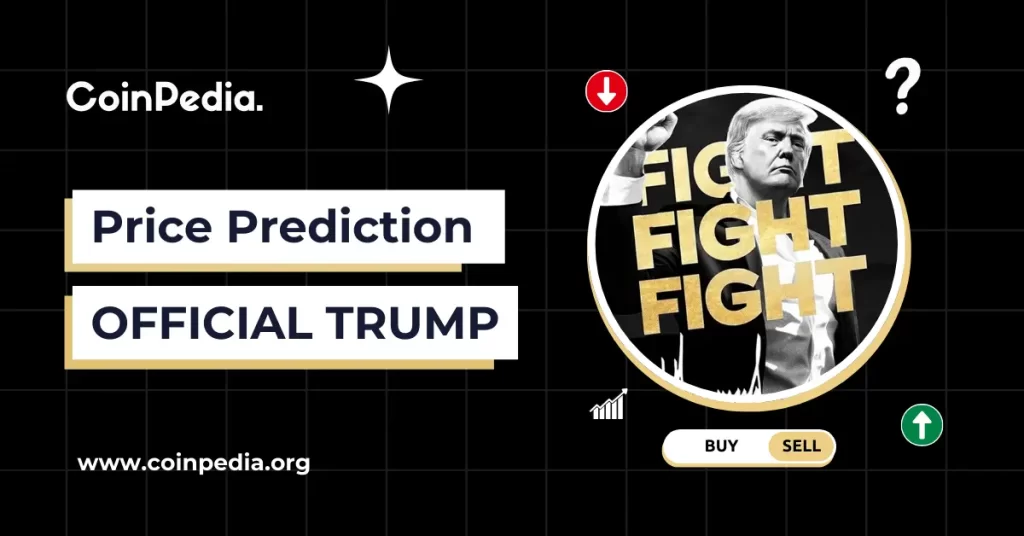
The TRUMP coin, a Solana-based memecoin tied to Donald Trump, is presented with price predictions ranging from $14-$42 by 2026 and up to $212.25 by 2030, indicating significant speculative potential driven by political events and community efforts. Despite a history of volatility and pump-and-dump accusations, renewed interest is noted due to a new game launch and on-chain data showing mid-tier wallet accumulation, suggesting potential for a speculative rebound. The article focuses heavily on price predictions and speculative future performance, with limited discussion of underlying utility or fundamental value beyond its association with Donald Trump and a new game release.

Binance Australia Derivatives faces a significant $6.9 million fine for misclassifying retail clients and exposing them to high-risk products, highlighting ongoing regulatory scrutiny of major exchanges. The penalty, coupled with prior compensation orders, underscores the financial and reputational risks associated with compliance failures in derivative offerings, potentially impacting investor confidence in similar products. This regulatory action against a local Binance unit suggests a pattern of increased enforcement globally, which could lead to stricter operational requirements for crypto exchanges in various jurisdictions.
Signal context only. Validate with price action, liquidity, and risk limits before taking a position.
Quick market read from this story
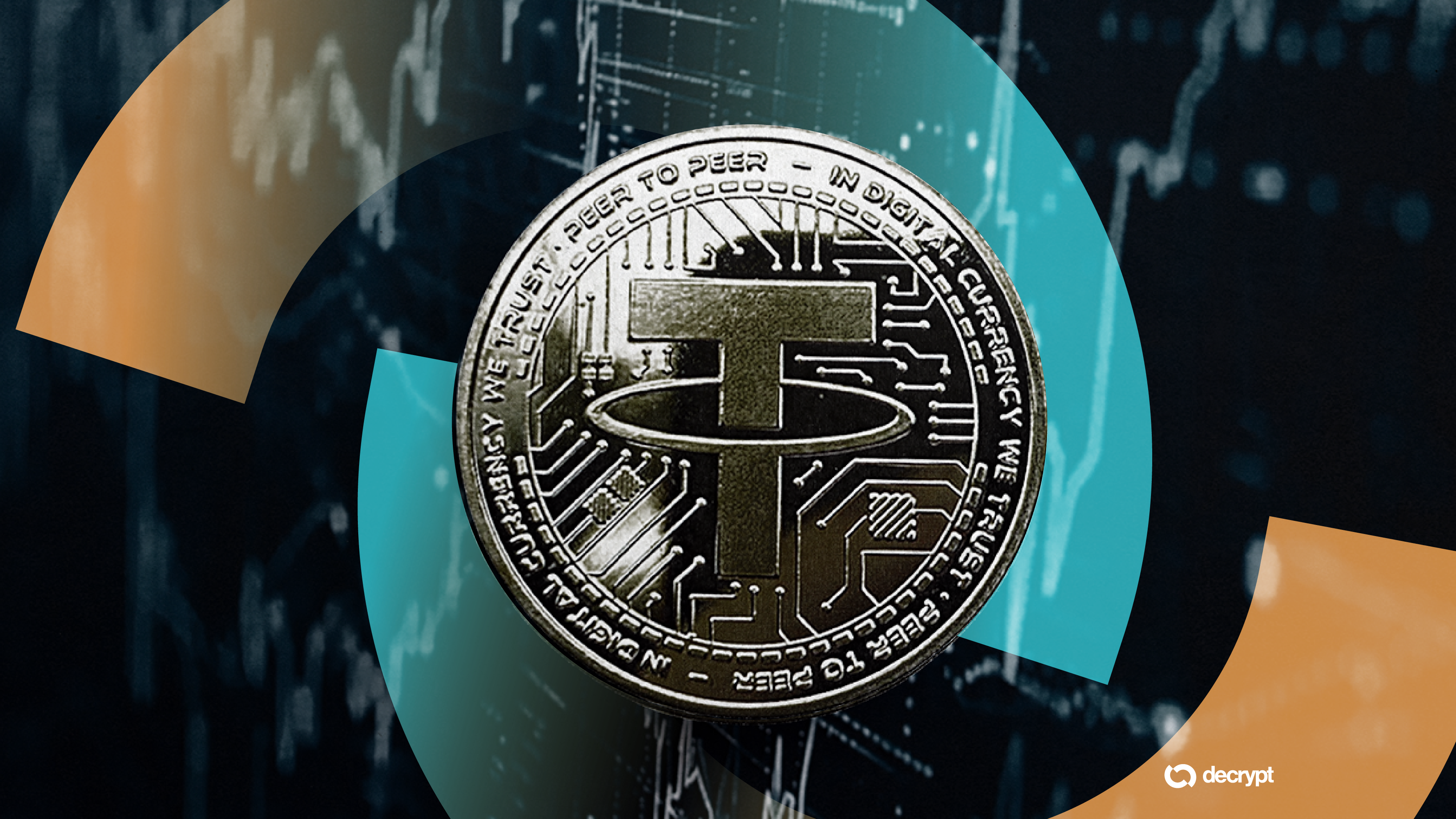
Tether's engagement of KPMG for a comprehensive USDT audit signals a significant step towards greater transparency, potentially alleviating past concerns over reserve backing and improving investor confidence.
The dual engagement with KPMG and PwC for auditing and system preparation, alongside plans to register under the GENIUS Act, indicates Tether's strategic push for U.S. market expansion and regulatory compliance.
This move by Tether to secure a Big Four audit is a notable development for the stablecoin market, setting a new standard for transparency and potentially influencing regulatory approaches to stablecoin issuers.
Deep Dive
Tether, the issuer of the world's largest stablecoin USDT, has engaged Big Four accounting firm KPMG to conduct a comprehensive audit of its approximately $184 billion USDT stablecoin. This significant move aims to enhance transparency and meet increasing regulatory demands.
In addition to KPMG, Tether has also enlisted PwC to prepare its internal systems for the rigorous audit process. This comprehensive review will scrutinize Tether's complete financial reporting system, including internal controls and asset valuation. The engagement follows Tether's earlier announcement of hiring a Big Four firm for its first full financial statement audit, a step considered a new quality standard for the digital asset economy.
The audit comes at a critical time for Tether, which has faced scrutiny over its reserve transparency. The company was previously fined $41 million by the CFTC in 2021 for misleading statements regarding USDT reserves. Tether claims to hold approximately $192 billion in reserve assets, primarily in U.S. Treasuries, to back its dollar-pegged stablecoin.
Tether's strategic initiatives appear aligned with upcoming regulatory frameworks. CEO Paolo Ardoino previously indicated the company's intention to register USDT under the GENIUS Act, which mandates stringent anti-money laundering requirements and comprehensive reserve audits for foreign stablecoin issuers. This aligns with Tether's launch of USAT, a fully regulated and GENIUS-Act compliant dollar-pegged stablecoin, although its current circulating supply is significantly smaller than USDT's.
