
Navigating Crypto News

CoinFeather
Navigating Crypto News

Quick market read from this story
The Solana Foundation's new developer platform, backed by major payment processors, aims to simplify enterprise adoption of blockchain for financial applications, potentially increasing institutional demand for SOL.
Integration of AI tools like Claude Code and OpenAI Codex into the Solana Developer Platform suggests a focus on enhancing developer experience and accelerating the creation of sophisticated financial products on Solana.
The platform's modules for tokenized deposits, stablecoins, and RWA issuance, alongside payment support, indicate a strategic push to leverage Solana for traditional finance use cases, signaling a potential shift in market focus.
Deep Dive
The Solana Foundation has introduced the Solana Developer Platform (SDP), a new toolkit designed to simplify the creation and scaling of financial applications on the Solana blockchain for enterprises. Early adopters of the platform include major financial institutions such as Mastercard, Western Union, and Worldpay. The SDP aims to remove the need for deep crypto infrastructure expertise among financial institutions looking to build blockchain-based products.
The Solana Developer Platform integrates services from over 20 infrastructure providers, covering areas like custody, compliance, wallets, and payments, all accessible through a unified interface. This consolidation addresses the traditionally fragmented process for institutions entering the blockchain space. Additionally, the SDP will incorporate AI tools, including Anthropic’s Claude Code and OpenAI’s Codex, to further assist developers.
At its launch, the SDP offers two primary modules. The issuance module allows companies to create tokenized deposits, stablecoins, and tokenized real-world assets. The payments module facilitates both fiat and stablecoin transactions, encompassing on- and off-ramps, as well as on-chain payments. A trading module is slated for release later in 2026.
The participation of established payment firms highlights a growing institutional interest in blockchain-based settlement systems. Mastercard is actively exploring stablecoin settlement on Solana, while Western Union is testing the platform for cross-border payments. Worldpay is concentrating its efforts on merchant settlement and the development of tokenized assets. The Solana Foundation stated that SDP offers an accessible and familiar experience for institutions to build products on Solana.
Source, catalyst, and sector overlap from the latest feed.
Despite Bitcoin's resilience around $70,000 amidst geopolitical and macroeconomic headwinds, key on-chain indicators like negative Coinbase Premium and slowing ETF inflows suggest underlying institutional demand may be softening, challenging a purely bullish narrative. The divergence between Bitcoin's price action and weakening demand signals from U.S. investors (via Coinbase Premium) and institutional flows (via ETFs) indicates a potential for price consolidation or a shift in market sentiment if these trends persist. While overall institutional demand is described as 'selective and less linear,' the recent slowdown in ETF inflows, following an initial surge, warrants close monitoring as a potential precursor to price adjustments.
Bhutan's accelerated BTC outflows, totaling over $150 million in 2026, suggest a strategic shift in its holdings, potentially impacting market liquidity and price discovery. The increasing size of Bhutan's Bitcoin transfers, moving from $5-15 million clips to $35-45 million, indicates a more aggressive liquidation strategy, which could exert downward pressure on BTC price in the short term. The consistent receipt of funds by QCP Capital suggests an OTC desk relationship, implying structured selling rather than panic dumps, which may mitigate immediate market shock but signals ongoing supply pressure. Bhutan's reduced BTC holdings from a peak of 13,000 to 4,453, coupled with the impossibility of fulfilling its 10,000 BTC Gelephu pledge, signals a significant change in its crypto asset strategy and potential future market impact.
XRP's volatility has reached cycle lows, indicating a potential breakout is imminent as price consolidates around the critical $1.40 support level. Traders are closely monitoring the $1.40 support and $1.43 resistance; a decisive break with significant volume will likely dictate the next short-term price trend. Despite muted price action, underlying factors like regulatory clarity and institutional interest are noted as background developments that could influence future XRP price movements.
The compromise on the market structure bill's yield agreement faces internal division within the crypto industry, with Coinbase expressing dissatisfaction over potential restrictions on stablecoin rewards. The proposed legislation, while aiming for clarity, may impede stablecoin-related products and services, creating a divergence between firms prioritizing regulatory establishment and those focused on specific revenue streams. Market reaction, including a significant drop in Circle's stock, highlights the sensitivity of stablecoin issuers and related businesses to regulatory developments, even amidst mixed industry sentiment. Despite internal disagreements and market volatility, White House crypto advisor Patrick Witt expressed optimism, suggesting a resolution is expected, which could influence near-term trading sentiment.
X's strategic hire of a design lead with deep Aave Labs and Coinbase Base experience signals a serious commitment to integrating sophisticated DeFi and self-custody wallet functionalities into its payment ecosystem. The appointment of Benji Taylor, who previously led product design for Aave and Coinbase's Base, suggests X is prioritizing user experience and advanced crypto-native features for its upcoming 'X Money' platform. While X Money's April launch was announced without explicit mention of blockchain, the recruitment of a crypto-native design expert indicates potential for future integration of decentralized technologies or crypto-adjacent services.
Mastercard's adoption of Solana for enterprise solutions, including stablecoin settlement and tokenized assets, signals a growing institutional interest in blockchain infrastructure beyond speculative assets. The article contrasts the fading meme sentiment around SHIB with the development of utility-focused platforms like Pepeto and the AI narrative around TAO, suggesting a market shift towards fundamental value and advanced technology. Pepeto's presale, highlighted as a potential 100x opportunity before a Binance listing, positions itself as a tool to bridge the gap between institutional adoption and retail traders, emphasizing risk control and data analysis. While SHIB's price prediction remains weak and speculative, the narrative around Pepeto suggests a potential near-term catalyst driven by its upcoming exchange listing and the platform's utility features.
Bitmine's launch of MAVAN positions it as a significant institutional player in Ethereum staking infrastructure, aiming to capture yield from its substantial ETH holdings. The platform's focus on compliance and scale targets institutional demand, differentiating it from retail-focused or decentralized staking solutions and potentially setting a new standard for treasury management. Bitmine's aggressive ETH accumulation strategy, aiming for 5% of total supply, combined with the MAVAN platform, signals a long-term commitment to Ethereum's staking ecosystem and infrastructure control. The shift towards institutional-grade staking infrastructure highlights a broader market trend of transforming digital assets into income-generating instruments, moving beyond simple accumulation.
Franklin Templeton's partnership with Ondo Finance to tokenize ETFs signifies a major institutional embrace of RWA, potentially driving significant capital into the crypto ecosystem. The expansion of tokenized assets beyond Treasuries to include equities and debt highlights a maturing market, with increasing integration into DeFi protocols for lending and derivatives. While regulatory clarity, particularly in the U.S., remains a hurdle, the global rollout and increasing adoption by major financial players suggest a strong upward trend for tokenized real-world assets. The growth in tokenized stock AUM and transfer volume, coupled with institutional collateral use on exchanges like Binance, indicates a shift from niche experimentation to mainstream financial integration.
The partnership between BitGo and ZKsync aims to create regulatory-compliant, institutional-grade tokenization infrastructure for banks, potentially bridging a significant portion of traditional finance assets onto the blockchain without relying on stablecoins. This development could unlock substantial institutional capital by offering 24/7 settlements and enhanced security for tokenized fiat deposits, addressing long-standing needs in bank treasury operations. While not directly resolving stablecoin yield disputes, the initiative's focus on tokenized deposits bypasses stablecoin reliance, potentially attracting significant traditional finance funds to blockchain infrastructure.
Despite a significant increase in ADA short interest to its highest point since June 2023, the announcement of a £250 million tokenized deposit deal between Midnight and Monument Bank introduces a potentially substantial real-world asset (RWA) use case for the Cardano ecosystem. The partnership aims to tokenize retail deposits, offering a regulated, privacy-enhanced savings format on a public blockchain, which could attract significant Total Value Locked (TVL) to Midnight and potentially boost broader Cardano ecosystem activity if successful. While the Midnight token design does not directly drive ADA demand, the success of this large-scale RWA initiative could indirectly benefit ADA by attracting new users and liquidity to the Cardano network through associated services and applications. The market is closely watching if this practical, regulated finance integration can overcome the current bearish sentiment and weak on-chain activity surrounding ADA, shifting focus towards tangible utility and institutional adoption.
The Hashdex Nasdaq CME Crypto Index ETF (NCIQ) has expanded its holdings to include Cardano (ADA) and Chainlink (LINK), diversifying its exposure beyond Bitcoin and Ether. This expansion signals increased institutional acceptance and product development within the multi-asset crypto ETF space, following recent SEC approvals for similar products. The ETF's year-end filing reveals $121.3 million in total net assets and a NAV per share of $22.71, providing a baseline for future performance tracking.
CME Group's inclusion of XRP alongside Bitcoin and Ethereum in its SEC filing signifies a substantial institutional endorsement, elevating XRP's perceived legitimacy and potential for broader adoption within traditional finance. The rapid growth of XRP futures trading volume on CME, exceeding $1 billion in open interest within months, demonstrates strong institutional demand and liquidity, reinforcing its position as a key derivative asset. By integrating XRP into its core offerings, CME Group, which dominates the crypto futures market, is solidifying its market position and potentially influencing the future hierarchy of digital assets recognized by institutional investors.
The UK's immediate ban on cryptocurrency donations to political parties, driven by concerns over foreign interference, signals a growing regulatory focus on the transparency of digital asset flows in political finance. The concurrent US PREDICT Act targeting insider trading in political prediction markets highlights a broader trend of governments scrutinizing financial instruments linked to political processes to prevent undue influence. While the UK ban is a temporary moratorium pending regulatory framework development, it directly impacts parties like Reform UK, potentially altering their funding strategies and political messaging. These regulatory actions in major economies suggest an increased risk for crypto assets used in ways that circumvent traditional financial transparency, potentially impacting market sentiment for related use cases.
Live Feed
Loading the broader stream in the same flow as the homepage feed.

Chainlink whales are accumulating LINK tokens to multi-year highs, indicating a potential long-term bullish conviction despite current price stagnation. Declining exchange reserves suggest a tightening LINK supply, which, combined with whale accumulation, sets the stage for a potential price surge if demand increases. The current price consolidation between $8 and $10, coupled with weak momentum indicators, suggests a holding pattern rather than an immediate breakout, warranting a watchlist approach. A decisive break above $10 could signal a near-term rally towards $11-$12, while a drop below $8 risks invalidating the accumulation thesis and leading to further downside.
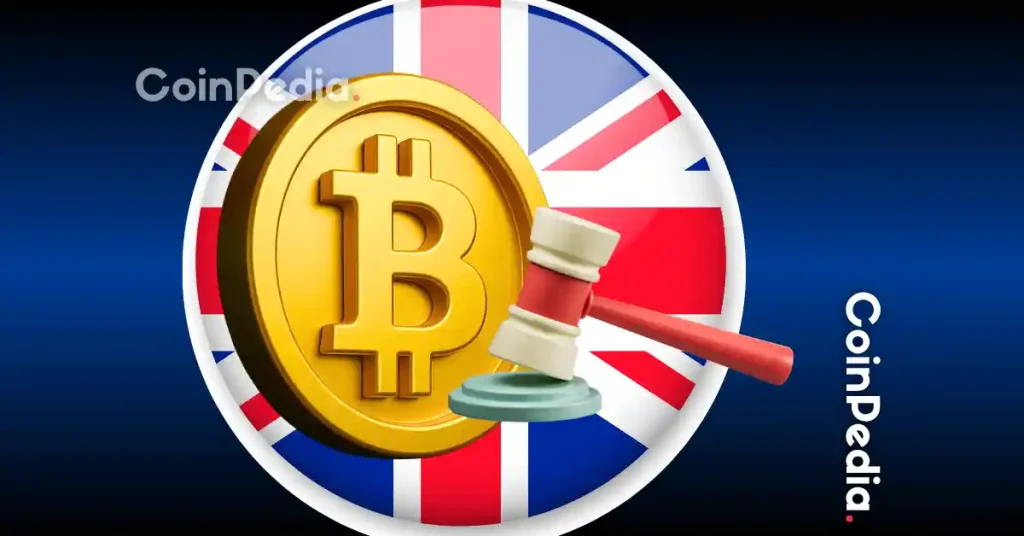
The UK government's ban on cryptocurrency donations to political parties signals a cautious approach to crypto regulation, potentially impacting the perceived legitimacy and adoption trajectory of digital assets within the country. This regulatory move, driven by a desire for transparency and election integrity, suggests a broader trend of governments scrutinizing the financial flows associated with digital assets, which could influence other jurisdictions. While not directly impacting trading markets, the ban represents a step towards establishing a clearer regulatory framework, which could eventually foster more institutional confidence and participation in the UK crypto space.
Proposed legislation targeting political prediction markets could signal increased regulatory scrutiny on novel financial platforms, potentially impacting platforms that facilitate such bets. The PREDICT Act aims to prevent conflicts of interest for government officials, suggesting a focus on ethical governance that could extend to other areas of financial participation. While the bill targets specific individuals, its passage could create a precedent for broader discussions on the regulation of prediction markets and their integration with political activities.

The dismissal of Michael Lewellen's lawsuit leaves crypto developers without definitive legal clarity, as the court relied on a non-binding DOJ memo instead of establishing legal precedent. Critics argue that relying on temporary policy memos, rather than codified law, leaves developers vulnerable to future enforcement actions, similar to past cases involving Tornado Cash and Samourai Wallet. This ruling represents a missed opportunity for the judiciary to define regulatory boundaries for blockchain software, potentially stifling innovation in decentralized finance due to ongoing uncertainty. The lack of clear legal protections disproportionately affects independent developers and startups, who may lack the resources to navigate potential regulatory challenges or enforcement actions.

The offer of a bounty to recover $42 million in stolen assets highlights the ongoing challenges and evolving tools in post-hack investigations, suggesting a potential for asset recovery even years after an exploit. Advances in AI-driven data analysis and on-chain forensics are improving the ability to trace illicit funds, potentially increasing the success rate of recovery efforts in future security incidents. While the recovery of the $42 million remains uncertain, the active pursuit and partial freezing of assets indicate a renewed focus on resolving past security breaches, which could indirectly boost confidence in the ecosystem's resilience.

A significant $23 million token transfer from a team-associated wallet to a new address suggests potential distribution, raising concerns of a near-term sell-off for the $TRUMP memecoin. Despite the large transfer, conflicting whale metrics showing increased accumulation create a high-volatility environment, indicating unpredictable price swings ahead. The $TRUMP coin is trading within a descending structure below critical resistance at $3.80-$4.00, with a breakdown below the $3.00-$3.10 support zone potentially accelerating downside momentum.

The potential SpaceX IPO, aiming for over $75 billion, introduces a significant liquidity event that could draw capital away from the crypto market, especially given current cautious investor sentiment. While the crypto market shows steady gains, the prevailing 'fear' sentiment (Fear & Greed Index at 34) suggests limited risk appetite, potentially capping upside momentum even as institutional events loom. The progression of SpaceX's IPO, including legal adviser selection and potential filing timelines, signals a significant traditional finance event that market participants should monitor for its broader capital flow implications.

The CLARITY Act's potential passage in the Senate within six weeks presents a critical juncture for the U.S. crypto industry, aiming to establish clear regulatory distinctions between commodities like BTC and ETH and securities. A Senate vote by May is crucial for the CLARITY Act's advancement; failure to pass before the Memorial Day recess would likely delay its consideration until 2027, creating prolonged regulatory uncertainty. The bill's proposed framework, including the 'mature blockchain' concept and CFTC authority over digital commodities, represents a significant regulatory development that could reshape market dynamics if enacted. Uncertainty surrounding DeFi protocols and stablecoin yield rules, despite a House passage and White House backing, introduces a speculative element for market participants, with potential impacts on specific project valuations.

A US federal court has allowed a class-action lawsuit against Nvidia to proceed, alleging the company misled investors about significant revenue derived from crypto mining GPU sales between 2017 and 2018. Investors claim Nvidia failed to disclose over $1 billion in crypto mining revenue, potentially inflating its gaming segment's performance and misleading the market about demand drivers. The lawsuit's progression, following a prior SEC fine for similar disclosure issues, suggests continued regulatory and legal scrutiny on how hardware manufacturers report crypto-related revenue impacts. Nvidia's stock experienced a significant drop in 2018 after acknowledging a slowdown in crypto demand, highlighting the market's sensitivity to the company's exposure to the volatile crypto sector.

A significant 1,086% surge in SHIB token burns, removing over 23 million tokens from circulation, indicates increased community-driven supply reduction efforts. While the burn rate increase is notable, its direct impact on SHIB's price is likely limited given the massive existing supply and the nature of meme coin volatility. The concurrent report of growing SHIB holder numbers and decreasing exchange holdings suggests potential accumulation by long-term holders, though this is not a direct price catalyst.

Ethereum Classic (ETC) is currently trading near historical lows, positioning its future price action as highly sensitive to broader market recoveries and proof-of-work narratives. Price predictions for ETC suggest a significant upside potential, with forecasts ranging from $30-$80 by 2026 and potentially reaching $300 by 2030, contingent on market sentiment and cyclical relevance. The asset's reliance on proof-of-work and its status as a legacy smart contract platform imply that its growth will likely remain cyclical and sentiment-driven, rather than ecosystem-led.
The article outlines a diversified investment strategy for $100,000 in 2026, emphasizing a blend of equities, bonds, real estate, and alternatives, signaling a shift towards resilience and selective risk-taking in the current market landscape. Digital assets are positioned as a diversification tool within a broader alternative investment allocation, suggesting a growing institutional acceptance of crypto's role in a balanced portfolio, albeit with a caution for higher risk. The recommended portfolio allocation highlights a strategic pivot towards fixed income due to attractive yields and downside protection, while also acknowledging the continued importance of equities, particularly AI leaders and international markets. Investors are advised to prioritize quality and diversification over speculative bets, reflecting a market sentiment that values fundamental strength and resilience amidst volatility and evolving macro factors like AI and geopolitical tensions.

Bitcoin is consolidating near $70K, indicating an accumulation phase rather than weakness, with analysts predicting a potential breakout towards $120K-$150K this cycle before the end of 2026. On-chain data shows declining exchange reserves and an increasing number of long-term holders, suggesting tightening supply and strengthening conviction, which historically precedes significant price expansion. Despite range-bound price action between $67K-$75K, the consistent demand on dips and the lack of aggressive selling pressure point to a market building a base for a potential upward move. Long-term forecasts from analysts and industry figures suggest substantial growth for Bitcoin, with targets ranging from $250K+ by 2026 to potentially over $1 million by 2030, driven by adoption and scarcity.

Bitmine's aggressive accumulation of 117,111 ETH ($253.3M) in two days signals strong conviction in Ethereum's long-term value proposition from a significant institutional player. This substantial ETH purchase by Bitmine, potentially building one of the largest corporate treasuries, could indicate anticipation of positive price action or a strategic positioning ahead of future market developments. The direct purchase from FalconX and the use of newly created wallets suggest a deliberate and potentially private accumulation strategy, which may not be fully reflected in current market sentiment.
Signal context only. Validate with price action, liquidity, and risk limits before taking a position.
