
Navigating Crypto News

CoinFeather
Navigating Crypto News

Quick market read from this story
Shytoshi Kusama's prolonged silence on X, coupled with his bio update to 'UI bug fixes,' suggests potential upcoming developments or updates within the Shiba Inu ecosystem, creating anticipation among the community.
The recent integration of SHIB into the OnePay app, enabling payments at 3 million users and Walmart stores, alongside its inclusion in a T. Rowe crypto ETF filing, signals growing institutional interest and broader payment utility for Shiba Inu.
Regulatory clarity from the SEC and CFTC classifying SHIB as a non-security, combined with expanding payment integrations, provides a more stable foundation for potential future growth and adoption.
Deep Dive
Shiba Inu lead ambassador Shytoshi Kusama's prolonged silence on the social media platform X (formerly Twitter) is drawing attention from the community. Kusama has not posted, commented, or interacted on X for several weeks, with his last visible activity occurring on February 21st. This period of quiet follows a more active phase in late January and mid-February where he frequently engaged with posts and shared his thoughts.
Kusama has previously explained that he utilizes these periods of absence from X to focus on personal growth and developing his vision. Notably, during his current silence, Kusama updated his X bio to read "UI bug fixes." This has led to speculation that he may be working on an ongoing update or improvement within the Shiba Inu ecosystem, as bio changes have often served as subtle hints about his activities in the past. This follows a similar pattern from late 2025 when he broke a streak of silence to reveal he was working on an independent AI project, while reaffirming his commitment to Shiba Inu's advancement.
Despite Kusama's silence, the Shiba Inu ecosystem has seen significant positive developments in March. The U.S. consumer fintech platform OnePay announced the addition of Shiba Inu to its platform, allowing its 3 million users to buy, sell, and hold SHIB, and use it for payments, including at Walmart stores. Furthermore, the major asset manager T. Rowe included SHIB in its cryptocurrency ETF filing, signaling growing institutional interest. The regulatory landscape also saw positive movement, with the SEC and CFTC classifying major cryptocurrencies, including SHIB, as non-securities.
Source, catalyst, and sector overlap from the latest feed.
Market strategist Tom Lee's optimistic prediction for an end to the crypto winter is met with skepticism from billionaire Frank Giustra, highlighting a divergence in market sentiment among prominent figures. Giustra's critique, rooted in his view of Bitcoin as a speculative asset versus precious metals as a true store of value, underscores the ongoing debate about Bitcoin's fundamental utility and long-term viability. Lee's contrarian view, interpreting negative sentiment and 'rage quitting' as bullish indicators, suggests a potential bottoming process, though external commentary from figures like Giustra introduces noise and uncertainty for traders.
Upcoming U.S. macroeconomic data releases, including Fed speeches and employment reports, are poised to create significant volatility for Bitcoin and XRP, potentially impacting risk appetite and capital flows into crypto. Market participants are closely monitoring Jerome Powell's rhetoric for signals on interest rate policy, as current pricing reflects a 50% chance of hikes, creating a sensitive environment for risk assets like cryptocurrencies. Stronger-than-expected U.S. economic data could paradoxically pressure crypto prices by reinforcing a strong dollar and limiting liquidity, particularly affecting assets with high retail demand like XRP. The March jobs report on Friday is a critical event, with worse-than-expected unemployment figures potentially triggering liquidations and a sharp downturn for Bitcoin and the broader crypto market.
Michael Saylor is promoting STRC perpetual preferred shares as a stable 'safe haven' with 2% volatility, contrasting it with Bitcoin's recent price action around $67,000. STRC offers an 11.5% annual dividend yield, positioning it as a high-yield alternative to traditional assets and Bitcoin, though with inherent risk. Saylor's firm is actively accumulating Bitcoin using capital raised from STRC, indicating a continued bullish conviction on BTC despite short-term market fluctuations. The comparison highlights a potential strategy for capital allocation, leveraging stable, high-yield instruments to fund aggressive accumulation of volatile assets like Bitcoin.
Ripple's acquisition of GTreasury positions it to capture a significant portion of the $13 trillion legacy payment volume, signaling a strategic move towards integrating traditional finance with digital assets. The substantial volume processed through traditional means ($13 trillion with 0% crypto) highlights a massive untapped market for stablecoin and crypto adoption in corporate treasury operations, potentially driving future demand. Institutional interest in stablecoins and asset tokenization, as indicated by surveys and executive commentary, suggests a growing demand for efficient, blockchain-based financial solutions, benefiting projects focused on infrastructure and payments. While Ripple processed $13 trillion in legacy volume, the article emphasizes the potential for crypto integration, suggesting a shift towards digital assets for faster, more efficient settlements, which could impact traditional payment systems.
XRP's Q1 performance marks its weakest since 2018, signaling potential accumulation phases despite recent ETF outflows and a classification as a digital commodity. OKX's transfer of 32.86 billion SHIB to cold storage reduces immediate sell pressure, indicating a shift towards long-term holding by the exchange, which could be a moderately bullish signal for SHIB. Michael Saylor's 'laser eyes' resurgence and MicroStrategy's continued aggressive Bitcoin accumulation, with $44 billion earmarked for future purchases, reinforce a strong bullish conviction from a major corporate player. The upcoming FTX creditor distribution and U.S. Non-Farm Payrolls data are critical near-term catalysts that could drive significant volatility for Bitcoin, with the $65,000 support level being a key determinant for the market's immediate direction.
StraitsX's rapid growth in stablecoin card transactions and issuance highlights a significant trend in Southeast Asia's payment landscape, indicating increasing adoption of crypto for everyday purchases. The company's strategy to make stablecoin settlement 'invisible' suggests a maturing market where user experience and seamless integration are paramount for broader adoption. StraitsX's upcoming launch of XSGD and XUSD on the Solana blockchain, supporting the x402 standard for micropayments, signals a push towards more efficient and embedded payment solutions. The expansion into cross-border corridors with Thailand and planned rollouts in Japan, Taiwan, and Hong Kong demonstrate a strategic effort to scale stablecoin payment infrastructure across Asia.
Bittensor's subnet tokens are exhibiting leveraged upside relative to TAO, with significant monthly gains driven by subnet-specific AI model advancements and high-profile endorsements. The endorsement from Nvidia CEO Jensen Huang on the All-In Podcast provides a significant validation for Bittensor's decentralized AI training model, potentially attracting broader institutional interest beyond the crypto sphere. The reflexive nature of subnet token mechanics, where TAO appreciation inflates subnet token values and attracts more stakers, suggests potential for amplified price movements in both directions. Future catalysts for the Bittensor ecosystem include network expansion to 256 subnets and a potential Grayscale TAO Trust ETF conversion, indicating ongoing development and potential for increased institutional access.
BNP Paribas's strategic pivot into crypto, marked by ETN launches and a euro stablecoin consortium, signals a significant institutional embrace driven by regulatory clarity like MiCA, moving digital assets from a fringe concern to a core product category. The bank's multi-pronged approach, encompassing retail ETNs, tokenized money market funds on Ethereum, and institutional stablecoin infrastructure, indicates a comprehensive strategy to build regulated on-ramps across various client segments and use cases. While short-term market impact from the ETN launch may be muted by macro conditions, the structural shift by a major European bank like BNP Paribas represents a critical step in the normalization and institutionalization of crypto assets.
The resilience of Bitcoin ETFs during a significant price drawdown suggests a shift in investor behavior, with new holders demonstrating greater conviction than in previous market cycles. Despite a 40% price drop from its peak, the aggregate outflows from US spot Bitcoin ETFs were minimal, indicating that institutional investors are treating Bitcoin more as a portfolio asset rather than a speculative short-term trade. The comparison to gold ETFs in 2013 highlights a fundamental difference in how Bitcoin's ETF structure absorbs price volatility, suggesting a maturing market that can withstand significant corrections without mass capitulation. While current ETF flows show relative stability, the potential for future macro shocks to test investor patience remains, making the long-term conviction of these new holders an ongoing narrative to monitor.
Pi Network's mandatory node upgrade deadline of April 6th signals a critical technical transition, potentially impacting network stability and operator participation. Despite the upgrade, PI's price remains significantly below its all-time high, with mixed technical indicators suggesting a lack of immediate market conviction. The ongoing development towards a native DEX and smart contract support, coupled with MiCA filing, indicates a long-term strategic push for broader utility and regulatory compliance. Persistent KYC delays and concerns over node decentralization continue to pose structural challenges, tempering optimistic price projections despite infrastructure advancements.
US lawmakers have reached an agreement-in-principle on stablecoin yield language for a market structure bill, indicating progress towards potential regulation. Industry representatives are reportedly unhappy with the proposed stablecoin yield language, suggesting potential pushback and a need for further negotiation. The lack of broad satisfaction with the stablecoin yield agreement suggests that while a regulatory step has been taken, significant market participant concerns remain unaddressed. The development signals a move towards regulatory clarity for stablecoins, which could impact their utility and market dynamics, though the specifics remain to be seen.
Walmart-backed OnePay's expansion to include over a dozen new tokens signals a strategic move to capture 'new to crypto' customers by offering a curated selection aligned with user demand and utility. The integration of assets like SOL, ARB, and SUI into a superapp model, mirroring WeChat, suggests a growing trend of traditional finance and retail giants embedding crypto services for broader adoption. While OnePay reports strong engagement from crypto newcomers, the lack of specific adoption figures indicates a need for further data to assess the true market impact of this initiative. The regulatory environment, with SEC Chair Atkins supporting 'super-app' platforms, provides a potentially favorable backdrop for OnePay's strategy, reducing immediate regulatory uncertainty for such integrated financial services.
PEPE price is experiencing sustained downside pressure, trading below key support levels and indicating bearish control. Traders should monitor the $0.00000312 to $0.00000322 demand zone as a potential turning point for a relief bounce, but a breakdown could signal further losses. Technical indicators like RSI and MACD show weak momentum, suggesting consolidation rather than an immediate reversal, reinforcing the bearish outlook.
Live Feed
Loading the broader stream in the same flow as the homepage feed.
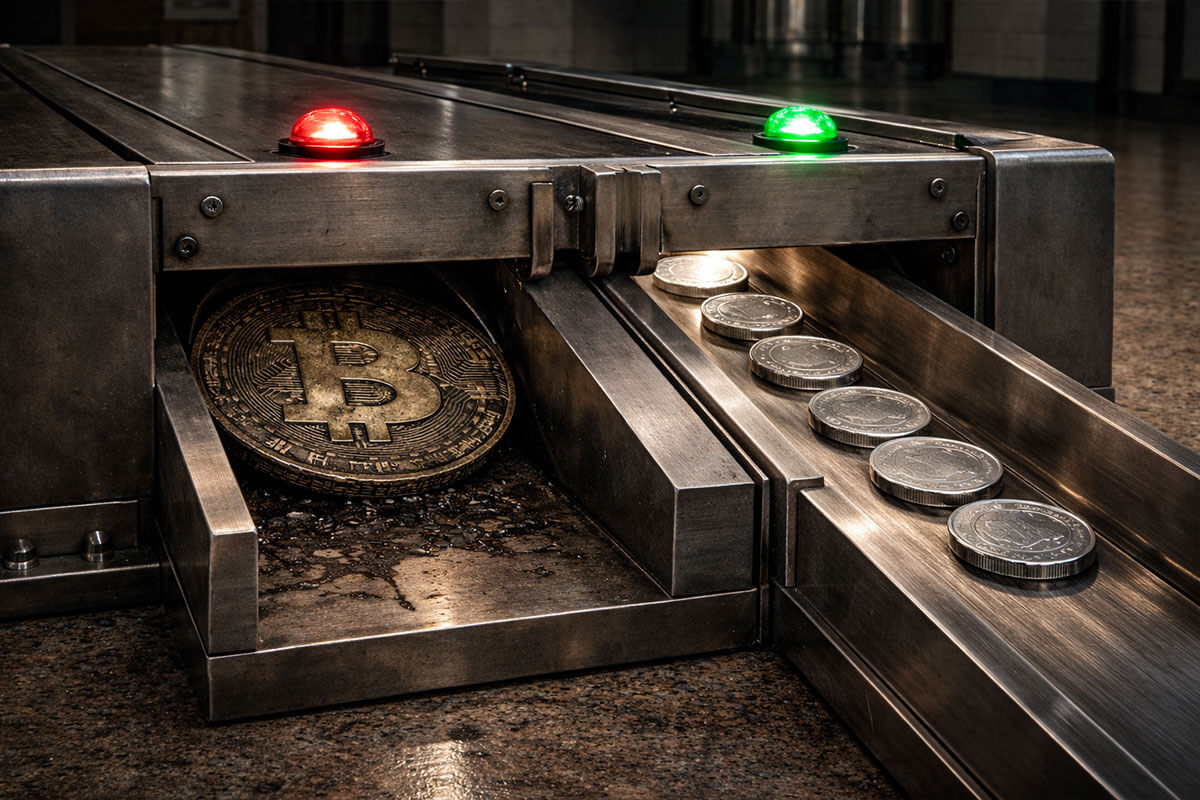
Congress is proposing the Digital Asset PARITY Act, which aims to close the Bitcoin tax loophole by applying wash-sale rules to digital assets, potentially impacting tax-loss harvesting strategies for traders. The proposed legislation carves out regulated payment stablecoins from routine gain-or-loss recognition, signaling a policy preference for stablecoins used for payments over speculative trading. The bill's dual approach of tightening rules for trading assets while offering relief for regulated stablecoins suggests a strategic effort to differentiate use cases and encourage specific types of digital asset adoption. While the wash-sale rule changes appear more concrete, the stablecoin carveout's finalization is pending technical review, creating uncertainty for the near-term impact on both trading strategies and stablecoin utility.

MicroStrategy's pause in Bitcoin accumulation, ending a thirteen-week buying streak, signals a potential shift in corporate strategy or a response to market conditions. The cessation of weekly BTC purchases by the largest corporate holder could be interpreted as a bearish signal by some market participants, potentially impacting short-term sentiment. While a temporary pause, the duration and reasons behind MicroStrategy's break from its accumulation strategy warrant close observation for future market implications.
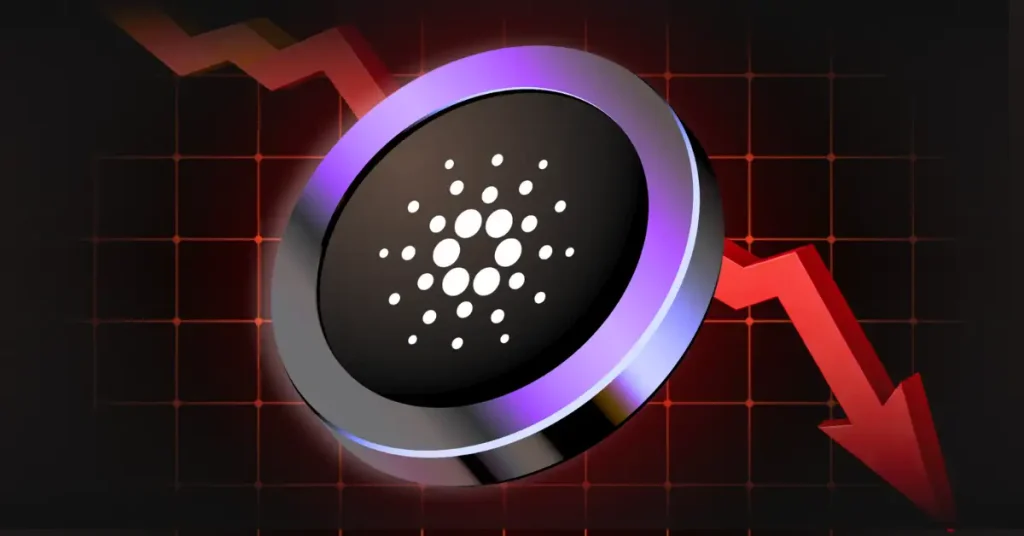
Cardano's price is testing a critical multi-year support zone around $0.237, with a breakdown potentially leading to further declines towards $0.20. Bearish sentiment for ADA is intensifying, evidenced by relative weakness against Bitcoin and significant capital outflows indicated by the CMF indicator. The current technical setup, characterized by lower lows and Bollinger Band squeeze, suggests a strong price action is imminent, likely to the downside if support fails.
Bitcoin whale positioning indicates a bullish long-term outlook with increased long positions, suggesting potential for future price appreciation. A rising number of short sellers, particularly late entrants, creates a risk of a short squeeze if Bitcoin maintains support above $66,000, potentially fueling upside momentum. The $66,000 level is a critical support zone; a failure to hold this level could invalidate the short squeeze thesis and lead to renewed downside pressure.
Washington state's lawsuit against Kalshi, alleging illegal gambling, escalates regulatory pressure on prediction markets nationwide. The ongoing legal battles, including criminal charges in Arizona and a federal bill, indicate a widening crackdown on prediction market platforms, potentially impacting their operational scope and market access. Kalshi's defense, positioning its contracts as CFTC-regulated derivatives, highlights the central conflict between federal and state regulatory authority, a key factor for market participants to monitor. The increasing legal challenges suggest a heightened risk environment for prediction markets, potentially leading to reduced liquidity and increased compliance costs for operators.

Marco Rubio's private assessment of a two-to-four-week Iran conflict duration suggests sustained geopolitical risk, which is directly impacting Bitcoin's price by maintaining high oil prices and tightening liquidity. Bitcoin's correlation with risk assets like the Nasdaq indicates it's trading as a high-beta liquidity instrument, meaning prolonged geopolitical instability and resulting inflation will continue to pressure its price. The market is actively repricing the duration of the oil shock, with Bitcoin's price range heavily influenced by the potential for sustained elevated energy costs and the Federal Reserve's continued stance on interest rates. A swift diplomatic resolution could lead to a rapid reversal of Bitcoin's macro-driven selloff, potentially pushing it back into the $69,000-$75,000 range as oil prices normalize and rate cut expectations return.

The surge in Bitcoin bullish bets on Bitfinex to a 28-month high, historically a contrary indicator, suggests a potential price top and upcoming sell-off. Traders should consider that the crowd's positioning on Bitfinex may signal an opportune moment for bears, especially when combined with broader macroeconomic concerns. The confluence of high leveraged longs and geopolitical/macroeconomic headwinds increases the probability of a Bitcoin price correction, potentially deepening the existing bear market.
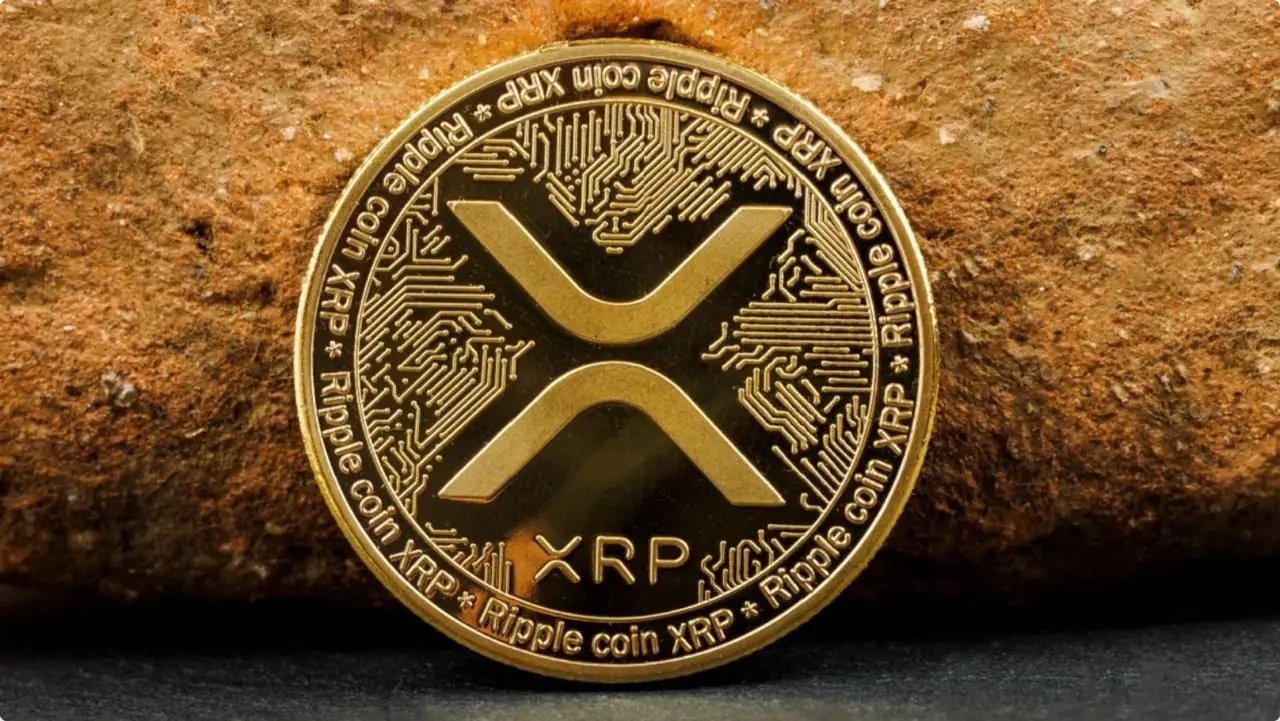
XRP's current price action at $1.33, following rejection at higher levels and a negative Coinbase premium, indicates waning institutional demand and increased reliance on retail support. A repeating 5-day chart pattern identified by analysts suggests mid-April as a critical decision window, with potential for significant price expansion if support levels hold. Traders should monitor the $1.33 support level closely, as a breakdown could accelerate losses, while rising leverage without price appreciation signals increased risk for long positions. The divergence between declining institutional demand on Coinbase and potential retail buying on Binance highlights a shift in market dynamics, making mid-April a key inflection point to watch for XRP.

Dogecoin's on-chain activity is rising, with daily active addresses increasing to 53K, suggesting renewed user interest that historically precedes price accumulation phases. The Dogecoin price is exhibiting repeating mini-cycle patterns, with current consolidation between $0.0902 and $0.0970 potentially forming a third accumulation zone. A confirmed breakout above the $0.13-$0.15 resistance zone is required to validate a bullish continuation, with potential targets at $0.25, $0.45-$0.50, and a long-term possibility of $0.7 if sustained momentum develops. Despite recent underperformance and derivatives-led selling pressure, the underlying on-chain activity and historical cycle patterns suggest potential for a significant upward move if key resistance levels are breached.

Ethereum's roadmap, focusing on scaling via rollups and protocol enhancements like Glamsterdam and Hegota, signals a continued commitment to improving network efficiency and reducing costs for L2 solutions. The planned upgrades, particularly Pectra and Fusaka, aim to significantly boost Ethereum's capacity for rollup data and introduce features like enhanced smart accounts, suggesting a strategic push towards greater scalability and user-friendliness. Future upgrades like Glamsterdam and Hegota, targeting 2026, will introduce base layer scaling through parallel execution and Verkle Trees, potentially lowering hardware requirements for nodes and improving overall network state management. The ongoing development and phased rollout of upgrades demonstrate Ethereum's long-term strategy to evolve its infrastructure, which is crucial for maintaining its competitive position and supporting ecosystem growth.

A proposed 'Ethereum Economic Zone' framework aims to address L2 fragmentation by enabling seamless cross-rollup transactions, potentially improving capital efficiency and user experience within the Ethereum ecosystem. The initiative, backed by the Ethereum Foundation and involving key developers, seeks to create a unified layer-2 environment, mitigating the liquidity fragmentation that has arisen from the proliferation of independent rollups. This development signals a critical effort to refine Ethereum's scaling strategy, moving beyond simple throughput increases to focus on interoperability and cohesive ecosystem growth, which could influence future L2 development and investment.

The proposed CLARITY Act's ban on stablecoin yield could significantly impact DeFi protocols by reducing their ability to offer competitive returns, potentially leading to lower trading volumes and token demand. Regulatory clarity on stablecoins, while potentially a headwind for DeFi, is viewed as structurally bullish for regulated infrastructure providers like Circle, as it may drive more value towards compliant entities. The shift in yield generation from decentralized to traditional finance, driven by the CLARITY Act, suggests a re-centralization trend that traders should monitor for potential sector rotation.
Signal context only. Validate with price action, liquidity, and risk limits before taking a position.
