
Navigating Crypto News

CoinFeather
Navigating Crypto News
Quick market read from this story
Washington state's lawsuit against Kalshi, alleging illegal gambling, escalates regulatory pressure on prediction markets nationwide.
The ongoing legal battles, including criminal charges in Arizona and a federal bill, indicate a widening crackdown on prediction market platforms, potentially impacting their operational scope and market access.
Kalshi's defense, positioning its contracts as CFTC-regulated derivatives, highlights the central conflict between federal and state regulatory authority, a key factor for market participants to monitor.
The increasing legal challenges suggest a heightened risk environment for prediction markets, potentially leading to reduced liquidity and increased compliance costs for operators.
Deep Dive
Washington state has sued Kalshi, an online platform for event-based contracts, alleging it operated illegal online gambling through contracts that allowed users to bet on a wide range of events including sports, elections, wars, public health data, and court cases. The lawsuit, filed in King County Superior Court by Attorney General Nick Brown, seeks to halt Kalshi's operations in Washington, recover losses incurred by state residents, and impose civil penalties.
The state contends that Kalshi's contracts violate Washington's gambling laws and the Consumer Protection Act. Officials argue that federal regulation does not supersede state gambling rules and that Kalshi actively promoted these contracts to Washington residents despite local prohibitions. Kalshi, however, maintains that its contracts are federally regulated derivatives, not gambling products, citing oversight from the Commodity Futures Trading Commission (CFTC). This dispute over federal versus state authority is central to legal challenges against prediction markets nationwide.
Washington's lawsuit is part of a broader trend of increasing legal scrutiny on prediction markets across the United States. According to the National Conference of State Legislatures, over 20 lawsuits and cease and desist actions are currently pending nationwide. Recent disputes have involved states such as Nevada, New Jersey, Maryland, Massachusetts, New York, and Ohio, with a coalition of 38 states supporting Maryland's challenge. The pressure intensified in March with Arizona filing criminal charges against Kalshi, reportedly the first criminal case against a CFTC-regulated prediction market operator. Nevada also secured a temporary restraining order against Kalshi. Concurrently, a bipartisan bill introduced in the U.S. Senate aims to prohibit sports betting and casino-style contracts on CFTC-regulated prediction market platforms, indicating a coordinated effort at both state and federal levels to regulate these markets.
Source, catalyst, and sector overlap from the latest feed.
Bitcoin whale positioning indicates a bullish long-term outlook with increased long positions, suggesting potential for future price appreciation. A rising number of short sellers, particularly late entrants, creates a risk of a short squeeze if Bitcoin maintains support above $66,000, potentially fueling upside momentum. The $66,000 level is a critical support zone; a failure to hold this level could invalidate the short squeeze thesis and lead to renewed downside pressure.
PEPE price is experiencing sustained downside pressure, trading below key support levels and indicating bearish control. Traders should monitor the $0.00000312 to $0.00000322 demand zone as a potential turning point for a relief bounce, but a breakdown could signal further losses. Technical indicators like RSI and MACD show weak momentum, suggesting consolidation rather than an immediate reversal, reinforcing the bearish outlook.
World Foundation's $65 million OTC sale of WLD tokens at an average of $0.2719, with a portion subject to a six-month lockup, indicates continued institutional interest and provides capital for core operations and ecosystem growth. Despite recent price weakness, traders are monitoring Worldcoin's ability to reclaim the $0.30 level, with technical indicators suggesting a potential consolidation and rebound if near-term resistance is overcome. The ongoing expansion of Worldcoin's identity and wallet network, evidenced by nearly 18 million verified users and 39 million World App users, supports the long-term fundamental narrative for WLD.
Significant outflows of 30 billion SHIB from exchanges suggest potential accumulation, indicating a shift from immediate selling pressure. While exchange outflows are a positive signal, elevated exchange reserves and overhead resistance from EMAs suggest that a sustained trend reversal is not yet confirmed. The observed compression in price structure with higher lows is a constructive technical pattern, but a convincing break above key moving averages is required for a bullish confirmation. Despite a recent price dip, residual demand is visible through active receiving addresses, implying that market participants have not entirely abandoned the asset during the current downturn.
Solana is testing a critical support zone between $75 and $45, identified by analysts as a potential accumulation area despite recent price declines. Conflicting technical analyses suggest short-term downside risk towards the mid-$70s, with a breakdown below an upward sloping support line indicating continued bearish momentum. While one analyst views current weakness as a contrarian accumulation opportunity with long-term targets of $500-$1000, the immediate focus remains on whether buyers will defend the $70-$77 support band. The price action below key resistance levels around $84.85-$87.71 reinforces a bearish near-term outlook, suggesting that a sustained recovery will require reclaiming higher price structures.
US lawmakers have reached an agreement-in-principle on stablecoin yield language for a market structure bill, indicating progress towards potential regulation. Industry representatives are reportedly unhappy with the proposed stablecoin yield language, suggesting potential pushback and a need for further negotiation. The lack of broad satisfaction with the stablecoin yield agreement suggests that while a regulatory step has been taken, significant market participant concerns remain unaddressed. The development signals a move towards regulatory clarity for stablecoins, which could impact their utility and market dynamics, though the specifics remain to be seen.
The proposed CLARITY Act's ban on stablecoin yield could significantly impact DeFi protocols by reducing their ability to offer competitive returns, potentially leading to lower trading volumes and token demand. Regulatory clarity on stablecoins, while potentially a headwind for DeFi, is viewed as structurally bullish for regulated infrastructure providers like Circle, as it may drive more value towards compliant entities. The shift in yield generation from decentralized to traditional finance, driven by the CLARITY Act, suggests a re-centralization trend that traders should monitor for potential sector rotation.
Ripple's conditional OCC approval for a national trust bank, coupled with upcoming April 2026 digital asset rule changes, signals a significant step towards integrating XRP Ledger with the U.S. Federal Reserve system. The establishment of Ripple National Trust Bank could create a regulated framework for stablecoins, potentially driving broader adoption by mainstream banks and accelerating crypto's integration into traditional finance. Ripple's proactive engagement with regulators positions it for a first-mover advantage in federally sanctioned digital finance, potentially reshaping U.S. crypto policy and stablecoin adoption.
A subtle social media interaction between Tether's CEO and a critic of Coinbase's stance on the CLARITY Act signals a significant internal industry division regarding stablecoin yield regulations. The CLARITY Act's upcoming stablecoin yield provisions are becoming a central point of contention, highlighting a strategic rift among crypto leaders on how to balance innovation with regulatory compliance. The differing approaches to stablecoin yields, championed by Coinbase and viewed with caution by Tether, could shape the future regulatory landscape for digital assets and impact market participant strategies.
Canada's proactive ban on crypto donations, despite minimal past usage, signals a growing regulatory trend to preemptively address perceived risks in political financing. The move by Canada and the UK to restrict crypto donations highlights a divergence in regulatory approaches, with the US having already integrated crypto into its political funding landscape. This regulatory action, while not directly impacting current market prices, indicates a broader push for stricter oversight as digital assets become more integrated into mainstream finance, potentially affecting future adoption narratives. By banning crypto donations, Canada is prioritizing traceability and control in political funding, setting a precedent for other jurisdictions considering similar measures.
Walmart-backed OnePay's expansion to include over a dozen new tokens signals a strategic move to capture 'new to crypto' customers by offering a curated selection aligned with user demand and utility. The integration of assets like SOL, ARB, and SUI into a superapp model, mirroring WeChat, suggests a growing trend of traditional finance and retail giants embedding crypto services for broader adoption. While OnePay reports strong engagement from crypto newcomers, the lack of specific adoption figures indicates a need for further data to assess the true market impact of this initiative. The regulatory environment, with SEC Chair Atkins supporting 'super-app' platforms, provides a potentially favorable backdrop for OnePay's strategy, reducing immediate regulatory uncertainty for such integrated financial services.
The surge in Bitcoin bullish bets on Bitfinex to a 28-month high, historically a contrary indicator, suggests a potential price top and upcoming sell-off. Traders should consider that the crowd's positioning on Bitfinex may signal an opportune moment for bears, especially when combined with broader macroeconomic concerns. The confluence of high leveraged longs and geopolitical/macroeconomic headwinds increases the probability of a Bitcoin price correction, potentially deepening the existing bear market.
Markets are repricing Federal Reserve policy expectations, shifting from anticipated rate cuts to potential hikes due to resurgent inflation fears driven by Middle East geopolitical tensions and elevated oil prices. The shift in Fed expectations is causing traditional safe havens like gold to falter and risk assets like the Nasdaq to correct, while Bitcoin has shown relative resilience but still underperforms key assets on longer time frames. Sustained inflation above the Fed's 2% target, coupled with increased military spending and the economic impact of higher energy prices, suggests a potentially prolonged period of monetary policy uncertainty.
The article positions Pepeto's presale as a high-upside opportunity compared to XRP's projected 26% growth, framing it as a 'second chance' to get in early before a confirmed Binance listing. The narrative emphasizes the growing integration of crypto into the financial system, citing Euro stablecoin adoption and Visa/Mastercard settlement volumes as evidence, suggesting a significant market shift. Pepeto's value proposition is built around its verified exchange tools, zero-fee trading, and cross-chain bridge, with a focus on providing institutional-grade information to retail investors. The article suggests that while XRP is positioned for the stablecoin era, its growth potential is significantly outpaced by the projected returns of the Pepeto exchange token, especially given its presale pricing and upcoming listing.
Live Feed
Loading the broader stream in the same flow as the homepage feed.

StraitsX's rapid growth in stablecoin card transactions and issuance highlights a significant trend in Southeast Asia's payment landscape, indicating increasing adoption of crypto for everyday purchases. The company's strategy to make stablecoin settlement 'invisible' suggests a maturing market where user experience and seamless integration are paramount for broader adoption. StraitsX's upcoming launch of XSGD and XUSD on the Solana blockchain, supporting the x402 standard for micropayments, signals a push towards more efficient and embedded payment solutions. The expansion into cross-border corridors with Thailand and planned rollouts in Japan, Taiwan, and Hong Kong demonstrate a strategic effort to scale stablecoin payment infrastructure across Asia.

MicroStrategy's pause in Bitcoin accumulation, ending a thirteen-week buying streak, signals a potential shift in corporate strategy or a response to market conditions. The cessation of weekly BTC purchases by the largest corporate holder could be interpreted as a bearish signal by some market participants, potentially impacting short-term sentiment. While a temporary pause, the duration and reasons behind MicroStrategy's break from its accumulation strategy warrant close observation for future market implications.

Pi Network's mandatory node upgrade deadline of April 6th signals a critical technical transition, potentially impacting network stability and operator participation. Despite the upgrade, PI's price remains significantly below its all-time high, with mixed technical indicators suggesting a lack of immediate market conviction. The ongoing development towards a native DEX and smart contract support, coupled with MiCA filing, indicates a long-term strategic push for broader utility and regulatory compliance. Persistent KYC delays and concerns over node decentralization continue to pose structural challenges, tempering optimistic price projections despite infrastructure advancements.

Market strategist Tom Lee's optimistic prediction for an end to the crypto winter is met with skepticism from billionaire Frank Giustra, highlighting a divergence in market sentiment among prominent figures. Giustra's critique, rooted in his view of Bitcoin as a speculative asset versus precious metals as a true store of value, underscores the ongoing debate about Bitcoin's fundamental utility and long-term viability. Lee's contrarian view, interpreting negative sentiment and 'rage quitting' as bullish indicators, suggests a potential bottoming process, though external commentary from figures like Giustra introduces noise and uncertainty for traders.

Cardano's price is testing a critical multi-year support zone around $0.237, with a breakdown potentially leading to further declines towards $0.20. Bearish sentiment for ADA is intensifying, evidenced by relative weakness against Bitcoin and significant capital outflows indicated by the CMF indicator. The current technical setup, characterized by lower lows and Bollinger Band squeeze, suggests a strong price action is imminent, likely to the downside if support fails.

Marco Rubio's private assessment of a two-to-four-week Iran conflict duration suggests sustained geopolitical risk, which is directly impacting Bitcoin's price by maintaining high oil prices and tightening liquidity. Bitcoin's correlation with risk assets like the Nasdaq indicates it's trading as a high-beta liquidity instrument, meaning prolonged geopolitical instability and resulting inflation will continue to pressure its price. The market is actively repricing the duration of the oil shock, with Bitcoin's price range heavily influenced by the potential for sustained elevated energy costs and the Federal Reserve's continued stance on interest rates. A swift diplomatic resolution could lead to a rapid reversal of Bitcoin's macro-driven selloff, potentially pushing it back into the $69,000-$75,000 range as oil prices normalize and rate cut expectations return.

XRP's current price action at $1.33, following rejection at higher levels and a negative Coinbase premium, indicates waning institutional demand and increased reliance on retail support. A repeating 5-day chart pattern identified by analysts suggests mid-April as a critical decision window, with potential for significant price expansion if support levels hold. Traders should monitor the $1.33 support level closely, as a breakdown could accelerate losses, while rising leverage without price appreciation signals increased risk for long positions. The divergence between declining institutional demand on Coinbase and potential retail buying on Binance highlights a shift in market dynamics, making mid-April a key inflection point to watch for XRP.

Dogecoin's on-chain activity is rising, with daily active addresses increasing to 53K, suggesting renewed user interest that historically precedes price accumulation phases. The Dogecoin price is exhibiting repeating mini-cycle patterns, with current consolidation between $0.0902 and $0.0970 potentially forming a third accumulation zone. A confirmed breakout above the $0.13-$0.15 resistance zone is required to validate a bullish continuation, with potential targets at $0.25, $0.45-$0.50, and a long-term possibility of $0.7 if sustained momentum develops. Despite recent underperformance and derivatives-led selling pressure, the underlying on-chain activity and historical cycle patterns suggest potential for a significant upward move if key resistance levels are breached.

Ethereum's roadmap, focusing on scaling via rollups and protocol enhancements like Glamsterdam and Hegota, signals a continued commitment to improving network efficiency and reducing costs for L2 solutions. The planned upgrades, particularly Pectra and Fusaka, aim to significantly boost Ethereum's capacity for rollup data and introduce features like enhanced smart accounts, suggesting a strategic push towards greater scalability and user-friendliness. Future upgrades like Glamsterdam and Hegota, targeting 2026, will introduce base layer scaling through parallel execution and Verkle Trees, potentially lowering hardware requirements for nodes and improving overall network state management. The ongoing development and phased rollout of upgrades demonstrate Ethereum's long-term strategy to evolve its infrastructure, which is crucial for maintaining its competitive position and supporting ecosystem growth.

A proposed 'Ethereum Economic Zone' framework aims to address L2 fragmentation by enabling seamless cross-rollup transactions, potentially improving capital efficiency and user experience within the Ethereum ecosystem. The initiative, backed by the Ethereum Foundation and involving key developers, seeks to create a unified layer-2 environment, mitigating the liquidity fragmentation that has arisen from the proliferation of independent rollups. This development signals a critical effort to refine Ethereum's scaling strategy, moving beyond simple throughput increases to focus on interoperability and cohesive ecosystem growth, which could influence future L2 development and investment.
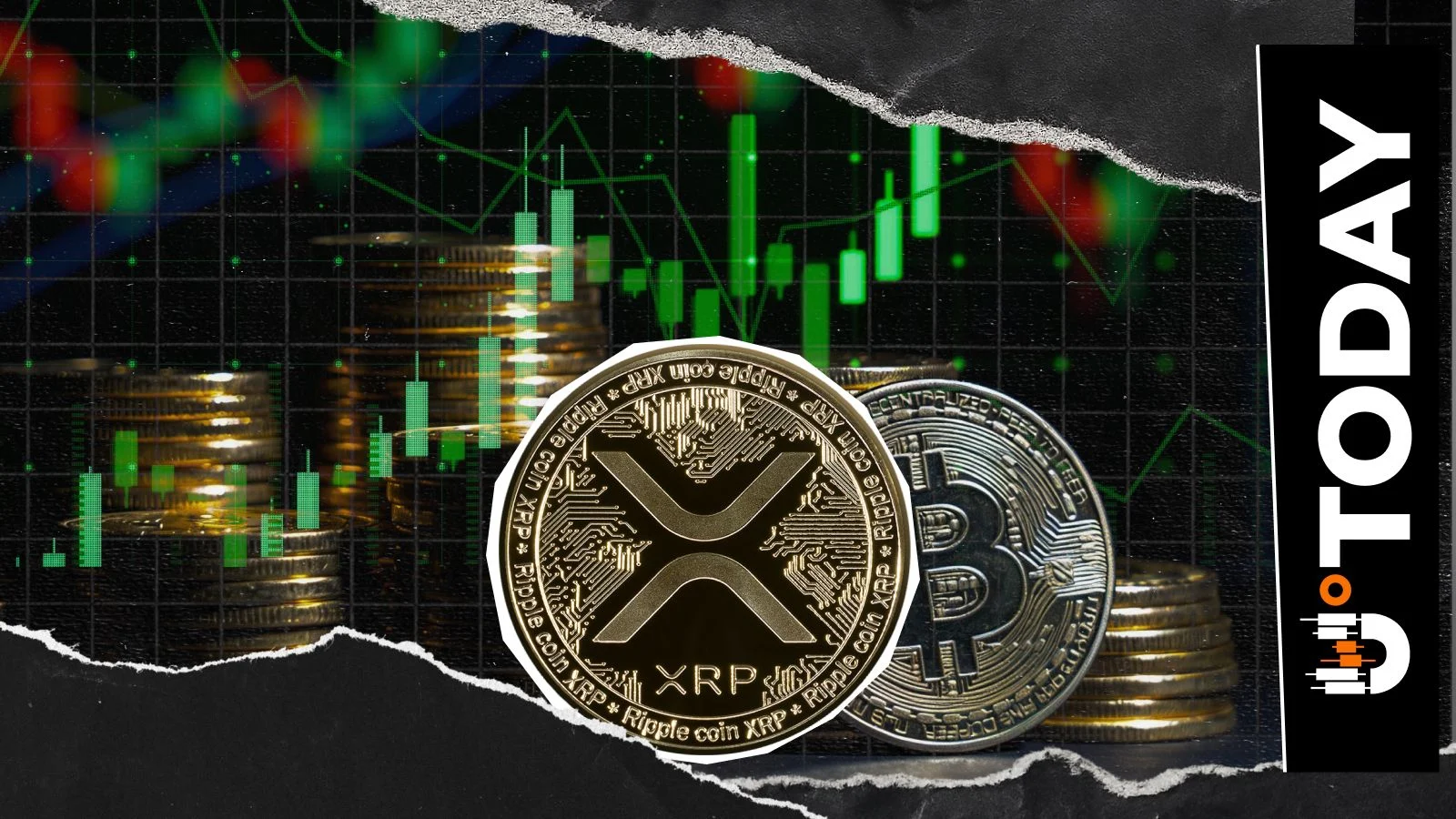
Upcoming U.S. macroeconomic data releases, including Fed speeches and employment reports, are poised to create significant volatility for Bitcoin and XRP, potentially impacting risk appetite and capital flows into crypto. Market participants are closely monitoring Jerome Powell's rhetoric for signals on interest rate policy, as current pricing reflects a 50% chance of hikes, creating a sensitive environment for risk assets like cryptocurrencies. Stronger-than-expected U.S. economic data could paradoxically pressure crypto prices by reinforcing a strong dollar and limiting liquidity, particularly affecting assets with high retail demand like XRP. The March jobs report on Friday is a critical event, with worse-than-expected unemployment figures potentially triggering liquidations and a sharp downturn for Bitcoin and the broader crypto market.
Signal context only. Validate with price action, liquidity, and risk limits before taking a position.
