
Navigating Crypto News

CoinFeather
Navigating Crypto News
Quick market read from this story
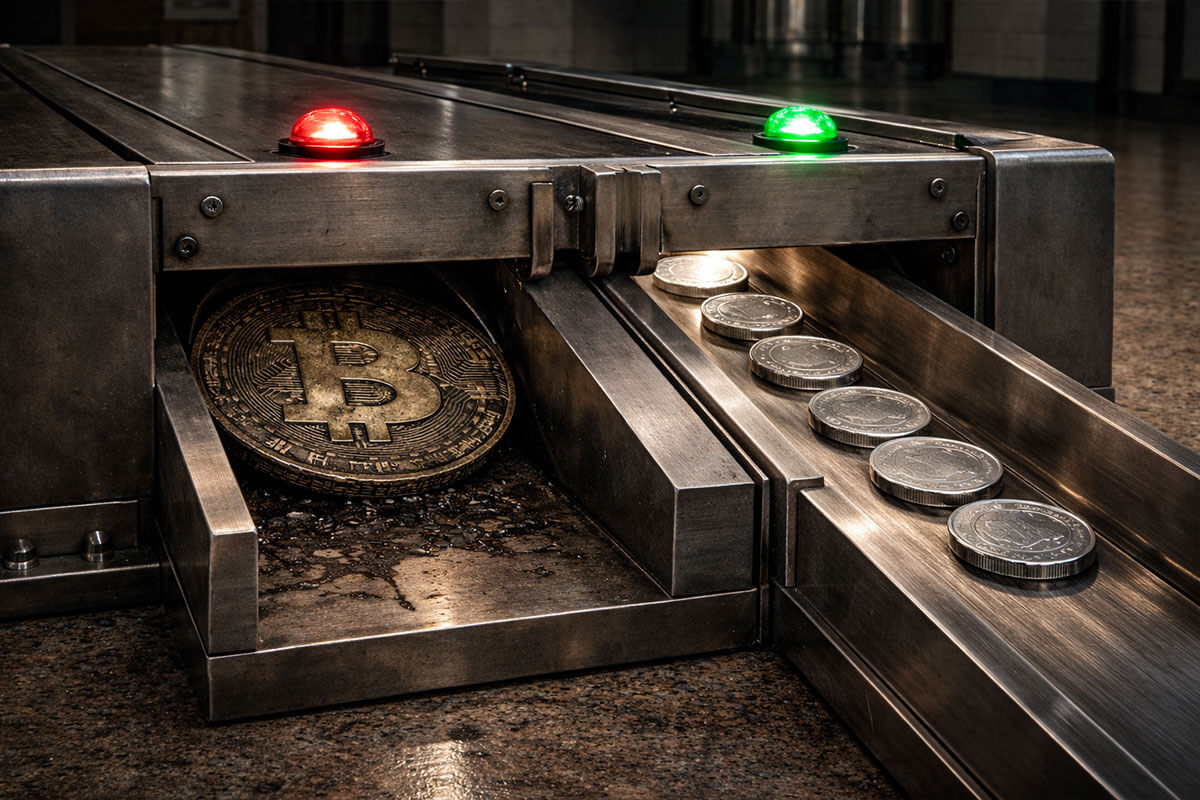
Congress is proposing the Digital Asset PARITY Act, which aims to close the Bitcoin tax loophole by applying wash-sale rules to digital assets, potentially impacting tax-loss harvesting strategies for traders.
The proposed legislation carves out regulated payment stablecoins from routine gain-or-loss recognition, signaling a policy preference for stablecoins used for payments over speculative trading.
The bill's dual approach of tightening rules for trading assets while offering relief for regulated stablecoins suggests a strategic effort to differentiate use cases and encourage specific types of digital asset adoption.
While the wash-sale rule changes appear more concrete, the stablecoin carveout's finalization is pending technical review, creating uncertainty for the near-term impact on both trading strategies and stablecoin utility.
Deep Dive
A bipartisan discussion draft, the Digital Asset PARITY Act, has been introduced in Congress by Representatives Steven Horsford and Max Miller. This act aims to rewrite Section 1091 of the tax code to include "specified assets," encompassing actively traded digital assets and their derivatives, while carving out a specific category of regulated payment stablecoins from routine gain or loss recognition.
For years, cryptocurrency traders have exploited a loophole in current tax law where wash-sale rules, which apply to stocks and securities, do not cover digital assets. This allowed traders to sell assets like Bitcoin at a loss and immediately buy them back to claim tax deductions, a maneuver prohibited in equity markets. The PARITY Act draft addresses this by expanding Section 1091 to cover actively traded digital assets, notional principal contracts, and related derivatives such as options, forward contracts, and futures contracts. The existing 30-day replacement window will apply, with these changes taking effect upon enactment.
The draft specifies that "specified assets" will now be covered, including actively traded digital assets and their derivatives, unlike the current law which only applies to "stock or securities." The wash-sale rules will apply to these digital assets with the same 30-day window before and after the sale.
The act also introduces a carveout for "Regulated Payment Stablecoins," allowing sellers to recognize no gain or loss on sales if the transaction stays within a $0.99 to $1.01 per-unit band. If this exception applies, the taxpayer's basis in the stablecoin is deemed to be $1.00 per unit for calculating any residual gain or loss. This exception does not extend to brokers or dealers in securities or commodities, and anti-abuse rules are noted for related-party transactions, though these are under technical review.
To qualify for this carveout, a stablecoin must be a payment stablecoin under the GENIUS framework, issued by a permitted issuer, pegged solely to the U.S. dollar, and must have traded within 1% of $1.00 on at least 95% of trading days in the preceding 12 months. The taxpayer must also acquire it within 1% of $1.00. This section takes effect for taxable years beginning after December 31, 2025. Congress is still considering a $200-per-transaction threshold and an aggregate annual limit for this provision.
The PARITY Act distinguishes between "crypto as payment" and "crypto as trading" through the tax code. While the stablecoin market is substantial, with over $34 trillion in transaction volume last year, analysis suggests that approximately 99% of this activity involves digital asset trading rather than payments. Congress aims to provide tax relief for the payment use case while introducing new costs for trading activities.
The draft also creates a mark-to-market election for dealers and traders in digital assets, which does not apply if the taxpayer uses mark-to-market accounting for the specified asset. This contrasts with the ordinary taxpayer using spot crypto for tax-loss harvesting, who is identified as a political loser in this reform. Sophisticated trading businesses may benefit from a clearer elections framework than currently exists.
This legislative effort occurs as the IRS finalized broker reporting rules requiring Form 1099-DA for transactions from January 1, 2025, onward. Many 2025 statements will lack cost basis information, placing the onus on taxpayers to calculate it themselves. This timing highlights Congress's debate on anti-abuse reforms concurrent with the introduction of standardized reporting for retail crypto holders.
The policy direction aligns with previous recommendations, including the 2025 White House digital assets report, which suggested extending wash-sale rules to digital assets but not to payment stablecoins. The 2025 Joint Committee on Taxation report also identified the wash-sale gap and the absence of a de minimis rule for digital asset spending.
An optimistic outcome sees lawmakers finalizing the stablecoin language cleanly, aligning it with GENIUS definitions, and pairing the wash-sale crackdown with a clear $200-per-transaction threshold. This scenario could accelerate the adoption of on-chain regulated dollars, offering crypto a cleaner payment rail and a more balanced trading framework. In this scenario, regulated stablecoin users and compliant firms would be the main winners, while tax-loss harvesters would be the losers.
Conversely, a worst-case scenario involves the wash-sale crackdown surviving with little dilution, while the stablecoin carveout stalls in technical review. This would benefit professional traders using mark-to-market elections but leave retail crypto holders without offsetting simplification on the payments side. The broader crypto legislation has faced impasses, with banks and crypto firms disagreeing on stablecoin economics, placing the PARITY Act within this gridlock. Taxpayers will enter the 2026 filing season under new reporting obligations without the reforms being fully enacted.
Ultimately, Congress appears more certain about closing the tax loophole than finalizing the details of the stablecoin carveout. The wash-sale rewrite is seen as the more concrete and ready-to-move aspect of the draft, while the stablecoin relief is directionally clear but mechanically unfinished, pending the development of a regulated-issuer framework by the OCC.
Source, catalyst, and sector overlap from the latest feed.
Marco Rubio's private assessment of a two-to-four-week Iran conflict duration suggests sustained geopolitical risk, which is directly impacting Bitcoin's price by maintaining high oil prices and tightening liquidity. Bitcoin's correlation with risk assets like the Nasdaq indicates it's trading as a high-beta liquidity instrument, meaning prolonged geopolitical instability and resulting inflation will continue to pressure its price. The market is actively repricing the duration of the oil shock, with Bitcoin's price range heavily influenced by the potential for sustained elevated energy costs and the Federal Reserve's continued stance on interest rates. A swift diplomatic resolution could lead to a rapid reversal of Bitcoin's macro-driven selloff, potentially pushing it back into the $69,000-$75,000 range as oil prices normalize and rate cut expectations return.
Weak demand at the latest 2-year US Treasury auction signals increased investor caution regarding inflation and Fed policy, suggesting a potentially bumpier road ahead for risk assets like Bitcoin. The confluence of rising oil prices, geopolitical tensions, and slowing economic activity is challenging previous assumptions about easing inflation and imminent Fed rate cuts, forcing investors to demand higher yields for short-term government debt. This shift in Treasury market sentiment, driven by concerns over stagflationary pressures, implies tighter financial conditions and a higher hurdle for risk-taking across broader markets, including cryptocurrencies. The market is beginning to price in a more challenging economic environment where inflation risks may outweigh the traditional safety of government bonds, impacting investment strategies across asset classes.
The resilience of Bitcoin ETFs during a significant price drawdown suggests a shift in investor behavior, with new holders demonstrating greater conviction than in previous market cycles. Despite a 40% price drop from its peak, the aggregate outflows from US spot Bitcoin ETFs were minimal, indicating that institutional investors are treating Bitcoin more as a portfolio asset rather than a speculative short-term trade. The comparison to gold ETFs in 2013 highlights a fundamental difference in how Bitcoin's ETF structure absorbs price volatility, suggesting a maturing market that can withstand significant corrections without mass capitulation. While current ETF flows show relative stability, the potential for future macro shocks to test investor patience remains, making the long-term conviction of these new holders an ongoing narrative to monitor.
The increasing autonomy of AI agents necessitates a robust digital financial infrastructure, positioning crypto's stablecoins, wallets, and identity systems as potential core components for machine-to-machine transactions. While 'AI coins' may not be the primary beneficiaries, the underlying infrastructure of crypto, particularly stablecoins and programmable wallets, is poised to gain significant utility as AI agents begin to execute autonomous economic activities. Mainstream adoption by payment giants like Visa, Stripe, and Mastercard in agentic commerce validates the need for crypto's programmable money and digital asset solutions, signaling a shift from speculative narratives to practical infrastructure use cases. The development of 'Know Your Agent' identity solutions, leveraging cryptographic credentials, is crucial for enabling secure and verifiable transactions by AI agents, potentially becoming a key growth area for crypto infrastructure.
Wintermute's launch of 24/7 crude oil CFD trading signifies crypto's aggressive expansion into traditional macro markets, leveraging geopolitical volatility to capture demand for round-the-clock asset access. The increasing demand for 24/7 trading in assets like oil, driven by geopolitical events, positions crypto venues as crucial infrastructure for immediate market reaction, potentially shifting trading norms away from traditional business hours. The dual approach of crypto-native platforms like Hyperliquid and more institutional-leaning offerings like Wintermute's suggests a bifurcated but growing market for off-hours trading, catering to both retail speculation and institutional hedging needs. The broader trend of financial markets moving towards extended trading hours and tokenized formats, exemplified by developments in traditional finance and crypto, indicates a structural shift that crypto is actively leading and benefiting from.
US lawmakers have reached an agreement-in-principle on stablecoin yield language for a market structure bill, indicating progress towards potential regulation. Industry representatives are reportedly unhappy with the proposed stablecoin yield language, suggesting potential pushback and a need for further negotiation. The lack of broad satisfaction with the stablecoin yield agreement suggests that while a regulatory step has been taken, significant market participant concerns remain unaddressed. The development signals a move towards regulatory clarity for stablecoins, which could impact their utility and market dynamics, though the specifics remain to be seen.
Washington state's lawsuit against Kalshi, alleging illegal gambling, escalates regulatory pressure on prediction markets nationwide. The ongoing legal battles, including criminal charges in Arizona and a federal bill, indicate a widening crackdown on prediction market platforms, potentially impacting their operational scope and market access. Kalshi's defense, positioning its contracts as CFTC-regulated derivatives, highlights the central conflict between federal and state regulatory authority, a key factor for market participants to monitor. The increasing legal challenges suggest a heightened risk environment for prediction markets, potentially leading to reduced liquidity and increased compliance costs for operators.
The proposed CLARITY Act's ban on stablecoin yield could significantly impact DeFi protocols by reducing their ability to offer competitive returns, potentially leading to lower trading volumes and token demand. Regulatory clarity on stablecoins, while potentially a headwind for DeFi, is viewed as structurally bullish for regulated infrastructure providers like Circle, as it may drive more value towards compliant entities. The shift in yield generation from decentralized to traditional finance, driven by the CLARITY Act, suggests a re-centralization trend that traders should monitor for potential sector rotation.
Ripple's conditional OCC approval for a national trust bank, coupled with upcoming April 2026 digital asset rule changes, signals a significant step towards integrating XRP Ledger with the U.S. Federal Reserve system. The establishment of Ripple National Trust Bank could create a regulated framework for stablecoins, potentially driving broader adoption by mainstream banks and accelerating crypto's integration into traditional finance. Ripple's proactive engagement with regulators positions it for a first-mover advantage in federally sanctioned digital finance, potentially reshaping U.S. crypto policy and stablecoin adoption.
A subtle social media interaction between Tether's CEO and a critic of Coinbase's stance on the CLARITY Act signals a significant internal industry division regarding stablecoin yield regulations. The CLARITY Act's upcoming stablecoin yield provisions are becoming a central point of contention, highlighting a strategic rift among crypto leaders on how to balance innovation with regulatory compliance. The differing approaches to stablecoin yields, championed by Coinbase and viewed with caution by Tether, could shape the future regulatory landscape for digital assets and impact market participant strategies.
StraitsX's rapid growth in stablecoin card transactions and issuance highlights a significant trend in Southeast Asia's payment landscape, indicating increasing adoption of crypto for everyday purchases. The company's strategy to make stablecoin settlement 'invisible' suggests a maturing market where user experience and seamless integration are paramount for broader adoption. StraitsX's upcoming launch of XSGD and XUSD on the Solana blockchain, supporting the x402 standard for micropayments, signals a push towards more efficient and embedded payment solutions. The expansion into cross-border corridors with Thailand and planned rollouts in Japan, Taiwan, and Hong Kong demonstrate a strategic effort to scale stablecoin payment infrastructure across Asia.
Bitcoin whale positioning indicates a bullish long-term outlook with increased long positions, suggesting potential for future price appreciation. A rising number of short sellers, particularly late entrants, creates a risk of a short squeeze if Bitcoin maintains support above $66,000, potentially fueling upside momentum. The $66,000 level is a critical support zone; a failure to hold this level could invalidate the short squeeze thesis and lead to renewed downside pressure.
Walmart-backed OnePay's expansion to include over a dozen new tokens signals a strategic move to capture 'new to crypto' customers by offering a curated selection aligned with user demand and utility. The integration of assets like SOL, ARB, and SUI into a superapp model, mirroring WeChat, suggests a growing trend of traditional finance and retail giants embedding crypto services for broader adoption. While OnePay reports strong engagement from crypto newcomers, the lack of specific adoption figures indicates a need for further data to assess the true market impact of this initiative. The regulatory environment, with SEC Chair Atkins supporting 'super-app' platforms, provides a potentially favorable backdrop for OnePay's strategy, reducing immediate regulatory uncertainty for such integrated financial services.
Live Feed
Loading the broader stream in the same flow as the homepage feed.

Shytoshi Kusama's prolonged silence on X, coupled with his bio update to 'UI bug fixes,' suggests potential upcoming developments or updates within the Shiba Inu ecosystem, creating anticipation among the community. The recent integration of SHIB into the OnePay app, enabling payments at 3 million users and Walmart stores, alongside its inclusion in a T. Rowe crypto ETF filing, signals growing institutional interest and broader payment utility for Shiba Inu. Regulatory clarity from the SEC and CFTC classifying SHIB as a non-security, combined with expanding payment integrations, provides a more stable foundation for potential future growth and adoption.

MicroStrategy's pause in Bitcoin accumulation, ending a thirteen-week buying streak, signals a potential shift in corporate strategy or a response to market conditions. The cessation of weekly BTC purchases by the largest corporate holder could be interpreted as a bearish signal by some market participants, potentially impacting short-term sentiment. While a temporary pause, the duration and reasons behind MicroStrategy's break from its accumulation strategy warrant close observation for future market implications.

Pi Network's mandatory node upgrade deadline of April 6th signals a critical technical transition, potentially impacting network stability and operator participation. Despite the upgrade, PI's price remains significantly below its all-time high, with mixed technical indicators suggesting a lack of immediate market conviction. The ongoing development towards a native DEX and smart contract support, coupled with MiCA filing, indicates a long-term strategic push for broader utility and regulatory compliance. Persistent KYC delays and concerns over node decentralization continue to pose structural challenges, tempering optimistic price projections despite infrastructure advancements.

Market strategist Tom Lee's optimistic prediction for an end to the crypto winter is met with skepticism from billionaire Frank Giustra, highlighting a divergence in market sentiment among prominent figures. Giustra's critique, rooted in his view of Bitcoin as a speculative asset versus precious metals as a true store of value, underscores the ongoing debate about Bitcoin's fundamental utility and long-term viability. Lee's contrarian view, interpreting negative sentiment and 'rage quitting' as bullish indicators, suggests a potential bottoming process, though external commentary from figures like Giustra introduces noise and uncertainty for traders.

Cardano's price is testing a critical multi-year support zone around $0.237, with a breakdown potentially leading to further declines towards $0.20. Bearish sentiment for ADA is intensifying, evidenced by relative weakness against Bitcoin and significant capital outflows indicated by the CMF indicator. The current technical setup, characterized by lower lows and Bollinger Band squeeze, suggests a strong price action is imminent, likely to the downside if support fails.

The surge in Bitcoin bullish bets on Bitfinex to a 28-month high, historically a contrary indicator, suggests a potential price top and upcoming sell-off. Traders should consider that the crowd's positioning on Bitfinex may signal an opportune moment for bears, especially when combined with broader macroeconomic concerns. The confluence of high leveraged longs and geopolitical/macroeconomic headwinds increases the probability of a Bitcoin price correction, potentially deepening the existing bear market.
PEPE price is experiencing sustained downside pressure, trading below key support levels and indicating bearish control. Traders should monitor the $0.00000312 to $0.00000322 demand zone as a potential turning point for a relief bounce, but a breakdown could signal further losses. Technical indicators like RSI and MACD show weak momentum, suggesting consolidation rather than an immediate reversal, reinforcing the bearish outlook.

XRP's current price action at $1.33, following rejection at higher levels and a negative Coinbase premium, indicates waning institutional demand and increased reliance on retail support. A repeating 5-day chart pattern identified by analysts suggests mid-April as a critical decision window, with potential for significant price expansion if support levels hold. Traders should monitor the $1.33 support level closely, as a breakdown could accelerate losses, while rising leverage without price appreciation signals increased risk for long positions. The divergence between declining institutional demand on Coinbase and potential retail buying on Binance highlights a shift in market dynamics, making mid-April a key inflection point to watch for XRP.

Dogecoin's on-chain activity is rising, with daily active addresses increasing to 53K, suggesting renewed user interest that historically precedes price accumulation phases. The Dogecoin price is exhibiting repeating mini-cycle patterns, with current consolidation between $0.0902 and $0.0970 potentially forming a third accumulation zone. A confirmed breakout above the $0.13-$0.15 resistance zone is required to validate a bullish continuation, with potential targets at $0.25, $0.45-$0.50, and a long-term possibility of $0.7 if sustained momentum develops. Despite recent underperformance and derivatives-led selling pressure, the underlying on-chain activity and historical cycle patterns suggest potential for a significant upward move if key resistance levels are breached.

Ethereum's roadmap, focusing on scaling via rollups and protocol enhancements like Glamsterdam and Hegota, signals a continued commitment to improving network efficiency and reducing costs for L2 solutions. The planned upgrades, particularly Pectra and Fusaka, aim to significantly boost Ethereum's capacity for rollup data and introduce features like enhanced smart accounts, suggesting a strategic push towards greater scalability and user-friendliness. Future upgrades like Glamsterdam and Hegota, targeting 2026, will introduce base layer scaling through parallel execution and Verkle Trees, potentially lowering hardware requirements for nodes and improving overall network state management. The ongoing development and phased rollout of upgrades demonstrate Ethereum's long-term strategy to evolve its infrastructure, which is crucial for maintaining its competitive position and supporting ecosystem growth.

A proposed 'Ethereum Economic Zone' framework aims to address L2 fragmentation by enabling seamless cross-rollup transactions, potentially improving capital efficiency and user experience within the Ethereum ecosystem. The initiative, backed by the Ethereum Foundation and involving key developers, seeks to create a unified layer-2 environment, mitigating the liquidity fragmentation that has arisen from the proliferation of independent rollups. This development signals a critical effort to refine Ethereum's scaling strategy, moving beyond simple throughput increases to focus on interoperability and cohesive ecosystem growth, which could influence future L2 development and investment.
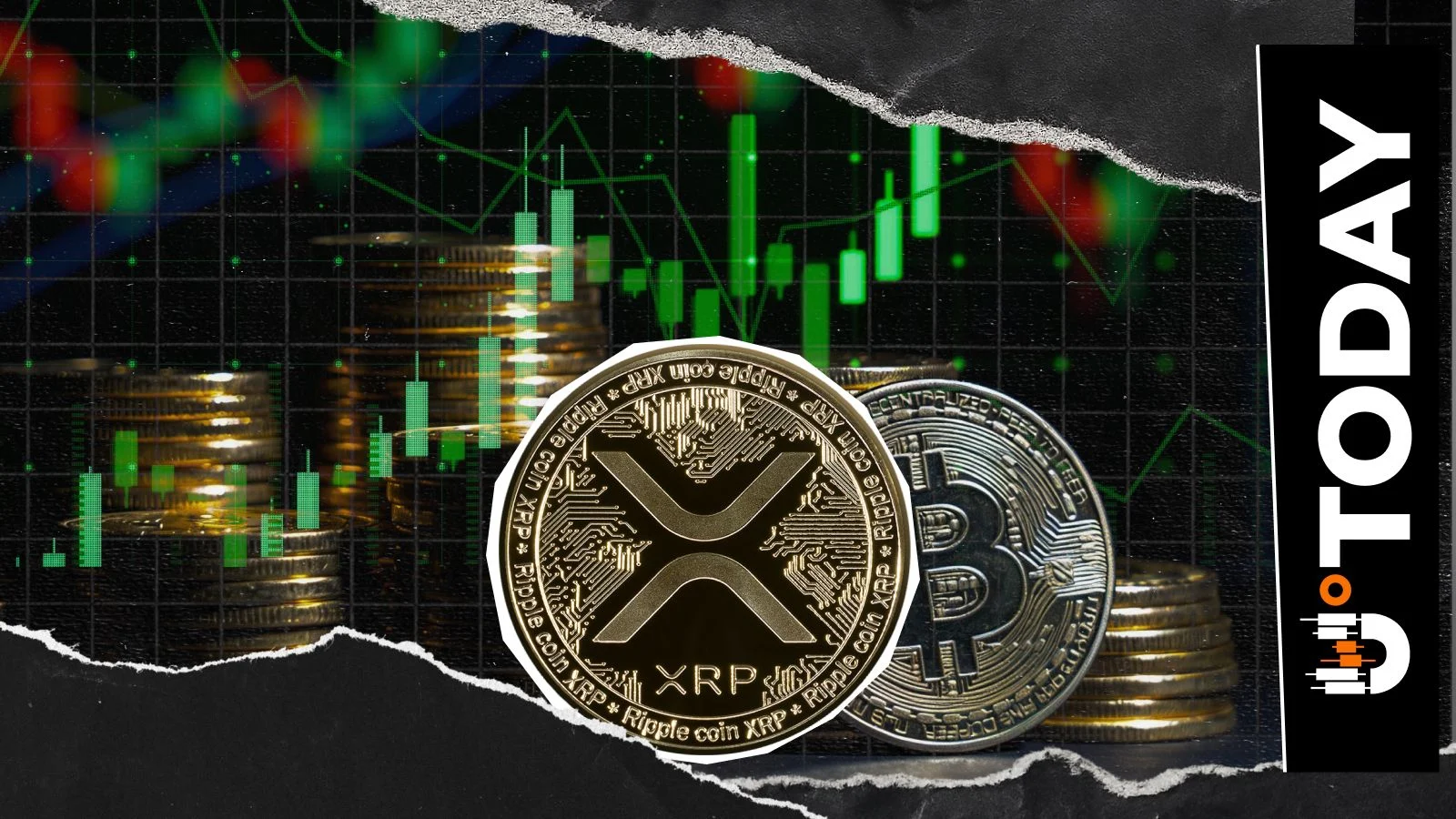
Upcoming U.S. macroeconomic data releases, including Fed speeches and employment reports, are poised to create significant volatility for Bitcoin and XRP, potentially impacting risk appetite and capital flows into crypto. Market participants are closely monitoring Jerome Powell's rhetoric for signals on interest rate policy, as current pricing reflects a 50% chance of hikes, creating a sensitive environment for risk assets like cryptocurrencies. Stronger-than-expected U.S. economic data could paradoxically pressure crypto prices by reinforcing a strong dollar and limiting liquidity, particularly affecting assets with high retail demand like XRP. The March jobs report on Friday is a critical event, with worse-than-expected unemployment figures potentially triggering liquidations and a sharp downturn for Bitcoin and the broader crypto market.
Signal context only. Validate with price action, liquidity, and risk limits before taking a position.
