
Navigating Crypto News

CoinFeather
Navigating Crypto News

Quick market read from this story
Playnance has launched a GCOIN staking program on its PlayW3 platform, encouraging long-term user engagement and locking over 250 million tokens shortly after release.
The staking program offers rewards tied to platform activity rather than fixed emissions, aligning token holder incentives with ecosystem growth and sustainability.
With varying lock-up periods and reward weighting, the initiative aims to bolster the GCOIN economy ahead of its Token Generation Event on March 18.
Deep Dive
Playnance has launched its GCOIN Staking initiative, now live on its Web3 social gaming platform, PlayW3. The program aims to foster long-term engagement within the GCOIN ecosystem, with users locking over 250 million GCOIN tokens within hours of its debut. This new staking mechanism allows GCOIN holders to actively participate by locking their tokens and earning rewards distributed through the platform, preceding the upcoming GCOIN Token Generation Event on March 18.
The staking program enables participants to lock a minimum of 1,000 GCOIN in smart contract staking pools, with options for six, nine, twelve, or eighteen-month durations. Longer lock periods are weighted for higher rewards. Rewards begin accumulating 24 hours after staking activation and can be claimed upon maturity of the staking period. Early withdrawal is permitted, but it results in the forfeiture of accrued rewards.
Unlike traditional staking models reliant on fixed emissions, Playnance's system distributes rewards through an ecosystem allocation tied to platform activity. Revenue generated from user engagement with Playnance products directly contributes to staking rewards, aligning incentives between platform adoption and community participation.
GCOIN serves as the native token for a diverse Web3 entertainment ecosystem encompassing social gaming, prediction markets, and digital trading. Playnance's objective is to integrate blockchain technology more deeply into entertainment through decentralized platforms powered by GCOIN.
Pini Peter, CEO of Playnance, emphasized the community's role: "Staking gives our community a way to participate directly in the evolution of the ecosystem," he stated. "As the network grows, token holders can become part of that growth while contributing to the platform’s long term sustainability." The introduction of staking provides an additional avenue for community members to engage with and support the long-term development of the GCOIN economy.
Source, catalyst, and sector overlap from the latest feed.
South Korean traders are driving significant volume spikes across 14 altcoins, indicating a strong retail interest that could precede broader market attention. The surge in volume for specific altcoins like XRP, TRUMP, and DKA on South Korean exchanges suggests potential short-term trading opportunities driven by localized demand. While the article highlights volume spikes, the lack of fundamental catalysts for many listed altcoins suggests a speculative driver, warranting caution for longer-term investment theses. The significant crypto adoption in South Korea, with 32% of the population owning digital assets, positions the region as a key influencer for altcoin market dynamics.
XRP's breakout above $1.45 resistance, coupled with a 140% surge in trading volume, signals increasing retail and derivatives trader interest, potentially driving price towards $1.65 if momentum sustains. Despite strong price action, institutional outflows from XRP investment products suggest the current rally may lack broad institutional backing, warranting caution on sustained upside. XRP is testing resistance at the descending channel trendline around $1.50, with the daily RSI approaching 60, indicating strengthening buying pressure but requiring confirmation for a decisive breakout.
The debate surrounding Ripple's share buybacks versus potential XRP token buybacks highlights a fundamental difference in how corporate actions translate to decentralized assets, suggesting that traditional financial analogies may not directly apply to XRP's market dynamics. Attorney Bill Morgan's explanation that XRP's decentralized nature prevents direct token buybacks from having the same economic impact as stock buybacks implies that Ripple's strategy for supporting XRP liquidity may need to focus on ecosystem improvements rather than direct market intervention. The differing views from legal and community figures on Ripple's strategy underscore the ongoing tension between centralized corporate actions and decentralized token economics, with regulatory concerns from the SEC case significantly influencing Ripple's cautious approach. The proposed Evernorth strategy of using yield generation from XRP to buy back more tokens presents a novel, albeit indirect, method for increasing XRP demand, potentially offering a regulated avenue for institutional exposure.
The crypto market is showing signs of a potential altcoin season as Bitcoin dominance hovers around 52-53%, indicating capital rotation into higher-beta assets could drive significant short-term altcoin outperformance. Upcoming events like Aave V4 launch, Zcash/THORChain integration, and LayerZero token unlocks present distinct catalysts for specific altcoins, creating potential trading opportunities and volatility. The Federal Reserve's interest rate decision on March 18th serves as a significant macroeconomic catalyst that could influence overall market liquidity and altcoin performance, adding another layer of risk to short-term trades.
Bitmine's significant ETH purchase of 60,999 ETH signals continued institutional conviction in Ethereum's long-term value proposition, potentially supporting price action. The accumulation of 4.59 million ETH, representing 3.81% of the total supply, positions Bitmine as a major holder, whose future actions could influence market liquidity. Bitmine's diversified treasury of $11.5 billion, including substantial ETH and BTC holdings, underscores the growing trend of corporate treasuries allocating capital to digital assets.
BitMine's substantial ETH acquisition, totaling 4.6 million ETH and representing 3.81% of circulating supply, signals strong institutional conviction in Ethereum as a macro hedge asset. The company's strategy of staking 66% of its ETH holdings to generate yield transforms its treasury into an active income-generating operation, potentially influencing market dynamics through consistent demand. Chairman Tom Lee's framing of crypto accumulation as a hedge against global instability, particularly geopolitical risks and rising energy prices, suggests a narrative driving institutional capital into digital assets like ETH. The direct purchase of 5,000 ETH from the Ethereum Foundation indicates a strategic relationship and a mechanism for channeling institutional funds towards ecosystem development without immediate exchange sell pressure.
World Liberty Financial is introducing a tiered access system for investors who lock up significant amounts of WLFI tokens, potentially creating demand for the token to gain 'guaranteed access' to the team. The new governance framework requires a minimum 180-day token lock-up for participation, which could reduce the circulating supply of WLFI and influence its price dynamics. The development occurs amidst regulatory scrutiny of the Trump family's crypto ventures, suggesting a strategic move to solidify investor engagement despite external pressures. The introduction of 'super nodes' requiring $5.3 million in staked WLFI tokens aims to filter and prioritize long-term ecosystem participants, potentially impacting the project's decentralization narrative.
Circle's stock surge of over 100% in a month highlights growing investor confidence driven by increasing USDC demand and the expansion of tokenized assets. The current higher interest rate environment directly benefits Circle's revenue model, which relies on interest earned from USDC reserves, suggesting continued earnings potential. Emerging use cases in AI-driven payments and the broader tokenization of financial products, including Treasuries, are positioning USDC as a critical settlement layer, driving demand beyond speculative trading. Potential advancements in U.S. crypto legislation, following support for the CLARITY Act, could further institutionalize digital assets and bolster demand for stablecoins like USDC.
MicroStrategy's continued aggressive Bitcoin accumulation, funded by stock sales, signals strong conviction in BTC as a treasury asset, potentially influencing investor sentiment towards the company and Bitcoin itself. The substantial purchase of 22,337 BTC by MicroStrategy reinforces its position as a major corporate Bitcoin holder, with ongoing acquisitions potentially creating consistent demand pressure on Bitcoin. The 4.56% jump in MSTR shares following the announcement highlights the direct market correlation between MicroStrategy's Bitcoin strategy and its stock performance, offering a proxy play for BTC exposure.
Bitmine's significant ETH accumulation, totaling nearly 4.6 million tokens, signals strong conviction in Ethereum's long-term value despite current unrealized losses. The company's continued ETH purchases and substantial cash reserves of $1.2 billion indicate a robust financial position to capitalize on market opportunities. Tom Lee's commentary suggests a narrative where crypto, particularly Ethereum, is viewed as a growth asset outperforming traditional markets amid geopolitical uncertainty and inflation concerns. Bitmine's active ETH staking strategy generates substantial annualized revenue, enhancing its treasury's yield and potentially signaling a sustainable accumulation model.
A minor 2.85% pricing error in wstETH collateral on Aave led to $27 million in liquidations, underscoring the fragility of DeFi systems to even small oracle misconfigurations. The incident highlights the critical dependency of DeFi lending protocols on accurate price oracles and robust risk management systems, as a misconfiguration in Aave's CAPO risk oracle, not the primary feed, caused the issue. While the event caused significant liquidations for individual borrowers, Aave protocol solvency remained intact, with proposals to compensate affected users, indicating a maturing approach to handling technical incidents. This event serves as a crucial reminder for DeFi participants about the inherent risks associated with yield-bearing collateral like wstETH and the need for precise synchronization of smart contract parameters and price feeds.
Bitcoin's price is consolidating near $71K, supported by returning ETF inflows and reduced miner selling pressure, indicating a potential floor formation. While BTC shows constructive price action, the article heavily promotes a presale for 'Pepeto,' positioning it as a high-return opportunity compared to direct BTC investment. The narrative suggests that early presale participants in projects like Pepeto, which aims to offer zero-fee swaps and instant bridging, stand to capture significant gains upon listing.
BlackRock's launch of the Staked Ethereum Trust ETF (ETHB) introduces a novel income-generating mechanism for crypto ETFs by distributing monthly staking rewards, potentially attracting traditional finance investors seeking yield comparable to equities. The ETHB ETF's strategy to stake 70-95% of its ETH holdings and distribute rewards, estimated at 2.5-3% annually, positions it as a competitive income-generating product against traditional assets like the S&P 500 dividend yield. This development signals a potential shift in the crypto ETF market, moving beyond pure price exposure to a yield-focused competition, driven by increasing client demand for integrated crypto and staking products. The introduction of staking rewards in regulated ETFs like ETHB blurs the lines between traditional finance and crypto infrastructure, suggesting that yield generation may become a standard feature in future crypto investment funds.
Live Feed
Loading the broader stream in the same flow as the homepage feed.

The Sei Development Foundation joined in the round to support expansion of an SEC-regulated alternative trading system and settlement platform for blockchain-based securities.
Veteran trader Peter Brandt's analysis suggests Ethereum is forming a local bottom near historical support, indicating a potential for a near-term recovery rally if key resistance levels are breached. The ETH price is currently testing resistance around $2,300, with a decisive move above this level potentially signaling a continuation towards $2,400 and $2,600, while failure could lead to a retest of lower support zones. Increased open interest in Ethereum futures, up 19.15% to $33.37 billion, alongside corporate accumulation of ETH by entities like BitMine, suggests growing market interest and potential underlying demand. Despite short-term bullish signals, Ethereum's long-term monthly chart indicates it remains within a broad consolidation phase, suggesting that a confirmed macro breakout is still pending.
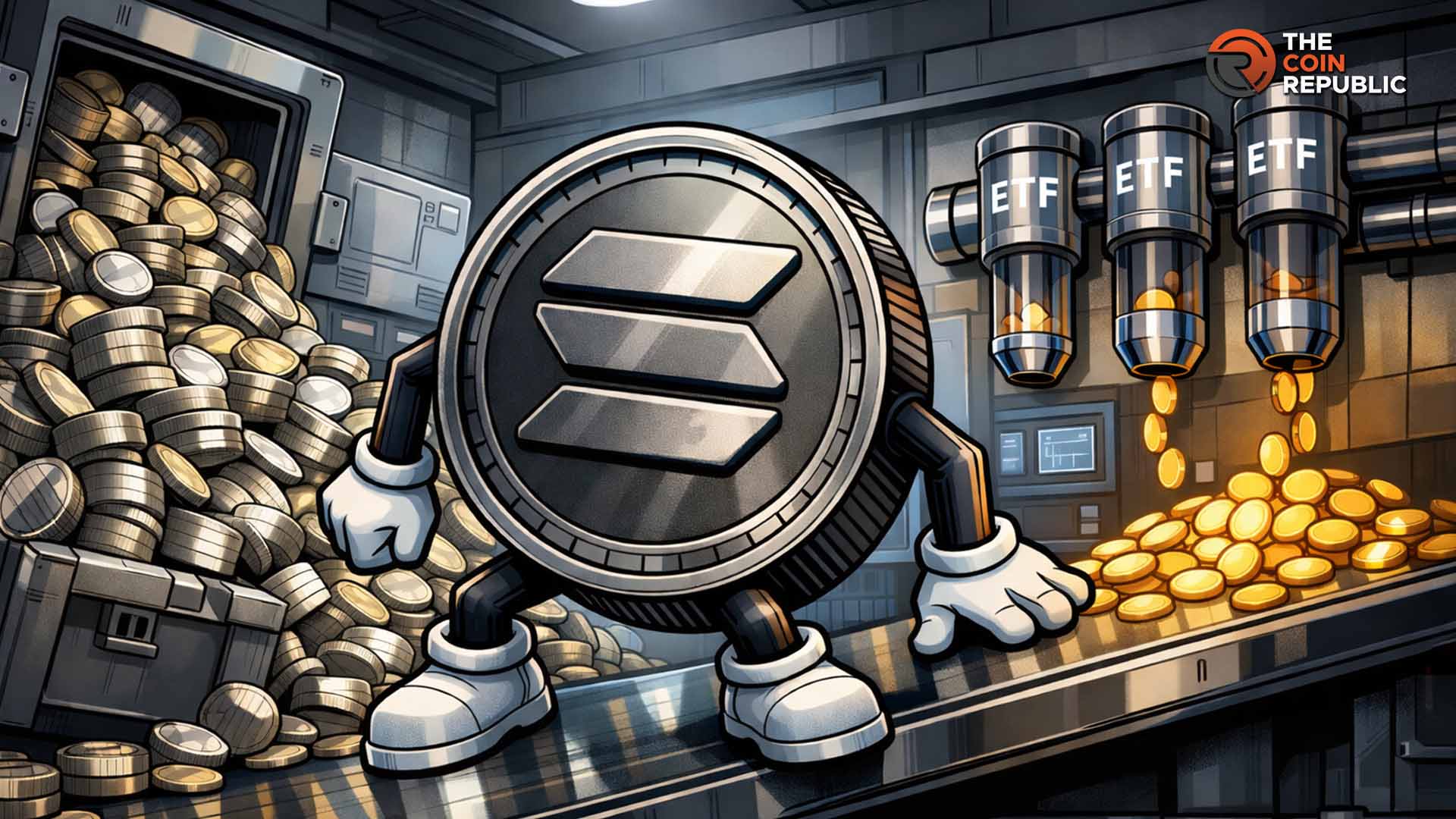
Solana's price is showing a hidden bearish divergence on the RSI, suggesting that recent upward momentum may be fading despite price gains. Rising exchange balances and a decrease in long-term holder positions indicate increasing selling pressure, potentially overriding positive ETF inflows. The technical and on-chain data collectively point to a potential 15% price drop for SOL to $77 if key support levels fail.

The CLARITY Act faces a critical political deadline in late April/early May, with its potential passage directly impacting how stablecoins function, specifically regarding yield generation, which could divert significant capital from traditional banking deposits. Banks are lobbying aggressively to prevent stablecoin issuers from offering interest-like rewards, fearing deposit migration that could total $500 billion by 2028, while crypto firms argue such features are necessary for competition and broader adoption. Failure of the CLARITY Act to pass could lead to increased reliance on regulatory rulemaking (e.g., by the OCC) and a more uncertain future for crypto market structure, potentially delaying broader adoption and making the sector more vulnerable to political shifts. The debate over stablecoin yield is a central point of contention, highlighting a fundamental disagreement on whether these digital assets should primarily serve as payment instruments or evolve into more competitive financial products, with significant implications for both TradFi and crypto.
XRP's surge past $1.50 and $90 billion market cap signals a significant return of buying momentum after a consolidation period, potentially indicating a shift towards further gains. The renewed investor confidence and increased trading volumes suggest that recent price dips presented an attractive entry point, highlighting market resilience and potential for a medium-term recovery. While the price action is positive, traders should maintain disciplined risk management due to inherent cryptocurrency market volatility and the need to monitor liquidity and macroeconomic trends.
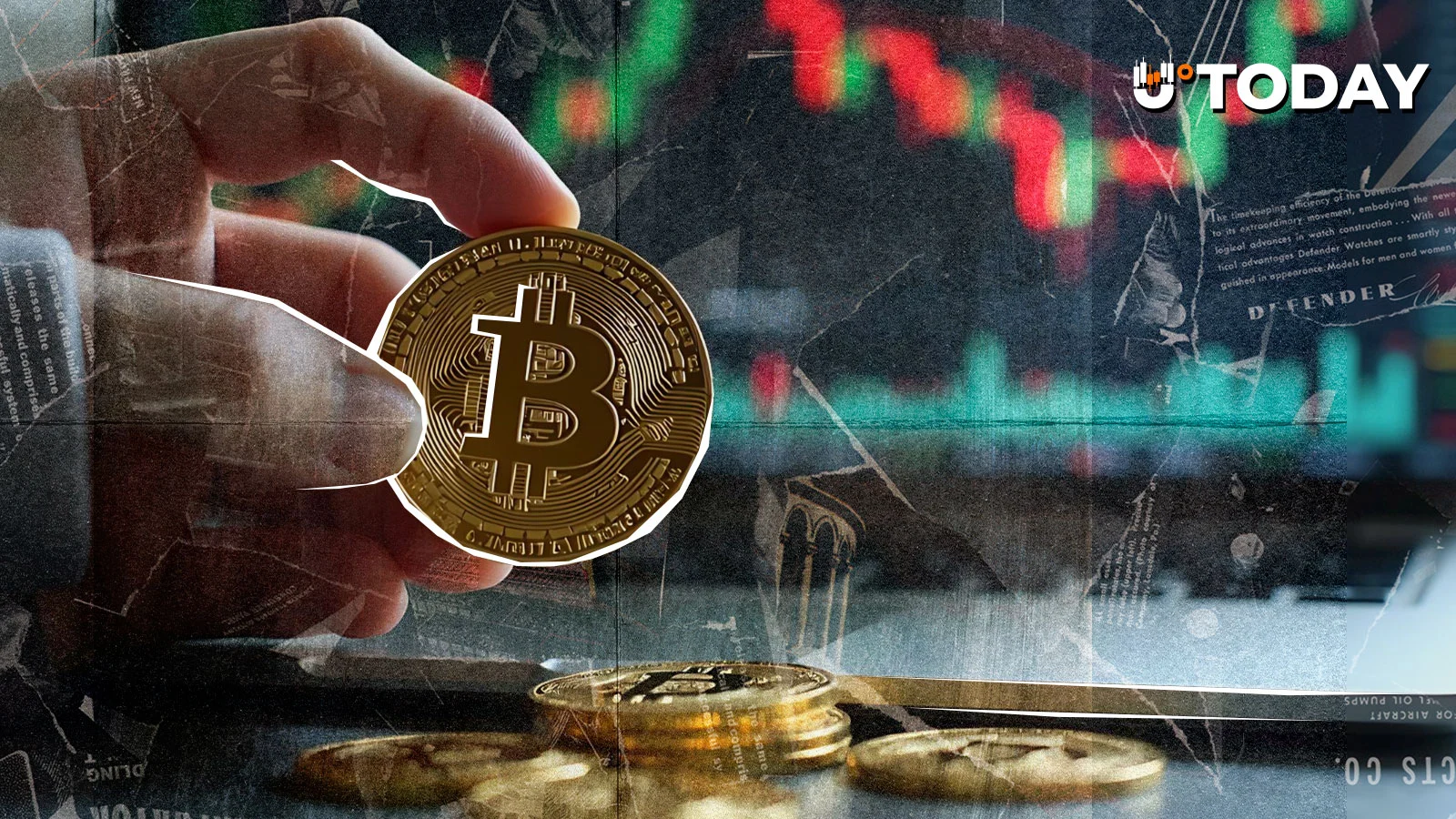
Bitcoin has executed a significant technical breakout above the $74,000 level, surpassing the 50-day EMA and confirming bullish momentum. An analyst has projected a $90,000 price target for Bitcoin, derived from a measured move calculation of the prior consolidation range, suggesting potential for further upside. The breakout from a prolonged horizontal channel indicates a potential shift in market sentiment and could attract renewed investor interest, supporting a near-term upward price trend.
Bitcoin's recent surge above $74,000 demonstrates resilience, but its correlation with tech stocks suggests continued volatility is likely. Increased institutional interest, evidenced by Metaplanet's capital raise and MicroStrategy's BTC purchases, provides a bullish undertone, though broader market risks persist. While the price action is positive, the article emphasizes caution due to macroeconomic pressures and the need to monitor both on-chain metrics and traditional market trends.

A recent poll indicates that crypto users prioritize privacy features over stablecoin yield incentives within the CLARITY Act, suggesting a potential divergence in market participant values versus legislative focus. The ongoing debate over stablecoin yield rules, particularly the potential for the Treasury to freeze transactions without court orders, is stalling the CLARITY Act, highlighting regulatory friction points for the crypto industry. Despite the stall, the CLARITY Act's provisions regarding transaction freezing and DeFi platform classification could significantly impact self-custody rights and financial autonomy, warranting close observation by market participants. The conflict between banking groups advocating for a ban on stablecoin rewards and crypto leaders defending their necessity for innovation underscores a fundamental disagreement shaping the future regulatory landscape.
Rising spot demand combined with aggressive futures positioning suggests strong underlying accumulation, supporting Bitcoin's current upward trajectory. A bull flag breakout on the four-hour chart, coupled with a break of prior resistance, indicates a continuation pattern that could drive further price appreciation. Traders are likely to target the CME futures gap as a potential upside objective, especially if current bullish momentum persists following the technical breakout.

International law enforcement agencies are coordinating 'Operation Atlantic' to combat crypto fraud, specifically targeting 'approval phishing' and 'pig butchering' scams. The initiative highlights the increasing sophistication of crypto-related scams and the growing need for cross-border collaboration to protect investors. With over $17 billion lost to crypto crimes last year, this operation signals a heightened focus on enforcement which could deter illicit activities but also increase scrutiny on the sector.

Abra's planned Nasdaq listing via SPAC merger at a $750M valuation signals renewed institutional interest in crypto companies accessing public markets. The move by Abra, which offers wealth management, custody, and trading services, indicates a strategic pivot towards traditional finance infrastructure for digital asset firms. While SPACs offer rapid liquidity, the associated risks like volatility and regulatory uncertainty warrant a cautious approach to this listing method.

The Ethereum Foundation's new mandate clarifies its role as a neutral steward, sparking debate on whether this hands-off approach aligns with increasing institutional interest in blockchain. Critics argue the mandate's focus on core principles over practical business development may hinder Ethereum's adoption by institutions seeking clear product-market fit. Supporters view the mandate as a reaffirmation of Ethereum's decentralized ethos, emphasizing its role as a platform for permissionless innovation rather than a product builder. The debate highlights a fundamental tension in Ethereum's growth: balancing its decentralized identity with the demands of institutional capital and broader market adoption.

Crypto wealth manager Abra is going public at a $750 million valuation—but regulators have repeatedly taken issue with how it does business.
Shiba Inu's recent price action shows a potential shift in momentum, with seven green daily candles in the last eight days suggesting strengthening upward trend potential. Analysts are closely watching the $0.00000590 level as a critical support threshold; holding above this point is seen as a positive indicator for continued recovery. A sustained move above the $0.00000725 resistance level would be required to confirm a break in bearish structure and signal a more significant upward trend. Despite recent gains, the meme coin's history of failed rallies and lower highs suggests caution is warranted until key resistance levels are decisively broken.
Metaplanet secured up to $531 million in funding, signaling strong institutional confidence in its long-term Bitcoin accumulation strategy despite current unrealized losses. The capital raise will accelerate Metaplanet's ambitious targets of holding 100,000 BTC by end-2026 and 210,000 BTC by 2027, potentially impacting Bitcoin's circulating supply. The firm's strategy hinges on a potential regulatory shift in Japan recognizing Bitcoin as a financial asset, which could unlock further institutional adoption. Despite significant paper losses on its current holdings, Metaplanet is doubling down on Bitcoin as a store of value, reflecting a broader trend of corporate treasury diversification.
Signal context only. Validate with price action, liquidity, and risk limits before taking a position.
